

Fire-fronted Serin
Serinus pusillus
A small mountain finch identified by its glowing orange-red forehead patch set against an otherwise black head and streaked brown body.
- Feather type
- Small, dense body feathers; short pointed wings
- Colours
- Black head, orange-red forehead patch, brown-streaked body
- Bird size
- Sparrow-sized, ~12 cm
Found a feather like this?
Identify any feather from a photo, free.
Overview
Overview
The Fire-fronted Serin is a hardy finch of high mountain habitats across the Caucasus, Central Asia, and the western Himalayas. It favors rocky slopes, alpine meadows, and scrubby terrain near the treeline, often in flocks that forage on the ground or among low vegetation. The vivid forehead patch of the adult makes it one of the more distinctive small finches of its range.
Identifying the Feather
Feather Identification
- Small, glossy black head feathers frame a bright orange-red patch across the forehead, the species' most diagnostic feature
- Body feathers are brown, heavily streaked with darker markings on the back and flanks
- Wings and tail are dark brown with narrow pale feather edges, lacking bold wing bars
- Bill is short and conical, typical of a seed-eating finch
- Juveniles and some females show a duller, more orange-brown forehead patch rather than the vivid red-orange of adult males
- The combination of black head plus orange-red frontal patch separates this species from other streaky brown finches sharing its mountain range
Plumage & Molt
Plumage Notes
Adult males have a glossy black head with a vivid orange-red forehead patch and streaked brown body plumage. Females are similar but often show a slightly duller patch and less contrasting head color. Juveniles lack the black head entirely, appearing streaky brown overall until their first molt. A single annual molt follows breeding, with the forehead patch becoming brighter with age.
Habitat & Range
Habitat & Range
Distributed across the Caucasus, parts of the Middle East, Central Asia, and the western Himalayas, favoring rocky slopes, alpine meadows, and scrub near or above the treeline. It shows altitudinal movement, descending to lower elevations or foothills in winter while breeding at higher altitudes in summer.
Behavior & Field Notes
Behavior & Field Notes
Fire-fronted Serins forage in flocks on the ground and among low vegetation, feeding on seeds of alpine plants and grasses. Nests are typically placed in rock crevices, cliffs, or low shrubs offering shelter from harsh mountain weather. Its call is a thin, twittering series typical of serins, often given as flocks move between feeding areas. It is frequently seen alongside other high-altitude finches on scree slopes and rocky pastures.
Frequently asked questions
What is the key identification mark of the Fire-fronted Serin?
A bright orange-red patch across the forehead set against a glossy black head, contrasting with the streaked brown body.
Where does the Fire-fronted Serin live?
In rocky mountain slopes, alpine meadows, and scrub across the Caucasus, Central Asia, and the western Himalayas.
Do juveniles look like adults?
No, juveniles lack the black head and orange-red forehead patch, appearing streaky brown overall until their first molt.
Does this species migrate?
It makes altitudinal movements, descending to lower elevations in winter rather than undertaking long-distance migration.
Fire-fronted Serin guides
In-depth guides for identifying and understanding Fire-fronted Serin.

Other feathers you may enjoy

Yellow-breasted Bunting
Contour and flight feathers, chestnut-and-yellow breeding pattern
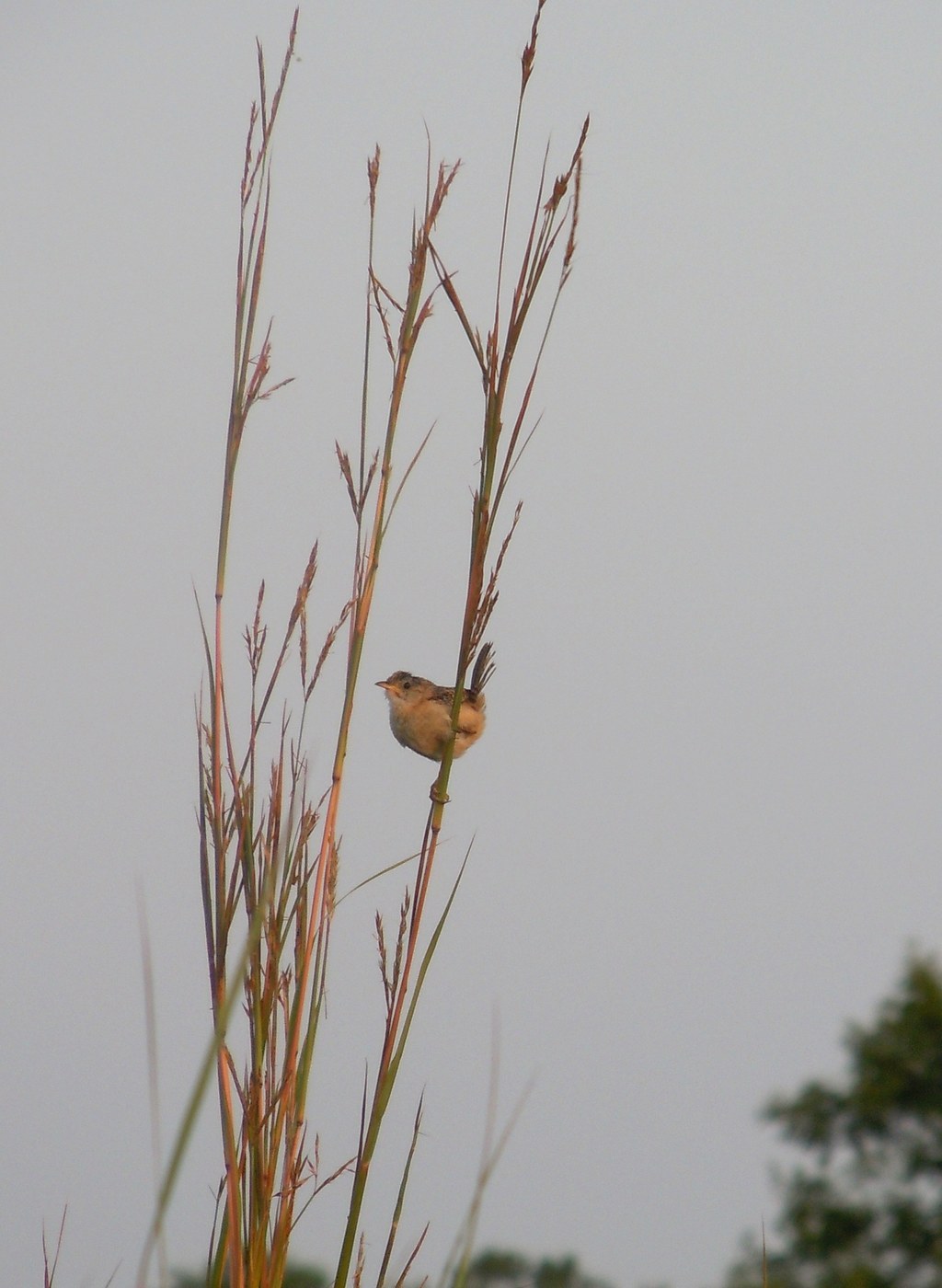
Sedge Wren
Tiny streaked crown and back feathers

Yellow-winged Cacique
Glossy black body feathers, yellow wing patch, shaggy crest

Yellow Warbler
Small contour and flight feathers
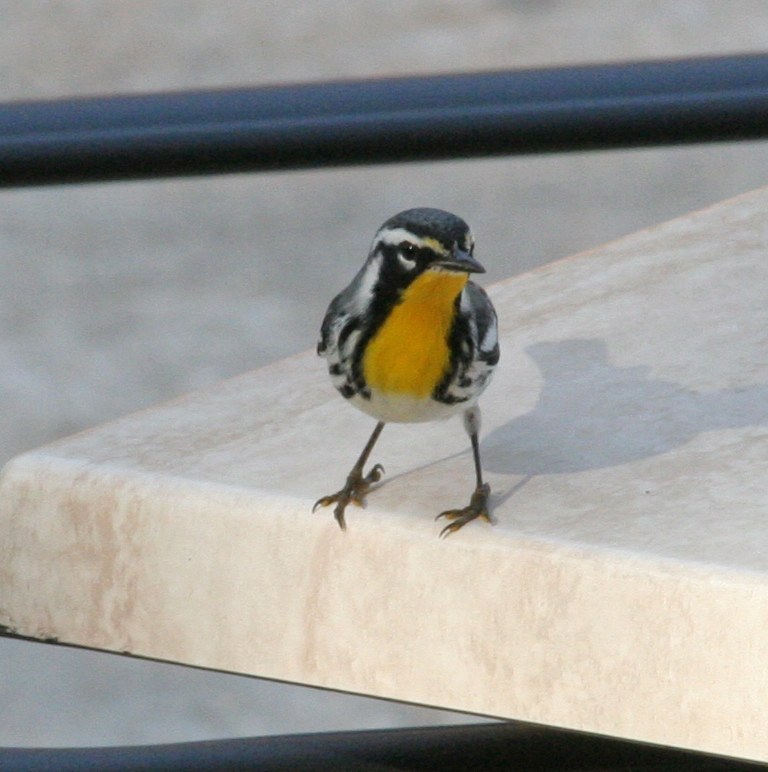
Yellow-throated Warbler
Small contour and flight feathers
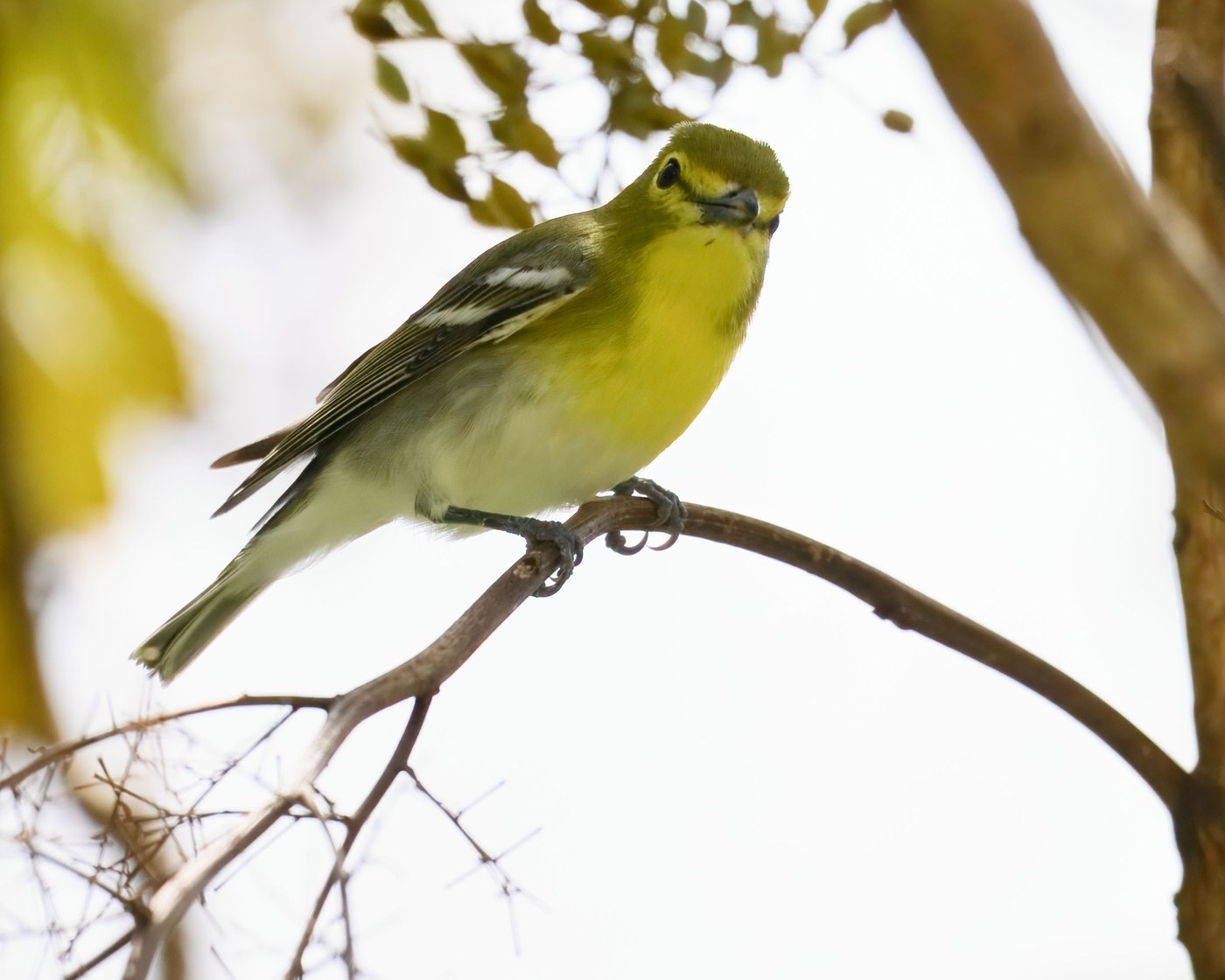
Yellow-throated Vireo
Bright yellow throat and spectacle feathers; olive-green back feathers; two white wing-bar feathers

Yellow-rumped Warbler
Small contour and flight feathers
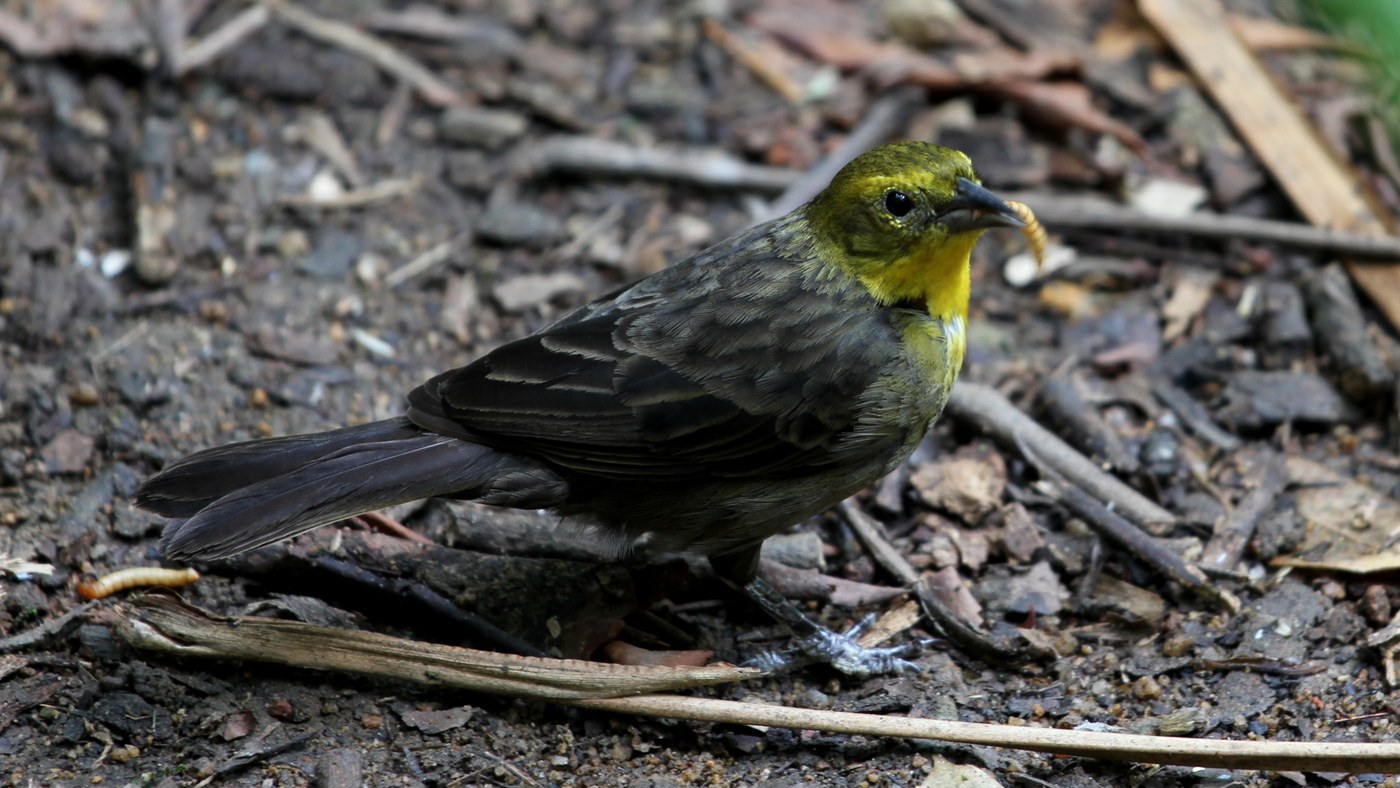
Yellow-hooded Blackbird
Contrasting hood and body feathers
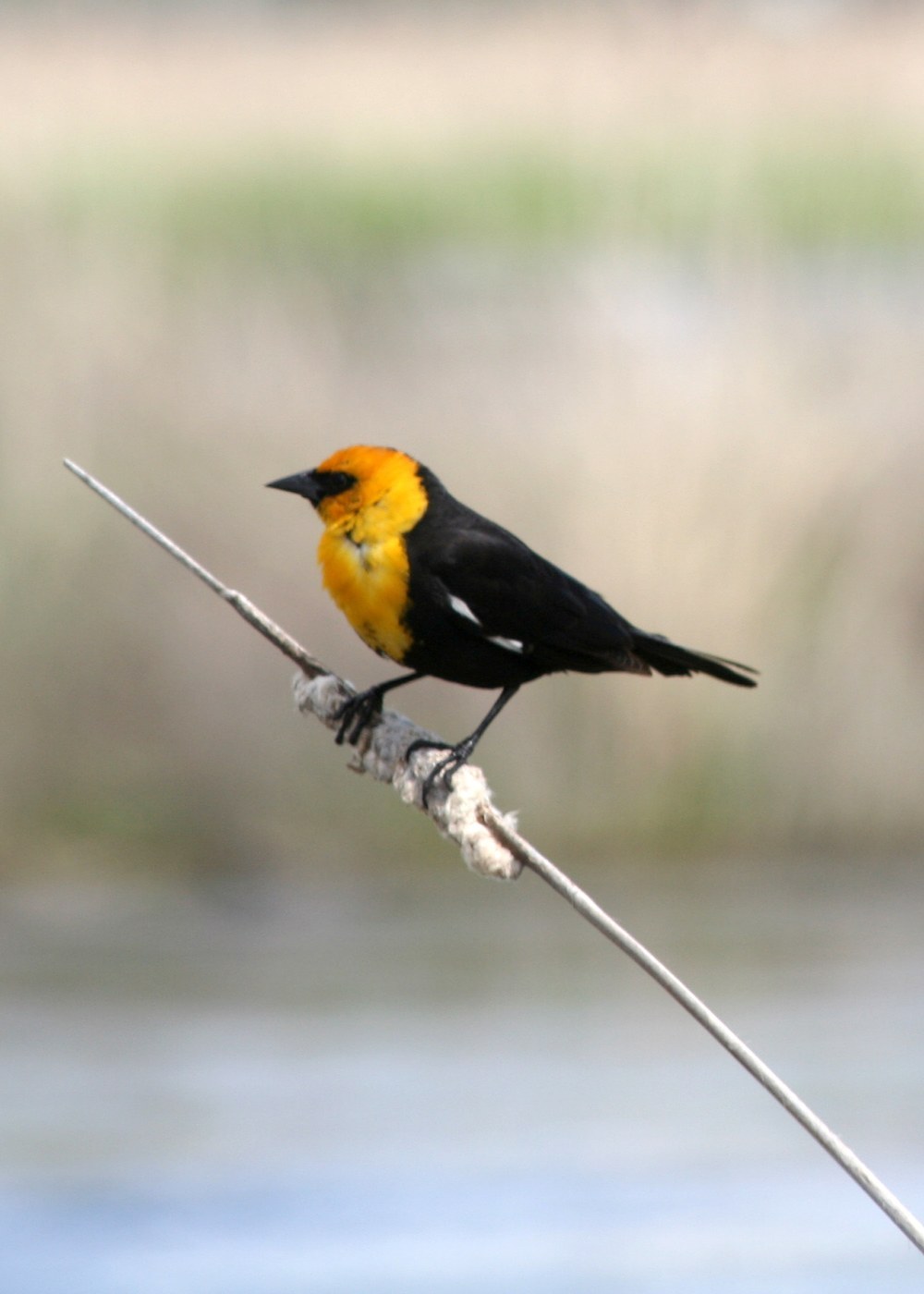
Yellow-headed Blackbird
Glossy black body plumage with a bright yellow head and breast

Yellow-eyed Junco
Contour and flight feathers

Yellow-fronted Canary
Small, smooth body plumage

Yellow-breasted Greenfinch
Compact, smooth body plumage