
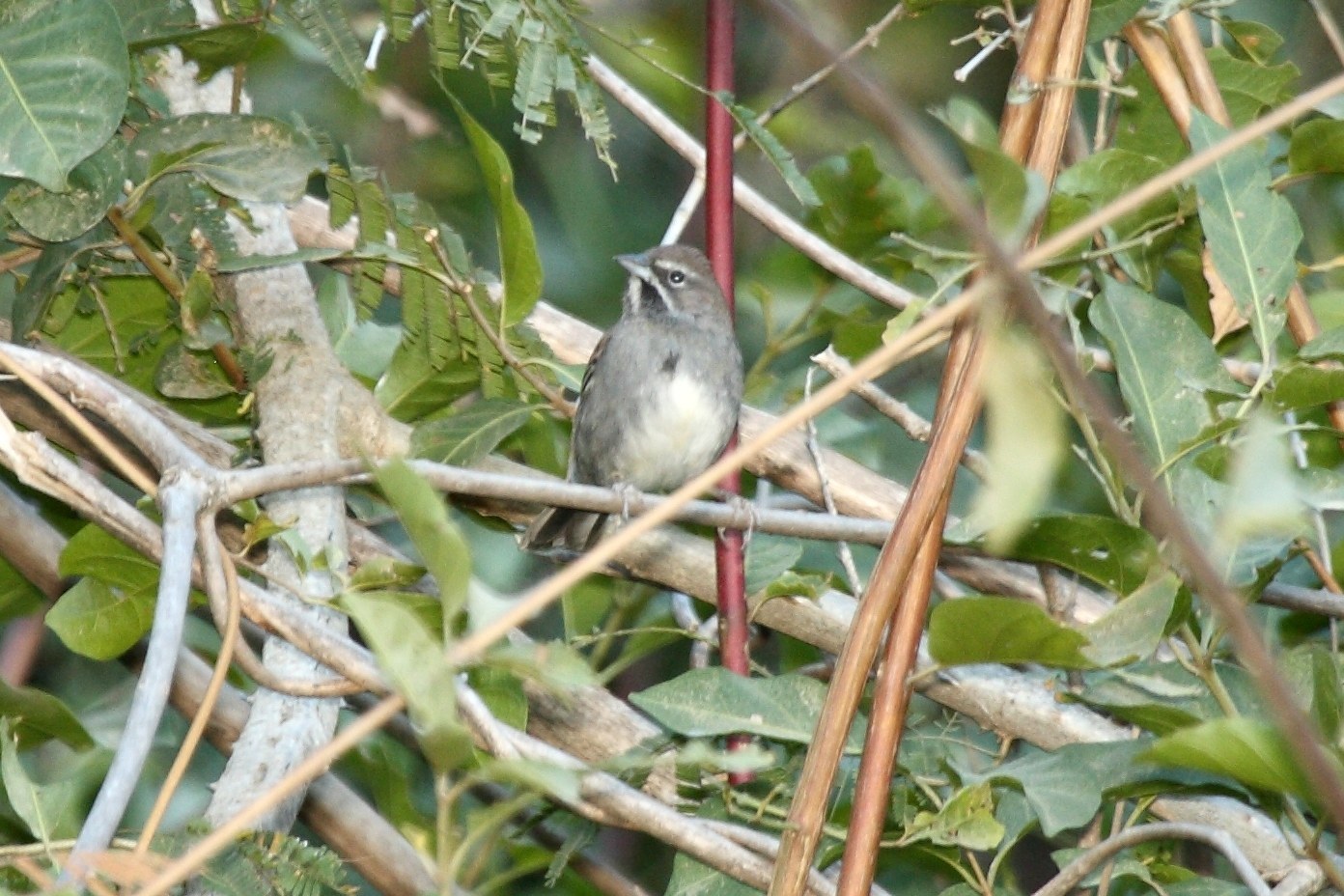
Five-striped Sparrow
Amphispizopsis quinquestriata
A rare, boldly striped sparrow of remote desert canyons along the U.S.-Mexico borderlands, named for its five facial stripes.
- Feather type
- Contour and flight feathers
- Colours
- Gray, black, white, and rufous
- Bird size
- Sparrow-sized, ~15 cm
Found a feather like this?
Identify any feather from a photo, free.
Overview
Overview
The Five-striped Sparrow is a distinctive, boldly patterned species with a very limited U.S. range confined to a small number of steep, scrubby desert canyons near the Arizona-Mexico border, with the bulk of its range extending into western Mexico. Its name refers to the five bold stripes crossing its face and throat.
Because of its restricted and remote habitat, encountering this species typically requires a deliberate visit to one of its few known canyon locations rather than a chance sighting.
Identifying the Feather
Feather Identification
- Face and throat feathers: five distinct stripes made up of a black malar stripe, white throat stripe, and further black-and-white facial striping, giving the species its name
- Breast feathers: gray with a small dark central spot, plain otherwise
- Back feathers: grayish-brown, relatively plain, contrasting with the boldly striped head and throat
- Wing feathers: brown with subtle rufous edging on some coverts
- Compared to other desert sparrows: the combination of five bold facial and throat stripes is unique among regularly occurring North American sparrows, making confident identification straightforward once a clear view is obtained
Plumage & Molt
Plumage Notes
Sexes look similar, both showing the bold five-striped face and throat pattern with only subtle differences in intensity. Juveniles show a more diffuse, less crisply striped pattern with overall streaked underparts, gradually acquiring the sharper adult pattern through their first fall molt. A single complete molt follows breeding in adults, refreshing the crisp striping that helps define the species, with some fading and duller appearance possible by late in the breeding season prior to this molt.
Habitat & Range
Habitat & Range
Five-striped Sparrows occupy steep, scrubby desert canyons with dense low vegetation, found very locally in extreme southern Arizona at the northern edge of the species' range, extending south through similar habitat in western Mexico. Some populations appear to make short-distance seasonal movements, though patterns are not fully understood. The species' preference for a specific combination of steep canyon terrain and dense scrub cover makes it naturally rare and highly localized wherever it occurs.
Behavior & Field Notes
Behavior & Field Notes
Five-striped Sparrows forage low within dense scrub in canyon habitat, feeding on seeds and invertebrate food, and can be secretive, staying within cover for much of the day except when singing from an exposed perch. They are considered uncommon and difficult to observe even within known locations. The song is a variable series of buzzy and chipping notes, given from a low shrub or rock perch. Nests are built low in dense canyon scrub, constructed as a compact open cup providing shelter from sun and heat.
Frequently asked questions
Why is this species called the Five-striped Sparrow?
The name refers to the five bold stripes crossing its face and throat, a pattern formed by contrasting black and white facial and throat markings.
Where can this species be found in the United States?
It occurs very locally in a small number of steep, scrubby desert canyons in extreme southern Arizona, at the northern edge of its overall range.
What habitat does it require?
Steep desert canyon terrain with dense low scrub vegetation, a fairly specific combination that limits the species to relatively few locations.
Is Five-striped Sparrow considered common?
No, it is considered uncommon and highly localized even within suitable habitat, making it a sought-after species for birders visiting its limited range.
Five-striped Sparrow guides
In-depth guides for identifying and understanding Five-striped Sparrow.
Other feathers you may enjoy

Yellow-breasted Bunting
Contour and flight feathers, chestnut-and-yellow breeding pattern
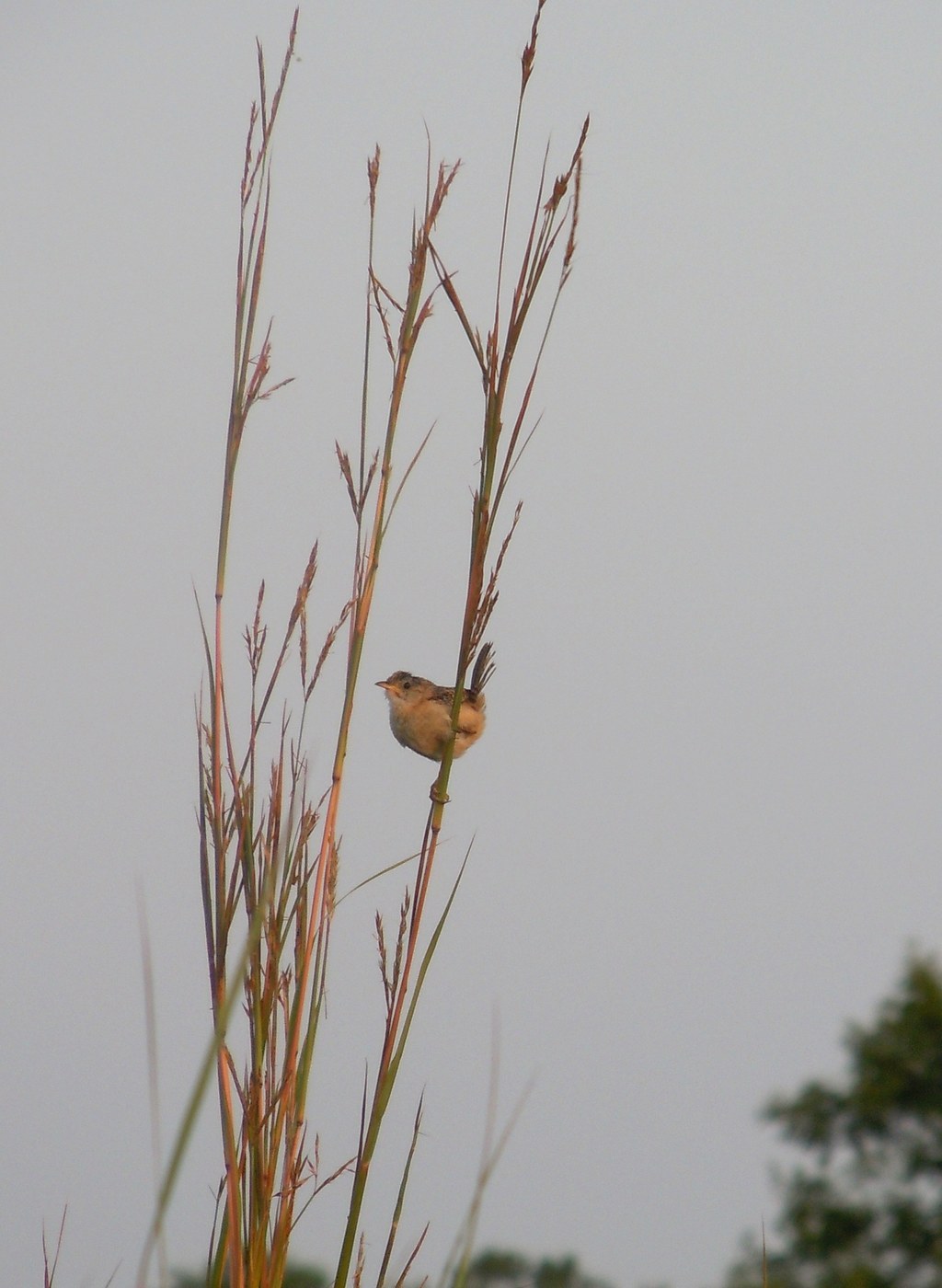
Sedge Wren
Tiny streaked crown and back feathers

Yellow-winged Cacique
Glossy black body feathers, yellow wing patch, shaggy crest

Yellow Warbler
Small contour and flight feathers
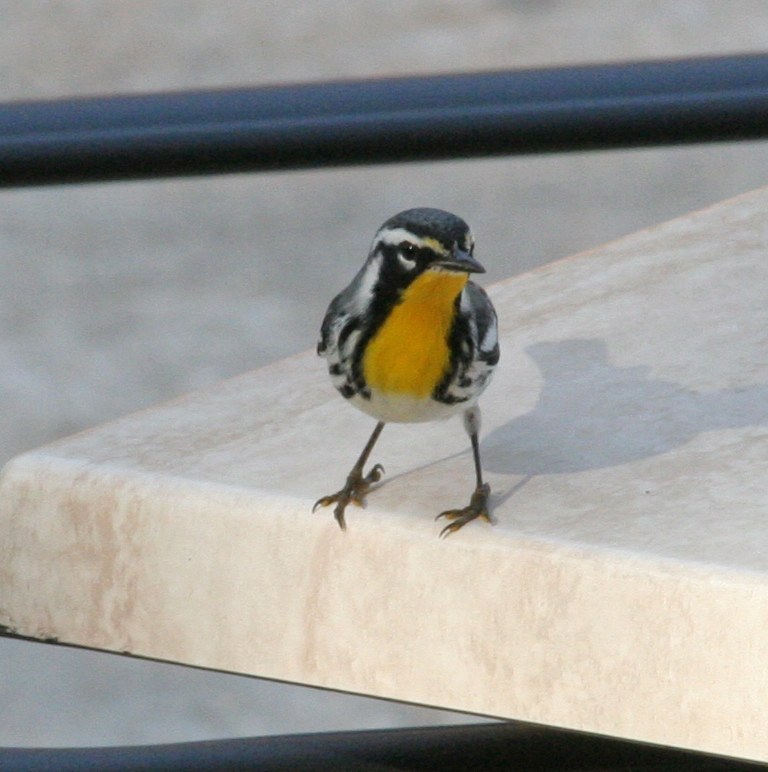
Yellow-throated Warbler
Small contour and flight feathers
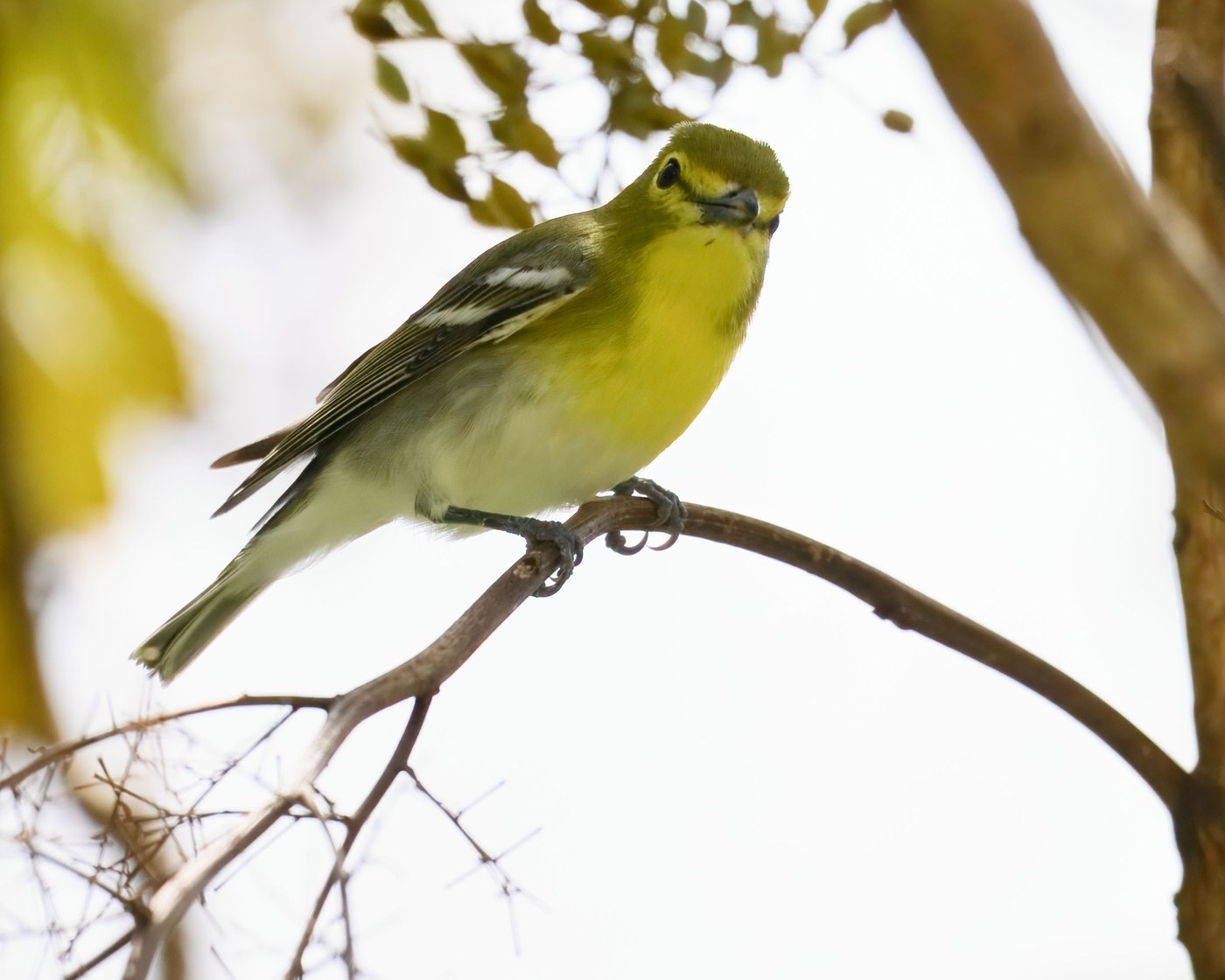
Yellow-throated Vireo
Bright yellow throat and spectacle feathers; olive-green back feathers; two white wing-bar feathers

Yellow-rumped Warbler
Small contour and flight feathers
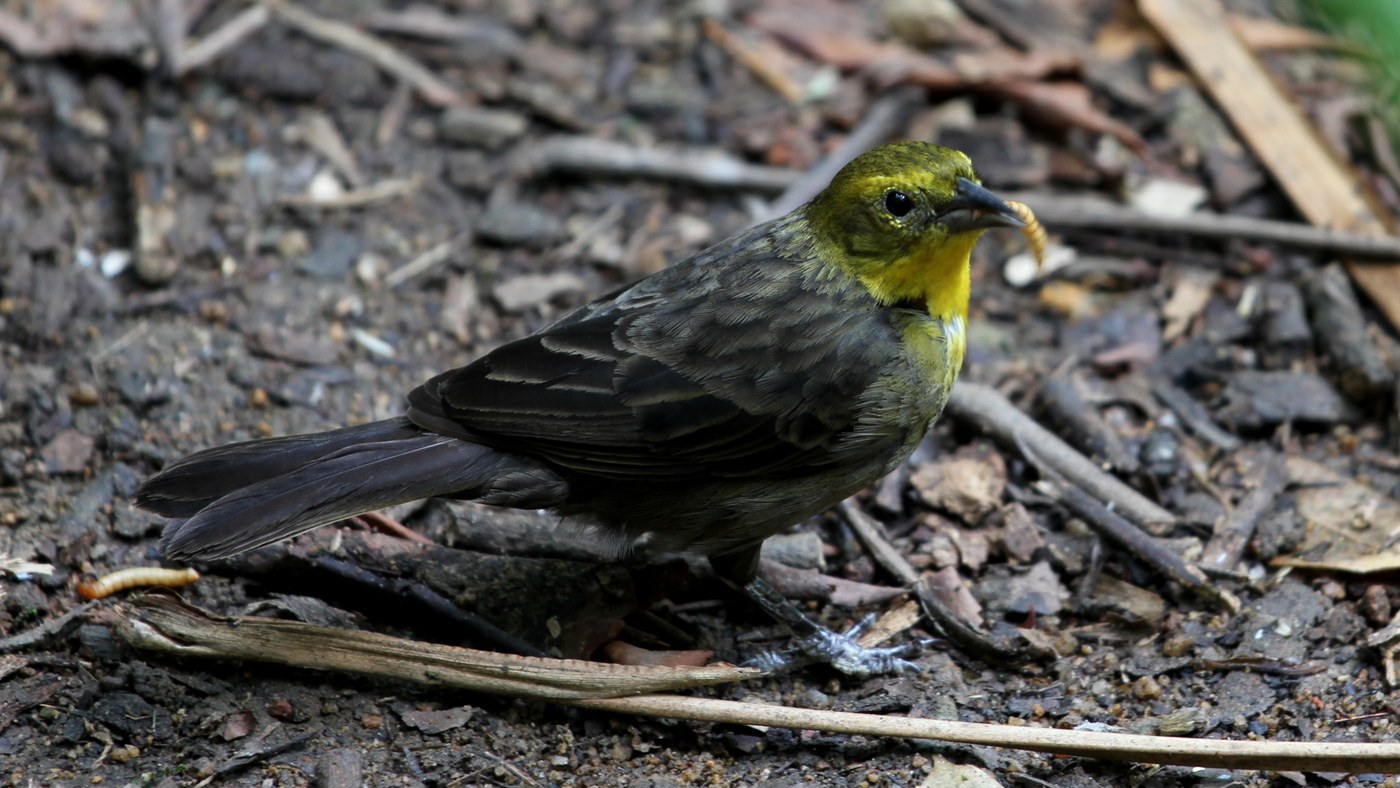
Yellow-hooded Blackbird
Contrasting hood and body feathers
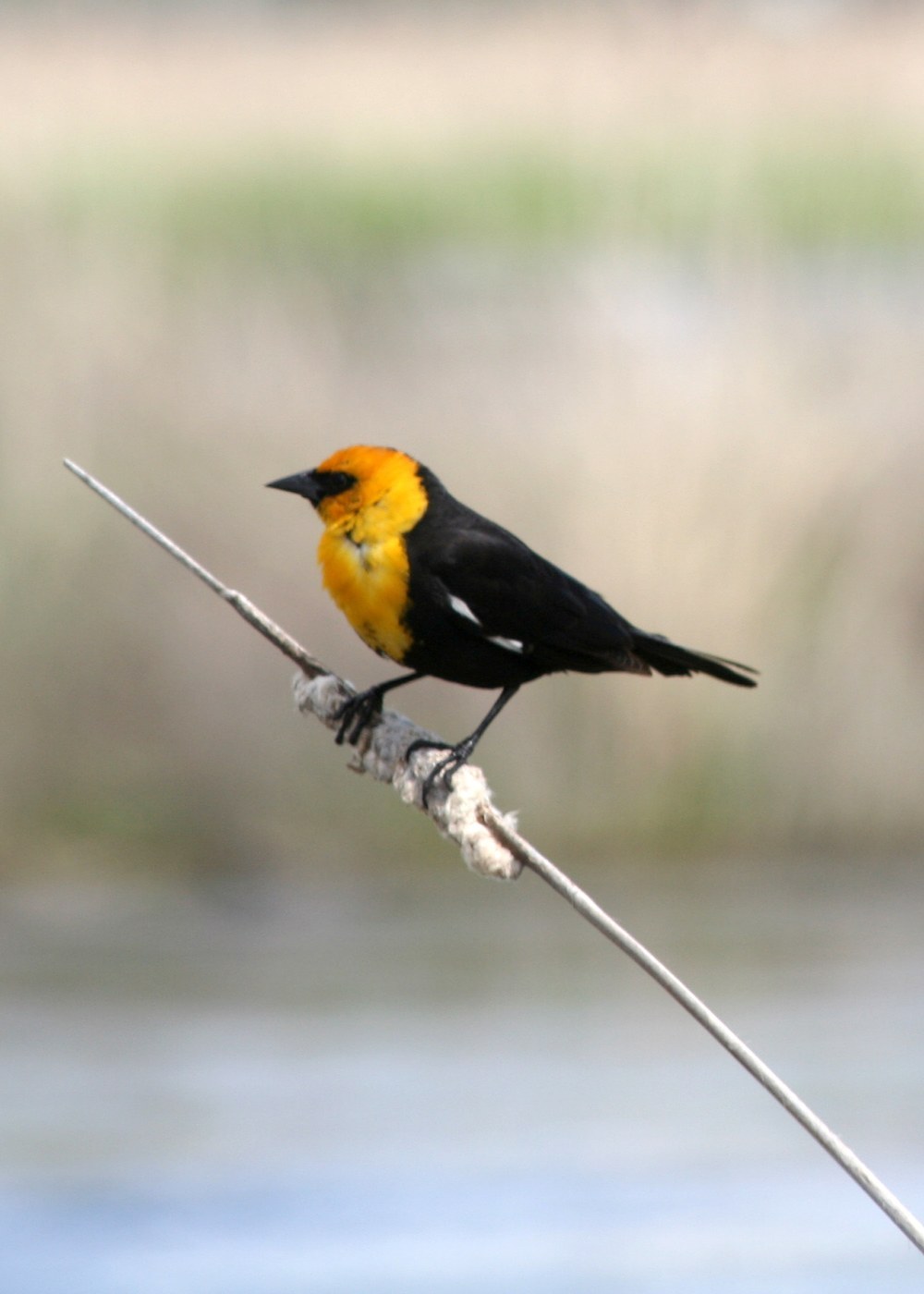
Yellow-headed Blackbird
Glossy black body plumage with a bright yellow head and breast

Yellow-eyed Junco
Contour and flight feathers

Yellow-fronted Canary
Small, smooth body plumage

Yellow-breasted Greenfinch
Compact, smooth body plumage