

Franklin's Gull
Leucophaeus pipixcan
A small, elegant gull of interior prairie wetlands, known for its bold white eye crescents, black hood, and one of the longest migrations of any gull, wintering as far south as the coasts of South America.
- Feather type
- Body, wing covert, and flight feathers
- Colours
- Slate-gray mantle, white underparts, black wingtips with a white band
- Bird size
- Small-medium gull, ~32-36 cm
Found a feather like this?
Identify any feather from a photo, free.
Overview
Overview
Franklin's Gull is a small-to-medium gull that breeds in dense colonies in freshwater marshes across the northern Great Plains and adjacent prairie provinces of Canada. It undertakes one of the longest migrations of any gull species, traveling from interior North America to wintering grounds along the Pacific coast of South America. Distinctive features include bold white crescents above and below the eye and a wingtip pattern that includes a clean white band separating the black tip from the gray of the wing, a useful mark distinguishing it from the similar Laughing Gull.
In breeding plumage the species shows a soft pinkish blush on the underparts, a feature shared with only a few other gulls, adding to its delicate appearance compared to bulkier gull species.
Identifying the Feather
Feather Identification
- Wing feathers: Primaries show black tips separated from the gray wing by a distinct white band or set of white "mirrors," a pattern more contrasting than the solid black wingtips of the similar Laughing Gull.
- Size and shape: Flight feathers are moderately slender, consistent with a light, agile flight; the wing appears three-toned (gray, white band, black tip) in good light.
- Mantle and covert feathers: Medium slate-gray, slightly paler than Laughing Gull, contrasting with white underparts.
- Head feathers: Black hood feathers show bold white crescents immediately above and below the eye, visible even at a distance and present in both breeding and (reduced) nonbreeding plumage.
- Compared to similar species: Laughing Gull lacks the white band near the wingtip and the white eye crescents, and has a heavier bill; Franklin's Gull is smaller overall with a more delicate bill.
Plumage & Molt
Plumage Details
Breeding adults show a black hood, bold white eye crescents, a slate-gray back, and white underparts often tinged with a pale pink wash. The bill and legs are dark red. In nonbreeding plumage the hood is largely lost, replaced by a dusky half-hood or smudge on the head, but the white eye crescents typically remain visible, a useful year-round field mark. Juveniles are brownish above with a dark tail band and pale underparts, molting through a gray-backed immature plumage before acquiring the full adult pattern, including complete wingtip markings, by the second or third year. The prealternate molt into full breeding hood occurs on or near the wintering grounds before spring migration.
Habitat & Range
Habitat & Range
Franklin's Gull breeds in large colonies in freshwater marshes with extensive stands of emergent vegetation across the northern prairies of the United States and the prairie provinces of Canada. After breeding it migrates overland in large flocks, often associated with agricultural fields, before continuing to wintering grounds primarily along the Pacific coast of Central and South America, with some remote records elsewhere. It is rarely seen along ocean coasts within North America except as a scarce migrant.
Behavior & Field Notes
Behavior & Field Notes
Franklin's Gull forages both over water and over land, following farm machinery to catch disturbed insects, and taking aquatic invertebrates from marshes. It nests colonially, building floating or emergent platform nests anchored to marsh vegetation, often alongside grebes and other marsh-nesting waterbirds. Flocks form dense, swirling groups during migration, sometimes numbering in the thousands as they move between breeding and wintering areas. The call is a nasal, laughing "kruh" or "weeh-ah," softer and higher-pitched than that of Laughing Gull. Observers should look for the combination of white eye crescents and a banded wingtip pattern to confirm this species.
Frequently asked questions
How does Franklin's Gull differ from the Laughing Gull in the field?
Franklin's Gull is smaller, shows bold white crescents above and below the eye, and has a white band separating the black wingtip from the gray wing, whereas Laughing Gull lacks the eye crescents and has a solid black wingtip.
Why is Franklin's Gull's migration notable?
It undertakes one of the longest migrations of any gull, traveling from prairie marshes in interior North America to wintering areas along the Pacific coast of South America.
What does the pink wash on the underparts indicate?
The pale pink tinge seen on the breast of some breeding adults is a natural plumage feature of this species and does not indicate age or health status.
Where would I typically find nesting Franklin's Gulls?
In large colonies within freshwater marshes on the northern Great Plains and prairie provinces, often nesting on floating vegetation alongside grebes and other marsh birds.
Franklin's Gull guides
In-depth guides for identifying and understanding Franklin's Gull.

Other feathers you may enjoy

Western Gull
Body, flight, and tail feathers
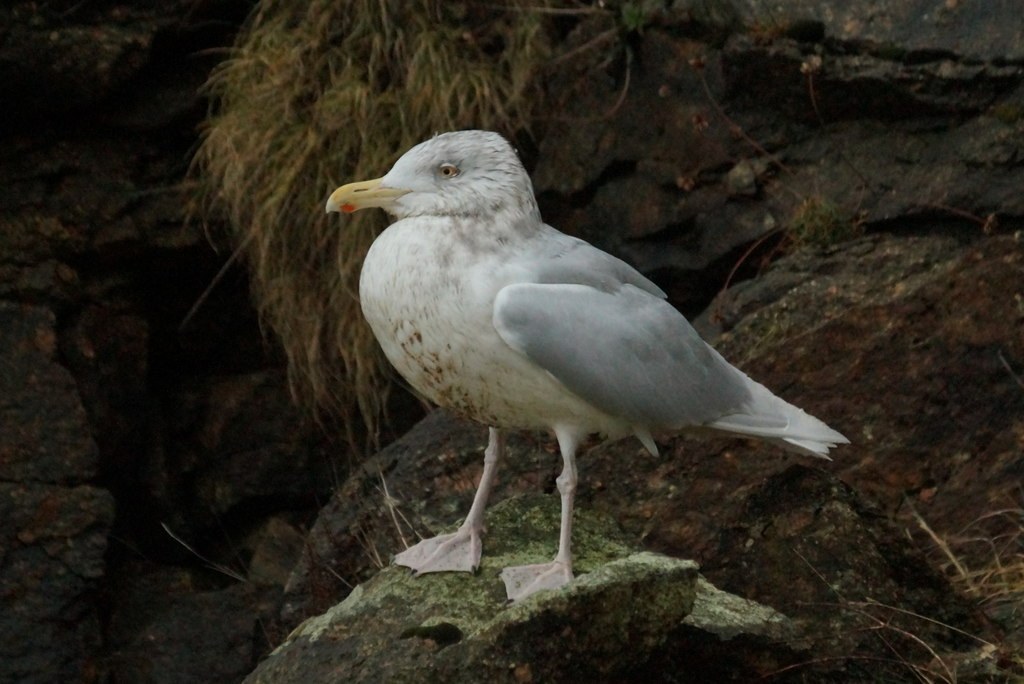
Glaucous Gull
Body, flight, and tail feathers

American Herring Gull
Body, flight, and tail feathers

Great Black-backed Gull
Body, flight, and tail feathers

Common Gull
Body, flight, and tail feathers
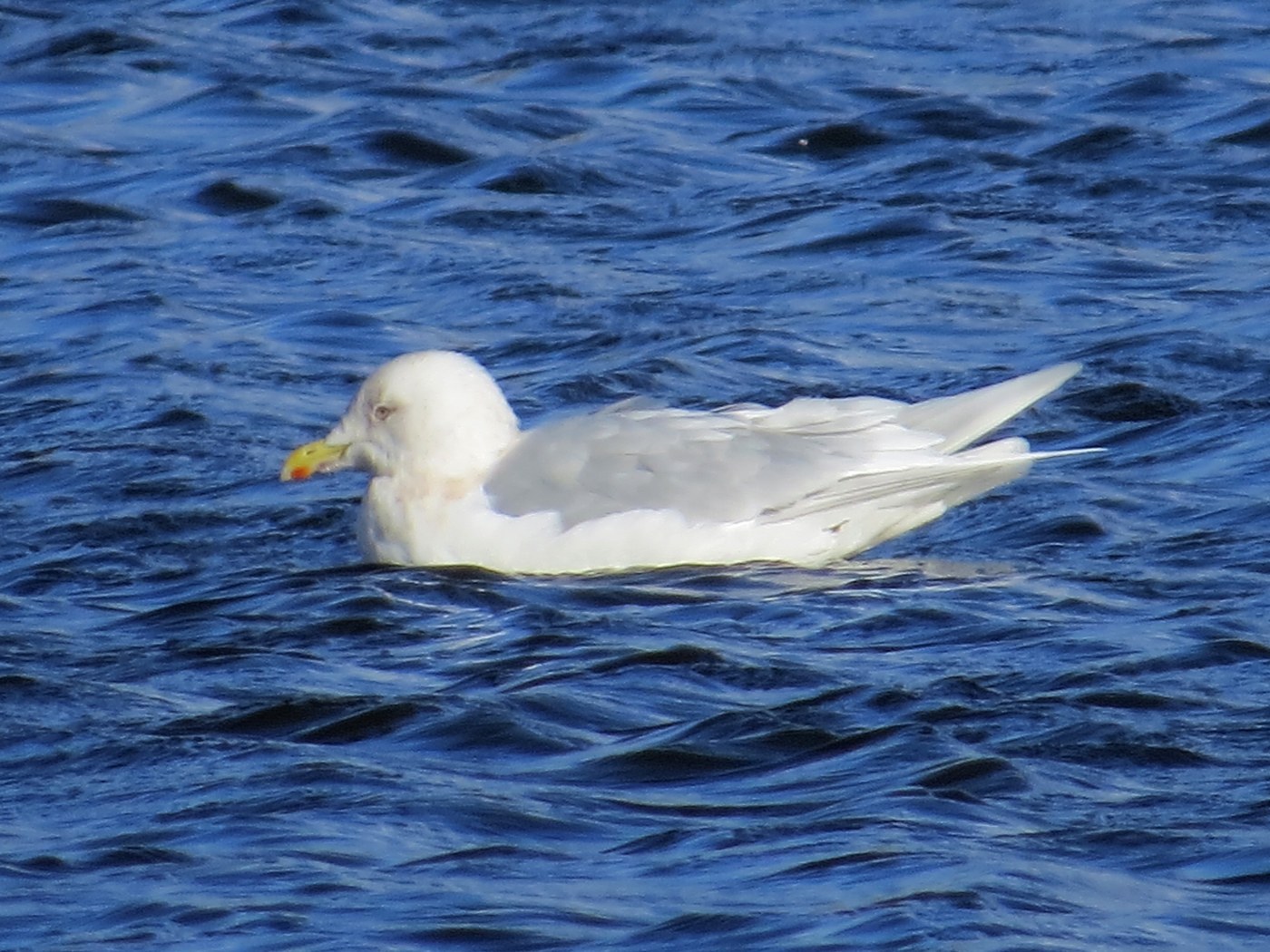
Iceland Gull
Body, flight, and tail feathers

Ring-billed Gull
Body, flight, and tail feathers

Glaucous-winged Gull
Body, flight, and tail feathers

Herring Gull
Body, flight, and tail feathers

Lesser Black-backed Gull
Body, flight, and tail feathers

California Gull
Body, flight, and tail feathers
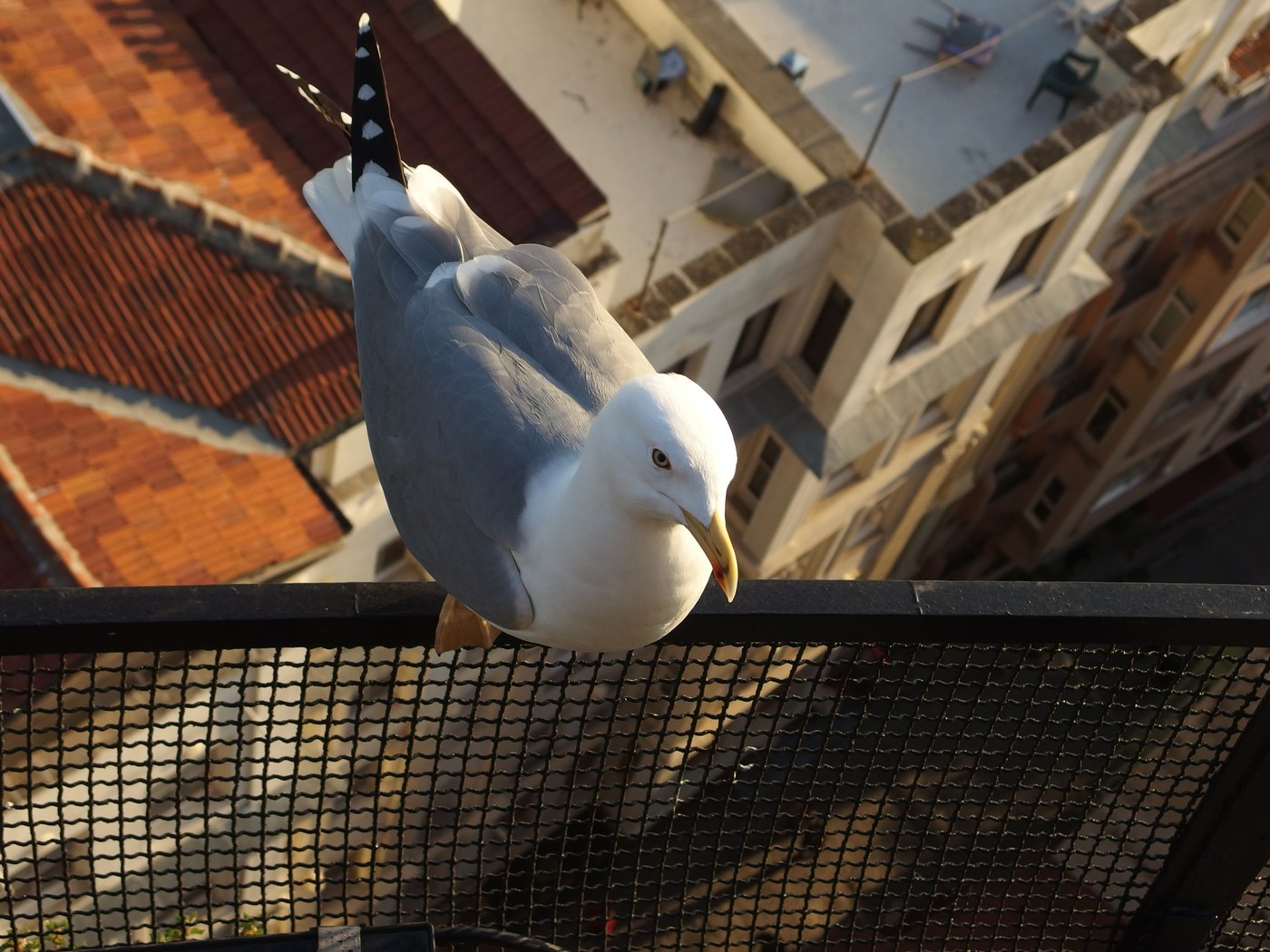
Yellow-legged Gull
Body, wing covert, and flight feathers