

Giant Cowbird
Molothrus oryzivorus
The largest of the cowbirds, a big-bodied blackbird relative that parasitizes the colonial nests of oropendolas and caciques throughout Central and South America.
- Feather type
- Large glossy body and ruffed neck feathers
- Colours
- Black with a faint greenish-purple sheen
- Bird size
- Large, ~33-38 cm
Found a feather like this?
Identify any feather from a photo, free.
Overview
Overview
The Giant Cowbird is the largest species in the cowbird group, distinguished by its bulky build, ruffed neck feathers, and red eyes. Unlike smaller cowbirds that parasitize a broad range of songbirds, the Giant Cowbird specializes in parasitizing the colonial nests of oropendolas and caciques, closely tracking their breeding colonies.
Identifying the Feather
Feather Identification
- Body feathers: Black overall with a subtle greenish-purple gloss, less iridescent than smaller cowbirds
- Neck feathers: Elongated and shaggy, forming a distinctive ruff
- Size: Noticeably larger and heavier than Bronzed or Shiny Cowbird, closer in bulk to a small grackle
- Eye: Red in adults
- Similar species: Best told from other cowbirds by its much larger size and heavier bill; from oropendolas by its shorter tail and lack of a pale bill
Plumage & Molt
Plumage Details
Adults are black overall with a subtle greenish-purple gloss and a shaggy ruff of feathers on the neck and upper back. Males are notably larger than females. Juveniles are duller and browner, lacking the adult sheen, and molt into adult plumage over their first year.
Habitat & Range
Habitat & Range
Giant Cowbirds range from southern Mexico through Central America and much of tropical South America. They favor lowland forest edges, clearings, and areas near oropendola or cacique breeding colonies, following these host species closely. The species is largely resident, moving locally in relation to host colony activity.
Behavior & Field Notes
Behavior & Field Notes
Giant Cowbirds are obligate brood parasites that specialize in laying eggs within the hanging colonial nests of oropendolas and caciques. They forage for insects and fruit in forest canopy and edge habitats, often visiting host colonies to monitor nesting activity. Their calls include harsh gurgling and clicking notes, quieter than the elaborate songs of their oropendola hosts.
Frequently asked questions
How big are Giant Cowbird feathers compared to other cowbirds?
They are noticeably larger and heavier than those of Bronzed or Shiny Cowbirds, reflecting the species' status as the largest cowbird.
Which birds does the Giant Cowbird parasitize?
It specializes in laying its eggs in the colonial nests of oropendolas and caciques rather than a broad range of hosts.
How can I tell a Giant Cowbird from an oropendola?
The Giant Cowbird has a shorter tail, darker bill, and shaggier neck ruff compared to the longer-tailed, pale-billed oropendolas it parasitizes.
Where do Giant Cowbirds live?
They range across lowland forest edges and clearings from southern Mexico through Central America to tropical South America.
Giant Cowbird guides
In-depth guides for identifying and understanding Giant Cowbird.

Other feathers you may enjoy

Yellow-breasted Bunting
Contour and flight feathers, chestnut-and-yellow breeding pattern
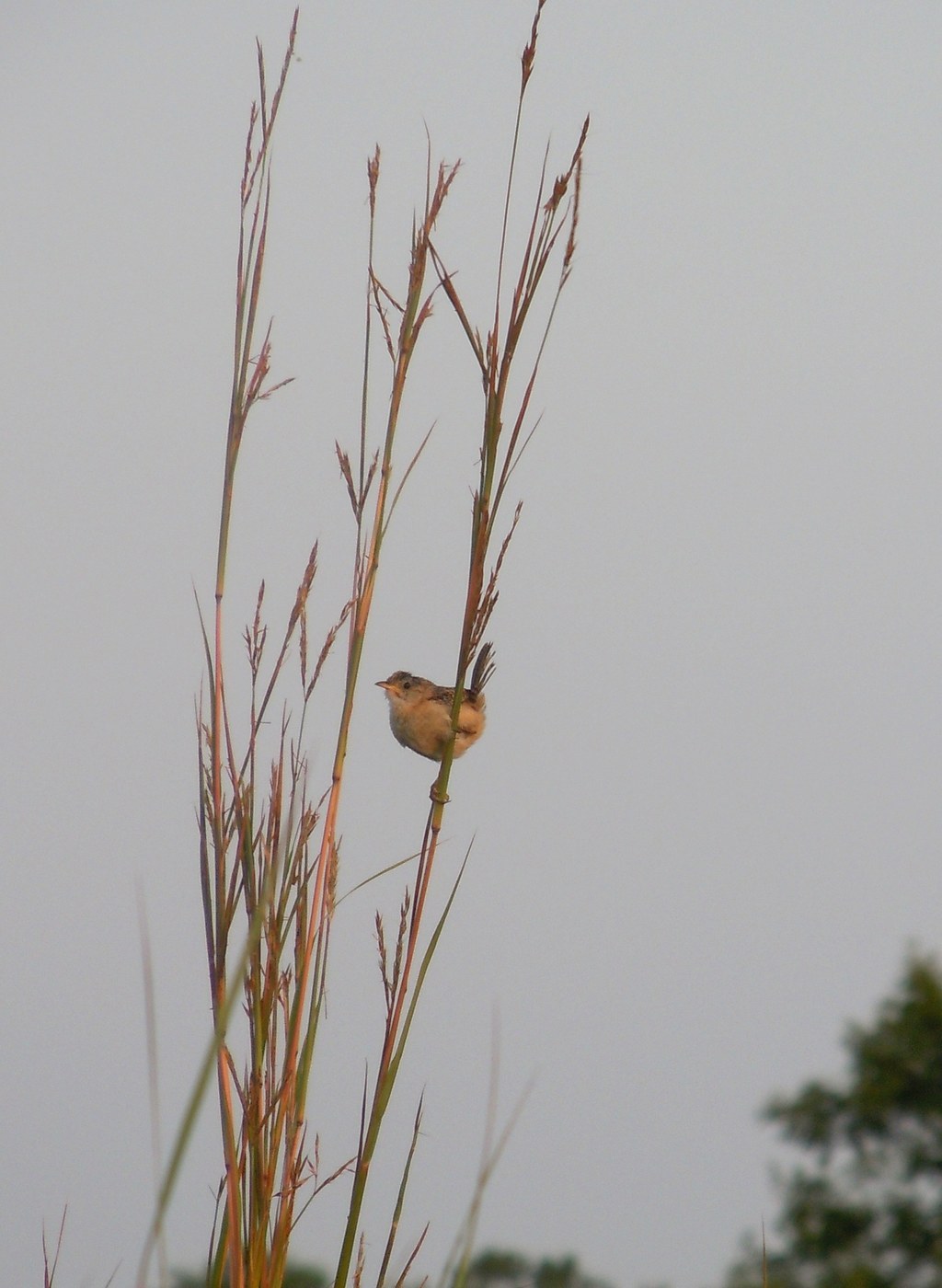
Sedge Wren
Tiny streaked crown and back feathers

Yellow-winged Cacique
Glossy black body feathers, yellow wing patch, shaggy crest

Yellow Warbler
Small contour and flight feathers
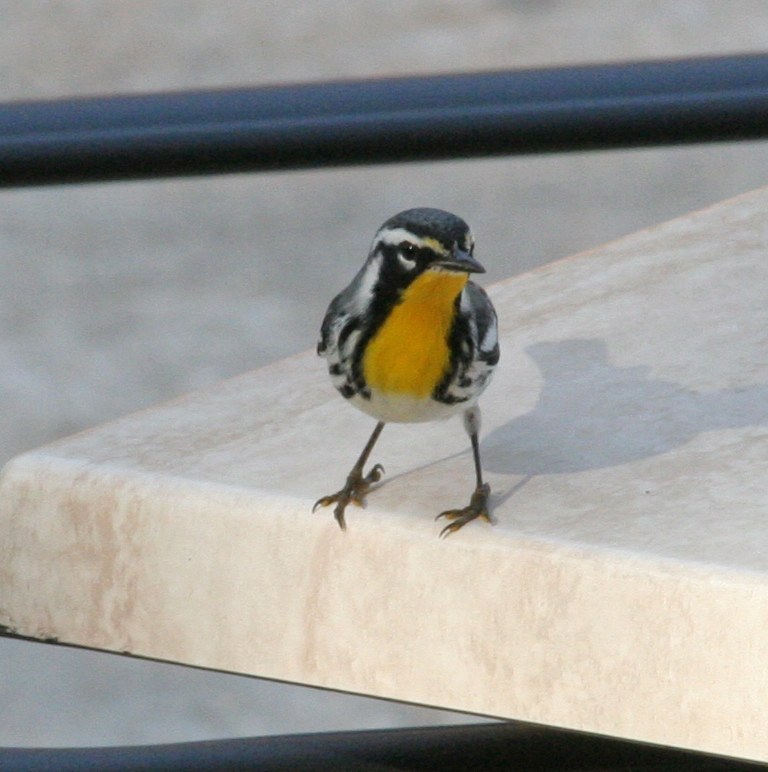
Yellow-throated Warbler
Small contour and flight feathers
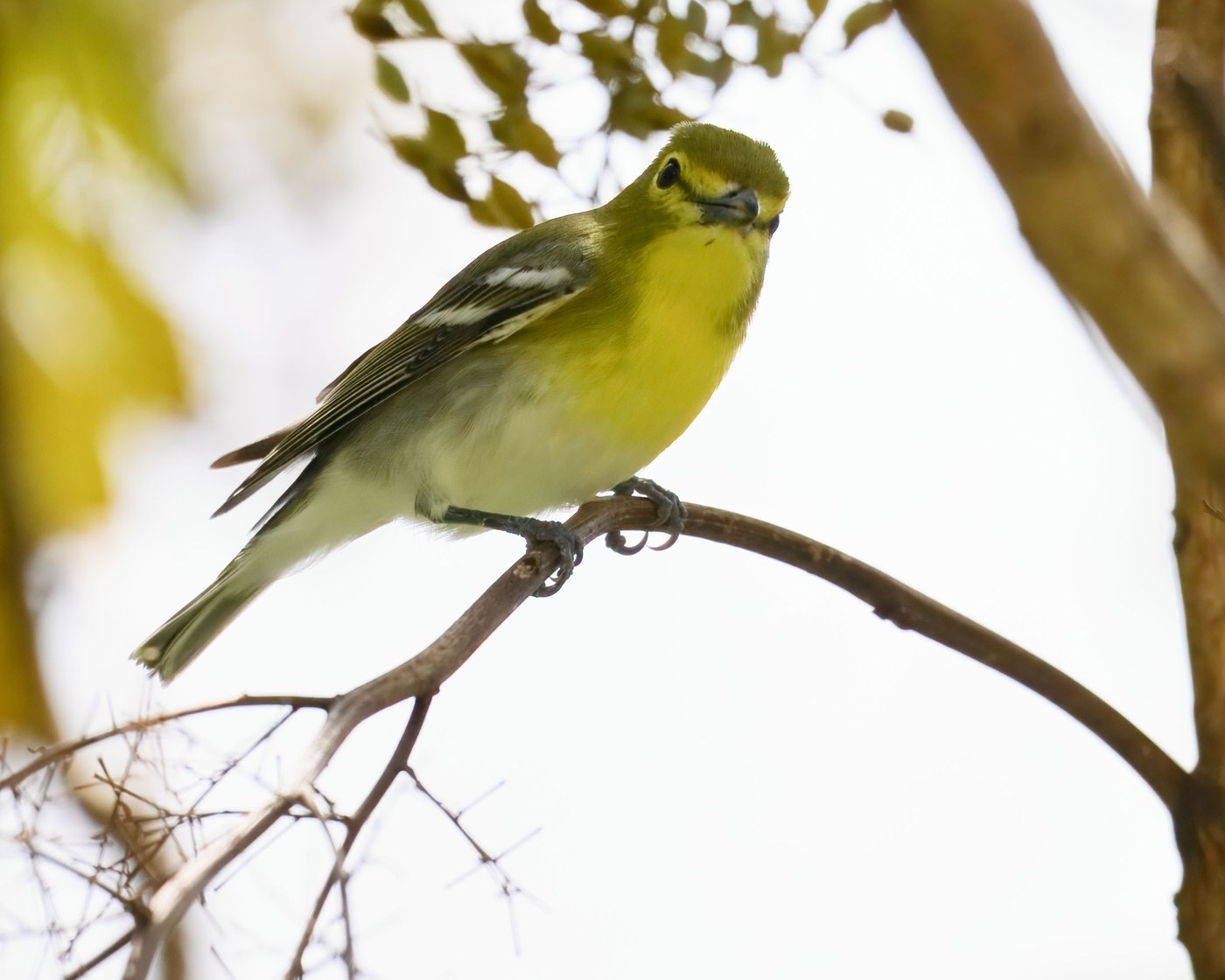
Yellow-throated Vireo
Bright yellow throat and spectacle feathers; olive-green back feathers; two white wing-bar feathers

Yellow-rumped Warbler
Small contour and flight feathers
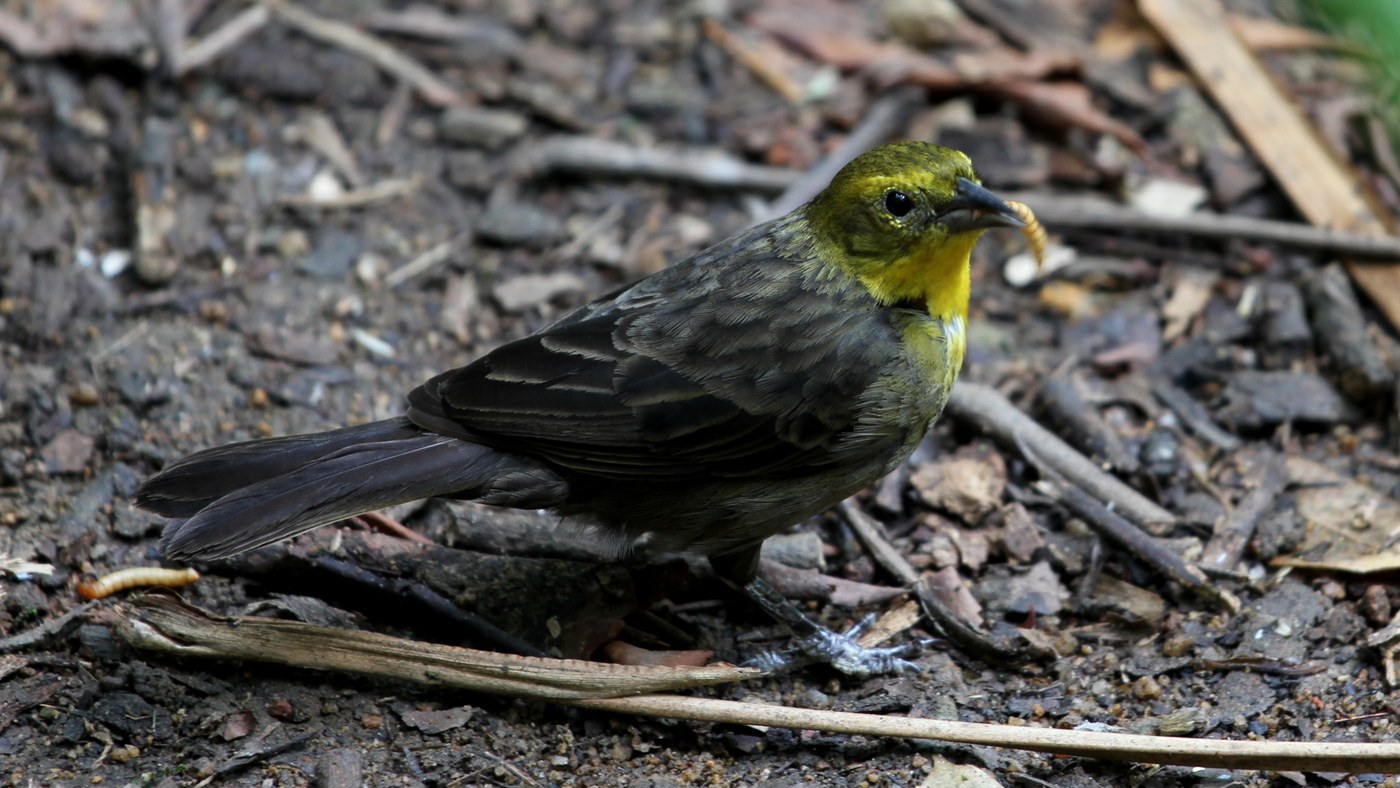
Yellow-hooded Blackbird
Contrasting hood and body feathers
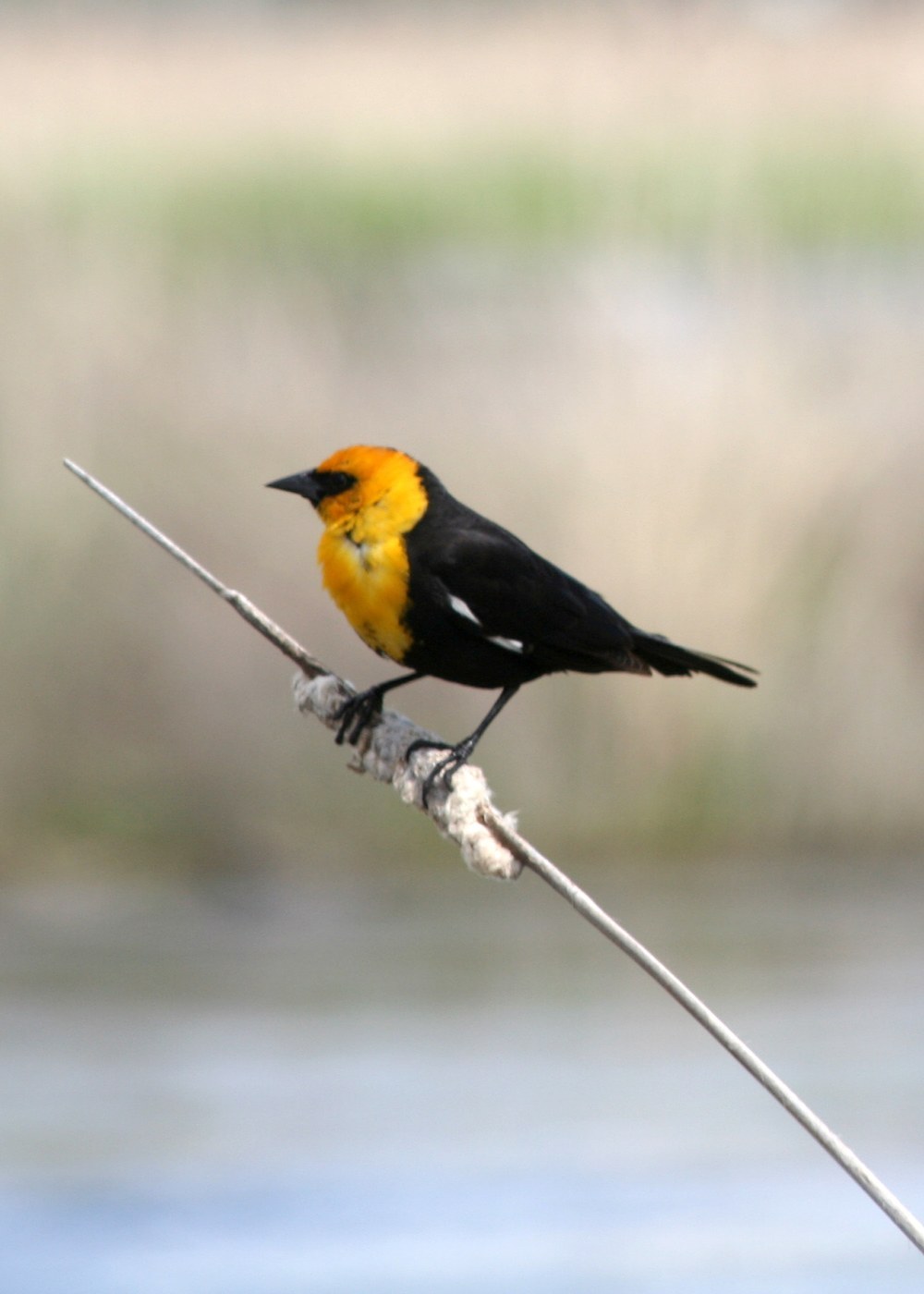
Yellow-headed Blackbird
Glossy black body plumage with a bright yellow head and breast

Yellow-eyed Junco
Contour and flight feathers

Yellow-fronted Canary
Small, smooth body plumage

Yellow-breasted Greenfinch
Compact, smooth body plumage