

Golden-breasted Bunting
Emberiza flaviventris
A brightly marked African bunting with a striped black-and-white head and vivid yellow underparts, common in savanna woodland.
- Feather type
- Striped head feathers with bright yellow breast feathers
- Colours
- Black, white, yellow, and chestnut
- Bird size
- Sparrow-sized, ~15-16 cm
Found a feather like this?
Identify any feather from a photo, free.
Overview
Overview
The Golden-breasted Bunting is widespread across sub-Saharan African savanna and woodland, known for its cheerful yellow underparts contrasting with a sharply striped head. It is one of the more colorful buntings on the continent.
Its adaptability to a range of woodland and savanna habitats makes it a familiar species across much of its range.
Identifying the Feather
Feather Identification
- Head: black-and-white striped pattern, similar to several related African buntings.
- Underparts: bright yellow, extending from the throat to the belly.
- Shoulder: chestnut patch on the wing coverts.
- Upperparts: streaked grey-brown.
The vivid yellow underparts combined with the striped head reliably separate this species from the grey-bellied Cabanis's Bunting, which shares a similar head pattern but lacks the yellow tone below.
Plumage & Molt
Plumage Notes
Sexes are similar, both showing the striped head and yellow underparts, though females may be slightly duller. Juveniles show a paler yellow wash and more diffuse head striping.
A single annual molt follows breeding, with the bright yellow tone generally maintained through the year given limited seasonal plumage change in this species.
Habitat & Range
Habitat & Range
This bunting is widespread across savanna woodland, thornveld, and adjacent scrub throughout much of sub-Saharan Africa, from East Africa south through southern Africa.
Most populations are resident, though some local seasonal movement may occur in response to food and water availability.
Behavior & Field Notes
Behavior & Field Notes
Golden-breasted Buntings forage on the ground and in low woodland vegetation for seeds and insects, often in pairs or small groups, and are frequently seen around woodland edges and clearings.
The nest is built low in shrubs or trees within savanna habitat. The song is a clear, cheerful whistle. The bright yellow underparts paired with the striped head make this one of the more readily identified African buntings.
Frequently asked questions
What is the standout feather feature of the Golden-breasted Bunting?
Bright yellow underparts combined with a black-and-white striped head are the most distinctive features.
How does it differ from Cabanis's Bunting?
The Golden-breasted Bunting shows vivid yellow underparts, while Cabanis's Bunting has plain grey underparts despite a similar head pattern.
What habitat does this species favor?
It is widespread in savanna woodland, thornveld, and adjacent scrub across much of sub-Saharan Africa.
Is this bunting migratory?
Most populations are resident, with only limited local movement tied to seasonal resource availability.
Golden-breasted Bunting guides
In-depth guides for identifying and understanding Golden-breasted Bunting.

Other feathers you may enjoy

Yellow-breasted Bunting
Contour and flight feathers, chestnut-and-yellow breeding pattern
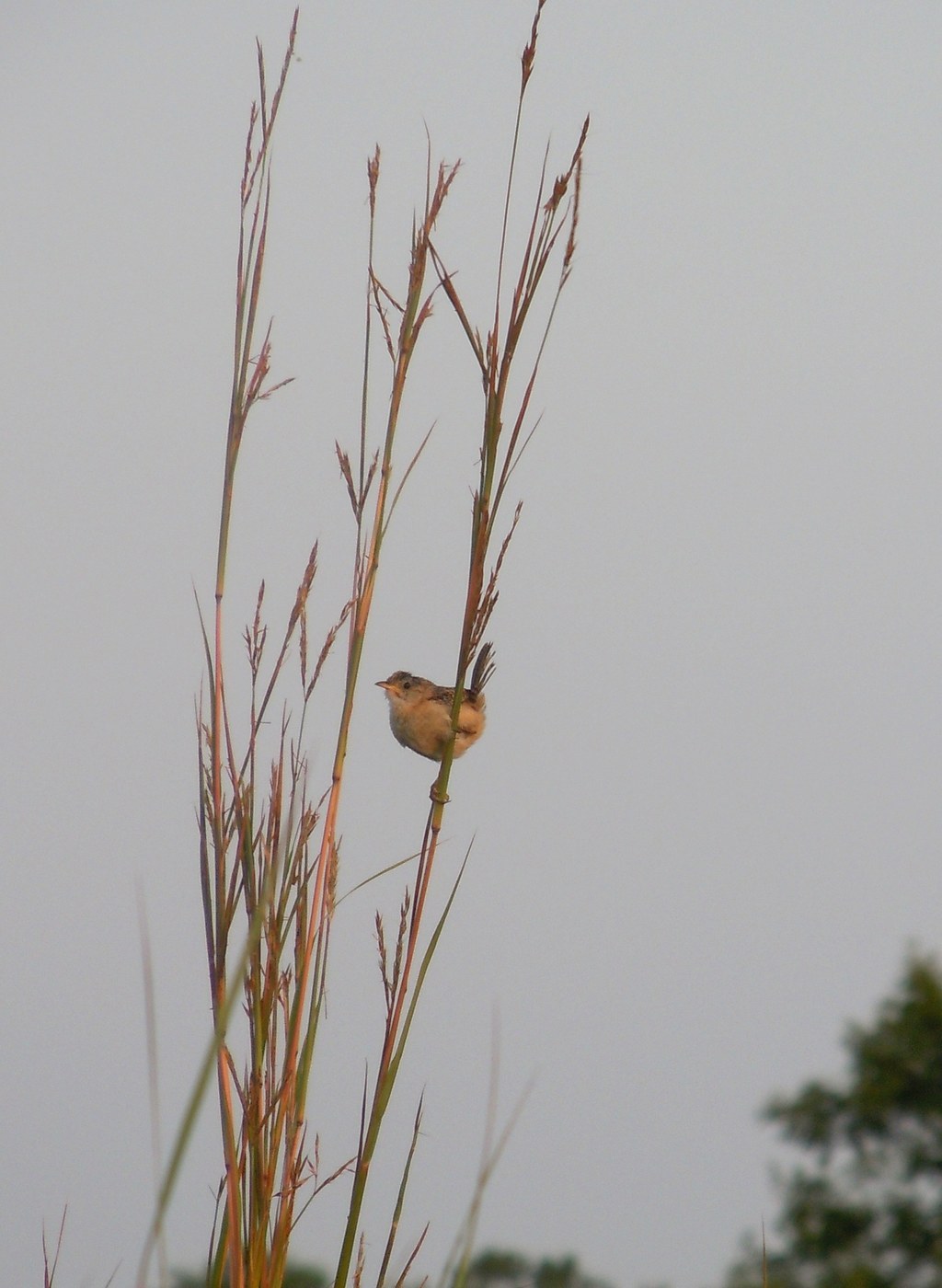
Sedge Wren
Tiny streaked crown and back feathers

Yellow-winged Cacique
Glossy black body feathers, yellow wing patch, shaggy crest

Yellow Warbler
Small contour and flight feathers
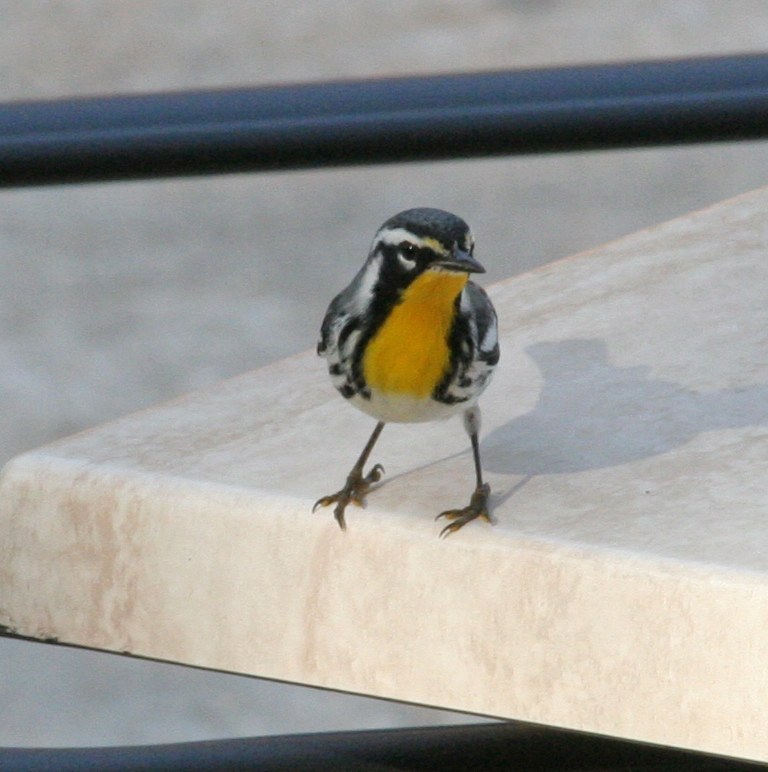
Yellow-throated Warbler
Small contour and flight feathers
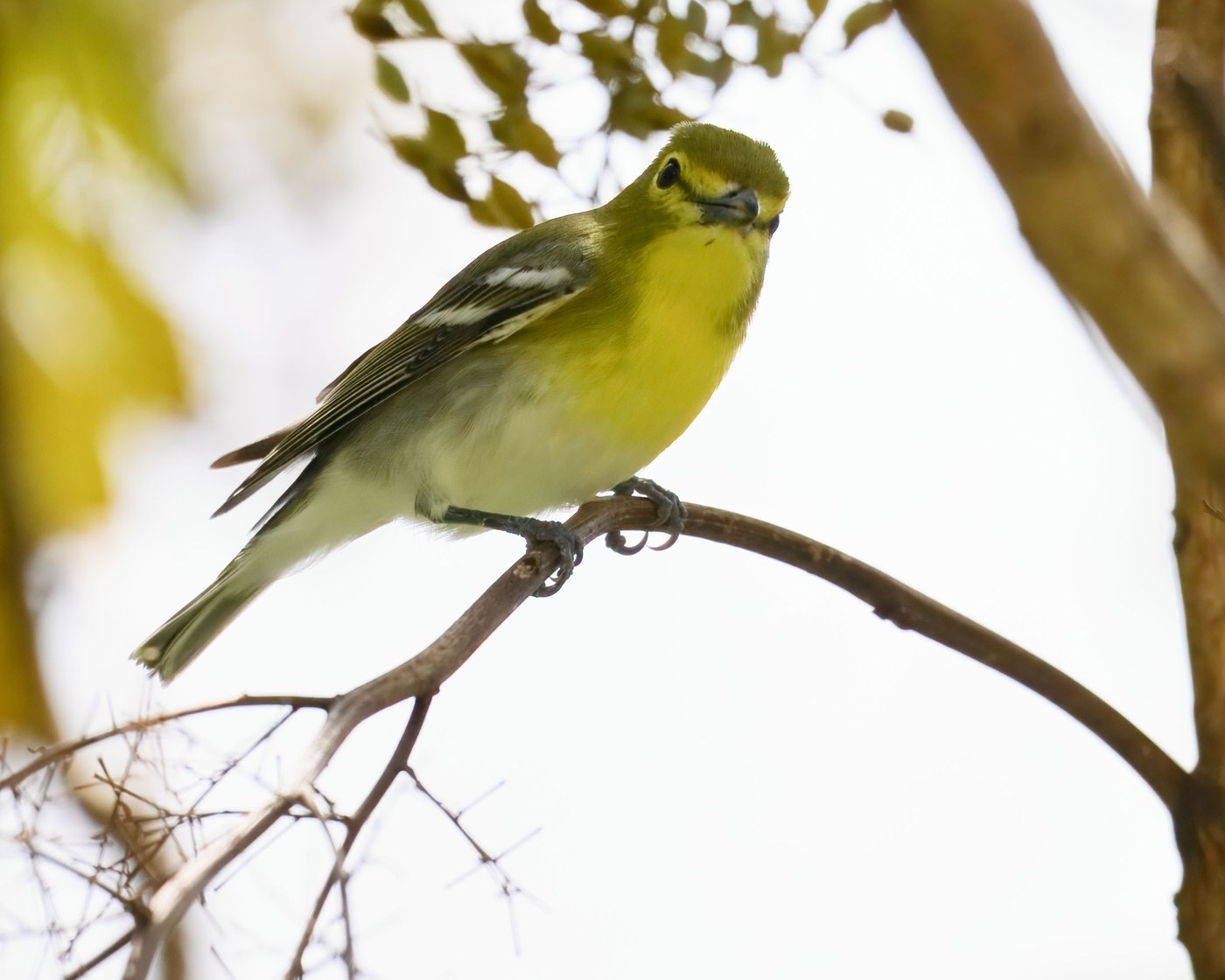
Yellow-throated Vireo
Bright yellow throat and spectacle feathers; olive-green back feathers; two white wing-bar feathers

Yellow-rumped Warbler
Small contour and flight feathers
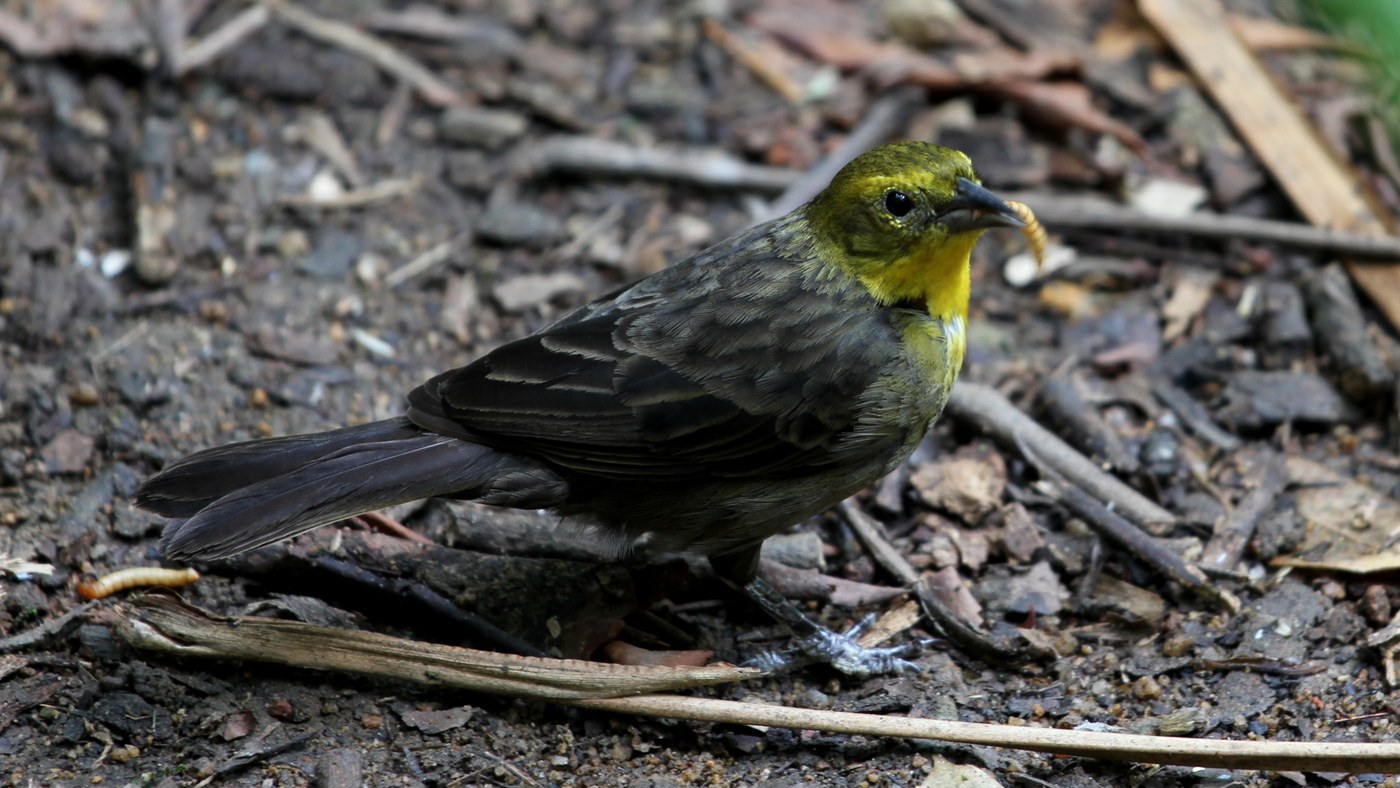
Yellow-hooded Blackbird
Contrasting hood and body feathers
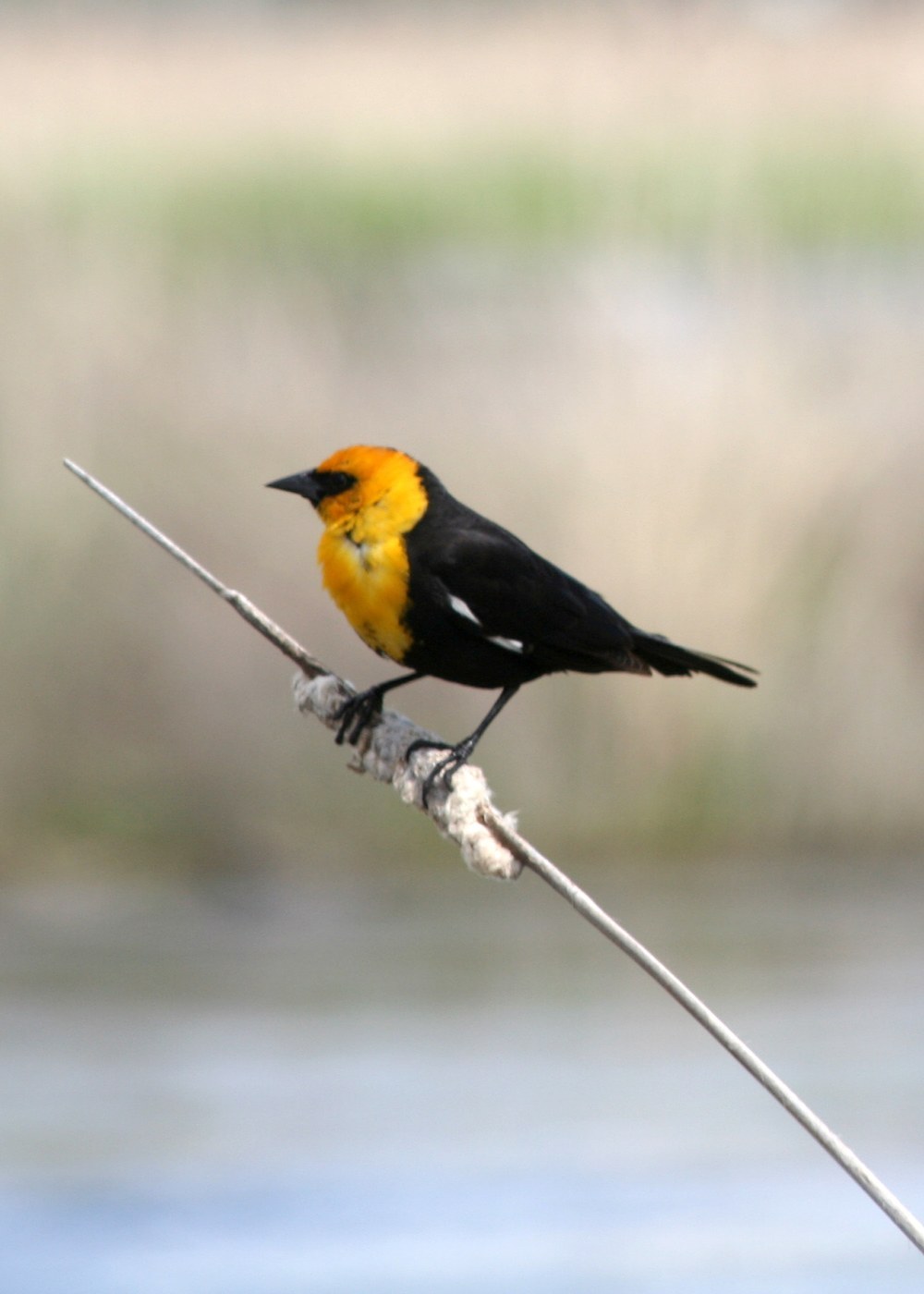
Yellow-headed Blackbird
Glossy black body plumage with a bright yellow head and breast

Yellow-eyed Junco
Contour and flight feathers

Yellow-fronted Canary
Small, smooth body plumage

Yellow-breasted Greenfinch
Compact, smooth body plumage