

Golden-crowned Sparrow
Zonotrichia atricapilla
A large, dark sparrow of the Pacific coast known for its bold black-and-yellow crown stripe in breeding plumage.
- Feather type
- Contour and flight feathers
- Colours
- Olive-brown, gray, black, and yellow
- Bird size
- Sparrow-sized, ~18 cm
Found a feather like this?
Identify any feather from a photo, free.
Overview
Overview
The Golden-crowned Sparrow is a chunky, dark-billed sparrow that breeds in far northwestern Canada and Alaska and winters densely along the Pacific coast. It is often found foraging on the ground in loose flocks, frequently alongside White-crowned Sparrows, with which it shares habitat and general shape.
Its plain gray-brown body and understated markings make the crown pattern the most important field mark, though that pattern is far bolder in breeding adults than in winter birds.
Identifying the Feather
Feather Identification
- Crown feathers: black lateral stripes framing a yellow central stripe that fades to dull olive on the forehead in winter birds
- Body contour feathers: unstreaked olive-brown to gray-brown, giving a soft, unmarked look compared to streaked sparrows
- Wing feathers: dark brown with two whitish to buffy wing bars formed by pale tips on greater and median coverts
- Tail feathers: long, dark brown, and unmarked, contributing to an overall long-tailed silhouette
- Compared to White-crowned Sparrow: Golden-crowned lacks the crisp black-and-white head stripes and pink-orange bill, showing duller yellow-olive crown tones and a dusky bill instead
Plumage & Molt
Plumage Notes
Breeding adults show a striking black crown stripe bordered by broad black lateral stripes, with a bright yellow patch at the front of the crown that dulls toward the nape. Winter and immature birds are much drabber, with the yellow reduced to a faint wash and the black stripes replaced by dull brown, making head pattern subtle rather than bold. The underparts are plain gray with a buffy wash on the flanks, and there is no breast streaking at any age. A single complete molt occurs after breeding, with partial preformative molts in immatures producing the duller first-winter head pattern.
Habitat & Range
Habitat & Range
Golden-crowned Sparrows breed in stunted subalpine and tundra-edge shrub habitat across Alaska and the Yukon. In winter they shift to a narrow coastal band from southern Alaska to Baja California, favoring dense brush, coastal scrub, hedgerows, and suburban thickets. The species is highly migratory between these two ranges but strongly site-faithful in winter, with individuals often returning to the same backyard or thicket in successive years.
Behavior & Field Notes
Behavior & Field Notes
These sparrows forage on the ground and in low shrubs, scratching through leaf litter for seeds and invertebrate food items, often in mixed flocks with other sparrows. They are somewhat shy, retreating quickly into cover when disturbed. The song is a clear, plaintive series of three or four descending whistled notes, often rendered as sounding like "oh dear me," and is frequently heard from wintering flocks in the Pacific states. Nests are open cups built low in shrubs on the breeding grounds, well outside the wintering range where most birders encounter the species.
Frequently asked questions
How can I tell a Golden-crowned Sparrow from a White-crowned Sparrow?
Look at the crown color and bill: Golden-crowned shows a dull yellow-olive crown patch and a dark bill, while White-crowned has crisp black-and-white head stripes and a pinkish or orange bill.
Do winter Golden-crowned Sparrows still show the yellow crown?
The yellow is much reduced and duller in winter and immature birds, often appearing as a faint olive-yellow smudge rather than the bright patch seen in breeding adults.
What kind of habitat is best for finding this species?
Dense coastal brush, hedgerows, and shrubby edges along the Pacific coast in winter, or subalpine shrub tundra in the far north during the breeding season.
Are Golden-crowned Sparrows social birds?
Yes, they typically winter in loose flocks and often associate with White-crowned Sparrows and other ground-foraging songbirds.
Golden-crowned Sparrow guides
In-depth guides for identifying and understanding Golden-crowned Sparrow.

Other feathers you may enjoy

Yellow-breasted Bunting
Contour and flight feathers, chestnut-and-yellow breeding pattern
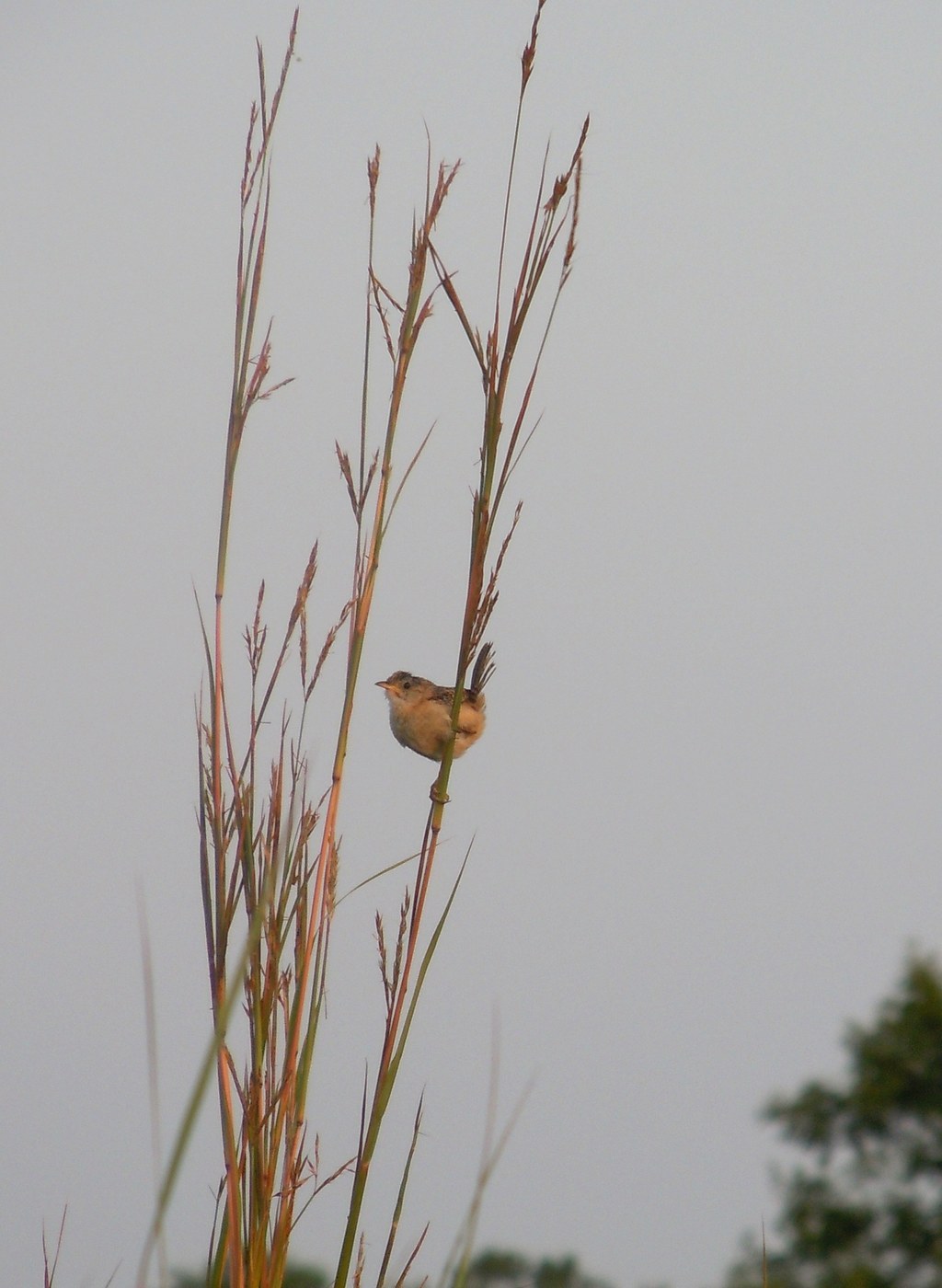
Sedge Wren
Tiny streaked crown and back feathers

Yellow-winged Cacique
Glossy black body feathers, yellow wing patch, shaggy crest

Yellow Warbler
Small contour and flight feathers
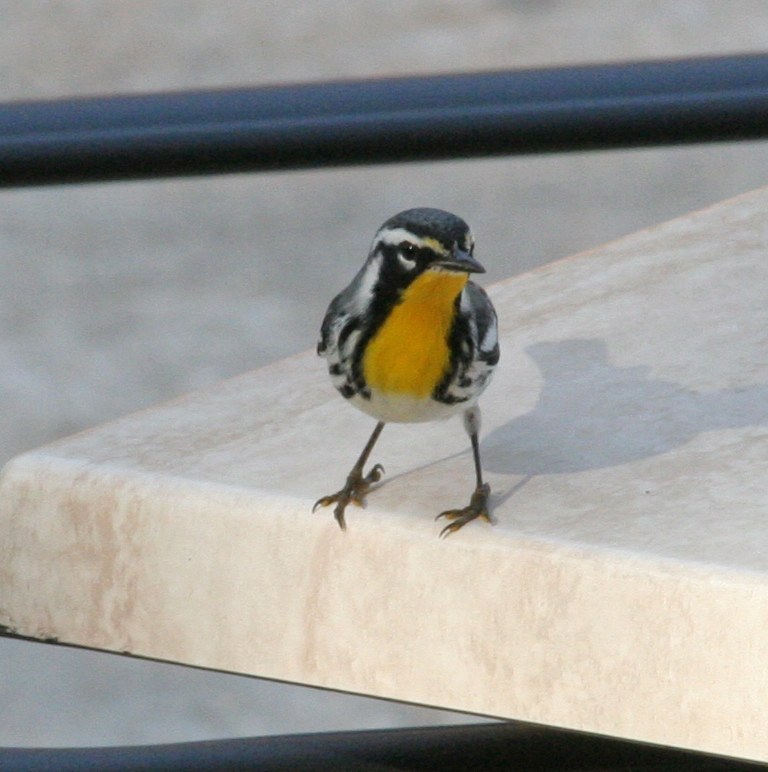
Yellow-throated Warbler
Small contour and flight feathers
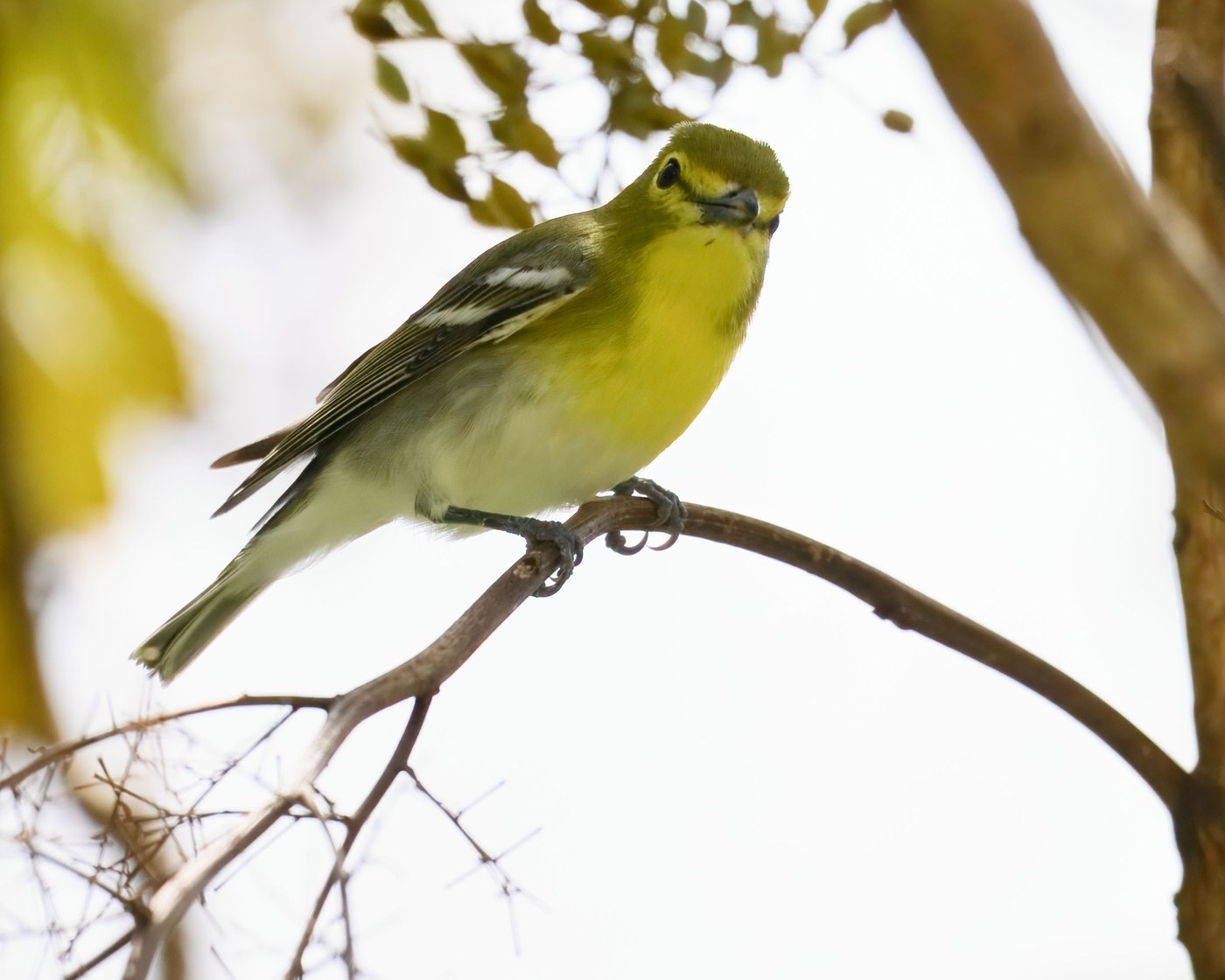
Yellow-throated Vireo
Bright yellow throat and spectacle feathers; olive-green back feathers; two white wing-bar feathers

Yellow-rumped Warbler
Small contour and flight feathers
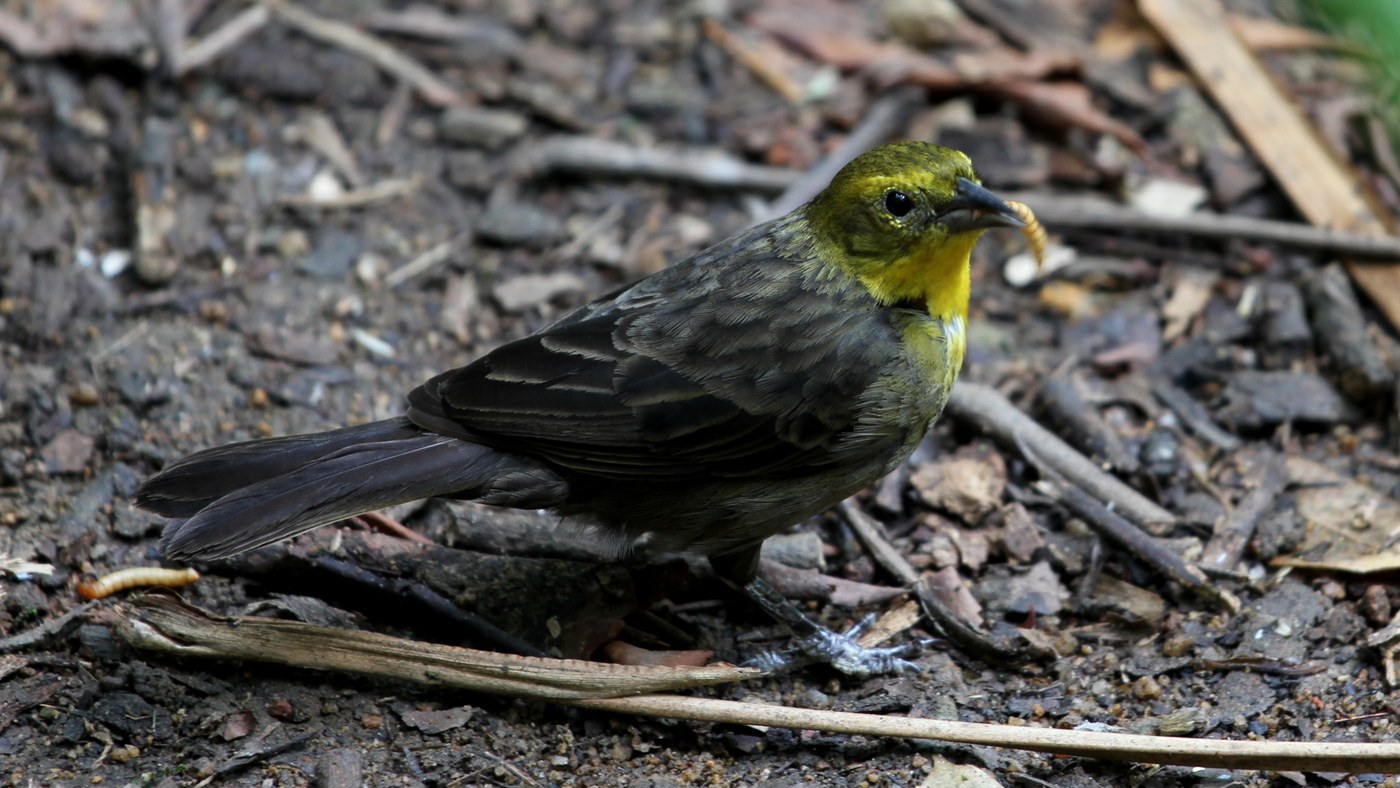
Yellow-hooded Blackbird
Contrasting hood and body feathers
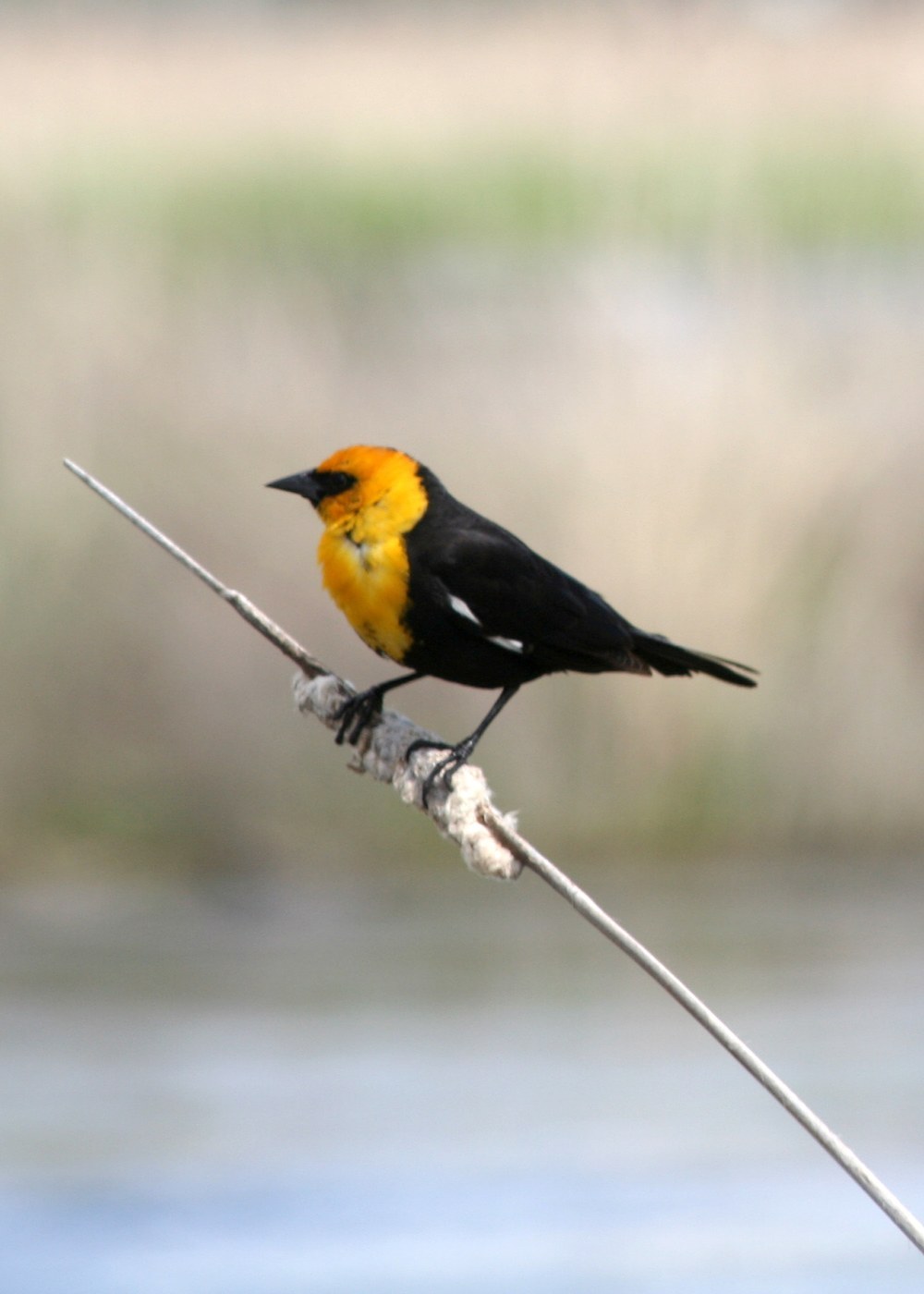
Yellow-headed Blackbird
Glossy black body plumage with a bright yellow head and breast

Yellow-eyed Junco
Contour and flight feathers

Yellow-fronted Canary
Small, smooth body plumage

Yellow-breasted Greenfinch
Compact, smooth body plumage