

Golden-naped Finch
Pyrrhoplectes epauletta
A Himalayan finch, also known by the alternate name Gold-naped Finch, whose male shows a black head brightened by a golden nape patch above a rich orange-brown body.
- Feather type
- Dense, soft body feathers; short rounded wings
- Colours
- Black head, golden-yellow nape patch, orange-brown body (male)
- Bird size
- Sparrow-sized, ~15 cm
Found a feather like this?
Identify any feather from a photo, free.
Overview
Overview
The Golden-naped Finch, the same species sometimes referred to as the Gold-naped Finch, occurs in montane forest of the Himalayas and adjacent mountains of Southeast Asia, favoring habitat with bamboo thickets and dense shrub understory. Males are distinctively patterned with a black head, golden-yellow nape patch, and warm orange-brown body, while females are much duller and cryptic. It typically forages quietly in pairs or small groups within forest understory.
Identifying the Feather
Feather Identification
- Male head feathers are black, sharply set off by a golden-yellow patch across the nape, the species' key diagnostic mark
- Body feathers are warm orange-brown and unstreaked, giving a rich, uniform tone unlike many streaky finches
- Wings are relatively plain and dark, without bold wing bars
- Females lack the black head and golden nape, instead showing an olive-brown head and duller, more subdued body tone
- Bill is short and finch-like, suited to a mixed diet of seeds and buds
- The combination of black head, golden nape patch, and unstreaked orange-brown body separates this species from other Himalayan finches
Plumage & Molt
Plumage Notes
Adult males show a glossy black head, a bright golden-yellow nape patch, and unstreaked orange-brown underparts and back. Females are duller overall, with an olive-brown head lacking the black-and-gold pattern and more muted body tones. Juveniles resemble females. A single annual molt follows breeding, with males acquiring full head pattern with maturity.
Habitat & Range
Habitat & Range
Distributed along the Himalayas and into parts of northern Southeast Asia, favoring montane forest with bamboo thickets and dense shrub understory at middle to high elevations. It shows some altitudinal movement, particularly descending to lower elevations in winter, but does not undertake long-distance migration.
Behavior & Field Notes
Behavior & Field Notes
Golden-naped Finches forage quietly in pairs or small groups within forest understory and bamboo thickets, feeding on seeds, buds, and some insect matter. Nests are built low in dense shrub or bamboo cover. The call is a soft, understated finch-like note, less conspicuous than the loud twittering of open-country finches. It can be inconspicuous despite its bright plumage due to its habit of staying within dense cover.
Frequently asked questions
Is the Golden-naped Finch the same bird as the Gold-naped Finch?
Yes, both names refer to the same species, Pyrrhoplectes epauletta, a Himalayan finch with a black head and golden nape patch.
What is the key feather feature of this species?
A black head set off by a bright golden-yellow nape patch, above unstreaked orange-brown body plumage in males.
Where does the Golden-naped Finch live?
In montane forest with bamboo and shrub understory along the Himalayas and into parts of Southeast Asia.
How do females differ from males?
Females lack the black head and golden nape patch, showing an olive-brown head and more subdued body coloration.
Golden-naped Finch guides
In-depth guides for identifying and understanding Golden-naped Finch.

Other feathers you may enjoy

Yellow-breasted Bunting
Contour and flight feathers, chestnut-and-yellow breeding pattern
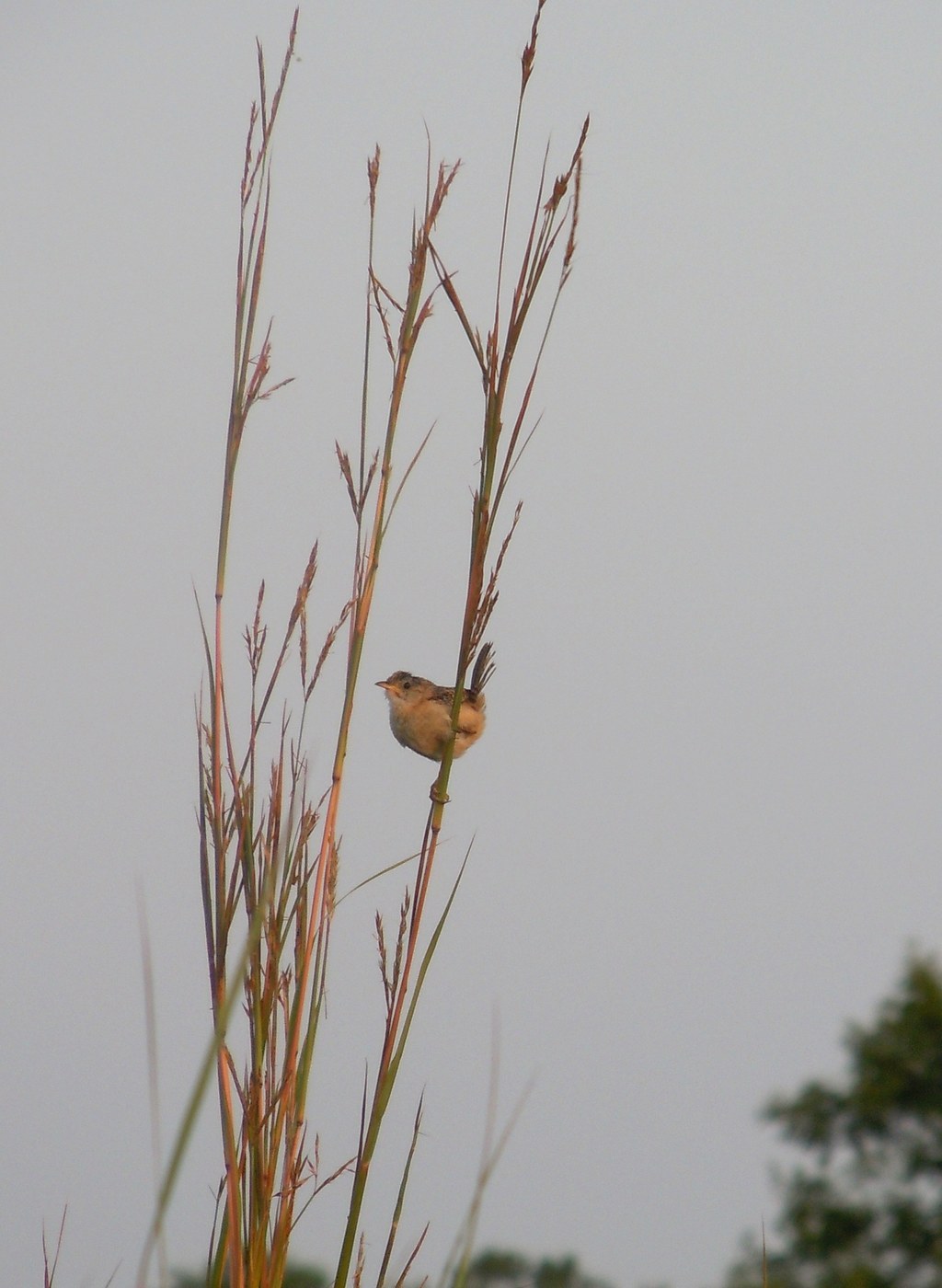
Sedge Wren
Tiny streaked crown and back feathers

Yellow-winged Cacique
Glossy black body feathers, yellow wing patch, shaggy crest

Yellow Warbler
Small contour and flight feathers
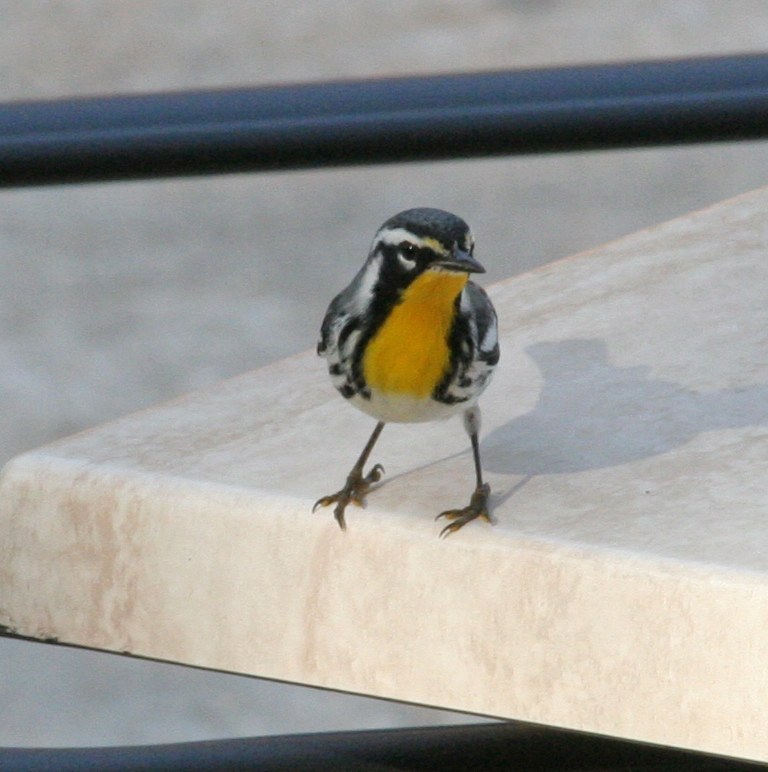
Yellow-throated Warbler
Small contour and flight feathers
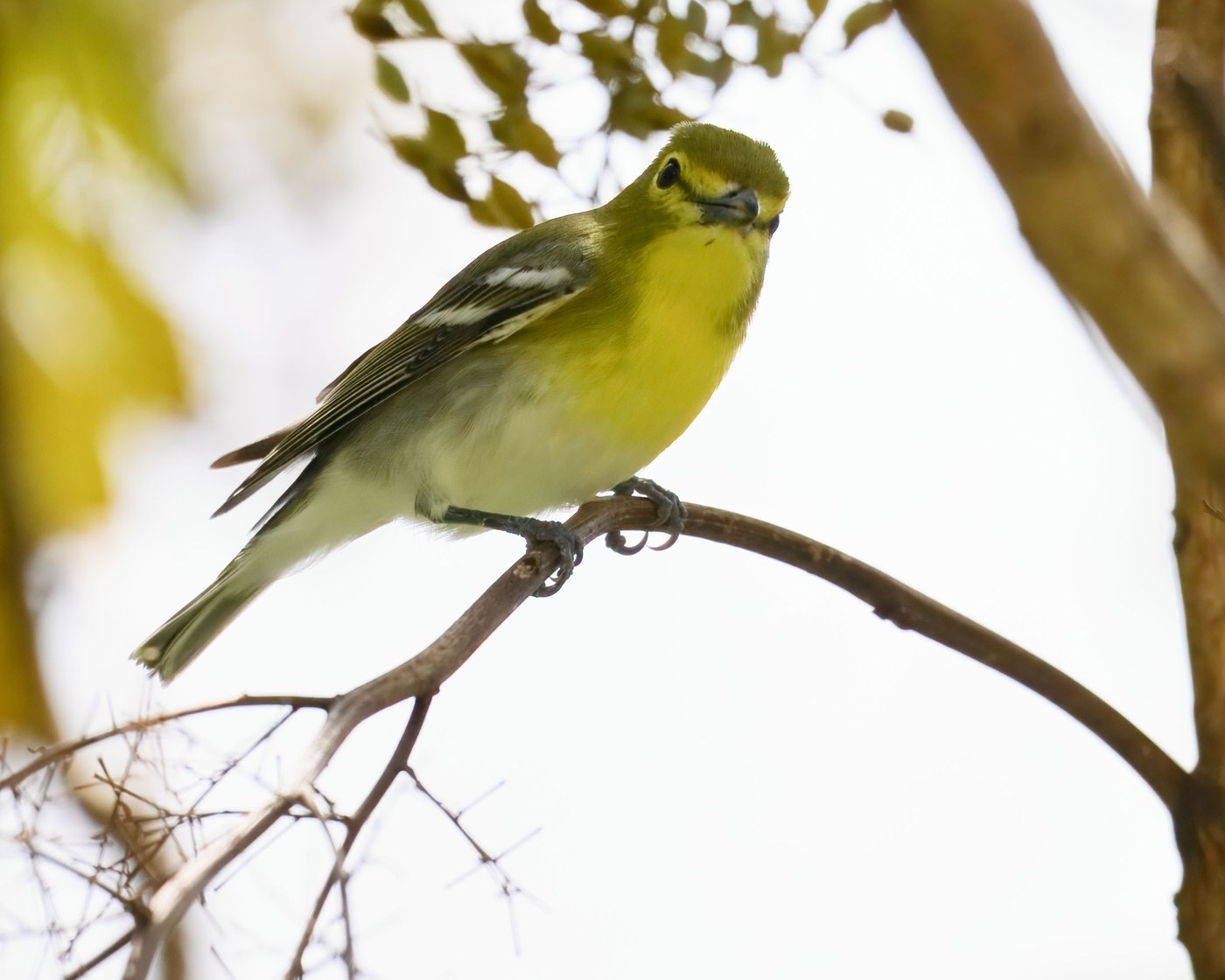
Yellow-throated Vireo
Bright yellow throat and spectacle feathers; olive-green back feathers; two white wing-bar feathers

Yellow-rumped Warbler
Small contour and flight feathers
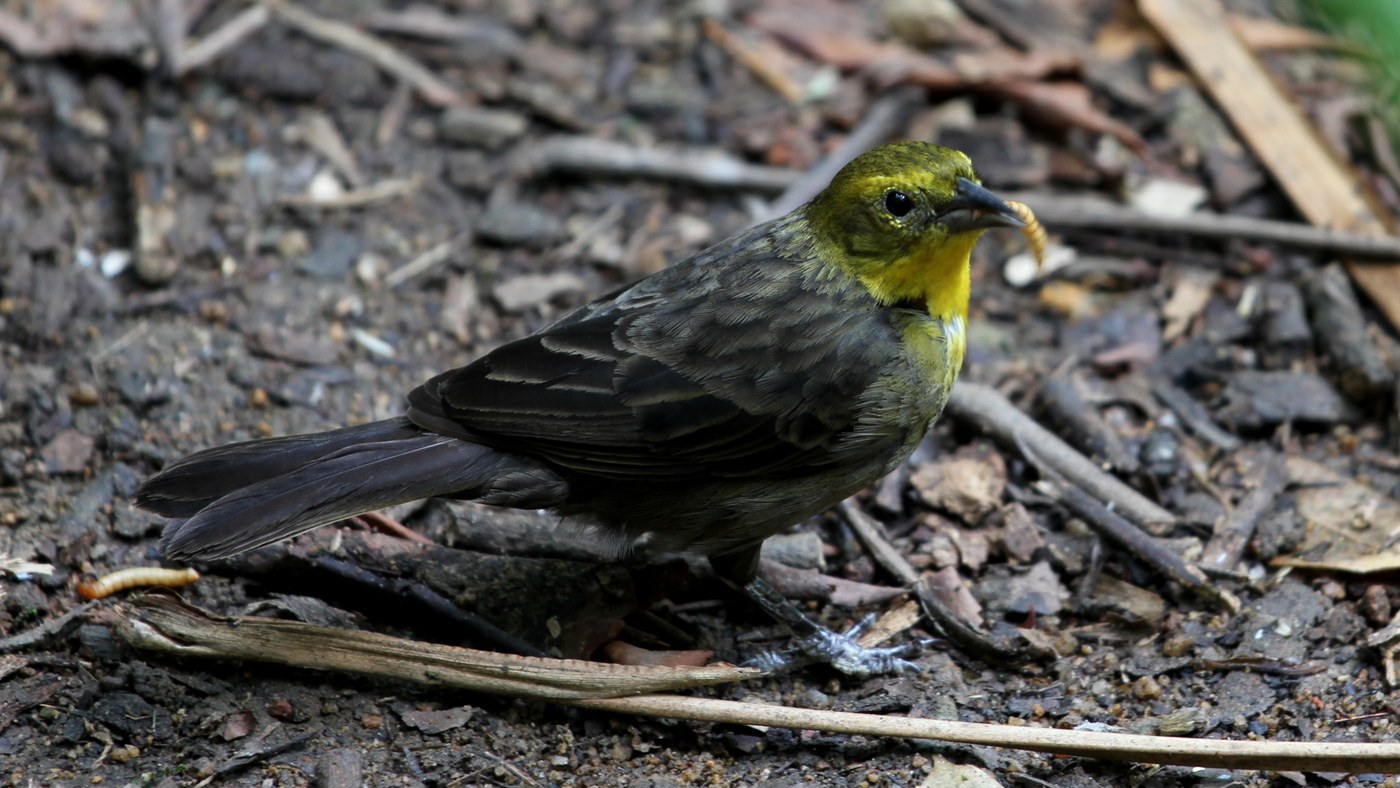
Yellow-hooded Blackbird
Contrasting hood and body feathers
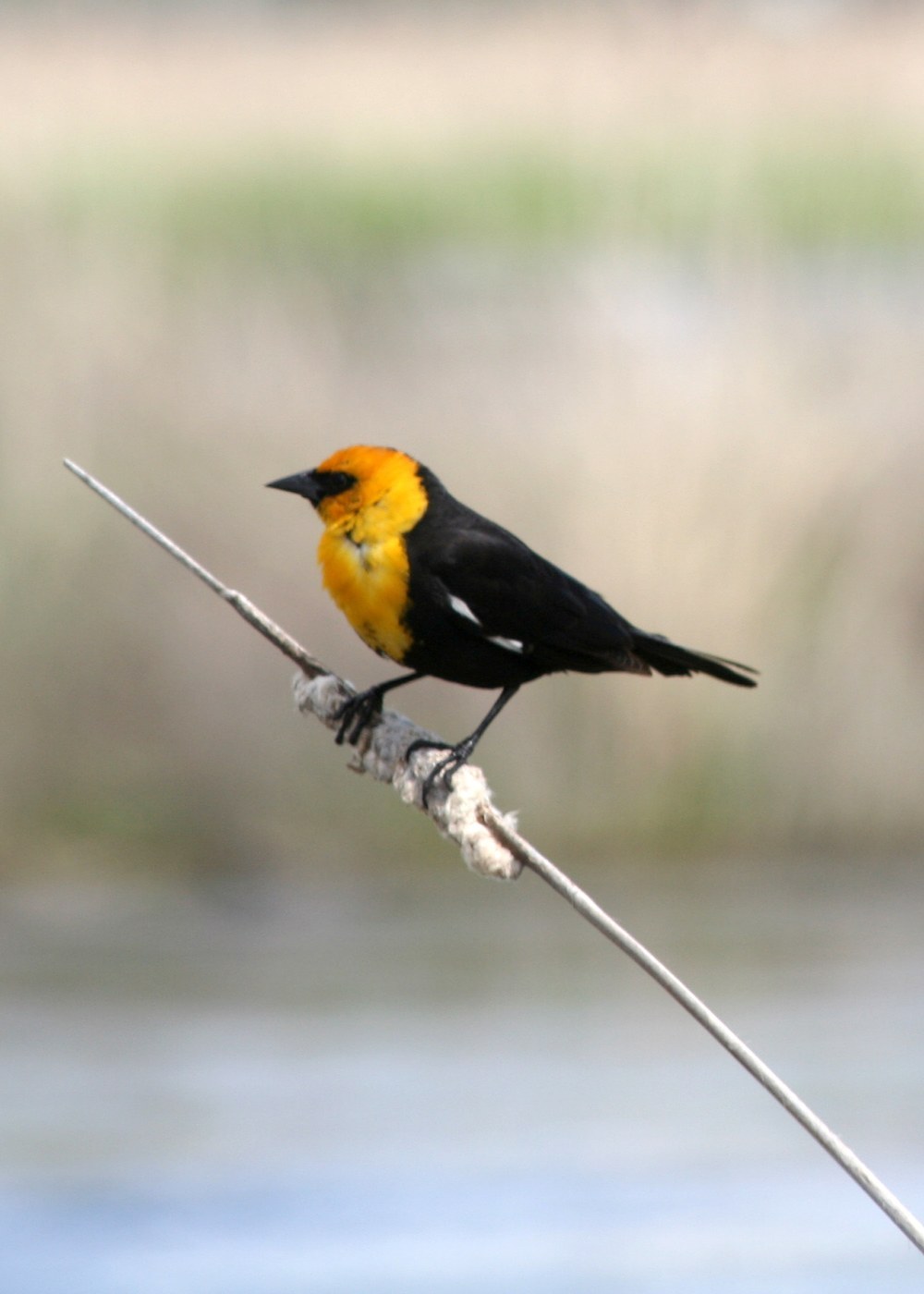
Yellow-headed Blackbird
Glossy black body plumage with a bright yellow head and breast

Yellow-eyed Junco
Contour and flight feathers

Yellow-fronted Canary
Small, smooth body plumage

Yellow-breasted Greenfinch
Compact, smooth body plumage