

Great Crested Flycatcher
Myiarchus crinitus
A large woodland flycatcher with a bushy crest, gray throat, and bright yellow belly, showing rufous flashes in the wings and tail.
- Feather type
- Contour, body plumage
- Colours
- Olive-brown back, gray throat/breast, bright lemon-yellow belly, rufous in wings and tail
- Bird size
- Robin-sized, ~20 cm
Found a feather like this?
Identify any feather from a photo, free.
Overview
Overview
The Great Crested Flycatcher is a sizable tyrant flycatcher of deciduous and mixed woodlands in eastern North America, spending much of its time high in the canopy where its bold coloration and loud, distinctive calls draw attention even when the bird itself is hard to spot. Its combination of a shaggy crest, gray throat, yellow belly, and rufous-edged wings and tail makes it one of the more colorful members of its genus.
Unlike many flycatchers with subtle plumage, this species pairs an olive-brown back with a contrastingly gray face and breast and a vivid lemon-yellow belly, plus rufous highlights in the wings and tail that flash noticeably in flight.
Identifying the Feather
Feather ID Notes
Great Crested Flycatcher feathers combine olive-brown upperparts with gray throat and breast feathers, transitioning to bright yellow on the belly. Wing and tail feathers show notable rufous or cinnamon edging, especially visible on the primaries and outer tail feathers.
- Head feathers: olive-brown with a slight, often raised crest
- Throat/breast feathers: pale gray, providing contrast with the yellow belly
- Belly feathers: bright lemon-yellow
- Wing and tail feathers: dark with rufous or cinnamon edging, most visible on primaries and tail The rufous tail edges combined with the yellow belly separate this species from the smaller, plainer Empidonax flycatchers, and its larger size and crest distinguish it from similarly patterned kingbirds.
Plumage & Molt
Plumage Details
Males and females are alike in plumage, both showing the gray throat, yellow belly, and rufous wing/tail edging. Juveniles resemble adults but can show slightly duller rufous tones and less crisp contrast until their first complete molt. There is no distinct seasonal plumage; feather wear through the breeding season can slightly dull the rufous edges before the fall molt restores brighter coloration.
Habitat & Range
Habitat & Range
This species breeds in deciduous and mixed forests, woodland edges, and orchards across the eastern United States and southern Canada, generally favoring canopy and sub-canopy layers over open ground. It is a long-distance migrant, wintering from southern Mexico through Central America into northern South America, and returns to its breeding range each spring.
Behavior & Field Notes
Behavior & Field Notes
Great Crested Flycatchers forage by sallying from a perch in the mid- to upper canopy to catch flying insects, and they also take some fruit, particularly outside the breeding season. They nest in tree cavities, often lining the nest with shed snake skin or similar materials, an unusual habit among cavity-nesting flycatchers. Their call is a loud, rolling "wheeep" that carries well through woodland, often the first clue to their presence before they are seen.
Frequently asked questions
What feather features identify Great Crested Flycatcher?
A gray throat, bright yellow belly, and rufous edging on the wings and tail, combined with a shaggy crest.
Does this species nest in cavities?
Yes, it nests in tree cavities and often adds shed snake skin to the nest lining, an unusual behavior for this group.
Is the Great Crested Flycatcher migratory?
It is a long-distance migrant, wintering from southern Mexico to northern South America.
How does it differ from smaller Empidonax flycatchers?
It is notably larger, with a bushy crest, gray throat, yellow belly, and rufous tail/wing edges not found on the smaller, plainer Empidonax species.
Great Crested Flycatcher guides
In-depth guides for identifying and understanding Great Crested Flycatcher.

Other feathers you may enjoy

Yellow-breasted Bunting
Contour and flight feathers, chestnut-and-yellow breeding pattern
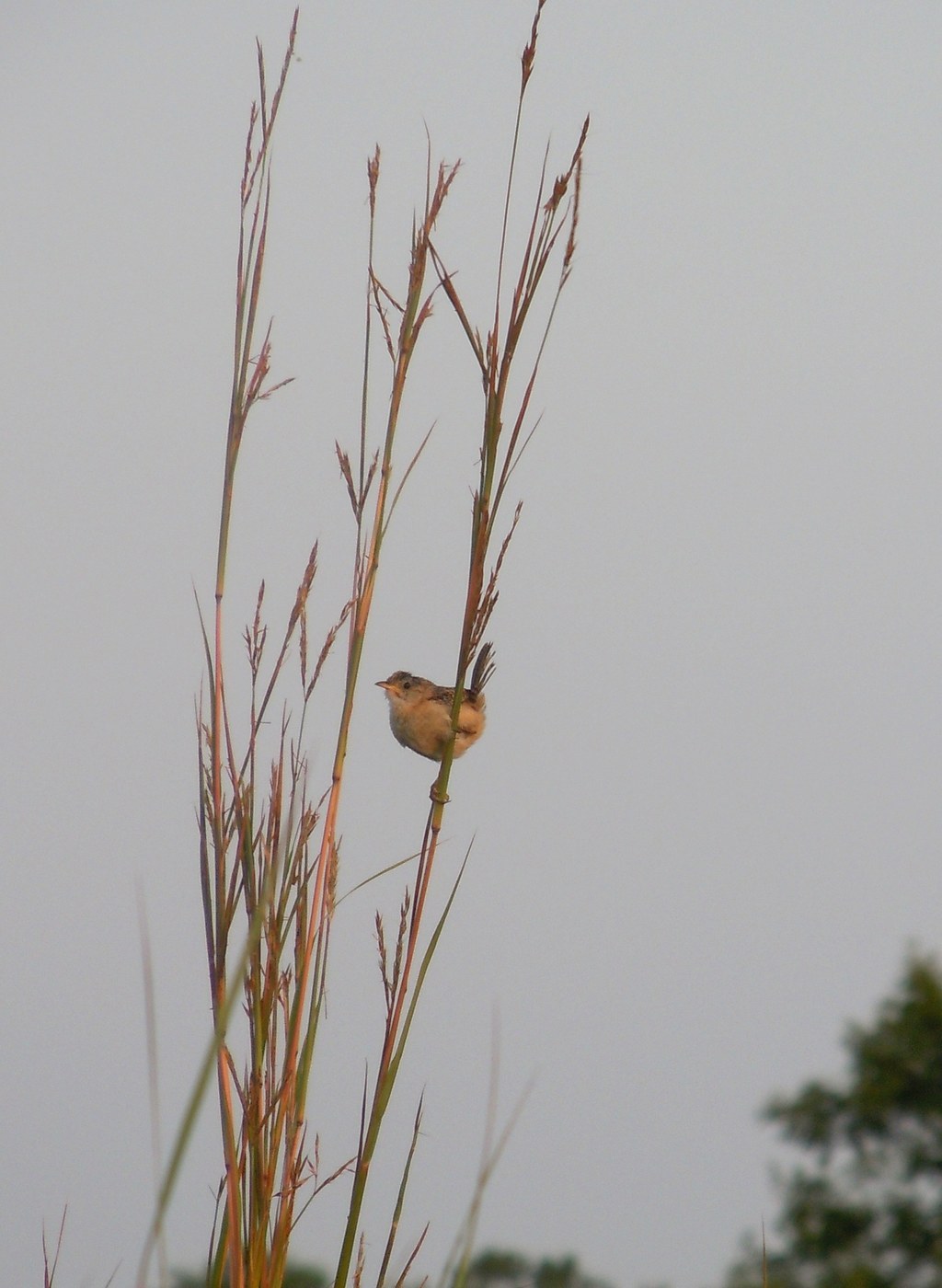
Sedge Wren
Tiny streaked crown and back feathers

Yellow-winged Cacique
Glossy black body feathers, yellow wing patch, shaggy crest

Yellow Warbler
Small contour and flight feathers
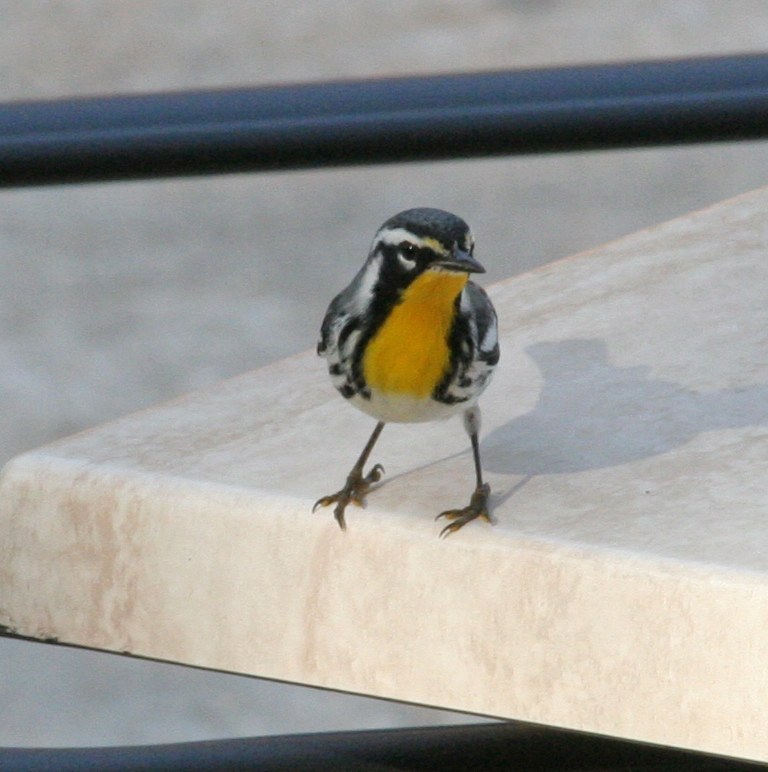
Yellow-throated Warbler
Small contour and flight feathers
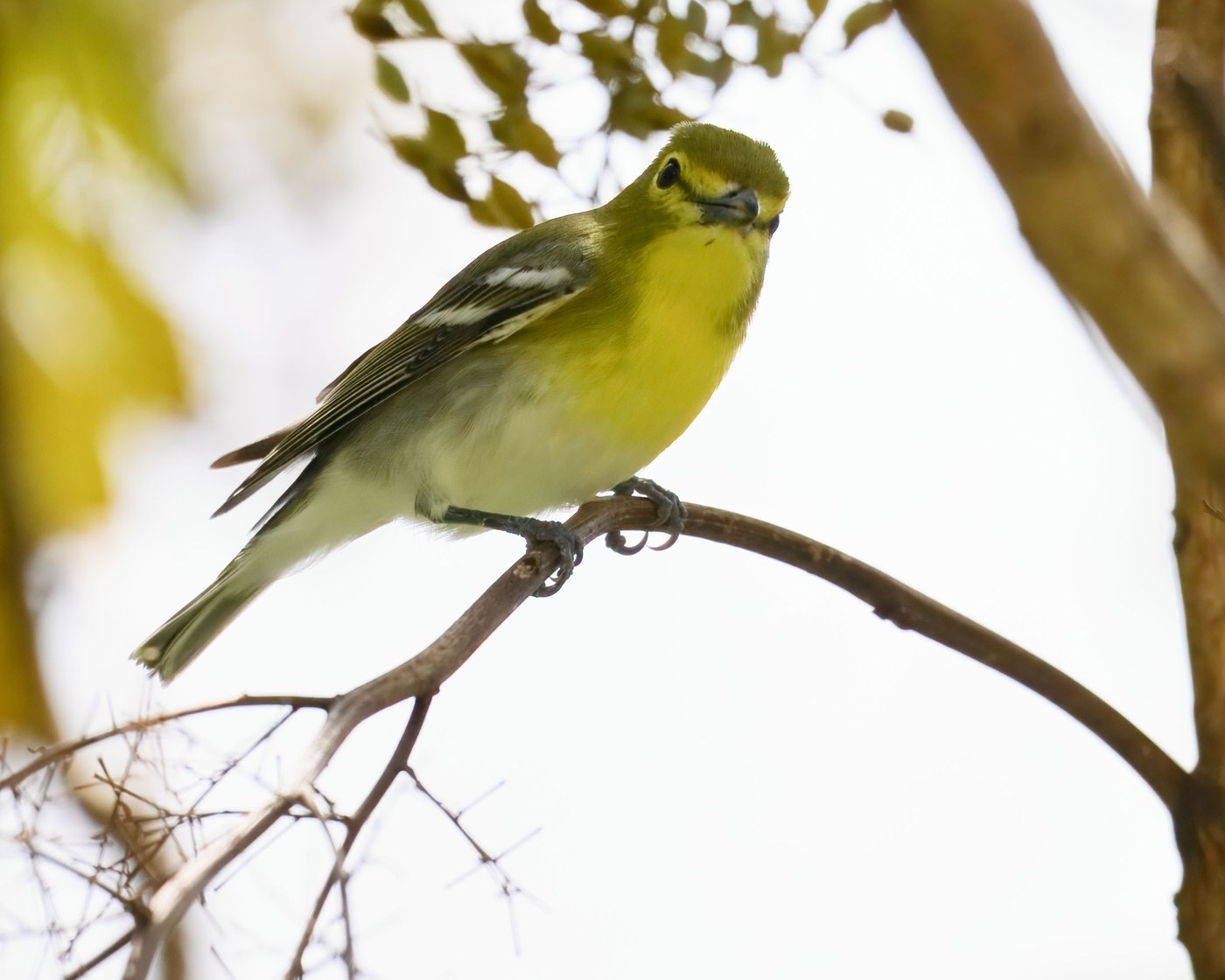
Yellow-throated Vireo
Bright yellow throat and spectacle feathers; olive-green back feathers; two white wing-bar feathers

Yellow-rumped Warbler
Small contour and flight feathers
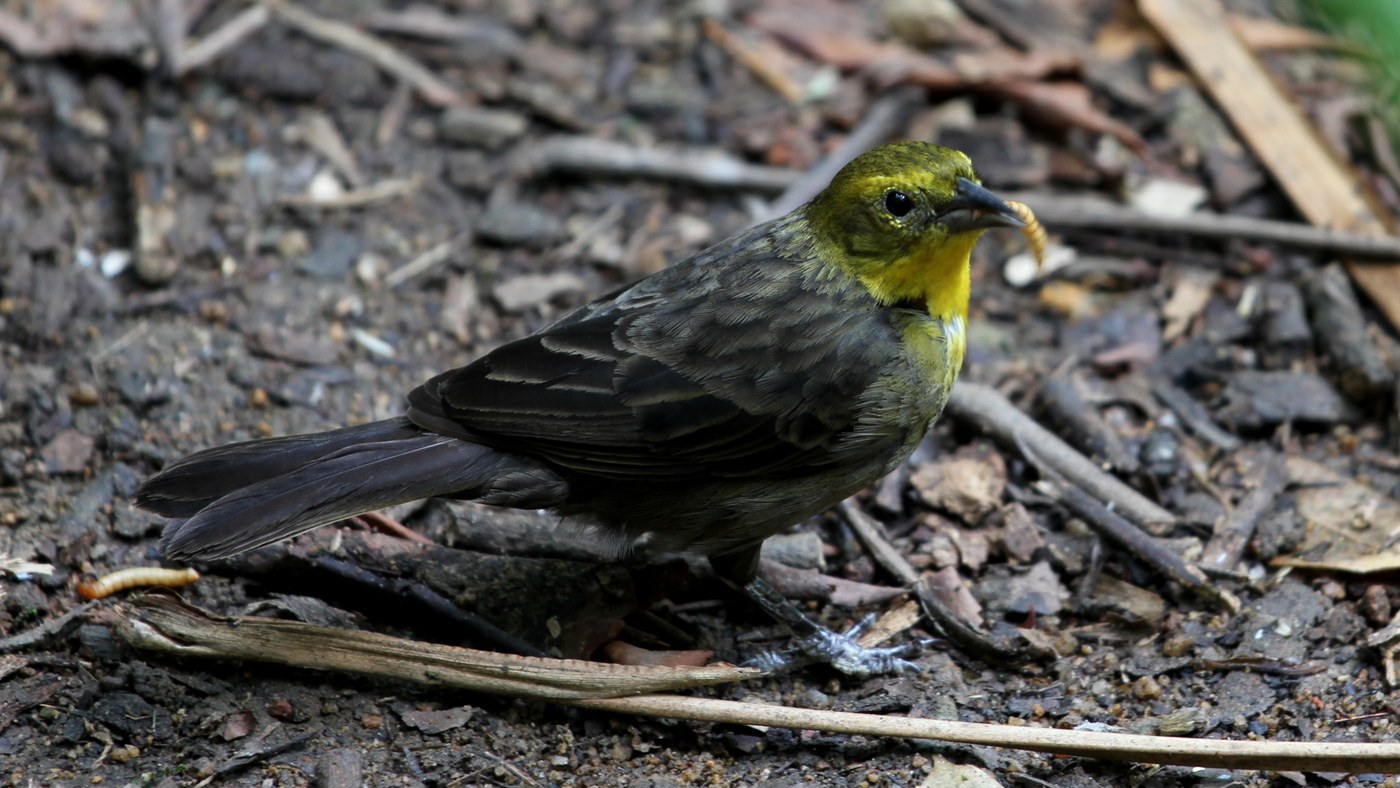
Yellow-hooded Blackbird
Contrasting hood and body feathers
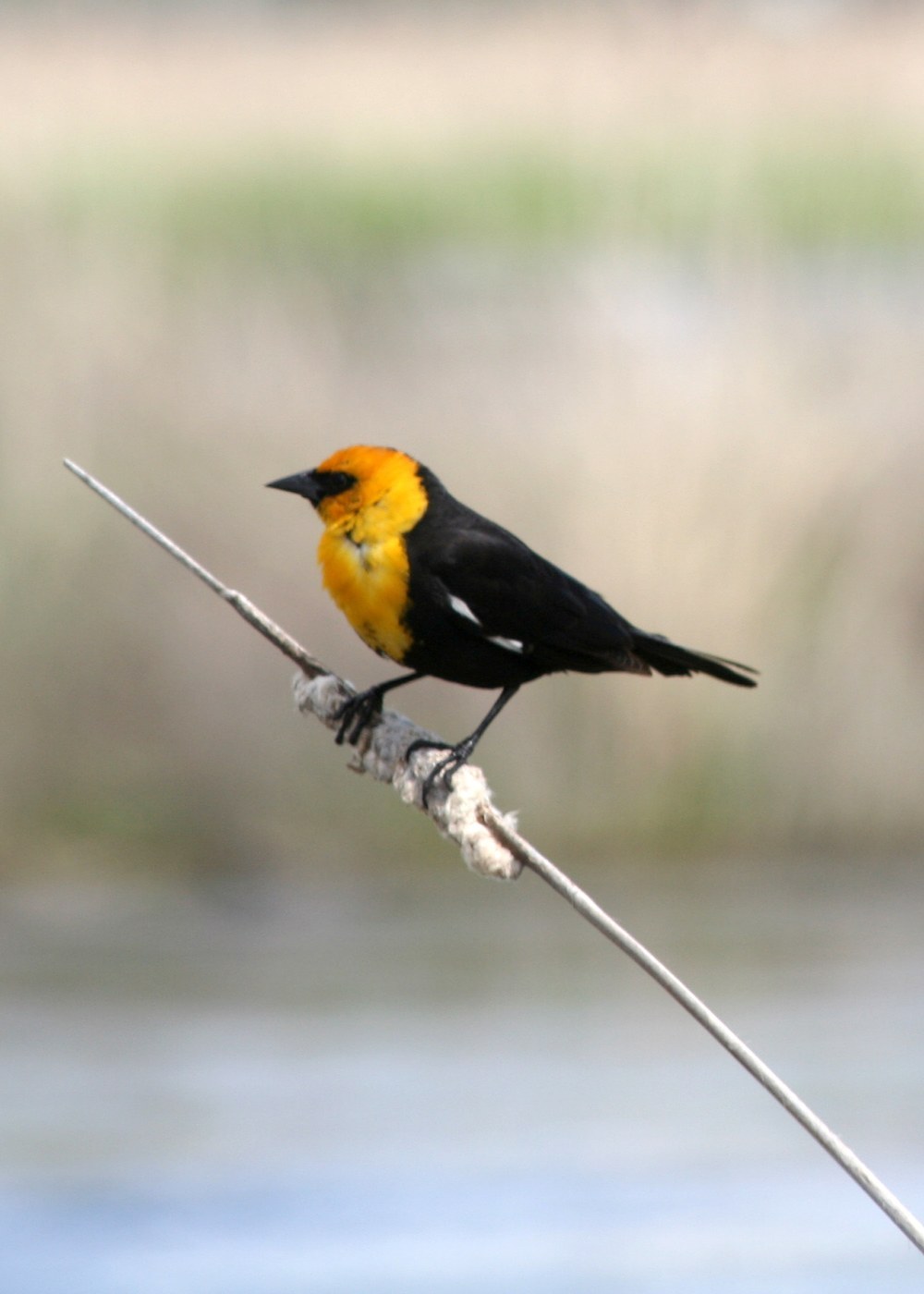
Yellow-headed Blackbird
Glossy black body plumage with a bright yellow head and breast

Yellow-eyed Junco
Contour and flight feathers

Yellow-fronted Canary
Small, smooth body plumage

Yellow-breasted Greenfinch
Compact, smooth body plumage