

Great Rosefinch
Carpodacus rubicilla
One of the largest rosefinches, a high-altitude species with deep crimson-pink male plumage flecked with silvery-white spots.
- Feather type
- Dense, soft body plumage
- Colours
- Deep crimson-pink with silvery-white spotting (male)
- Bird size
- Large finch, ~19-20 cm
Found a feather like this?
Identify any feather from a photo, free.
Overview
Overview
The Great Rosefinch is among the largest members of the rosefinch group, breeding at high elevations across the Caucasus, Central Asia, and the Himalaya. Adult males show a particularly rich, deep crimson-pink plumage overlaid with fine silvery-white spotting, a pattern that distinguishes them from the more uniformly colored males of smaller rosefinch species.
The species' large size and preference for high, open, rocky terrain above the treeline further set it apart from most other rosefinches, which typically favor scrub or woodland habitats at lower elevations.
Identifying the Feather
Feather Identification
- Male body feathers: deep crimson-pink overall, with fine silvery-white spotting across the head, breast, and back.
- Female/immature body feathers: streaked grey-brown, lacking the male's crimson tones.
- Size and bill: notably large for a rosefinch, with a correspondingly robust bill.
- Wing feathers: dark, blending with the overall body tone rather than showing strong contrast.
- Distinguishing from similar species: larger overall size and the silvery spotting on a deep crimson base separate adult males from other rosefinches, which tend to be smaller and more uniformly pink or red.
Plumage & Molt
Plumage Details
Adult males show a rich, deep crimson-pink plumage across the head, underparts, and back, with fine silvery-white spots scattered throughout, especially on the crown and breast. Females and immatures are considerably plainer, showing streaked grey-brown plumage without any crimson or spotting. This species' large size and dense plumage are adaptations to its cold, high-altitude habitat.
Habitat & Range
Habitat & Range
Great Rosefinches breed at high elevations in the Caucasus, Central Asian mountain ranges, and parts of the Himalaya, favoring alpine meadows and rocky scree above the treeline. Populations typically move to lower elevations during winter rather than undertaking long-distance migration.
Behavior & Field Notes
Behavior & Field Notes
This species feeds on seeds and other plant material gathered among alpine vegetation and rocky ground, often foraging in pairs or small groups. Its song is a simple, melodic whistle delivered from rocky perches. Nests are built in rock crevices or low alpine shrubs. The combination of large size, deep crimson coloration, and silvery spotting in males makes this one of the more distinctive high-altitude finches within its range.
Frequently asked questions
What makes the Great Rosefinch's feathers unique among rosefinches?
Adult males show a deep crimson-pink base color overlaid with fine silvery-white spotting, a pattern not found in most other rosefinch species.
How large is this species compared to other rosefinches?
It is one of the largest rosefinches, noticeably bigger and more robust than species like the Common Rosefinch.
What habitat does the Great Rosefinch prefer?
High mountain scree and alpine meadows above the treeline in ranges such as the Caucasus, Central Asia, and the Himalaya.
Do females show any of the male's crimson coloring?
No, females are streaked grey-brown overall without any crimson tones or spotting.
Great Rosefinch guides
In-depth guides for identifying and understanding Great Rosefinch.

Other feathers you may enjoy

Yellow-breasted Bunting
Contour and flight feathers, chestnut-and-yellow breeding pattern
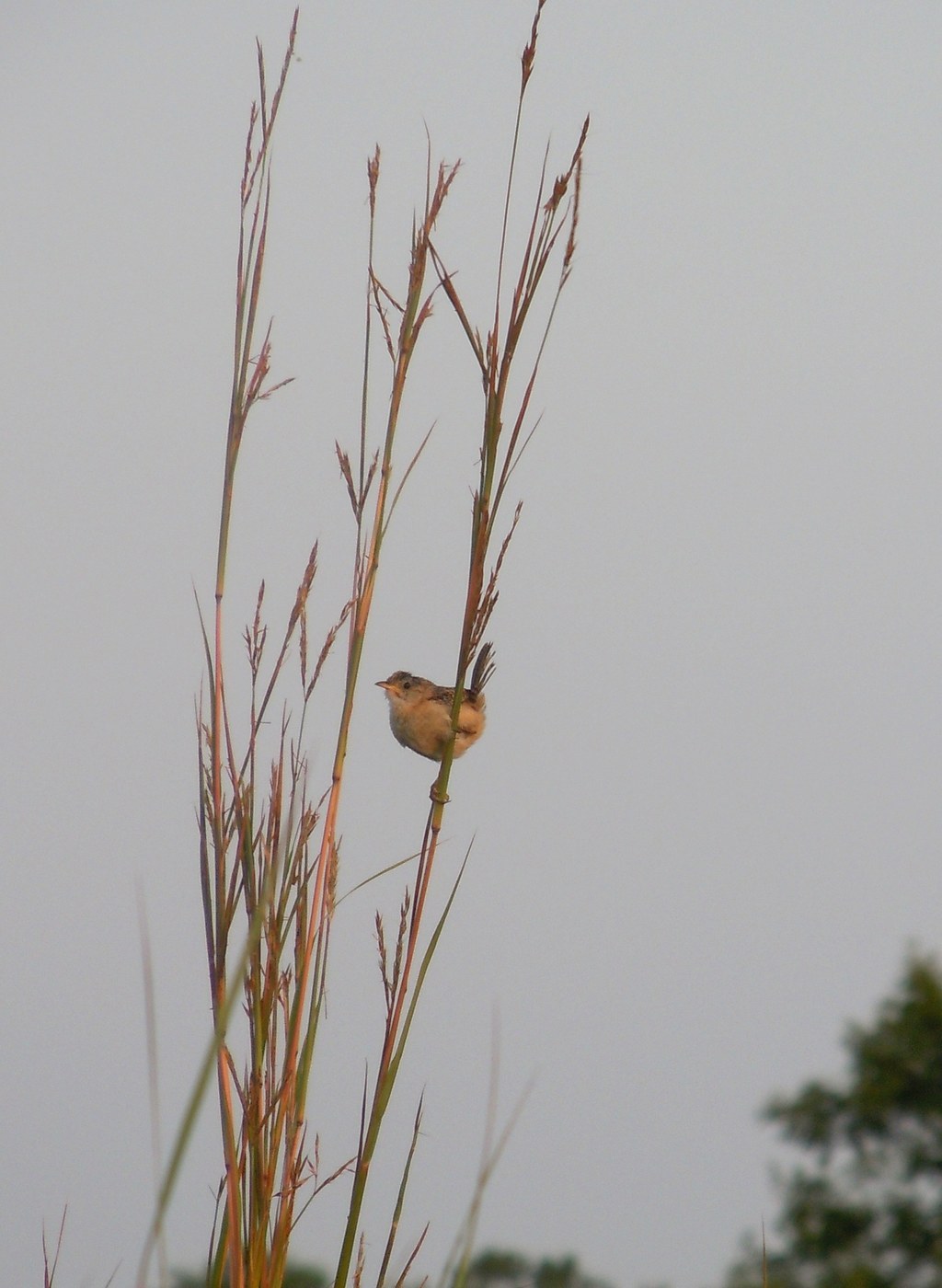
Sedge Wren
Tiny streaked crown and back feathers

Yellow-winged Cacique
Glossy black body feathers, yellow wing patch, shaggy crest

Yellow Warbler
Small contour and flight feathers
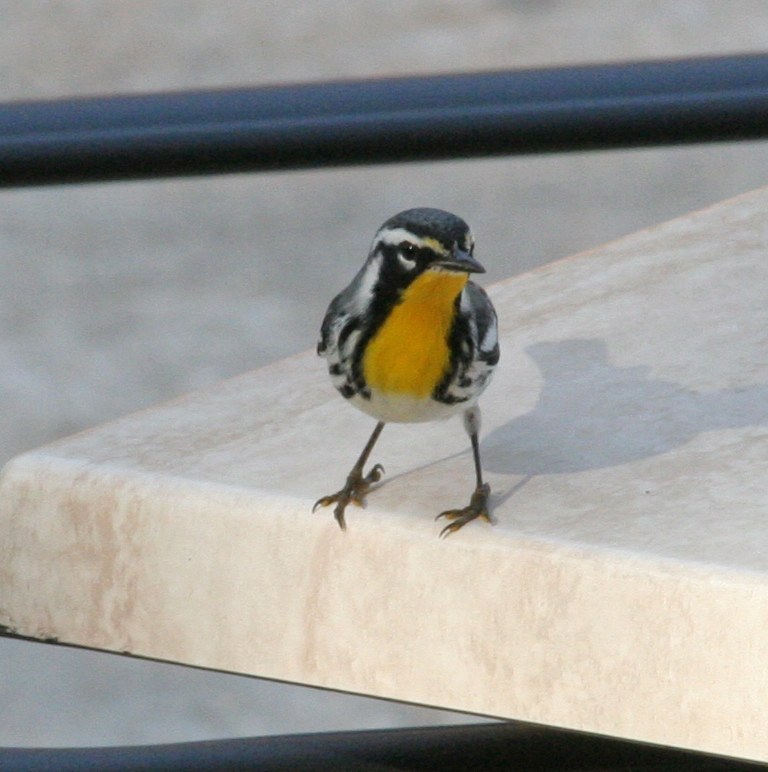
Yellow-throated Warbler
Small contour and flight feathers
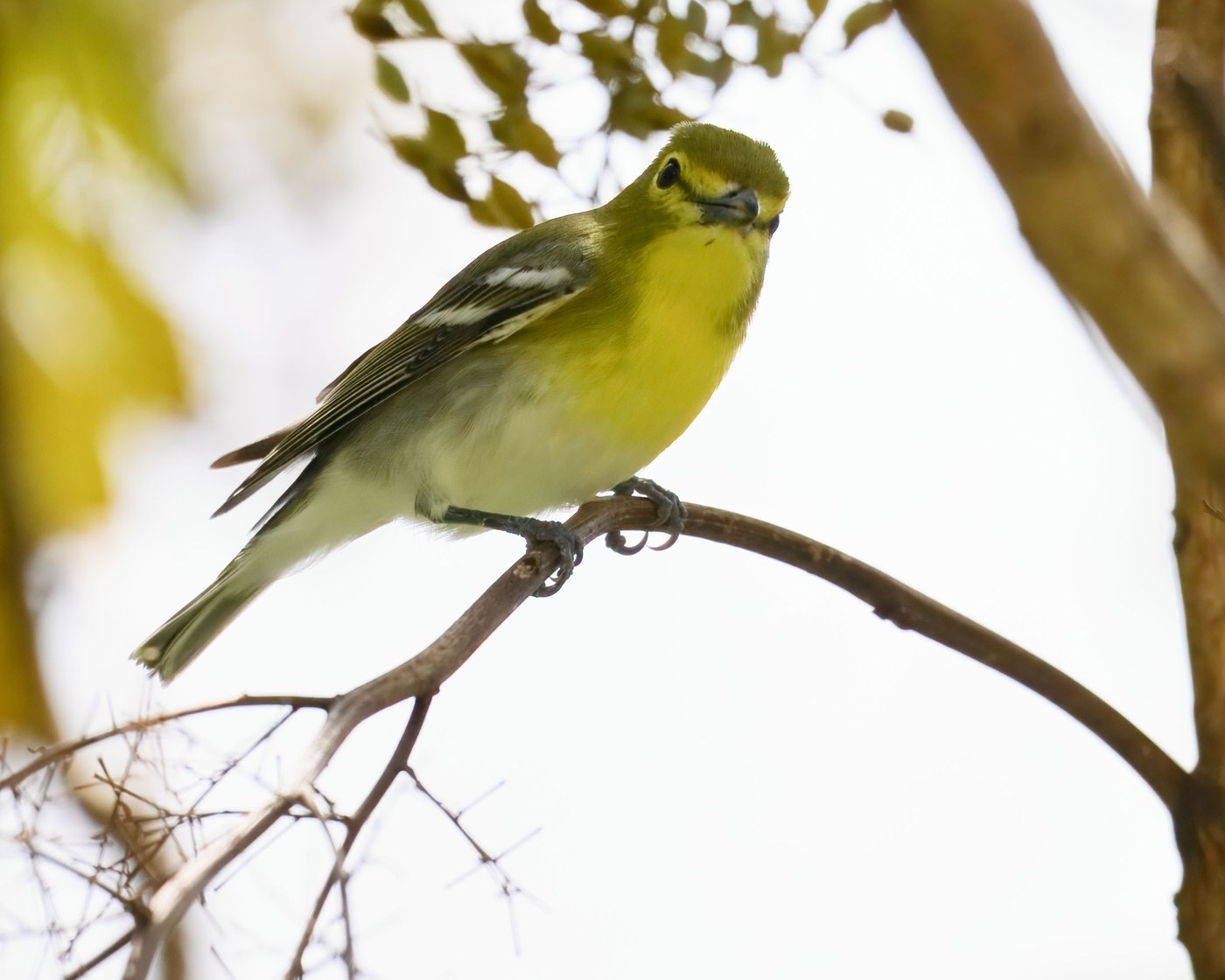
Yellow-throated Vireo
Bright yellow throat and spectacle feathers; olive-green back feathers; two white wing-bar feathers

Yellow-rumped Warbler
Small contour and flight feathers
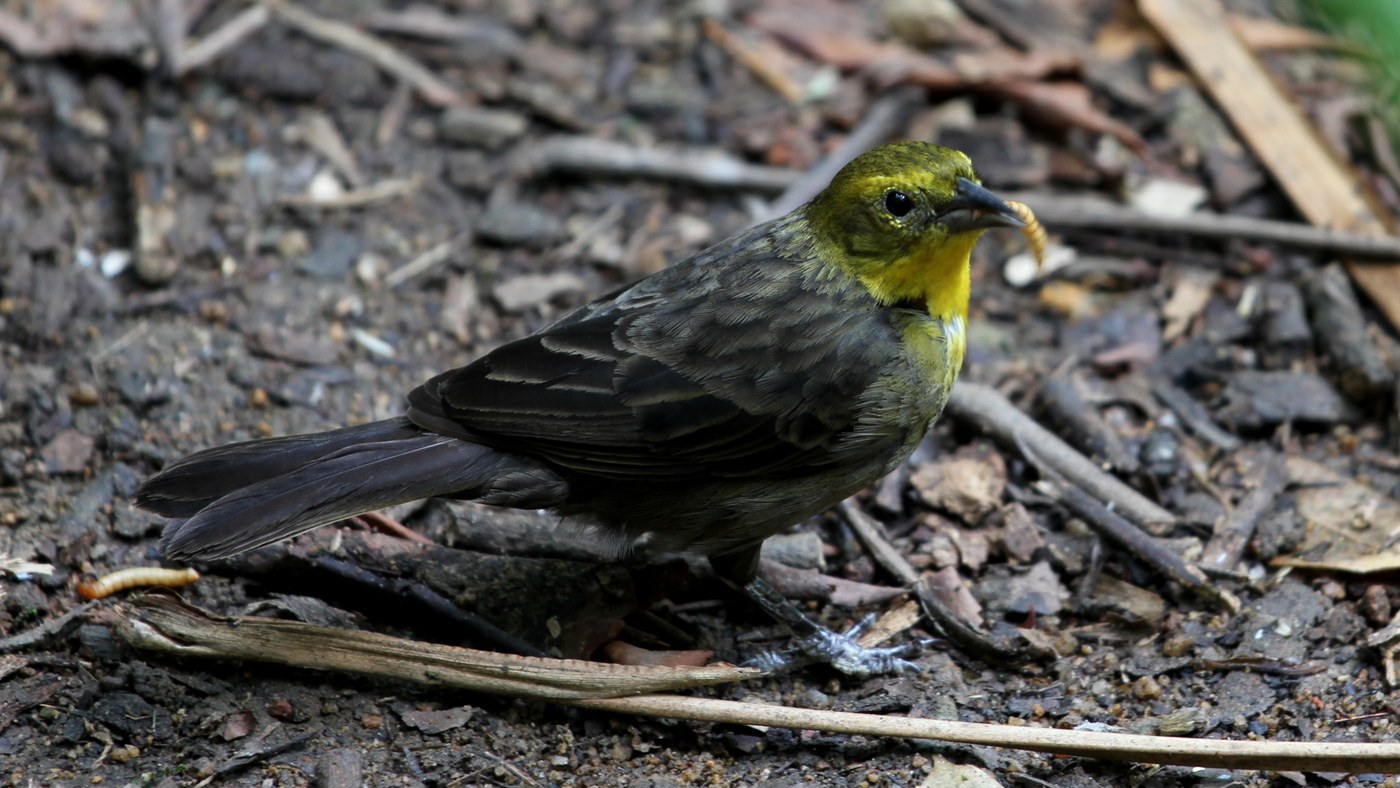
Yellow-hooded Blackbird
Contrasting hood and body feathers
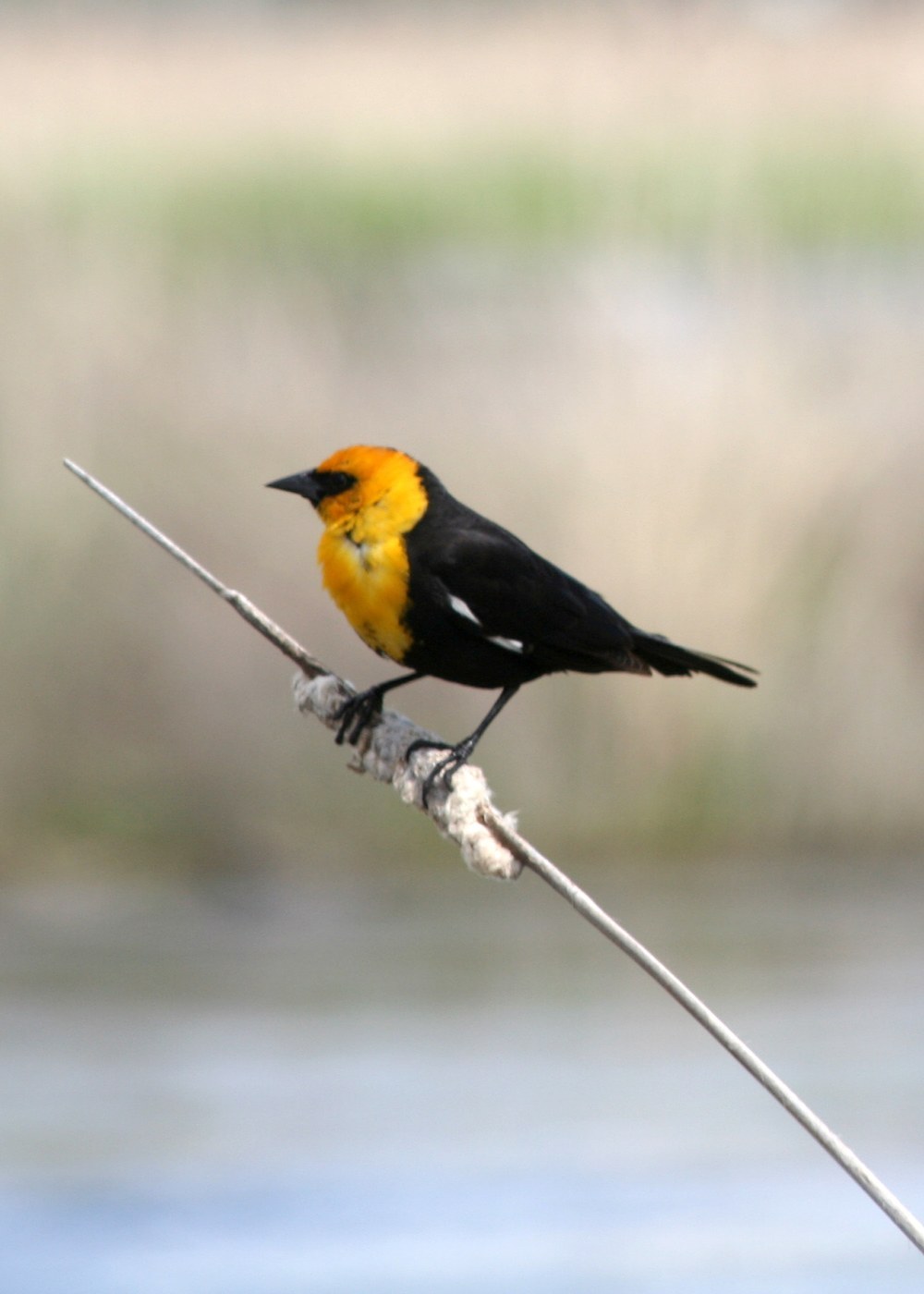
Yellow-headed Blackbird
Glossy black body plumage with a bright yellow head and breast

Yellow-eyed Junco
Contour and flight feathers

Yellow-fronted Canary
Small, smooth body plumage

Yellow-breasted Greenfinch
Compact, smooth body plumage