

Greater Flameback
Chrysocolaptes guttacristatus
A large, brilliantly colored Asian woodpecker whose golden 'flame' back gives the species its name, topped by a bushy red crest in males.
- Feather type
- Bright golden back feathers with a red crest
- Colours
- Golden-orange back, black-and-white spotted underparts, red crest in males
- Bird size
- Large, ~30-33 cm
Found a feather like this?
Identify any feather from a photo, free.
Overview
The Greater Flameback is a large, vividly colored woodpecker found in forest, forest edge, mangroves, and plantations across the Indian subcontinent and Southeast Asia. Its striking golden-yellow to deep orange back, from which its name derives, contrasts sharply with black-and-white patterned underparts and a bold facial pattern, making it one of the more visually distinctive woodpeckers in its range.
Males additionally sport a full red crest, adding to the species' colorful overall appearance.
Identifying the Feather
Key features:
- Back and wing covert feathers are bright golden-yellow to deep orange, the 'flame' coloring for which the species is named
- These golden back feathers contrast with black flight feathers and white-spotted black underparts
- Males show a full red crest and crown; females have a black crest and crown finely spotted with white
- Bold black-and-white streaked face pattern with a white supercilium (eyebrow stripe) and malar stripe
Compared to similar species: the bright golden to orange back feathers are highly distinctive and readily separate this species from other Asian woodpeckers, most of which lack such vivid warm-toned back plumage.
Plumage & Molt
Males show a solid red crest and crown, while females have a black crest and crown finely spotted with white. Juveniles are duller overall, with less vivid golden tones on the back. A complete molt occurs annually.
Habitat & Range
This species occurs in forest, forest edge, mangroves, and plantations across the Indian subcontinent and Southeast Asia. It is a non-migratory resident throughout its range and can tolerate a range of forested and semi-open habitats.
Behavior & Field Notes
Greater Flamebacks forage on trunks and large branches for wood-boring insects and ants, using their strong bill and feet (with four toes, unlike some other woodpecker genera) for climbing and excavating. Their calls are loud, and they drum actively to signal territory. Nest cavities are excavated in dead or living trees within their forested or semi-open habitat.
Frequently asked questions
How can I identify a Greater Flameback feather?
A bright golden-yellow to deep orange feather from the back or wing coverts is highly distinctive for this species, since few other sympatric woodpeckers show such vivid warm-toned back plumage.
Does crest color indicate sex?
Yes, males show a solid red crest and crown, while females have a black crest and crown finely spotted with white.
What habitat is this species found in?
Forest, forest edge, mangroves, and plantations across the Indian subcontinent and Southeast Asia.
Why is it called a 'Flameback'?
The name refers to its bright golden to orange back plumage, which resembles a flame-like coloring against the darker wings and underparts.
Greater Flameback guides
In-depth guides for identifying and understanding Greater Flameback.

Other feathers you may enjoy

Ivory-billed Woodpecker
Very large flight feathers with a solid white trailing patch

Great Slaty Woodpecker
Massive, uniformly colored contour feathers

Yellow-tufted Woodpecker
Black body feathers with bright yellow forehead tufts

Magellanic Woodpecker
Very large, glossy contour feathers with a recurved crest

Yellow-bellied Sapsucker
Black-and-white patterned back and facial-stripe feathers
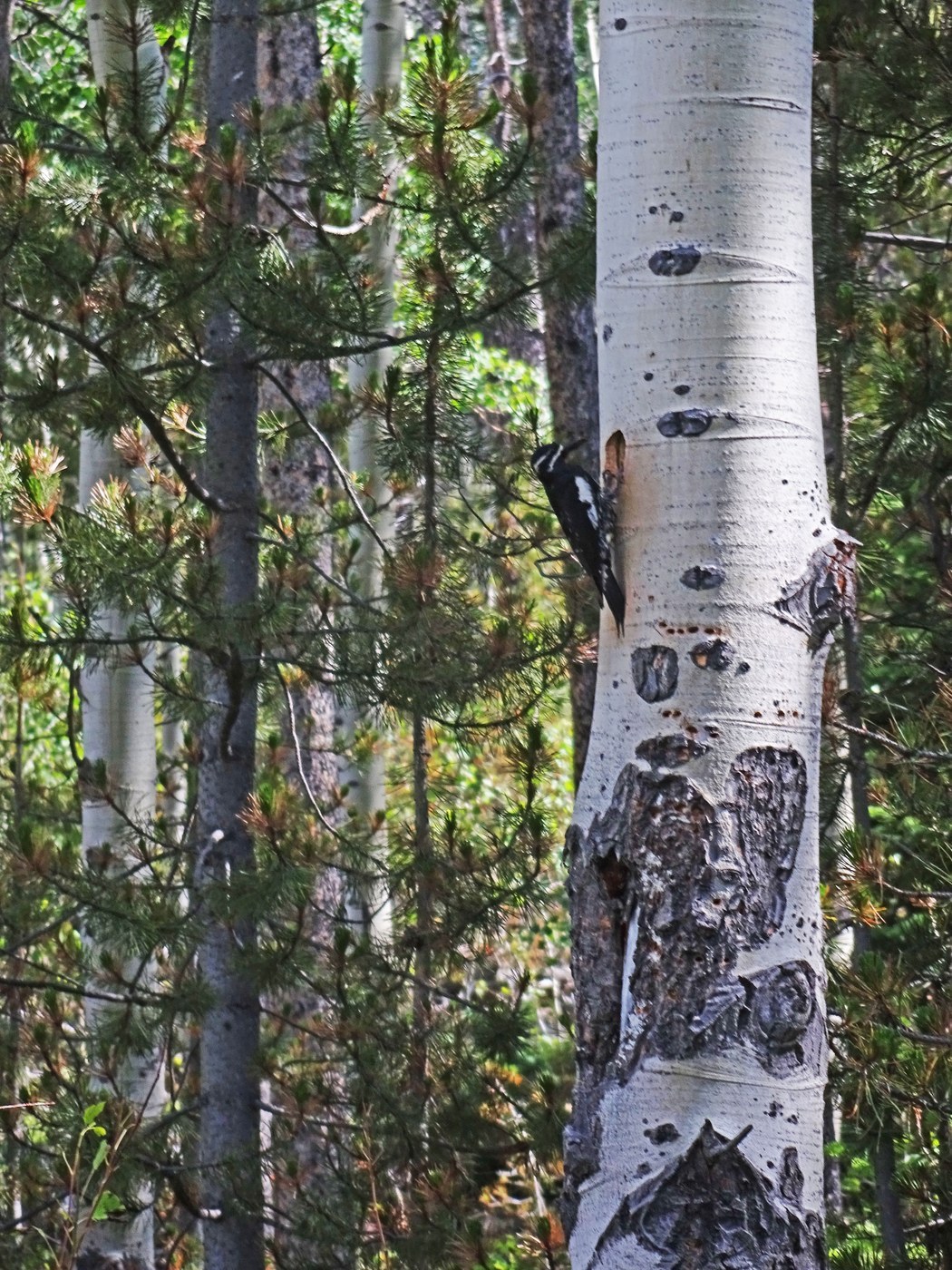
Williamson's Sapsucker
Strongly sexually dimorphic body feathers, glossy black or finely barred brown

Yellow-crowned Woodpecker
Contour and flight feathers

White Woodpecker
Mostly white body feathers with contrasting black wings and back

Red-throated Wryneck
Soft, cryptically mottled contour feathers

White-bellied Woodpecker
Large, glossy black contour and flight feathers

White-backed Woodpecker
Barred back feathers rather than a solid white patch
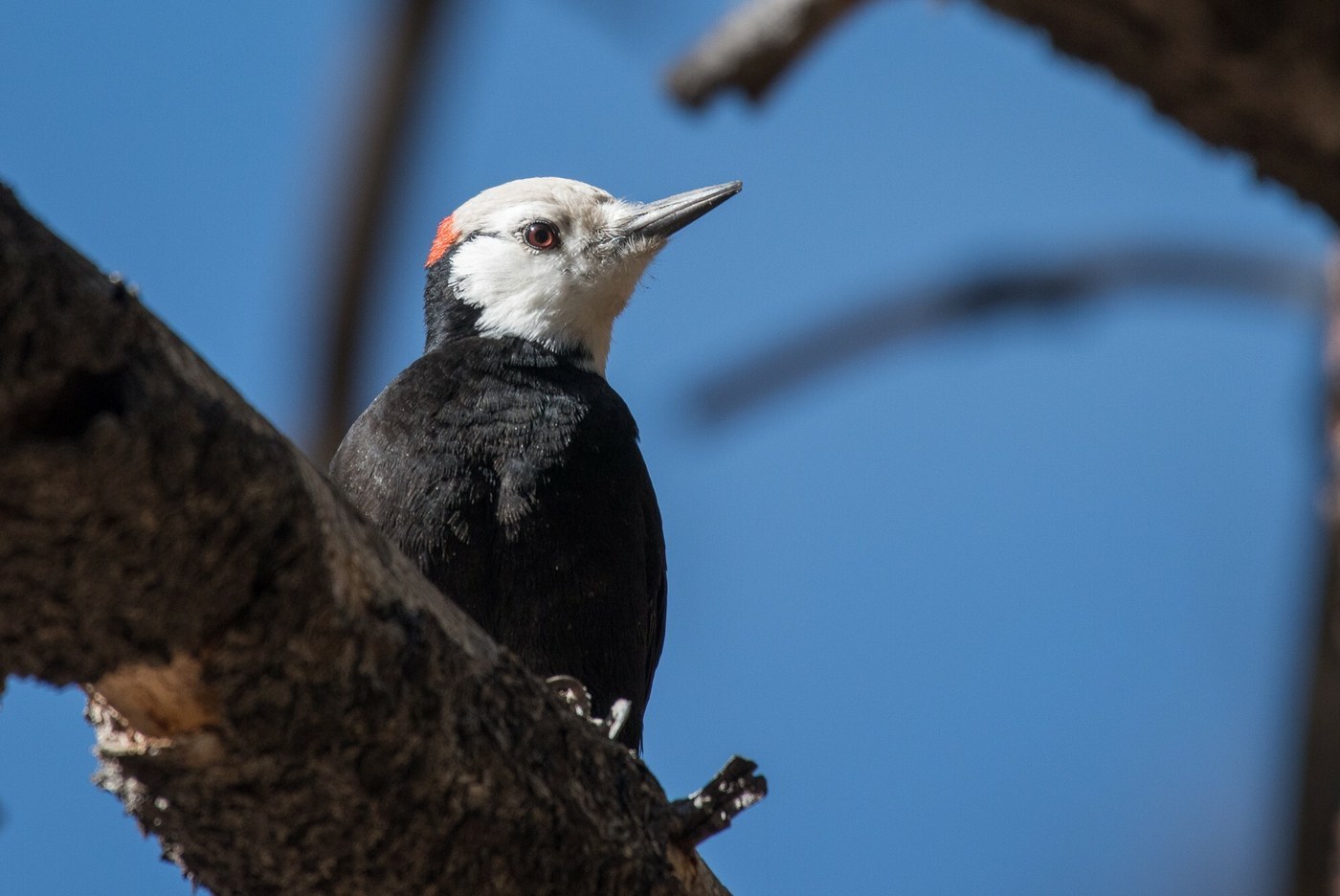
White-headed Woodpecker
Solid black body feathers with an entirely white head