

Greater Yellownape
Chrysophlegma flavinucha
A large, uniformly olive-green woodpecker of Asian forests, best recognized by its shaggy yellow nape crest rather than the black-and-white patterning typical of pied woodpeckers.
- Feather type
- Contour, crest, and flight feathers
- Colours
- Olive-green upperparts, yellow nape crest, dusky-barred underparts
- Bird size
- Large woodpecker, ~33 cm
Found a feather like this?
Identify any feather from a photo, free.
Overview
The Greater Yellownape is a substantial forest woodpecker found from the Himalayan foothills across mainland and parts of insular Southeast Asia. Unlike many pied woodpeckers, it lacks bold black-and-white contrast, instead showing an even wash of olive-green set off by a bright yellow crest on the nape.
Its size and quiet, deliberate foraging manner make it a characteristic, if easily overlooked, presence in dense forest canopy.
Identifying the Feather
- Back and wing feathers are a fairly uniform olive-green, without the strong barring seen in many pied woodpeckers
- Elongated, pointed feathers form a shaggy yellow crest on the nape, unique among most sympatric woodpeckers
- Throat feathers differ by sex: bright yellow in males, duller olive-brown in females
- Underparts show fine dusky barring over a pale olive-buff ground color
- Tail feathers are blackish and stiff, as in other trunk-climbing woodpeckers
Plumage & Molt
The main plumage difference between sexes is throat color, yellow in males and dull olive-brown in females, both sharing the same olive-green body and yellow nape crest. Juveniles are duller and show less defined barring on the underparts. Adults molt once following the breeding season.
Habitat & Range
- Found from the Himalayan foothills and northeastern India across mainland Southeast Asia to parts of the Sunda region
- Favors dense evergreen and mixed broadleaf forest, including secondary growth with large trees and bamboo
- Largely resident, with some local altitudinal movement in mountainous parts of its range
Behavior & Field Notes
Greater Yellownapes forage at middle to upper levels of the forest, methodically working along larger branches and trunks for wood-boring insects and ants. Their presence is often announced by a loud, ringing call before the bird itself is seen. Nests are excavated in dead wood within the forest interior.
Frequently asked questions
How is this species different from typical black-and-white woodpeckers?
It lacks strong pied patterning entirely, showing an even olive-green body set off mainly by its yellow nape crest rather than bold black-and-white bars or spots.
What is the easiest field mark on a single feather?
An elongated yellow crest feather from the nape is highly distinctive and not shared with most other woodpeckers in its range.
How can males and females be told apart?
Throat color is the key difference, bright yellow in males and duller olive-brown in females.
Where in the forest does it typically feed?
It tends to forage higher in the canopy and on larger branches than smaller pied woodpeckers sharing the same forest.
Greater Yellownape guides
In-depth guides for identifying and understanding Greater Yellownape.

Other feathers you may enjoy

Ivory-billed Woodpecker
Very large flight feathers with a solid white trailing patch

Great Slaty Woodpecker
Massive, uniformly colored contour feathers

Yellow-tufted Woodpecker
Black body feathers with bright yellow forehead tufts

Magellanic Woodpecker
Very large, glossy contour feathers with a recurved crest

Yellow-bellied Sapsucker
Black-and-white patterned back and facial-stripe feathers
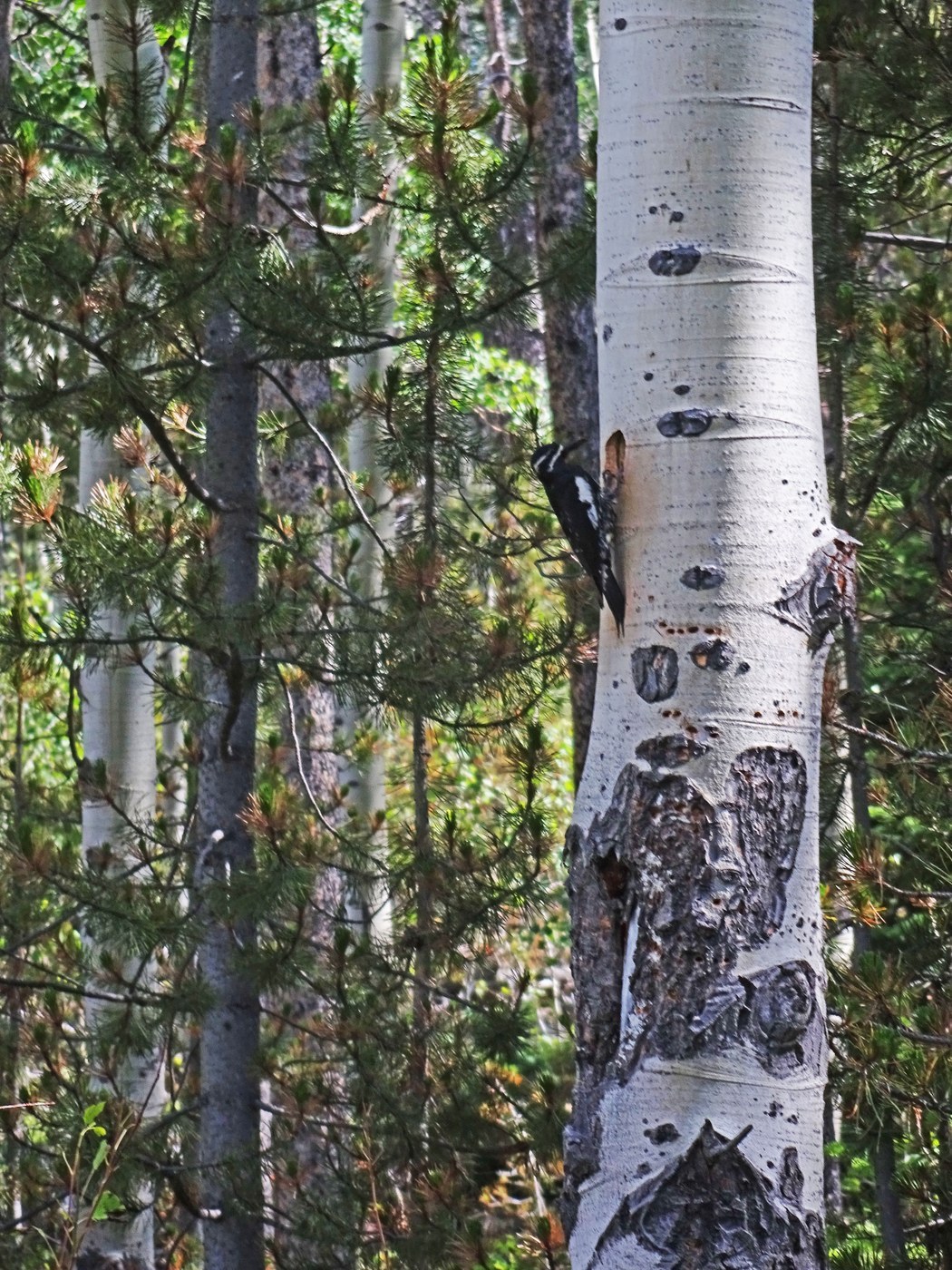
Williamson's Sapsucker
Strongly sexually dimorphic body feathers, glossy black or finely barred brown

Yellow-crowned Woodpecker
Contour and flight feathers

White Woodpecker
Mostly white body feathers with contrasting black wings and back

Red-throated Wryneck
Soft, cryptically mottled contour feathers

White-bellied Woodpecker
Large, glossy black contour and flight feathers

White-backed Woodpecker
Barred back feathers rather than a solid white patch
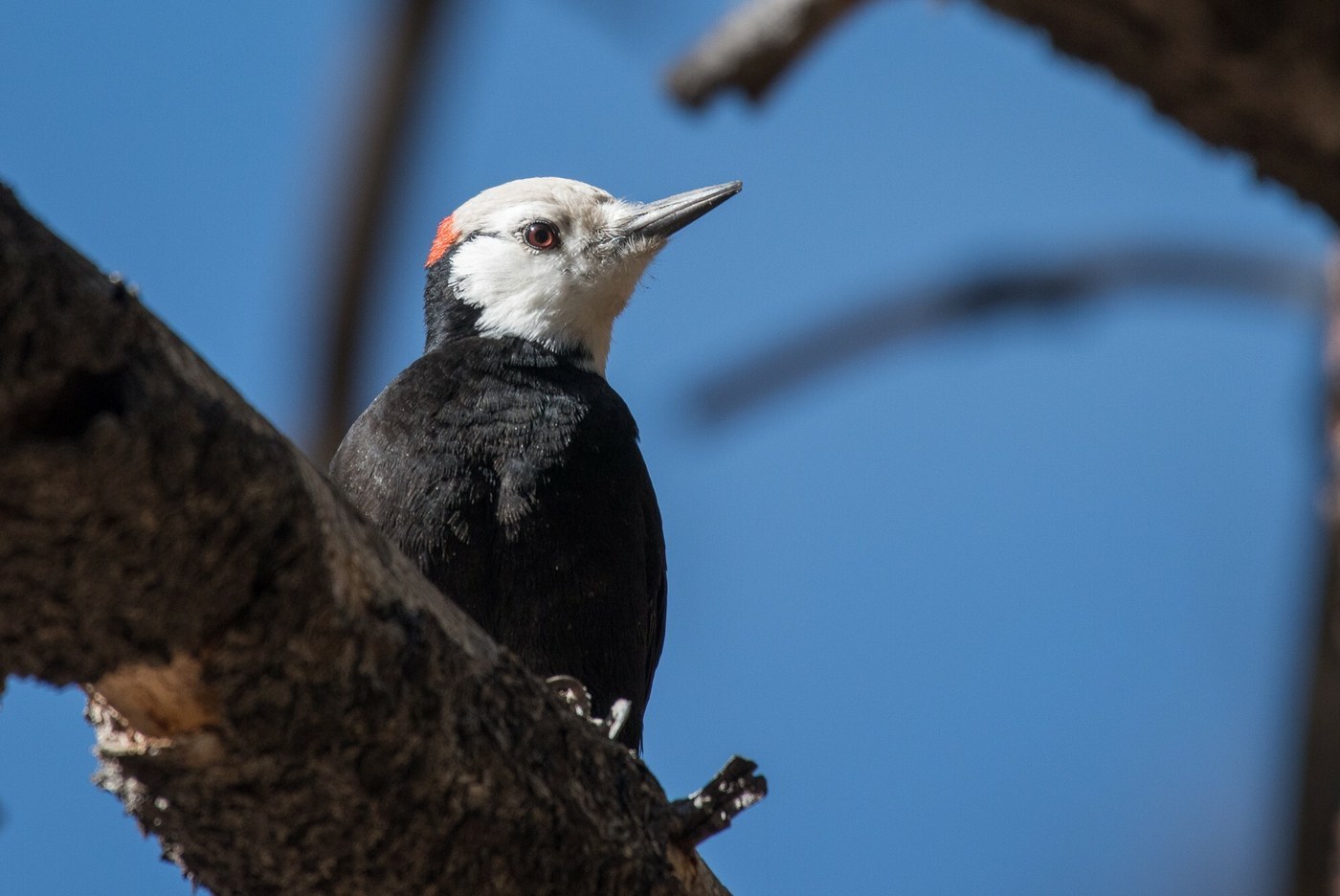
White-headed Woodpecker
Solid black body feathers with an entirely white head