
Green Honeycreeper
Chlorophanes spiza
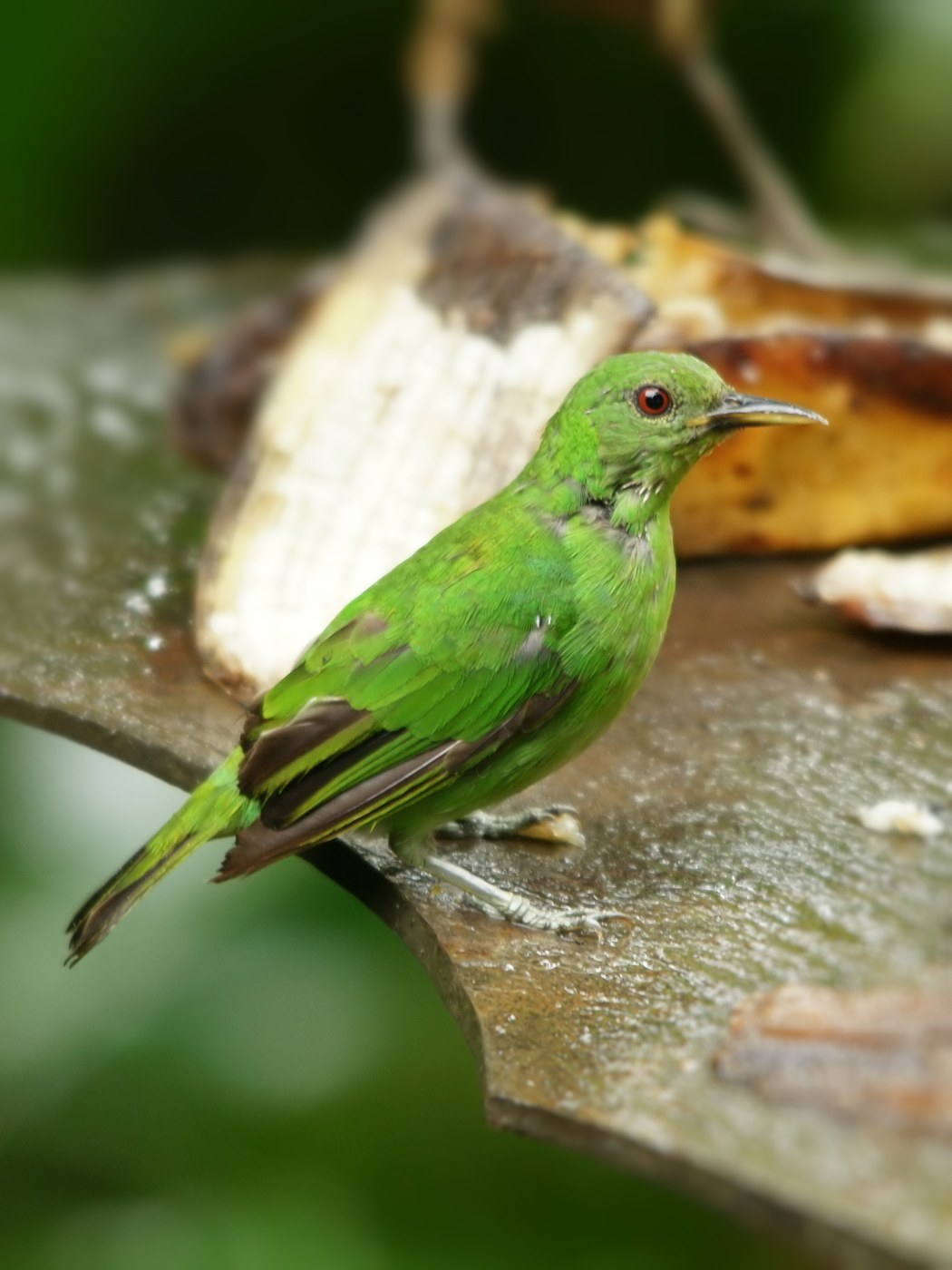
A small, jewel-toned songbird of Neotropical forests, males a shimmering turquoise-green with a contrasting black head and a bright red eye, females a more uniform soft green.
- Feather type
- Small, sleek body contour feathers
- Colours
- Turquoise-green male plumage with a black hood; uniform green female
- Bird size
- Sparrow-sized, ~12-14 cm
Found a feather like this?
Identify any feather from a photo, free.
Overview
The Green Honeycreeper is a small, brightly colored songbird found in tropical forest canopy and edge habitats from Mexico through much of South America. Males are especially striking, showing a shimmering turquoise-green body offset by a contrasting black hood, while females present a more subtly beautiful uniform green plumage.
As a nectar and fruit specialist within the tanager family, this species plays a role in pollination and seed dispersal within its forest habitat, often seen visiting flowering and fruiting trees alongside other canopy songbirds.
Identifying the Feather
- Male body is a shimmering turquoise-green overall, with the color appearing to shift between blue and green depending on the angle of light
- Head is glossy black, forming a hood that contrasts sharply with the green body
- Eye is bright red, conspicuous against the black head
- Bill is slightly downcurved and yellowish, an adaptation for probing flowers and fruit
- Female is a soft, uniform grass-green overall, lacking the male's black hood, with a duller bill
- Distinguished from other green tanagers by the male's black hood and red eye, and from similarly green females by its slightly downcurved bill shape
Plumage & Molt
Adult males show the turquoise-green body and glossy black hood described above, with a bright red eye, present year-round without strong seasonal variation. Females are uniformly green, somewhat duller than the male's body color, without any black hood, and juveniles resemble females with even softer, less saturated green tones before maturing. There is no distinct eclipse or seasonal plumage in this species.
Habitat & Range
The Green Honeycreeper inhabits tropical forest canopy, forest edge, and secondary growth from Mexico through Central America and much of South America, including parts of the Amazon basin and Atlantic Forest. It is largely resident, though individuals may move locally in response to the availability of flowering and fruiting trees.
Behavior & Field Notes
This species feeds on nectar, fruit, and some insects, using its slightly downcurved bill to probe flowers and soft fruit within the canopy. It typically forages alone or in pairs, sometimes joining mixed-species foraging flocks with other small tanagers. Nests are small open cups built in tree branches. The song is a thin, high-pitched series of notes, less conspicuous than the bird's vivid plumage.
Frequently asked questions
What does a Green Honeycreeper feather look like?
Male body feathers are shimmering turquoise-green with a glossy black hood on the head, while female feathers are a more uniform soft green without the black hood.
Why do male and female Green Honeycreepers look so different?
Males have evolved bright, contrasting plumage likely tied to mate attraction and signaling, while females remain a more uniform green, which may aid camouflage while nesting.
What does the Green Honeycreeper eat?
It feeds mainly on nectar and fruit, supplemented with some insects, using its slightly downcurved bill to probe flowers and soft fruit.
Where does the Green Honeycreeper live?
It is found in tropical forest canopy and edge habitats from Mexico through Central America and much of South America.
Green Honeycreeper guides
In-depth guides for identifying and understanding Green Honeycreeper.
Other feathers you may enjoy

Yellow-breasted Bunting
Contour and flight feathers, chestnut-and-yellow breeding pattern
Sedge Wren
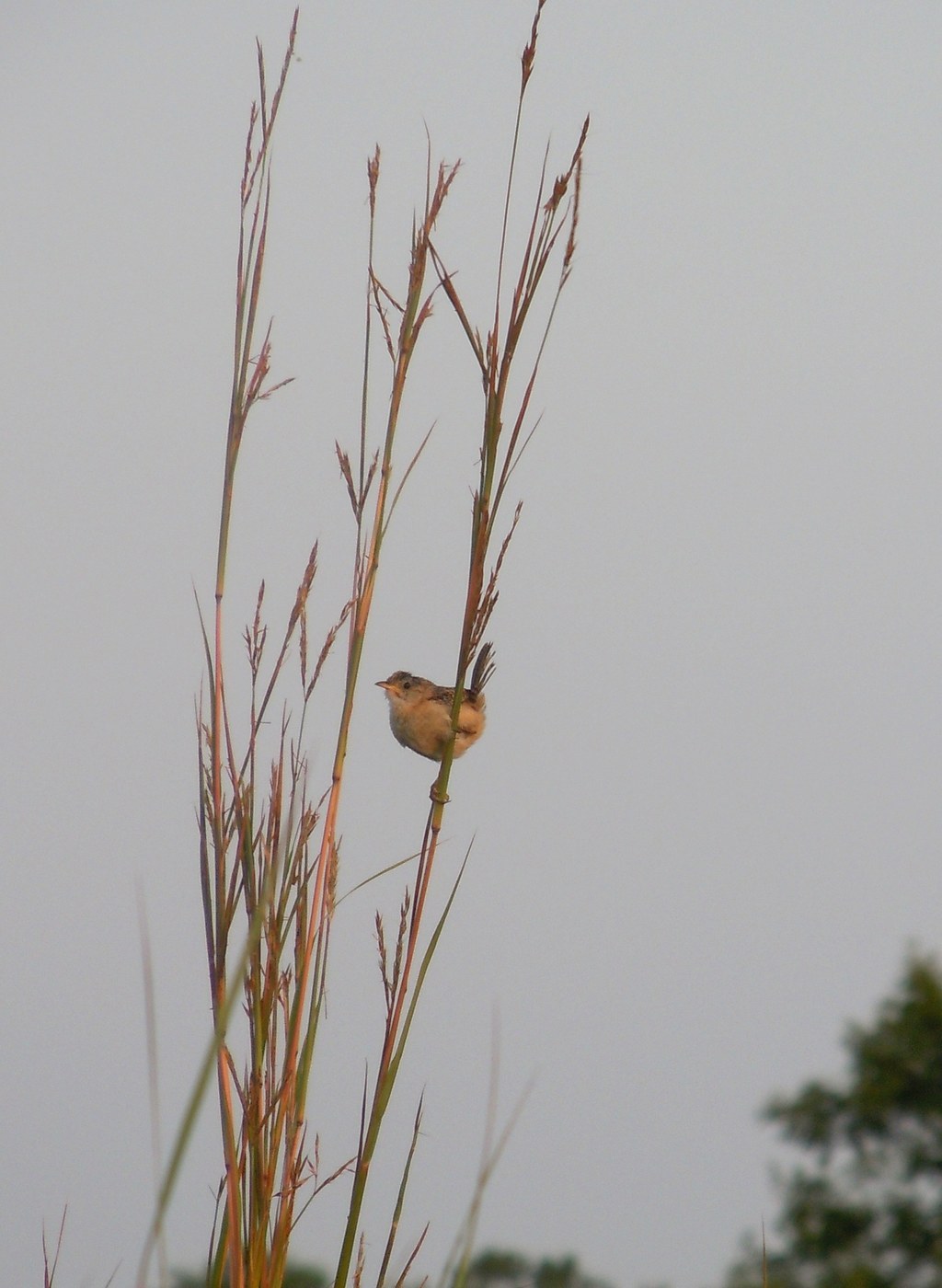
Tiny streaked crown and back feathers

Yellow-winged Cacique
Glossy black body feathers, yellow wing patch, shaggy crest

Yellow Warbler
Small contour and flight feathers
Yellow-throated Warbler
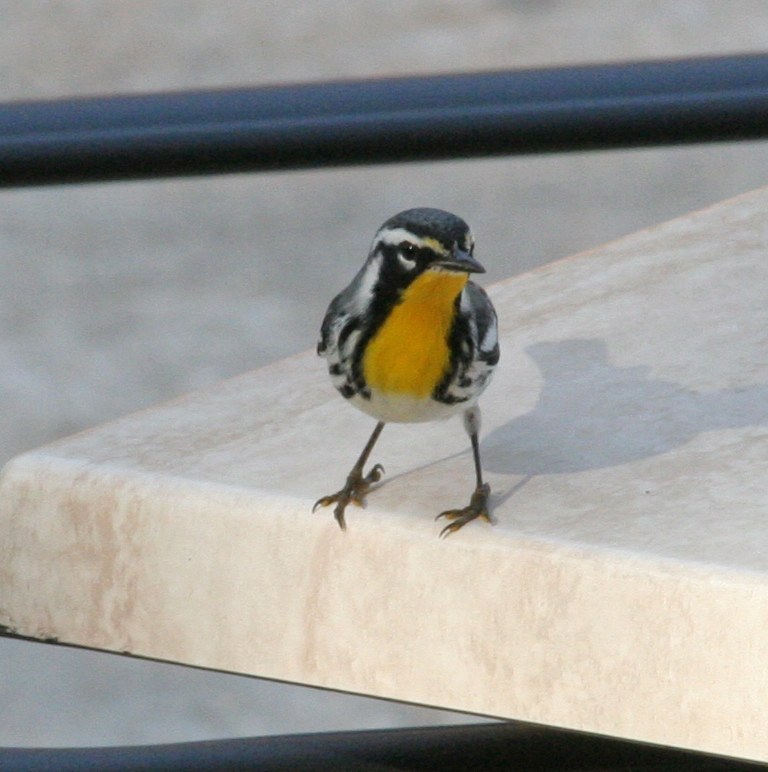
Small contour and flight feathers
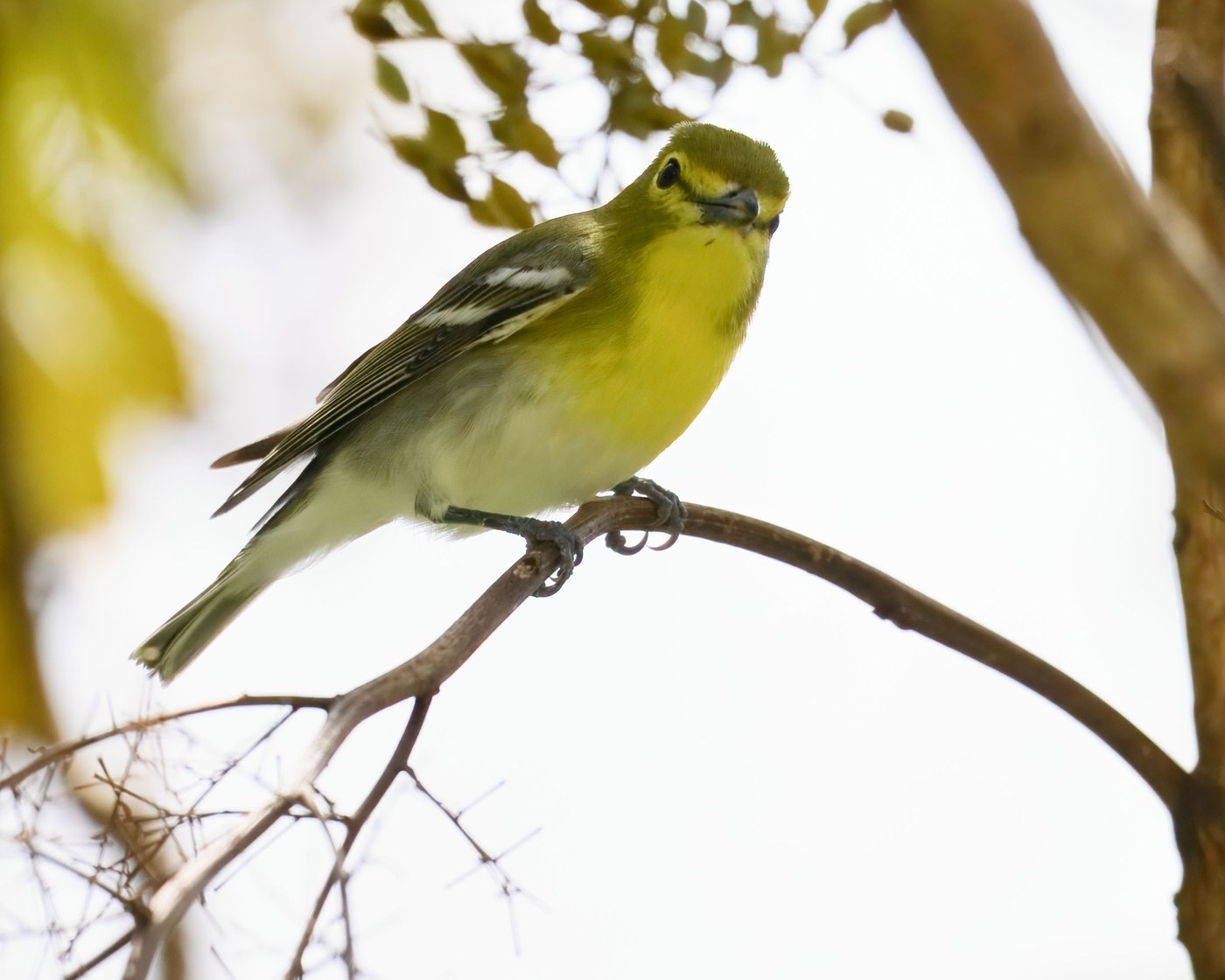
Yellow-throated Vireo
Bright yellow throat and spectacle feathers; olive-green back feathers; two white wing-bar feathers

Yellow-rumped Warbler
Small contour and flight feathers
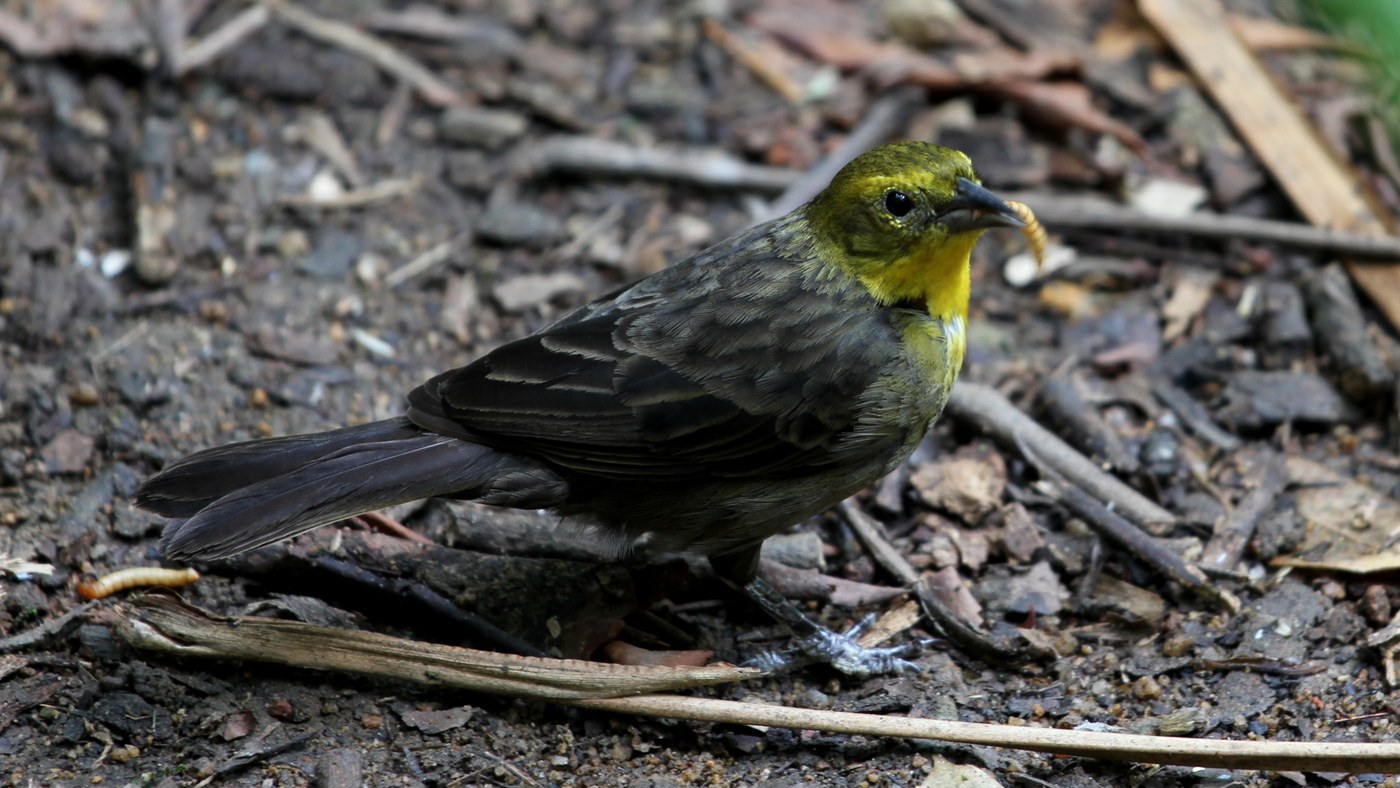
Yellow-hooded Blackbird
Contrasting hood and body feathers
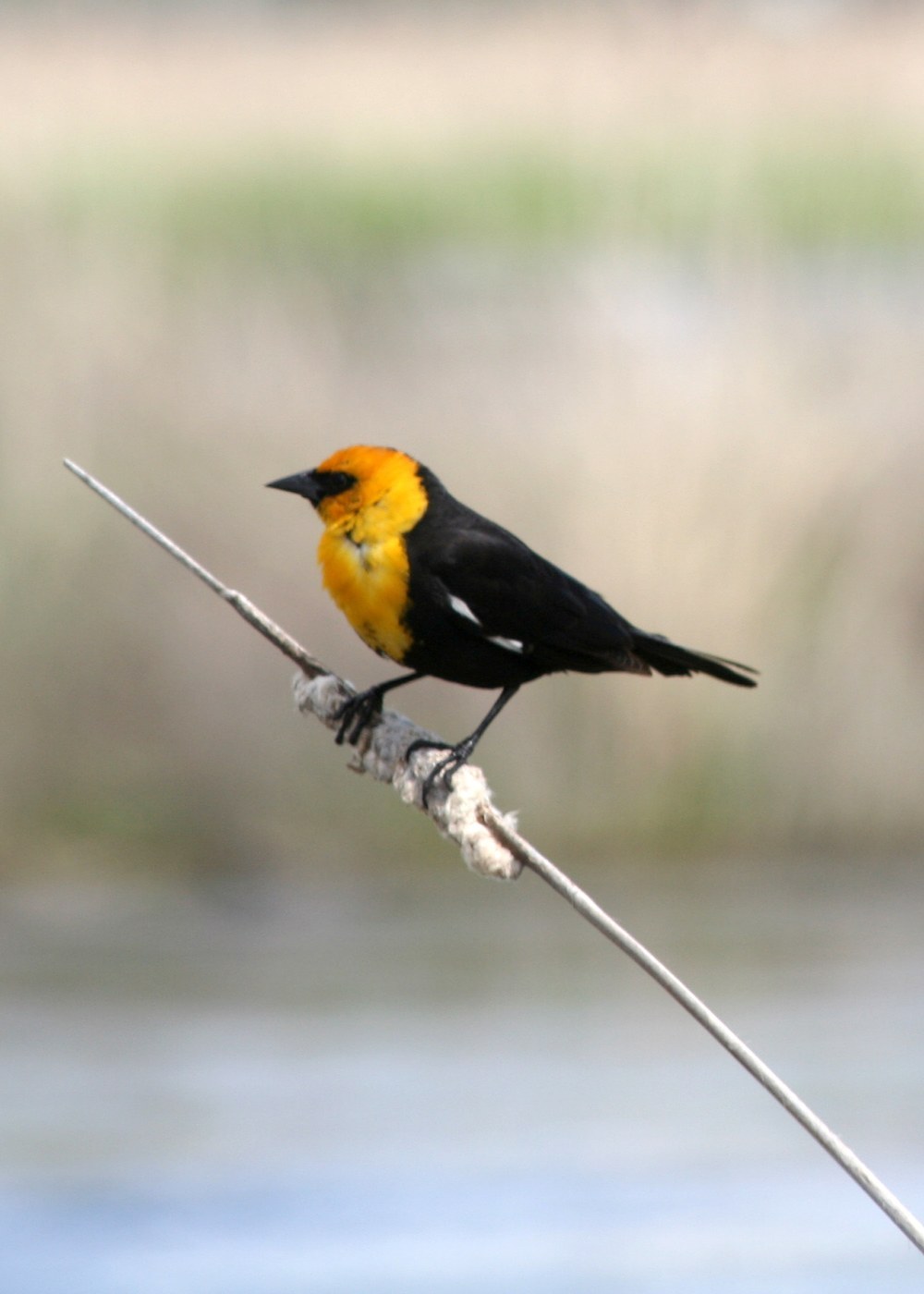
Yellow-headed Blackbird
Glossy black body plumage with a bright yellow head and breast

Yellow-eyed Junco
Contour and flight feathers

Yellow-fronted Canary
Small, smooth body plumage

Yellow-breasted Greenfinch
Compact, smooth body plumage