

Grey-capped Greenfinch
Chloris sinica
A form of East Asian greenfinch showing a distinctly grey crown and nape contrasting with olive-green body plumage and yellow wing flashes.
- Feather type
- Compact, smooth body plumage
- Colours
- Olive-green body, grey crown and nape, yellow wing flashes
- Bird size
- Small-medium finch, ~14-15 cm
Found a feather like this?
Identify any feather from a photo, free.
Overview
Overview
The Grey-capped Greenfinch describes populations of East Asian greenfinch showing a more pronounced grey wash across the crown and nape compared to greener-headed birds elsewhere in the range. Otherwise similar in structure and behavior to other regional greenfinches, this form occupies woodland edges, farmland, and garden habitats across parts of East Asia.
The contrast between the grey head and the olive-green body, combined with bright yellow wing flashes, gives this bird a slightly different overall impression from greener-headed populations, though the two intergrade across parts of their shared range.
Identifying the Feather
Feather Identification
- Head feathers: distinctly grey across the crown and nape, contrasting with the greener body.
- Body feathers: olive-green overall, particularly on the back and underparts.
- Wing feathers: dark with bold yellow patches at the base of the primaries.
- Tail feathers: dark with yellow at the base, visible in flight.
- Distinguishing from similar species: the grey head contrast is more pronounced than in greener-headed populations of the same species, though the two forms intergrade geographically.
Plumage & Molt
Plumage Details
Adults show a grey crown and nape contrasting with olive-green body plumage, and bold yellow patches in the wings and tail. Sexes are broadly similar, with females often slightly duller overall. Juveniles show more diffuse streaking and reduced yellow tones, along with a less defined grey head pattern, before their first molt.
Habitat & Range
Habitat & Range
This form occupies woodland edges, farmland, parks, and gardens across parts of East Asia, overlapping with other greenfinch populations. Movements vary regionally, with some populations resident and others undertaking short-distance seasonal shifts.
Behavior & Field Notes
Behavior & Field Notes
Feeding, song, and nesting behavior closely match that of other regional greenfinches, with seeds gathered from trees, shrubs, and the ground forming the primary diet. Flocks are common outside the breeding season. The grey crown and nape provide the main feather-based distinction from greener-headed populations within the same widespread species, though field separation can be subtle where the two forms meet.
Frequently asked questions
What feather feature defines the grey-capped form?
A distinctly grey crown and nape contrasting with the otherwise olive-green body plumage.
How does this compare to greener-headed populations of the same species?
The head shows more grey and less green, though the two forms can intergrade where their ranges meet.
What color are the wing feathers?
Dark with bold yellow patches at the base of the primaries, matching the pattern of related greenfinches.
Where is this form found?
In woodland edges, farmland, and gardens across parts of East Asia.
Grey-capped Greenfinch guides
In-depth guides for identifying and understanding Grey-capped Greenfinch.

Other feathers you may enjoy

Yellow-breasted Bunting
Contour and flight feathers, chestnut-and-yellow breeding pattern
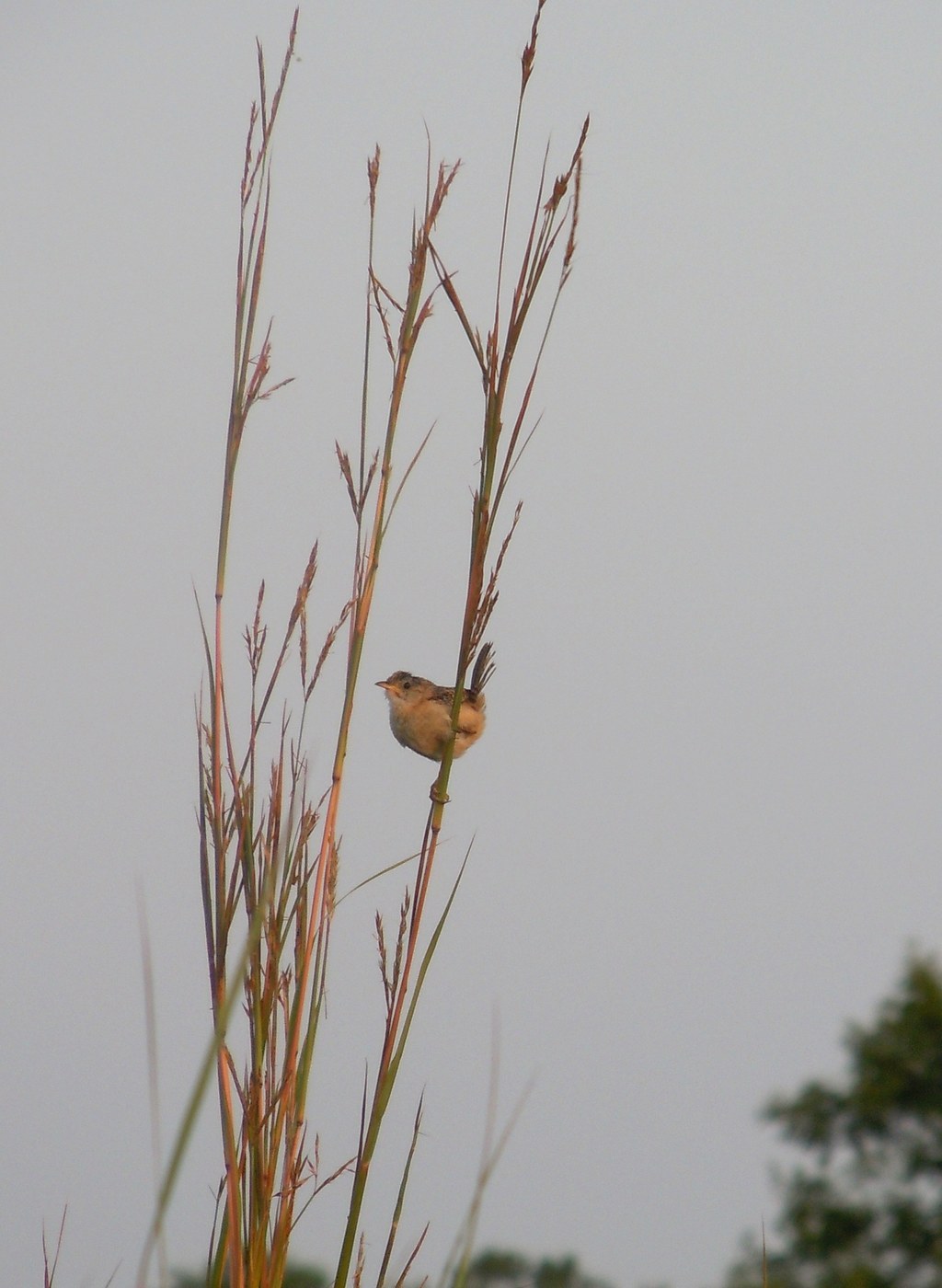
Sedge Wren
Tiny streaked crown and back feathers

Yellow-winged Cacique
Glossy black body feathers, yellow wing patch, shaggy crest

Yellow Warbler
Small contour and flight feathers
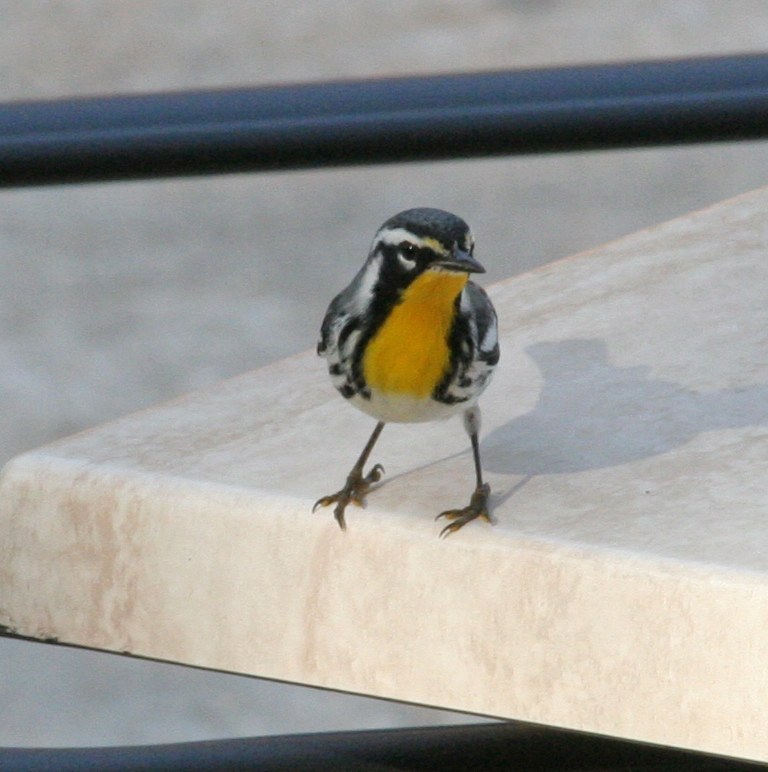
Yellow-throated Warbler
Small contour and flight feathers
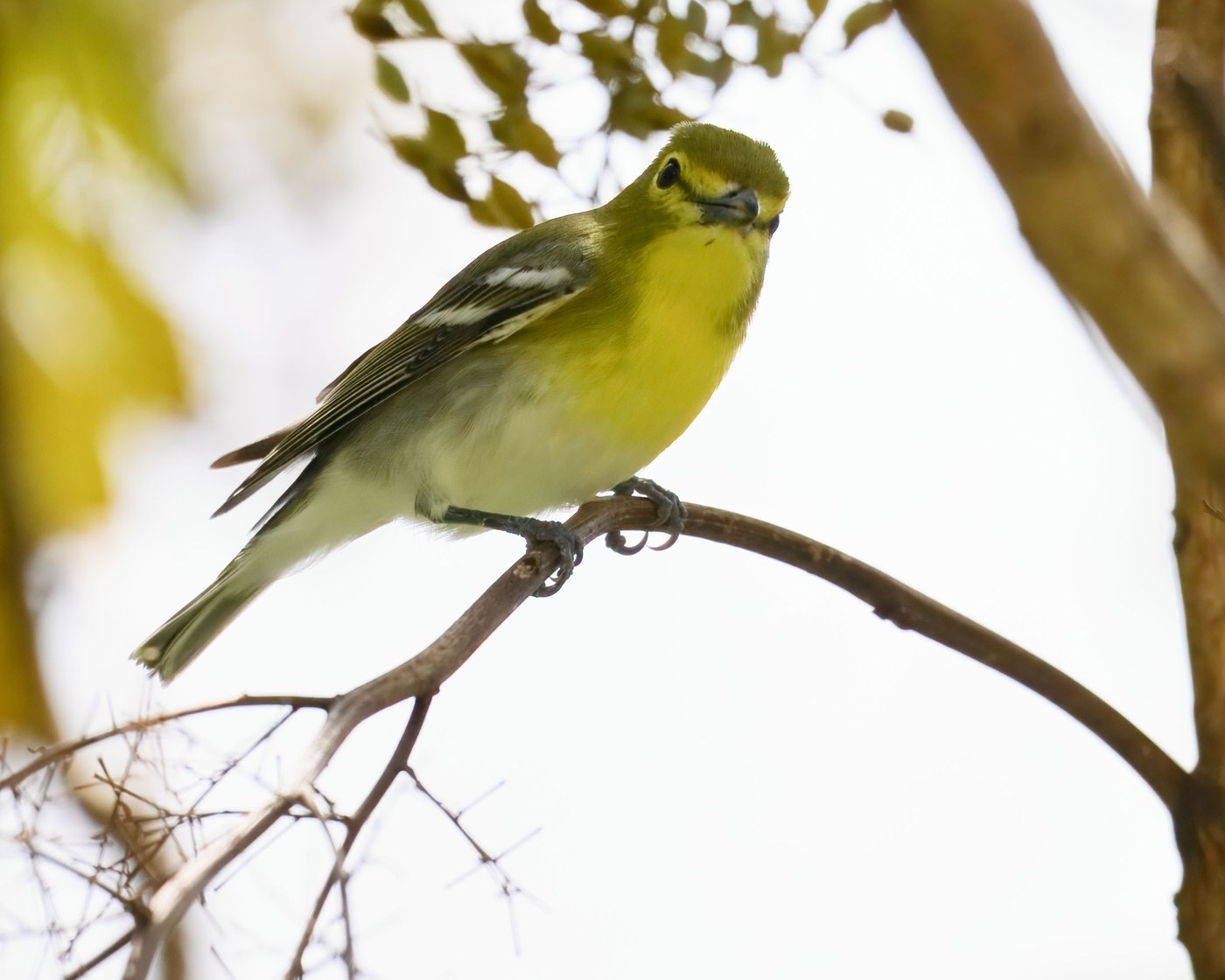
Yellow-throated Vireo
Bright yellow throat and spectacle feathers; olive-green back feathers; two white wing-bar feathers

Yellow-rumped Warbler
Small contour and flight feathers
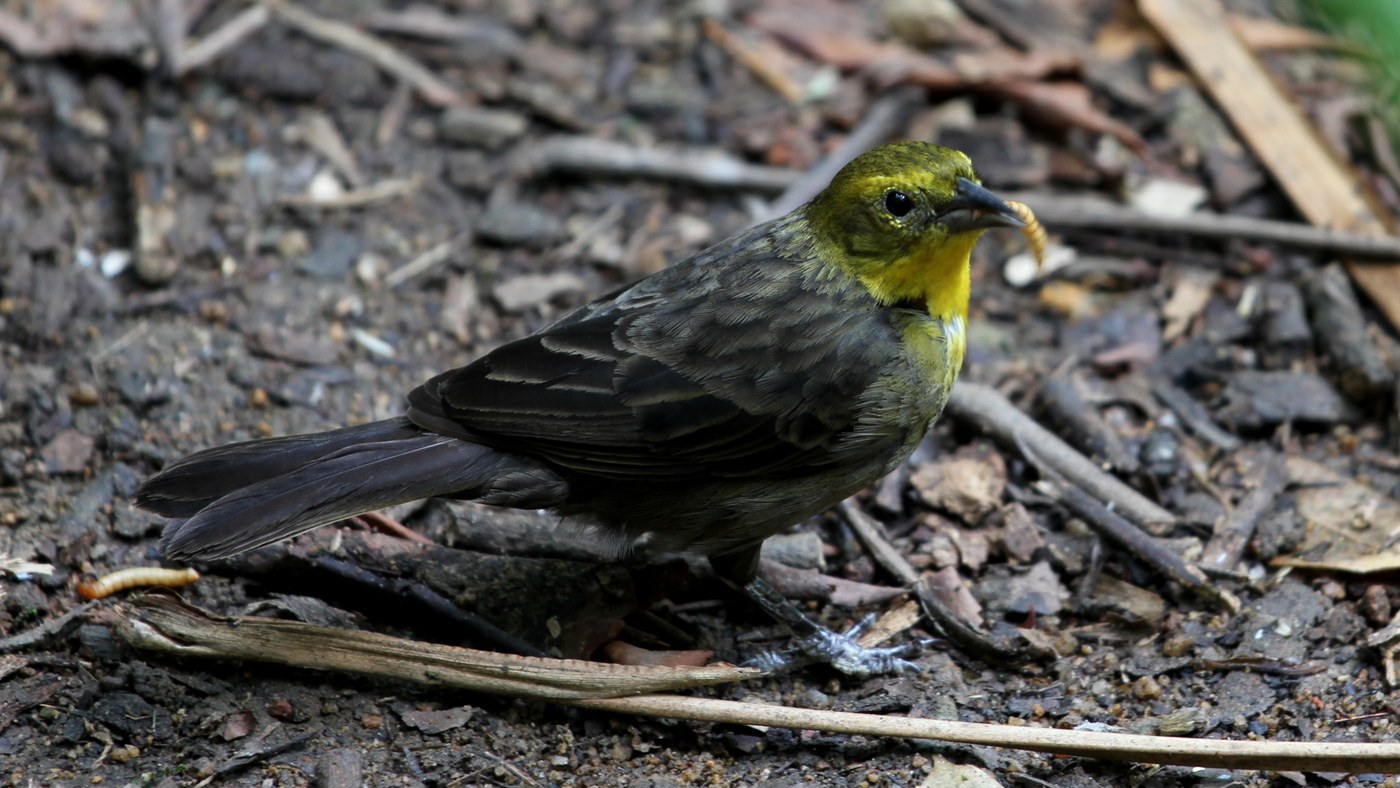
Yellow-hooded Blackbird
Contrasting hood and body feathers
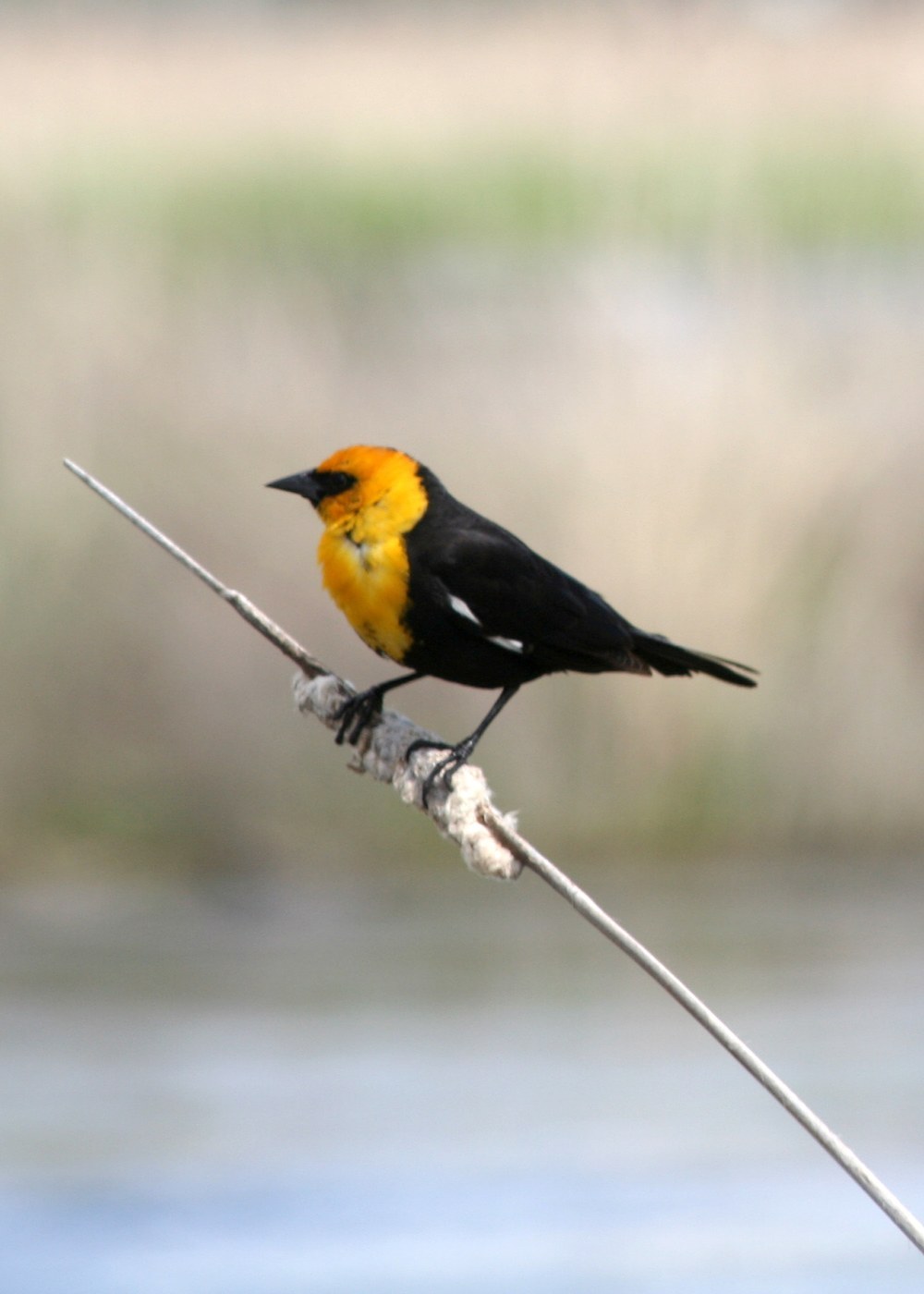
Yellow-headed Blackbird
Glossy black body plumage with a bright yellow head and breast

Yellow-eyed Junco
Contour and flight feathers

Yellow-fronted Canary
Small, smooth body plumage

Yellow-breasted Greenfinch
Compact, smooth body plumage