
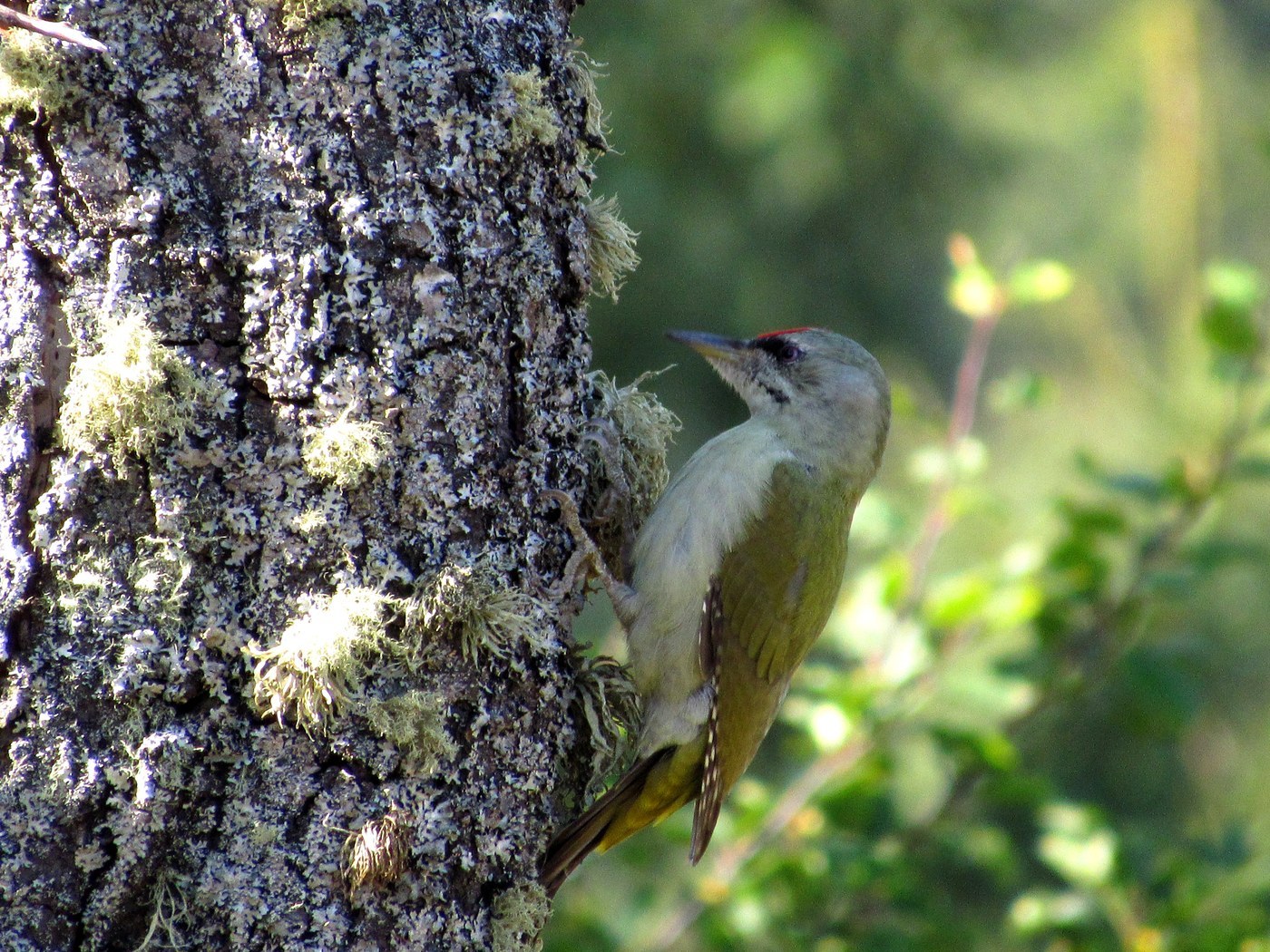
Grey-headed Woodpecker
Picus canus
A quieter, grayer relative of the Green Woodpecker found across the forests of Europe and Asia, told by its grey head and much smaller red cap.
- Feather type
- Olive-green contour feathers with grey head plumage
- Colours
- Olive-green body with a grey head and small red patch in males
- Bird size
- Medium, ~27 cm
Found a feather like this?
Identify any feather from a photo, free.
Overview
The Grey-headed Woodpecker has an extensive range across Eurasia, from Europe through Siberia to Japan and into montane Southeast Asia. It closely resembles the more familiar Green (Eurasian Green) Woodpecker in overall body plan and habits but differs clearly in head pattern, showing an overall grey head rather than a fully green-and-red one.
It tends to forage more within trees than the more ground-oriented Green Woodpecker, reflecting subtle ecological differences between the two closely related species.
Identifying the Feather
Key features:
- Crown feathers are grey overall, with only a small red patch on the forecrown present in males
- Females lack red entirely, showing a plain grey crown
- Body feathers are olive-green above and greyish-green below, generally less vivid than the Green Woodpecker
- The black malar (mustache) stripe is narrower than in the Green Woodpecker
Compared to similar species: the (Eurasian) Green Woodpecker shows a much more extensive red crown in both sexes and a more vivid yellow-green rump, while the Grey-headed Woodpecker's red is restricted to a small forecrown patch in males only.
Plumage & Molt
Males show a small red patch on the forecrown bordered by black, while females have a plain grey head lacking any red. Juveniles are duller overall with some barring on the underparts. A complete annual molt follows breeding.
Habitat & Range
This species has one of the broadest ranges of any Eurasian woodpecker, occurring in mixed and deciduous forest and forest edge from Europe through Siberia to Japan and into mountainous parts of Southeast Asia. It is largely resident, though some northern populations may make short-distance movements in harsh winters.
Behavior & Field Notes
Grey-headed Woodpeckers forage more within trees than the ground-feeding Green Woodpecker, taking ants and other insects from bark and branches as well as occasionally from the ground. Their call is a distinctive descending, whinnying series of notes. They drum more frequently than the Green Woodpecker and nest in excavated tree cavities.
Frequently asked questions
How do I separate a Grey-headed Woodpecker feather from a Green Woodpecker feather?
A grey (rather than red) crown feather, or a red crown feather restricted to a small patch, points to Grey-headed Woodpecker, since the Green Woodpecker shows a much more extensive red crown in both sexes.
Do females of this species show any red?
No, adult female Grey-headed Woodpeckers have an entirely grey head with no red, unlike males which show a small red forecrown patch.
What is the range of this species?
It spans a very wide area of Eurasia, from Europe through Siberia to Japan and into montane parts of Southeast Asia, in mixed and deciduous forest.
Does this species feed on the ground like the Green Woodpecker?
It forages more within trees than the strongly ground-feeding Green Woodpecker, though it will still take some insects from the ground.
Grey-headed Woodpecker guides
In-depth guides for identifying and understanding Grey-headed Woodpecker.
Other feathers you may enjoy

Ivory-billed Woodpecker
Very large flight feathers with a solid white trailing patch

Great Slaty Woodpecker
Massive, uniformly colored contour feathers

Yellow-tufted Woodpecker
Black body feathers with bright yellow forehead tufts

Magellanic Woodpecker
Very large, glossy contour feathers with a recurved crest

Yellow-bellied Sapsucker
Black-and-white patterned back and facial-stripe feathers
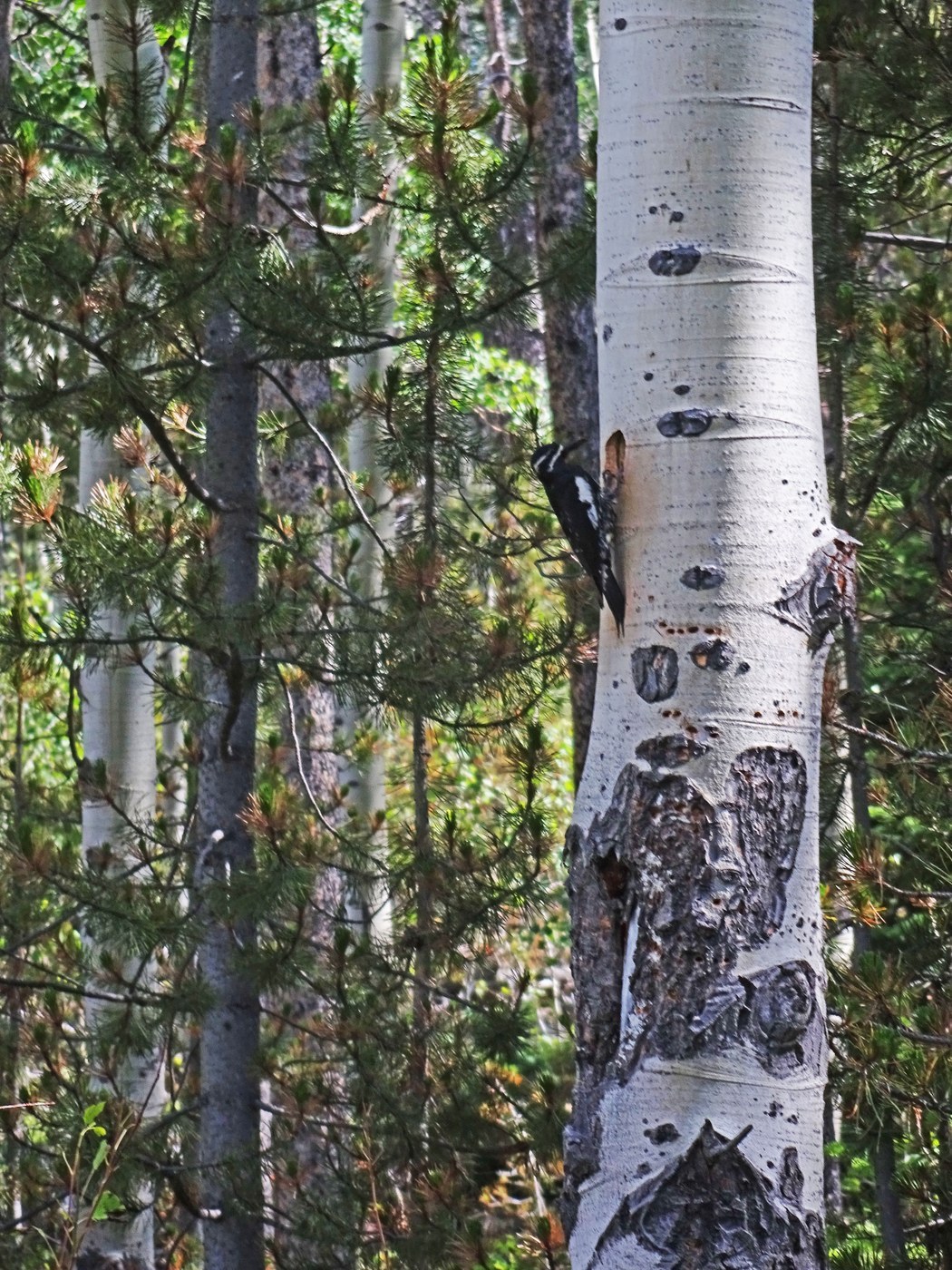
Williamson's Sapsucker
Strongly sexually dimorphic body feathers, glossy black or finely barred brown

Yellow-crowned Woodpecker
Contour and flight feathers

White Woodpecker
Mostly white body feathers with contrasting black wings and back

Red-throated Wryneck
Soft, cryptically mottled contour feathers

White-bellied Woodpecker
Large, glossy black contour and flight feathers

White-backed Woodpecker
Barred back feathers rather than a solid white patch
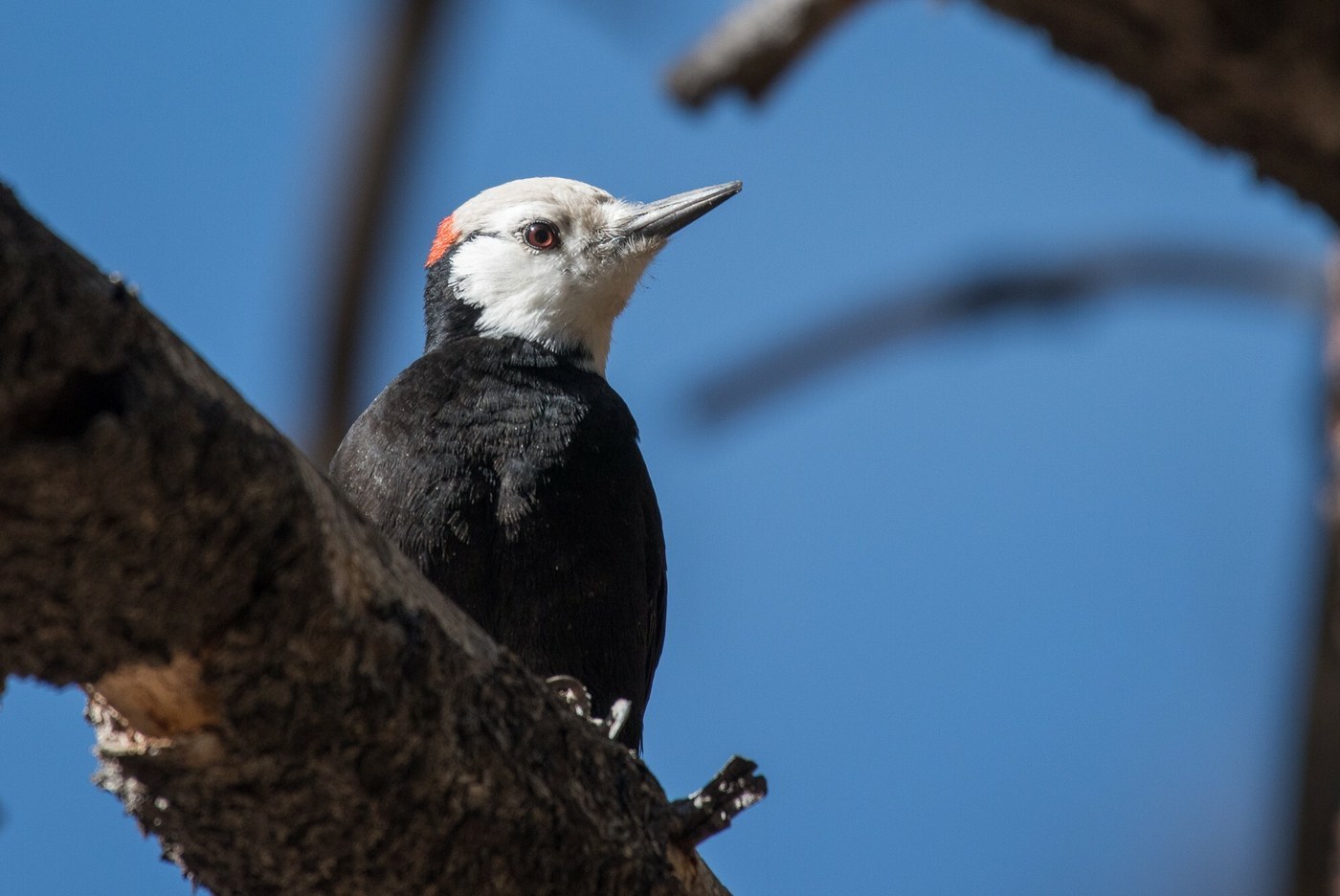
White-headed Woodpecker
Solid black body feathers with an entirely white head