

Grey Warbler
Gerygone igata
The Grey Warbler is one of New Zealand's smallest birds, a plain grey-brown insect-eater best known for its long, trilling song rather than its understated plumage.
- Feather type
- Tiny, soft, loosely webbed contour feathers
- Colours
- Grey-brown above with paler grey underparts
- Bird size
- Tiny, ~10 cm
Found a feather like this?
Identify any feather from a photo, free.
Overview
Overview
The Grey Warbler is a tiny, unobtrusive songbird found throughout New Zealand, more often heard than seen due to its plain colouring and habit of foraging high in the canopy. Its long, warbling song is a familiar sound of New Zealand forests and gardens.
- Family: Acanthizidae (Australasian warblers)
- Distribution: throughout New Zealand, including many offshore islands
- Notable trait: constant tail-flicking while foraging
Identifying the Feather
Feather Identification
Plumage is understated, grey-brown above and paler grey below, with a faint whitish eyebrow and a red or reddish eye that stands out on the plain face. The tail is fairly long relative to the tiny body and is frequently flicked open, showing small white tail-corner spots in flight. There is no bold wing pattern or barring.
- Overall tone: plain grey-brown, no strong markings
- Key mark: red eye and habitually flicked tail with white corners
- Compare with: Silvereye (has a bold white eye-ring, lacking in the Grey Warbler) and other small grey songbirds
Plumage & Molt
Plumage
Sexes look alike, with little visible difference between males and females. Juveniles are similar to adults but slightly duller, with the eye colour taking time to develop its full reddish tone. There is minimal seasonal plumage variation.
Habitat & Range
Habitat & Range
Grey Warblers occupy a wide range of wooded habitats, from native forest and scrub to exotic plantations and well-treed gardens, throughout New Zealand and many offshore islands. They are largely sedentary, holding small territories year-round.
Behavior & Field Notes
Behavior & Field Notes
This species forages actively for small insects and spiders, gleaning them from leaves and twigs, often high in the canopy, constantly flicking its tail and wings. Its song is a long, wavering, trilling series of notes, quite distinctive despite the bird's plain appearance. It builds a domed, pear-shaped nest with a side entrance, suspended from a branch.
- Diet: small insects and spiders
- Voice: a long, wavering trill, one of the more musical small-bird songs in New Zealand forest
- Field note: frequently detected by song well before being seen, owing to its plain colouring and habit of foraging in dense or high foliage
Frequently asked questions
How can I identify a Grey Warbler if I can barely see it?
Listen for its long, wavering trilling song, one of the most distinctive and far-carrying songs among New Zealand's small birds.
What colour are its eyes?
Adults have a reddish eye that contrasts with the otherwise plain grey-brown face.
What kind of nest does it build?
A domed, pear-shaped nest with a side entrance hole, suspended from a branch or twig.
Is the Grey Warbler one of New Zealand's smallest birds?
Yes, at around 10 cm it is among the smallest birds found in New Zealand.
Grey Warbler guides
In-depth guides for identifying and understanding Grey Warbler.

Other feathers you may enjoy

Yellow-breasted Bunting
Contour and flight feathers, chestnut-and-yellow breeding pattern
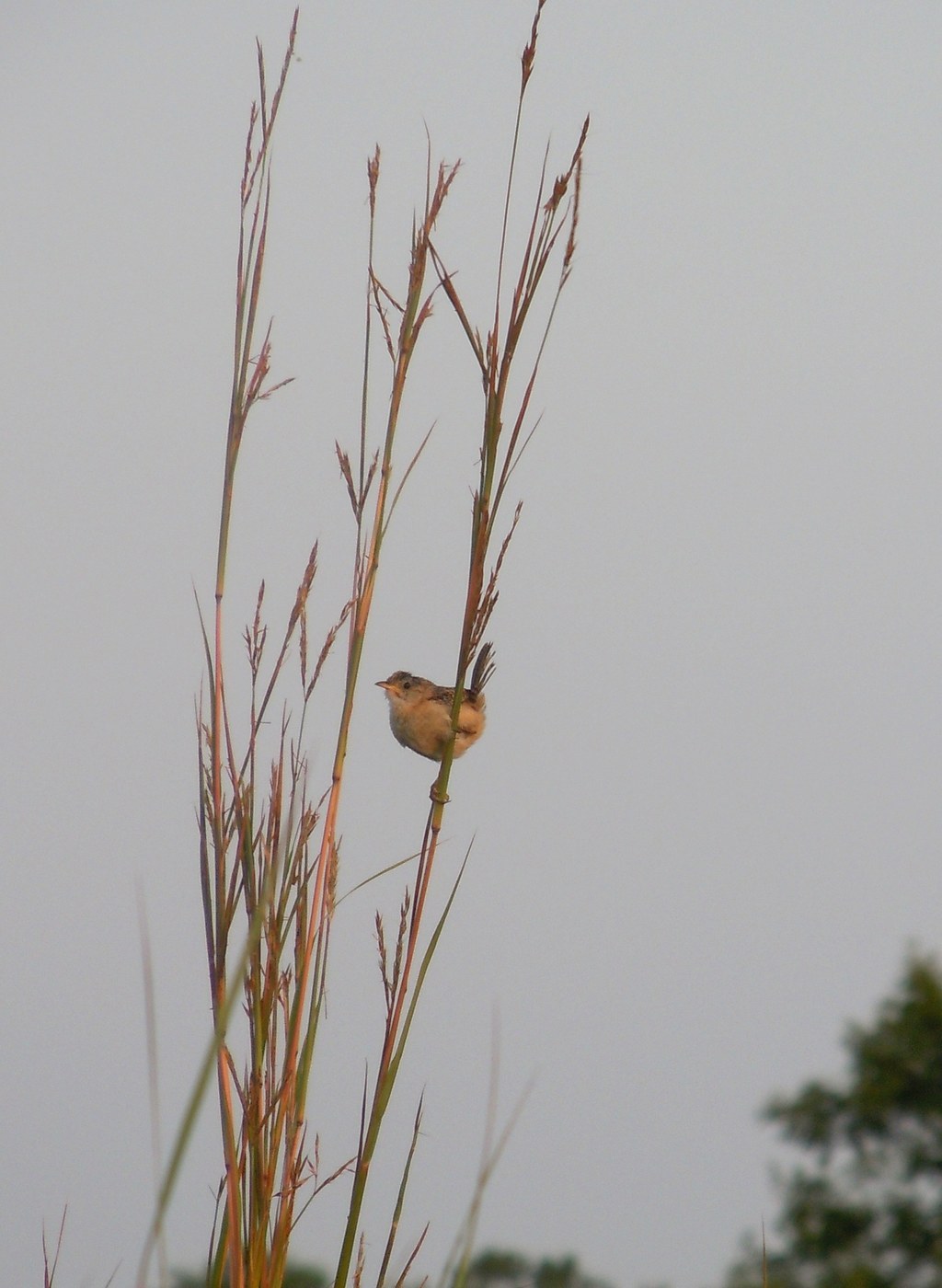
Sedge Wren
Tiny streaked crown and back feathers

Yellow-winged Cacique
Glossy black body feathers, yellow wing patch, shaggy crest

Yellow Warbler
Small contour and flight feathers
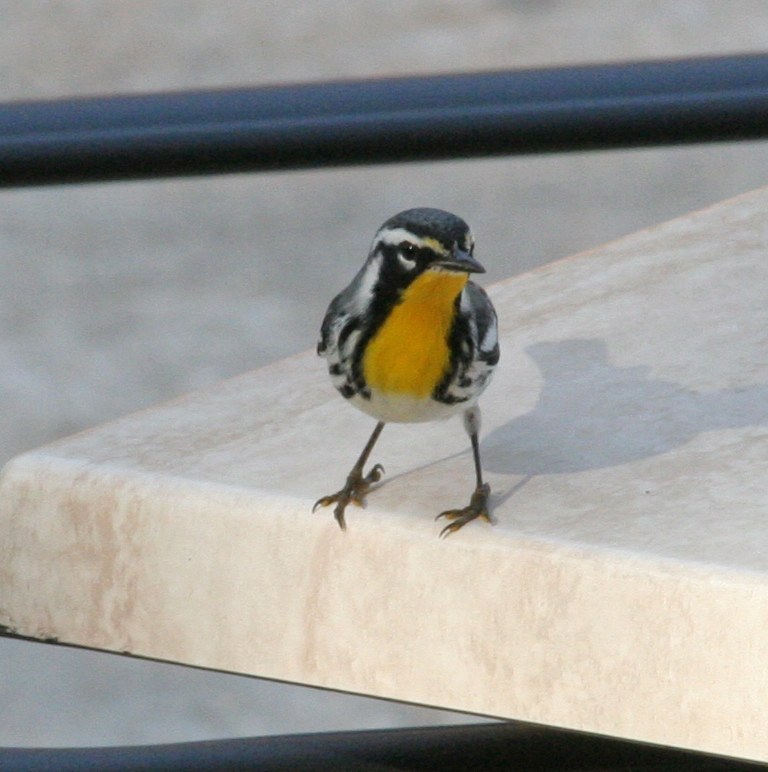
Yellow-throated Warbler
Small contour and flight feathers
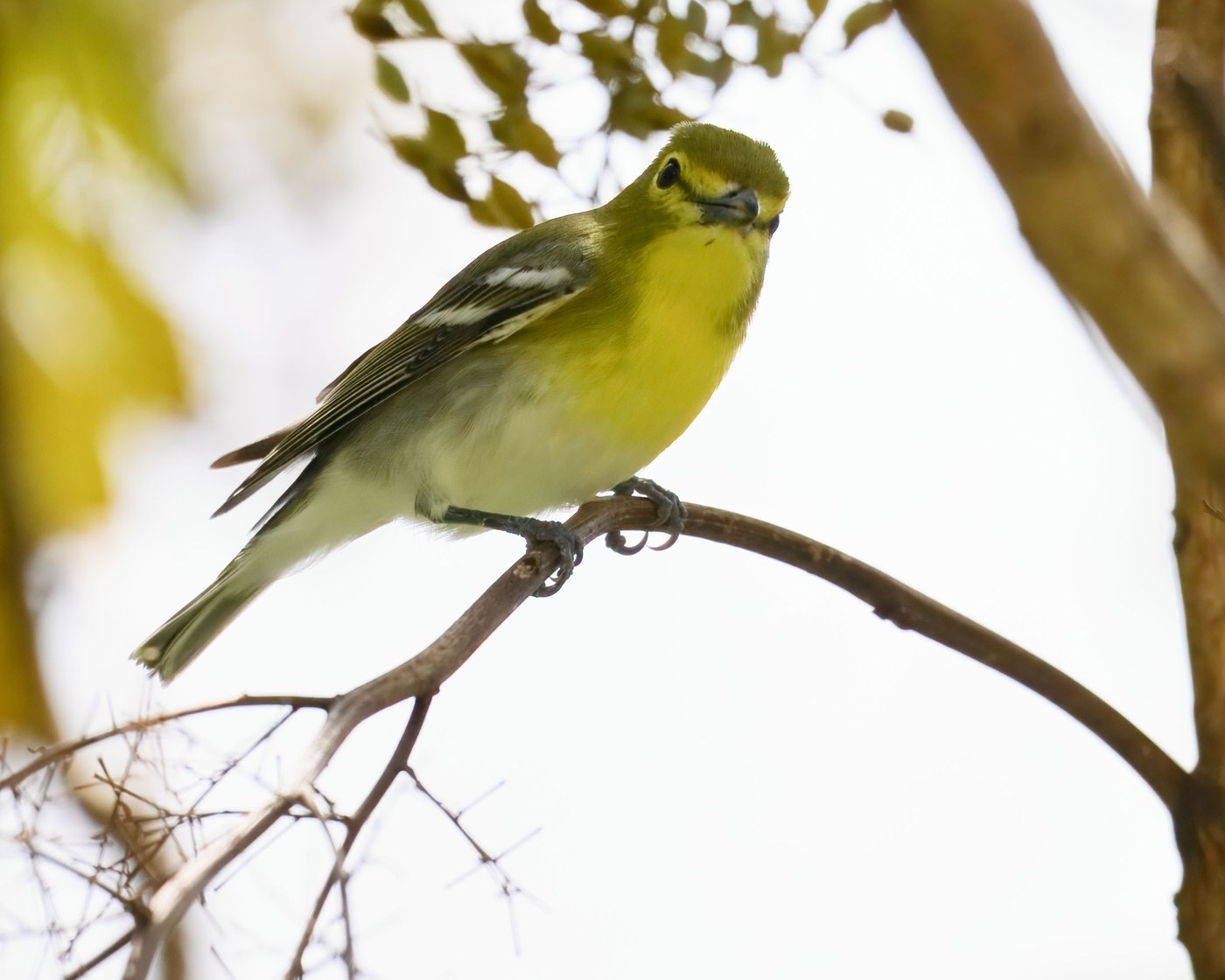
Yellow-throated Vireo
Bright yellow throat and spectacle feathers; olive-green back feathers; two white wing-bar feathers

Yellow-rumped Warbler
Small contour and flight feathers
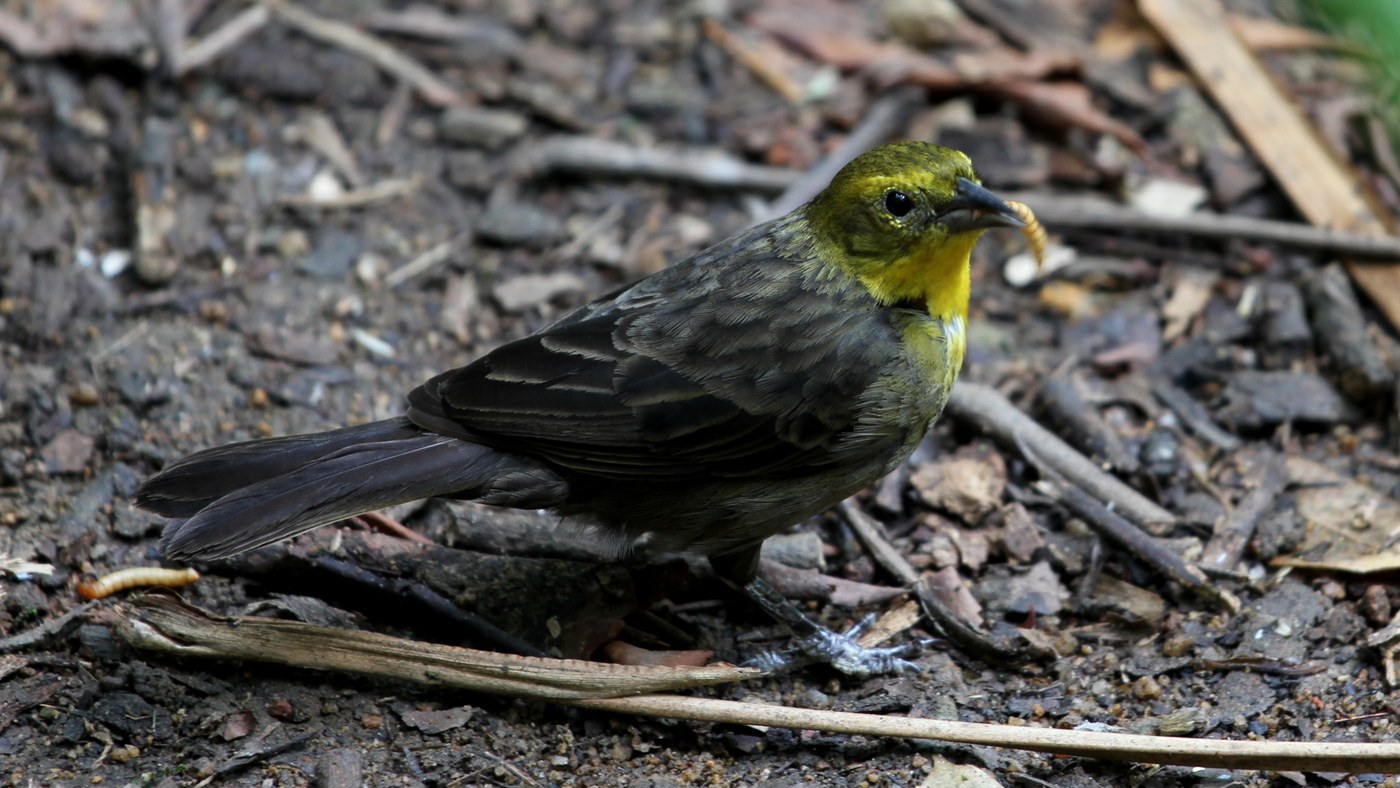
Yellow-hooded Blackbird
Contrasting hood and body feathers
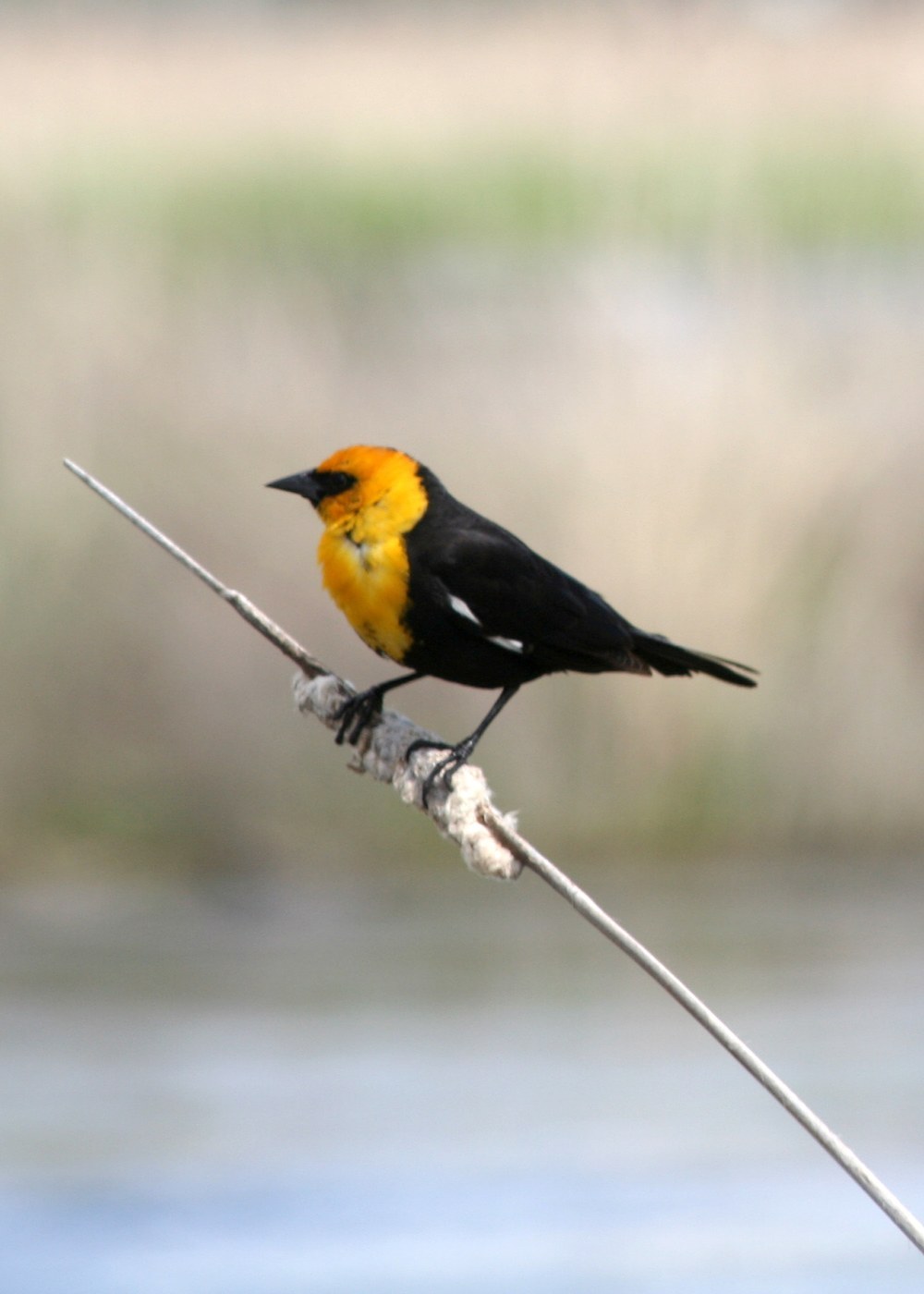
Yellow-headed Blackbird
Glossy black body plumage with a bright yellow head and breast

Yellow-eyed Junco
Contour and flight feathers

Yellow-fronted Canary
Small, smooth body plumage

Yellow-breasted Greenfinch
Compact, smooth body plumage