
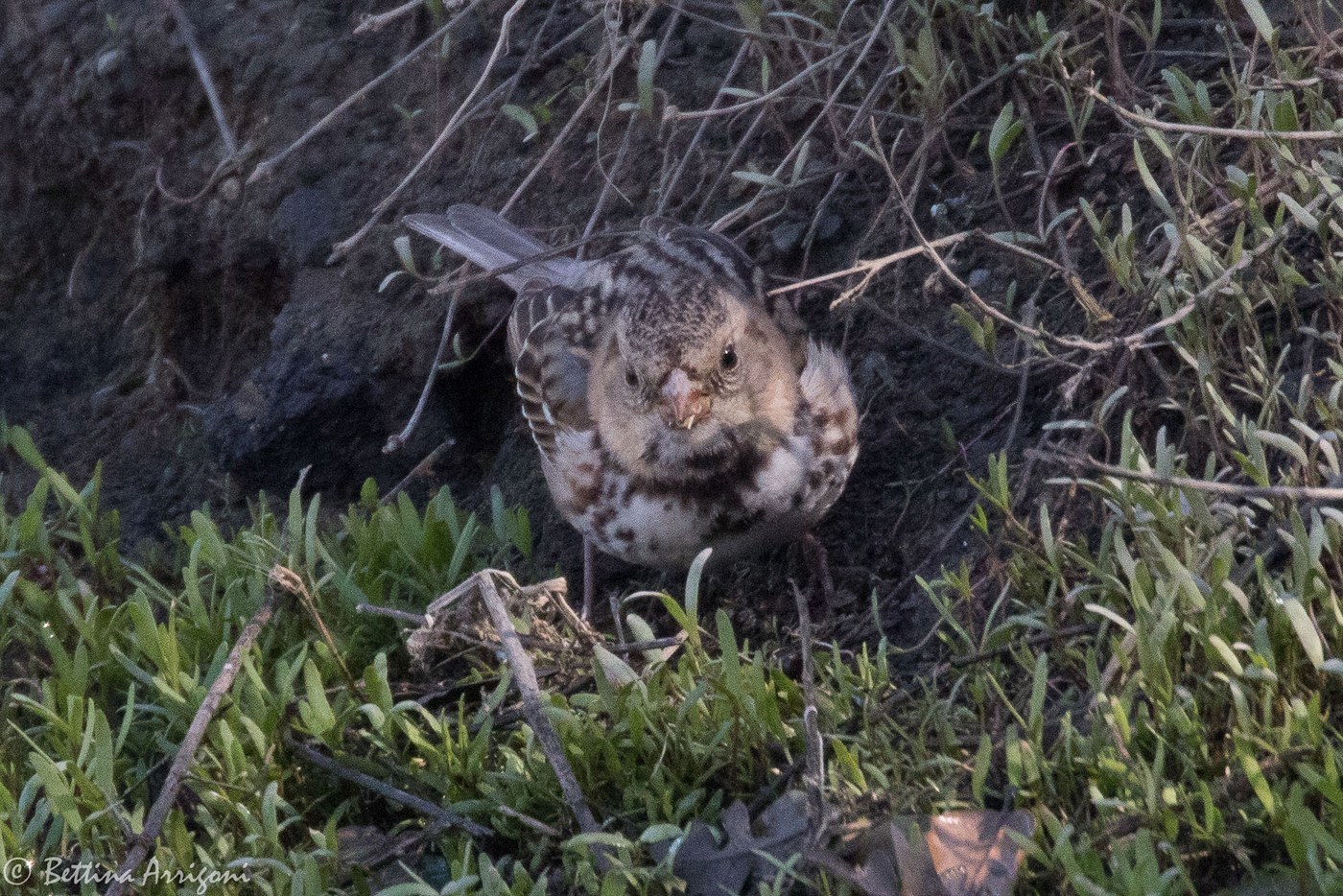
Harris's Sparrow
Zonotrichia querula
North America's largest sparrow, easily recognized by its bold black face and bib and pink bill.
- Feather type
- Contour and flight feathers
- Colours
- Black, gray, brown, and pink-buff
- Bird size
- Sparrow-sized, ~19 cm
Found a feather like this?
Identify any feather from a photo, free.
Overview
Overview
Harris's Sparrow is a big, robust sparrow with an unusually restricted breeding range in the stunted forest-tundra of north-central Canada, making it a species most people encounter only during migration or winter in the central Great Plains.
Its size, bold black hood, and bubblegum-pink bill set it apart from every other North American sparrow, and even faded winter birds retain enough of the pattern to be distinctive.
Identifying the Feather
Feather Identification
- Crown and face feathers: solid black crown and throat patch in breeding adults, framed by gray cheeks, creating a hooded look
- Bill: thick, conical, and pink, contrasting sharply with the black face feathers
- Body contour feathers: warm brown back streaked with black, gray underparts with a variable black bib
- Wing feathers: brown with two whitish wing bars from pale covert tips
- Compared to other Zonotrichia sparrows: Harris's is noticeably larger and bulkier, with the pink bill and black bib/crown combination unique among North American sparrows even in dull winter plumage
Plumage & Molt
Plumage Notes
Adult breeding birds show an extensive black crown, face, and bib against gray cheeks and a streaky brown back. Winter adults retain much of this pattern but with some white flecking in the black feathering. First-winter birds show a much more limited black throat patch and a whitish chin, with the black crown reduced to streaking, making age classes distinguishable in flocks. A single complete prebasic molt follows breeding, and the striking black hood is acquired gradually, so mid-winter flocks often show a range of black-face extent tied to age.
Habitat & Range
Habitat & Range
The breeding range is limited to a band of stunted spruce and tundra transition habitat in the central Canadian Arctic, one of the smallest breeding ranges of any North American sparrow. Migration and wintering habitat consists of brushy fields, woodland edges, and hedgerows across the central Great Plains states. This species is a true long-distance migrant between a narrow northern breeding zone and a comparatively narrow wintering belt, making it a sought-after find outside that core winter range.
Behavior & Field Notes
Behavior & Field Notes
Harris's Sparrows forage on the ground in brushy cover, often in small flocks with other sparrows and juncos, scratching through leaf litter and low vegetation for seeds. They tend to perch up in shrubs when alert or singing, showing off the bold face pattern. The song is a series of clear, plaintive whistled notes on a single pitch or stepping between two pitches, often heard on the breeding grounds but also given occasionally in winter flocks. Nests are built on the ground under stunted conifers within their remote breeding range.
Frequently asked questions
What makes Harris's Sparrow easy to identify?
Its large size, pink bill, and black face and bib are unlike any other North American sparrow, making it distinctive even to beginners once a good look is obtained.
Do all Harris's Sparrows have a full black hood?
No, only older breeding-plumaged adults show the most extensive black hood; first-winter birds have much less black on the face and throat.
Where is the best place to see Harris's Sparrow?
The central Great Plains states during migration and winter, since the breeding range is a remote and hard-to-access part of northern Canada.
Is Harris's Sparrow found in large flocks?
It typically occurs in small, loose groups mixed with other sparrow species rather than large single-species flocks.
Harris's Sparrow guides
In-depth guides for identifying and understanding Harris's Sparrow.
Other feathers you may enjoy

Yellow-breasted Bunting
Contour and flight feathers, chestnut-and-yellow breeding pattern
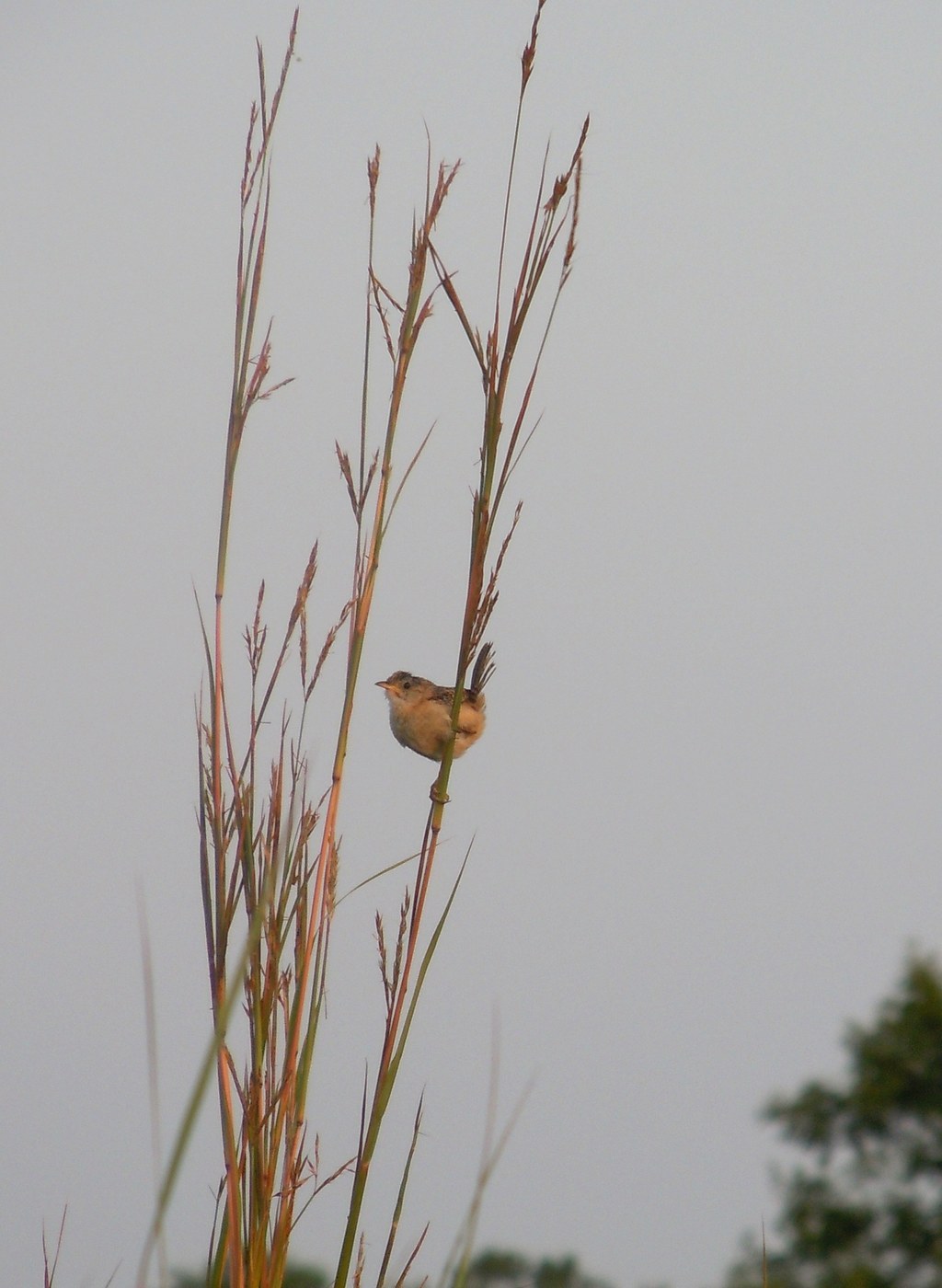
Sedge Wren
Tiny streaked crown and back feathers

Yellow-winged Cacique
Glossy black body feathers, yellow wing patch, shaggy crest

Yellow Warbler
Small contour and flight feathers
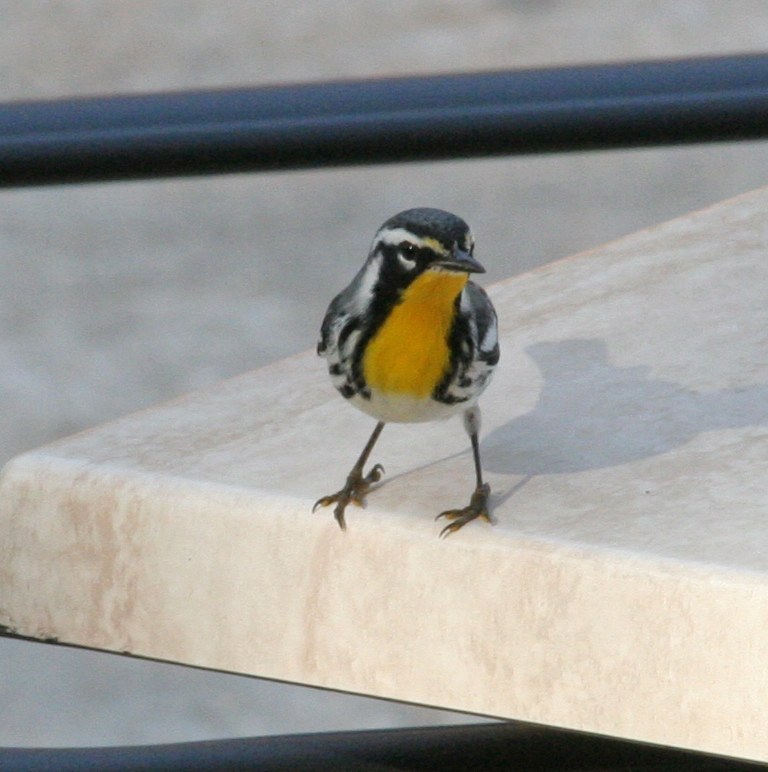
Yellow-throated Warbler
Small contour and flight feathers
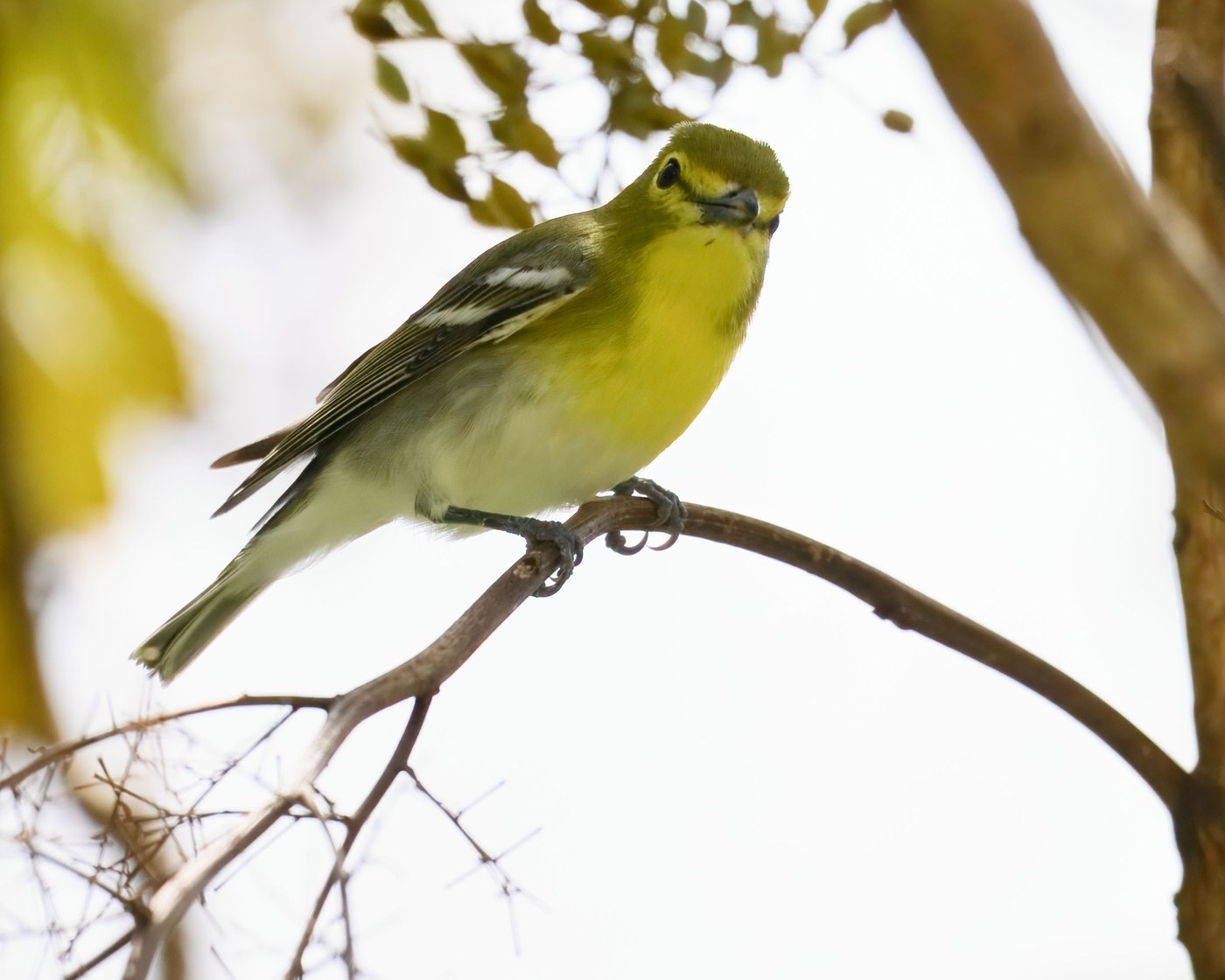
Yellow-throated Vireo
Bright yellow throat and spectacle feathers; olive-green back feathers; two white wing-bar feathers

Yellow-rumped Warbler
Small contour and flight feathers
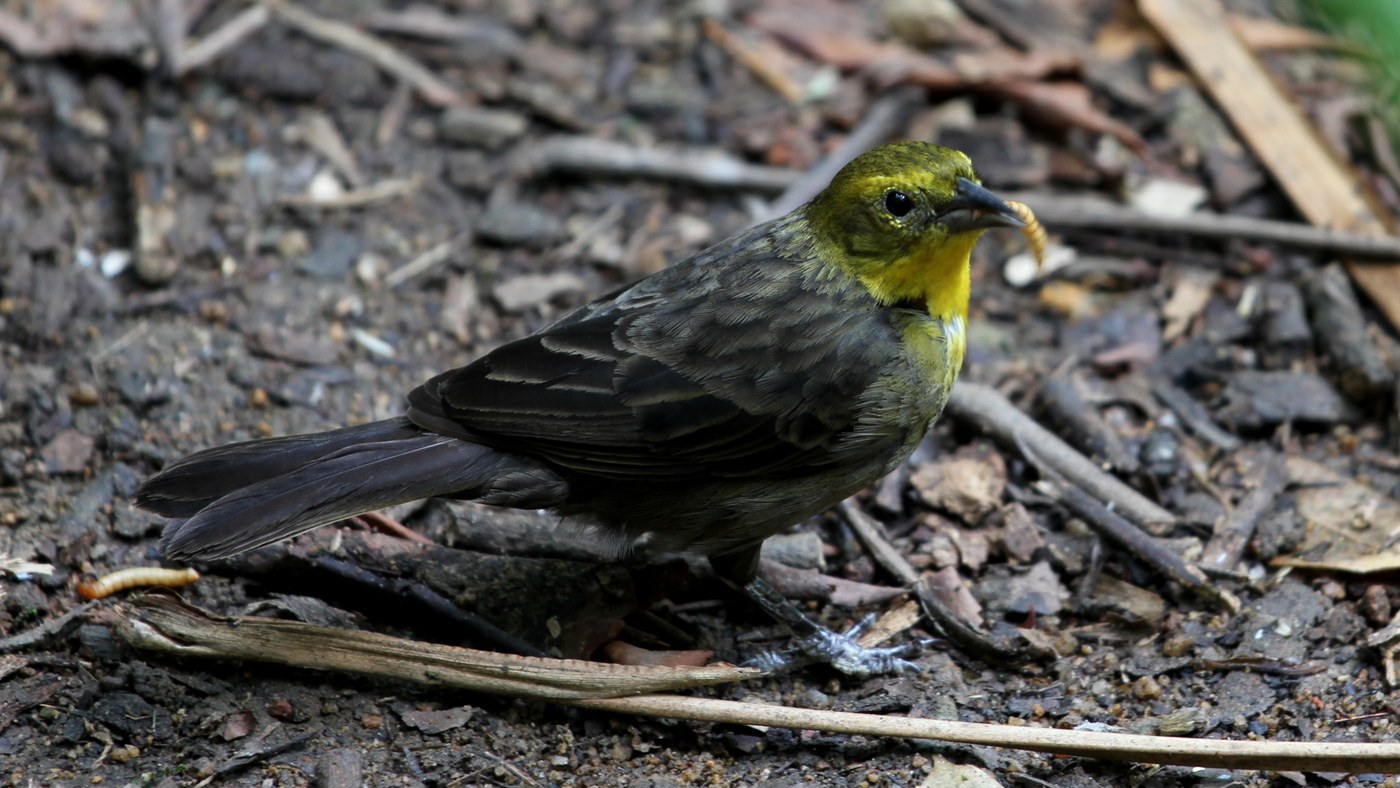
Yellow-hooded Blackbird
Contrasting hood and body feathers
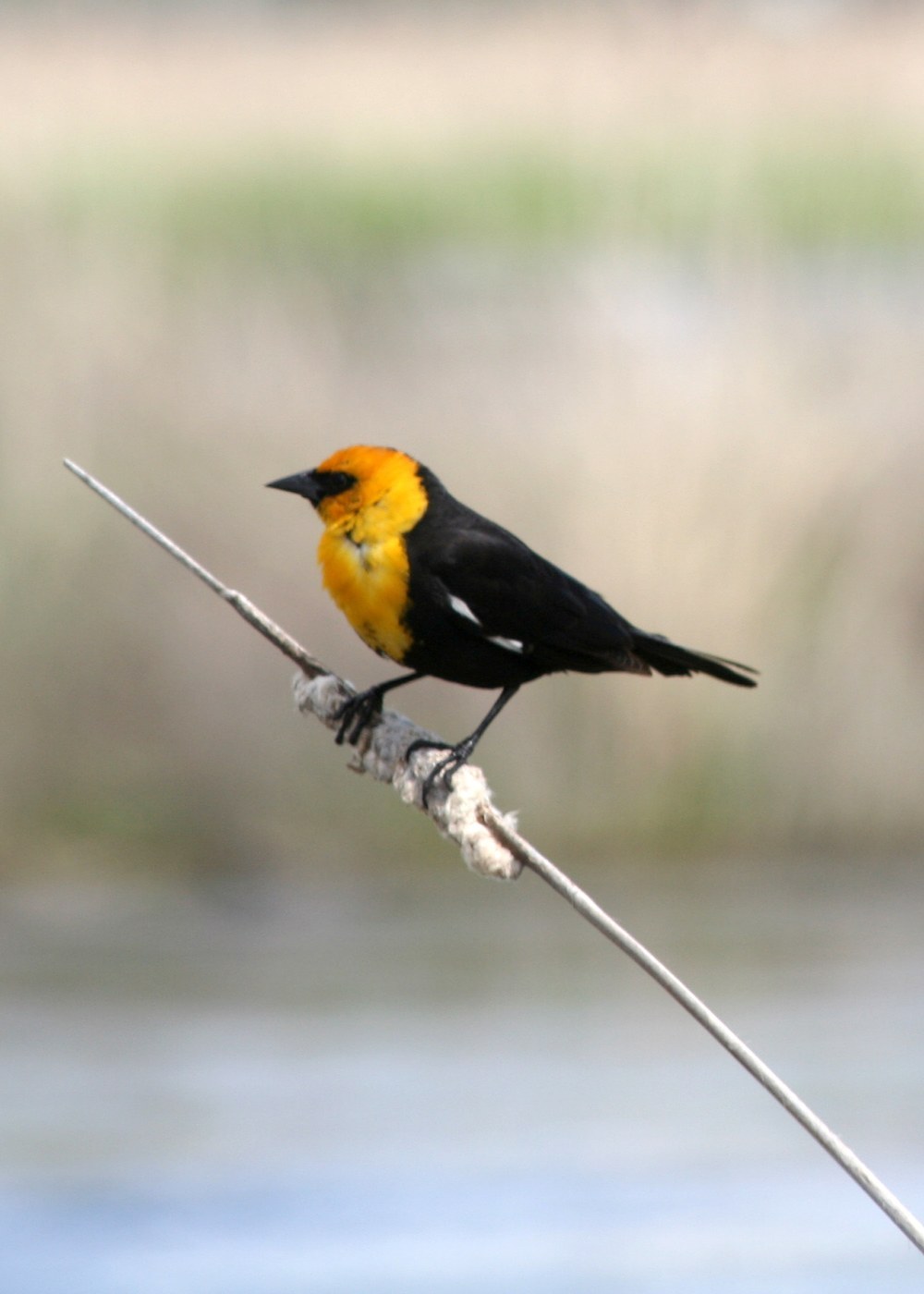
Yellow-headed Blackbird
Glossy black body plumage with a bright yellow head and breast

Yellow-eyed Junco
Contour and flight feathers

Yellow-fronted Canary
Small, smooth body plumage

Yellow-breasted Greenfinch
Compact, smooth body plumage