

Hooded Siskin
Spinus magellanicus
A small South American finch whose male sports a jet-black hood set off by bright yellow underparts and wing flashes.
- Feather type
- Small, pointed contour feathers; notched flight feathers
- Colours
- Black head, olive-yellow back, bright yellow underparts and wing patches
- Bird size
- Sparrow-sized, ~11 cm
Found a feather like this?
Identify any feather from a photo, free.
Overview
Overview
The Hooded Siskin is a compact, gregarious finch found across much of temperate and subtropical South America, from lowland scrub to forest edges and cultivated land. Males show a sharply defined black hood contrasting with a yellow-green body, while females are duller and more streaked. Flocks move together through weedy fields and shrubby edges, feeding acrobatically on seed heads.
Identifying the Feather
Feather Identification
- Small, narrow flight feathers typical of a finch built for quick, bounding flight
- Bright yellow wing patch at the base of the primaries is diagnostic in flight, flashing conspicuously against darker wing feathers
- Body (contour) feathers on the male are olive-yellow with a solid black hood feather tract restricted to the head and upper throat
- Female and juvenile feathers lack the black hood and instead show fine dusky streaking on a duller yellow-olive ground
- Tail feathers are notched with yellow bases and dark tips, visible as yellow flashes when the tail is spread
- Compare with other yellow-and-black siskins: the black hood on this species is more extensive than in some congeners but less so than fully black-headed forms
Plumage & Molt
Plumage Notes
Adult males have a solid black head and throat sharply demarcated from the olive-yellow body, with yellow wing bars and outer tail patches. Females and immatures are duller, showing an olive-gray head without the full black hood and more diffuse streaking below. There is little seasonal plumage change; molt follows a single annual cycle after breeding, with juveniles gradually acquiring adult-like head coloration.
Habitat & Range
Habitat & Range
Widespread in Argentina, Uruguay, Paraguay, and southern Brazil, favoring open country, scrub, gardens, and forest edges rather than dense closed-canopy forest. It is largely resident, though some populations shift locally with seasonal food availability, particularly moving to lower elevations or into cultivated areas outside the breeding season.
Behavior & Field Notes
Behavior & Field Notes
Hooded Siskins forage in active, chattering flocks, clinging to seed heads and hanging upside down to extract seeds from grasses and composite flowers, supplementing their diet with small invertebrates. Nests are compact cups built in shrubs or low trees. The song is a wiry, twittering series of notes typical of siskins, often given from an exposed perch or in flight. Flocks are conspicuous in weedy fields and gardens, frequently mixing with other seed-eating finches.
Frequently asked questions
What is the easiest way to tell a Hooded Siskin feather from other siskins?
Look for the combination of a solid black head feather tract in males paired with bright yellow wing and tail patches; females are best told by range and the duller, more streaked yellow-olive plumage lacking a full black hood.
Do male and female Hooded Siskins look different?
Yes, males show a crisp black hood against yellow-green underparts, while females and immatures are duller overall with an olive-gray head and light streaking.
Where do Hooded Siskins live?
They are found in open woodland, scrub, and cultivated areas across southern South America, including Argentina, Uruguay, Paraguay, and southern Brazil.
Are Hooded Siskins migratory?
They are mostly resident but can make local movements tied to seed availability, especially outside the breeding season.
Hooded Siskin guides
In-depth guides for identifying and understanding Hooded Siskin.

Other feathers you may enjoy

Yellow-breasted Bunting
Contour and flight feathers, chestnut-and-yellow breeding pattern
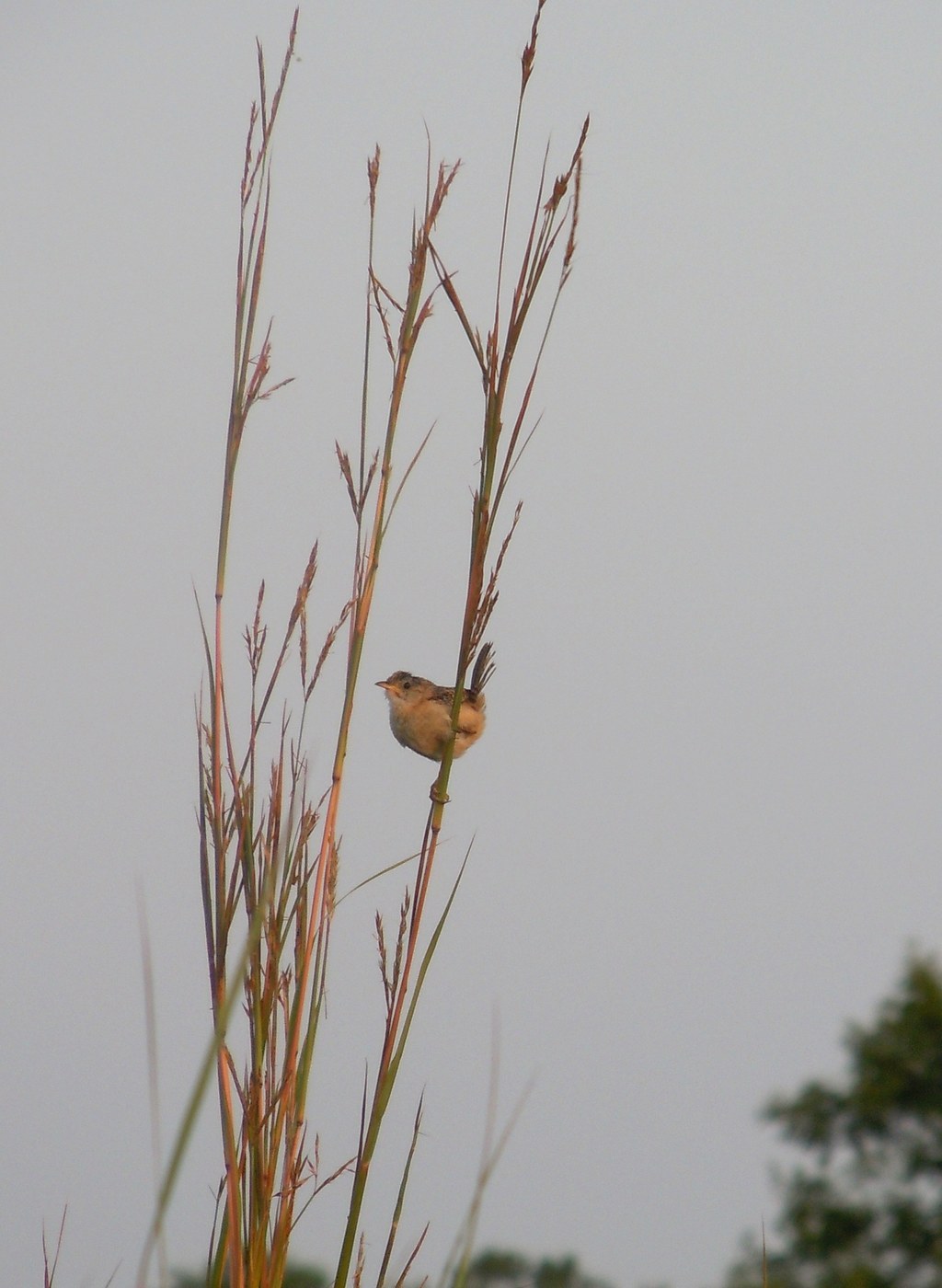
Sedge Wren
Tiny streaked crown and back feathers

Yellow-winged Cacique
Glossy black body feathers, yellow wing patch, shaggy crest

Yellow Warbler
Small contour and flight feathers
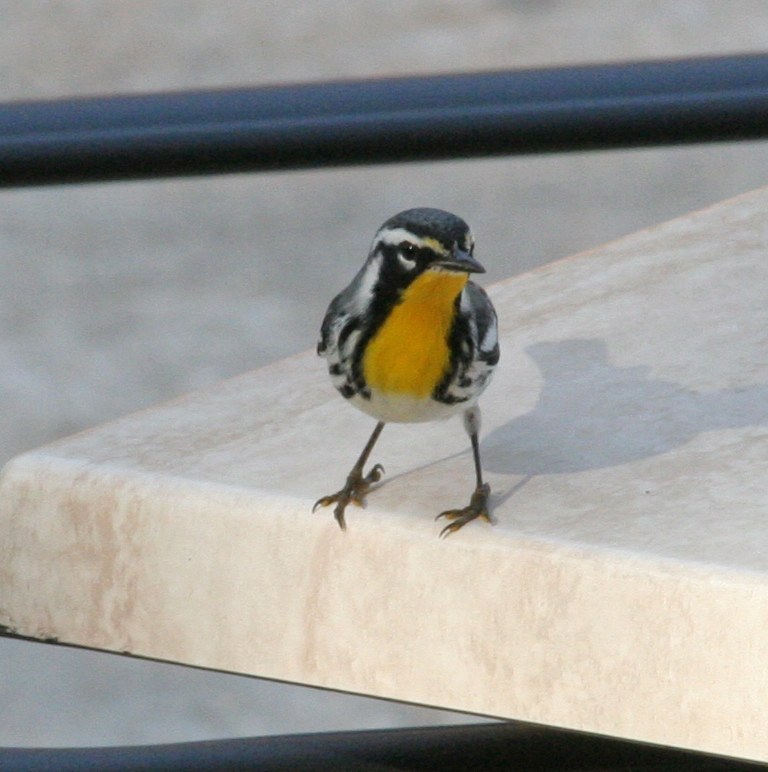
Yellow-throated Warbler
Small contour and flight feathers
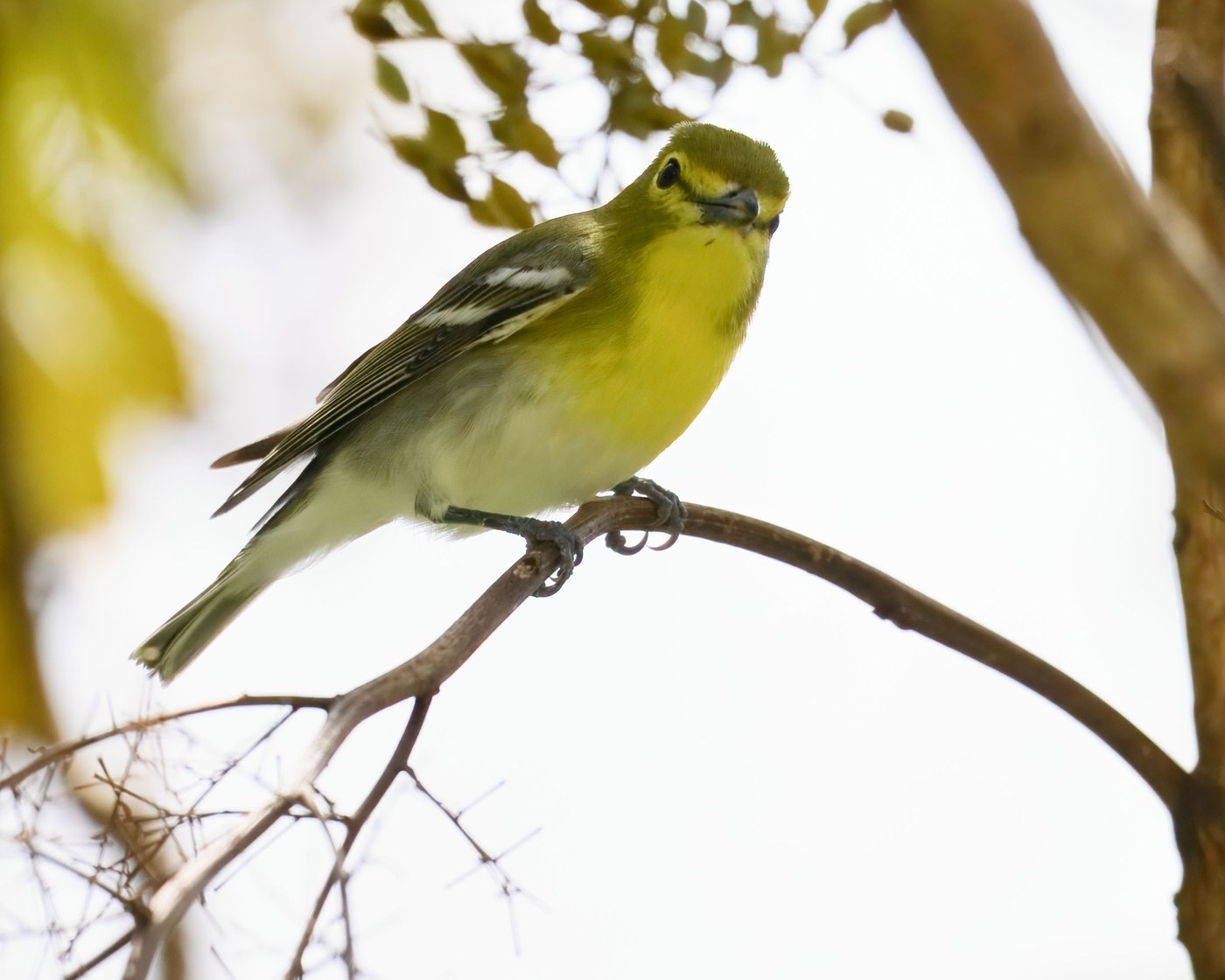
Yellow-throated Vireo
Bright yellow throat and spectacle feathers; olive-green back feathers; two white wing-bar feathers

Yellow-rumped Warbler
Small contour and flight feathers
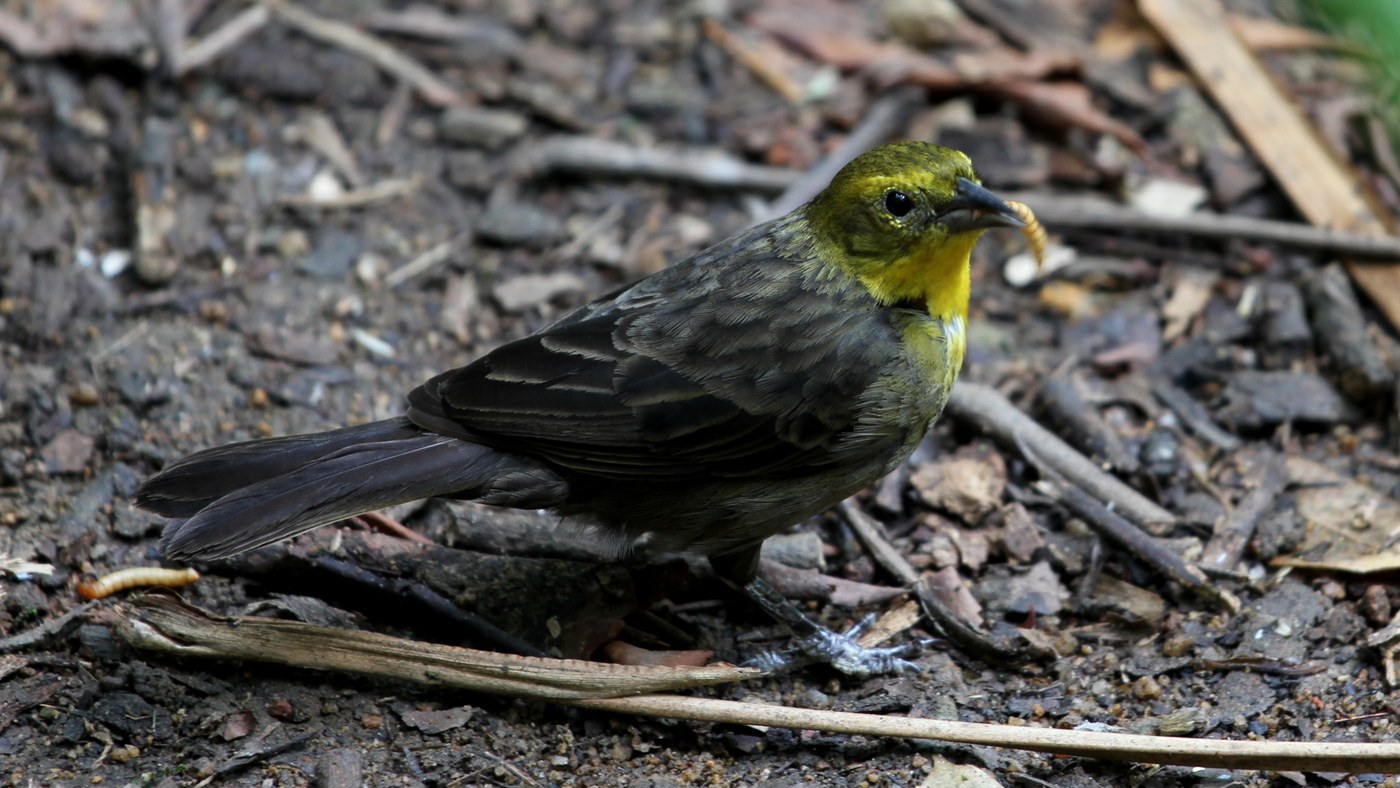
Yellow-hooded Blackbird
Contrasting hood and body feathers
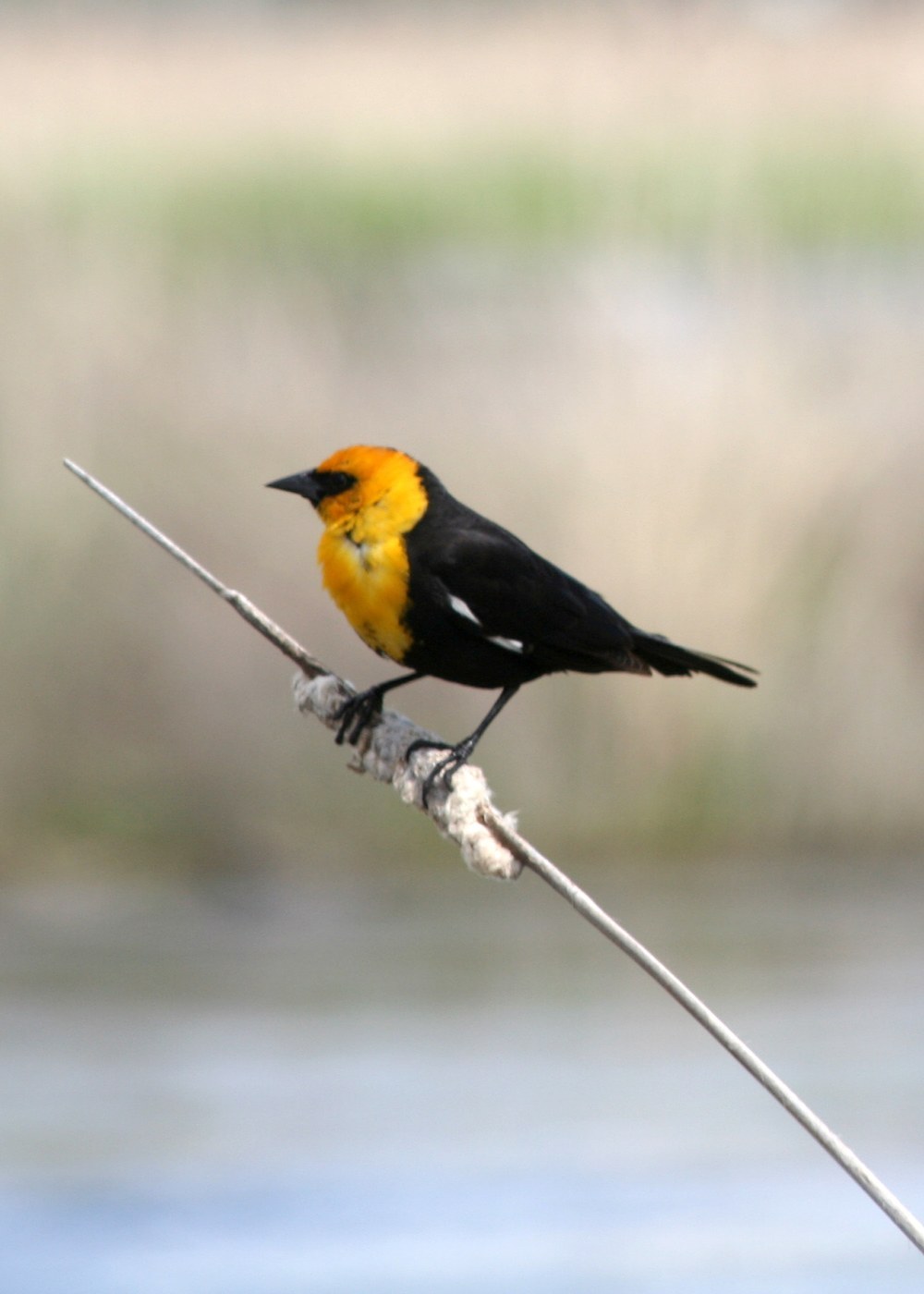
Yellow-headed Blackbird
Glossy black body plumage with a bright yellow head and breast

Yellow-eyed Junco
Contour and flight feathers

Yellow-fronted Canary
Small, smooth body plumage

Yellow-breasted Greenfinch
Compact, smooth body plumage