

House Bunting
Emberiza sahari
A North African bunting closely tied to human settlements, often seen around village buildings, walls, and oases.
- Feather type
- Streaked crown feathers with warm buff underparts
- Colours
- Grey-brown, warm rufous-buff
- Bird size
- Sparrow-sized, ~14 cm
Found a feather like this?
Identify any feather from a photo, free.
Overview
Overview
The House Bunting is a North African species found from Morocco east across the Sahara's northern fringe, closely associated with towns, villages, and oases as well as natural rocky habitat. It is often remarkably tame around people.
Its warm, buff-toned plumage and streaked crown resemble the closely related Striolated Bunting, with which it was formerly considered conspecific by some authorities.
Identifying the Feather
Feather Identification
- Crown: streaked grey-brown, similar in pattern to related rock-dwelling buntings.
- Underparts: warm buff to rufous, generally unstreaked below the breast.
- Throat: finely streaked, blending into the plainer breast and belly.
- Overall tone: warmer and more rufous-buff than many related dry-country buntings.
The warm, rufous-buff underparts combined with a tendency to occur around buildings rather than only bare rock help separate this species from its close relatives in the field.
Plumage & Molt
Plumage Notes
Sexes look alike, both showing streaked crowns and warm buff underparts with little seasonal change. Juveniles show more diffuse streaking overall before acquiring the cleaner adult pattern.
A single annual molt follows the breeding season, after which plumage remains fairly stable through the year given the limited seasonal contrast in this species.
Habitat & Range
Habitat & Range
This bunting occurs across North Africa, particularly Morocco, Algeria, and neighboring areas, in towns, villages, oases, and adjacent rocky terrain. It is largely resident, rarely moving far from established territories.
Its close association with human settlements makes it one of the more easily observed buntings within its range, often seen on rooftops, walls, and courtyards.
Behavior & Field Notes
Behavior & Field Notes
House Buntings forage on the ground and around buildings for seeds and scraps, showing notable tolerance of human activity compared with many other buntings.
The nest is often tucked into wall crevices, eaves, or other structures in villages, as well as natural rock crevices. The song is a simple repeated phrase. Its tameness around settlements, paired with warm buff-rufous underparts, aids identification in the field.
Frequently asked questions
What sets the House Bunting apart from other rock-dwelling buntings?
It shows warmer, more rufous-buff underparts and is notably tame around towns, villages, and buildings.
Where does this species live?
It occurs across North Africa, particularly Morocco and Algeria, in towns, villages, oases, and rocky terrain.
Is the House Bunting migratory?
No, it is largely resident, staying near established territories year-round.
Where does it typically nest?
Nests are often placed in wall crevices, eaves, or other structures in villages, as well as in natural rock crevices.
House Bunting guides
In-depth guides for identifying and understanding House Bunting.

Other feathers you may enjoy

Yellow-breasted Bunting
Contour and flight feathers, chestnut-and-yellow breeding pattern
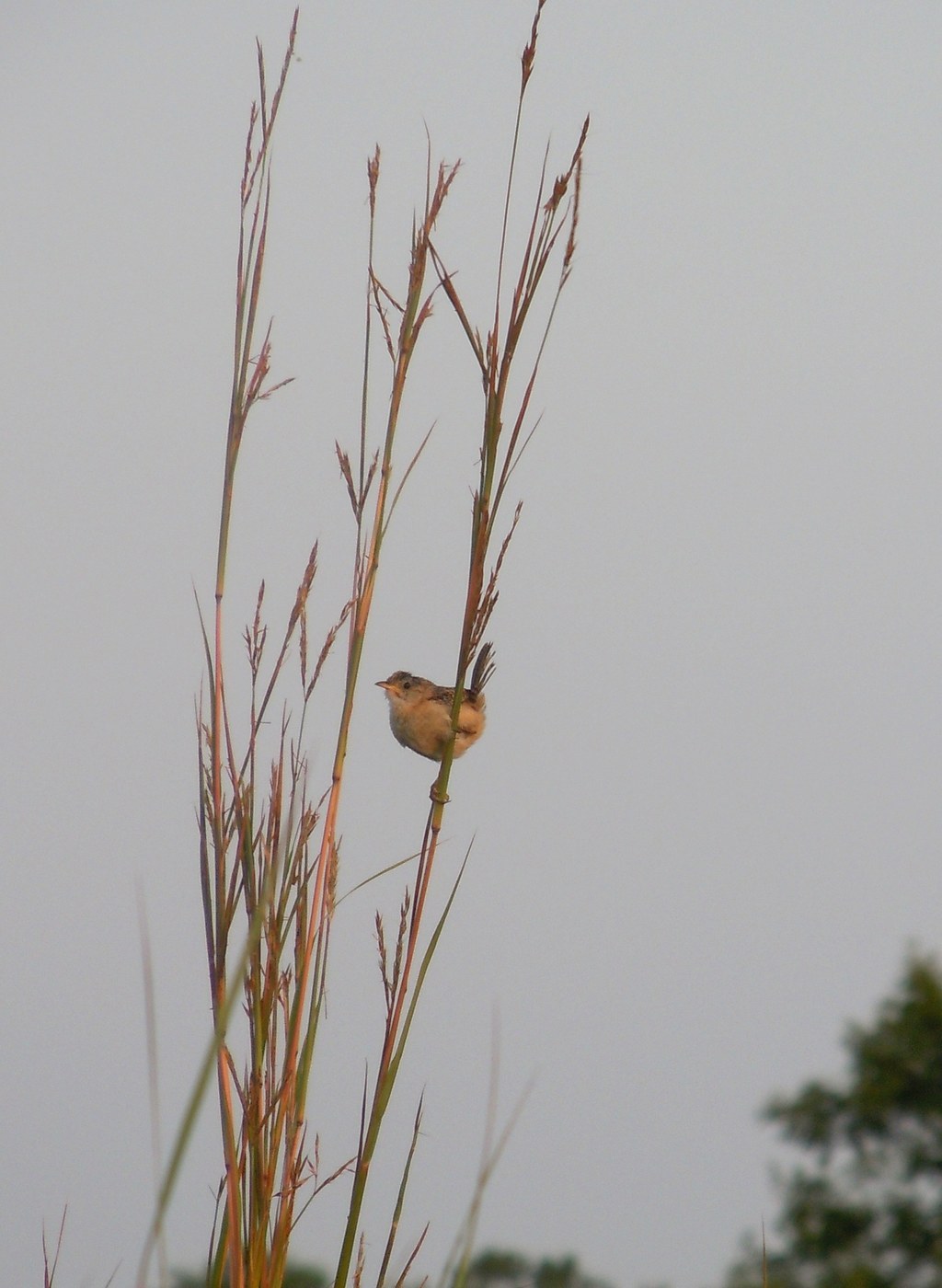
Sedge Wren
Tiny streaked crown and back feathers

Yellow-winged Cacique
Glossy black body feathers, yellow wing patch, shaggy crest

Yellow Warbler
Small contour and flight feathers
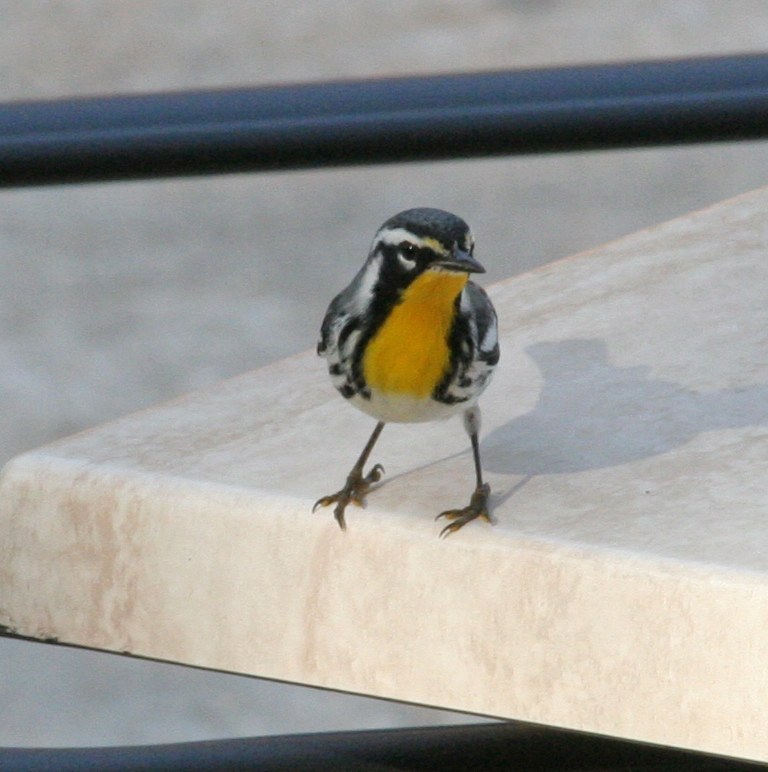
Yellow-throated Warbler
Small contour and flight feathers
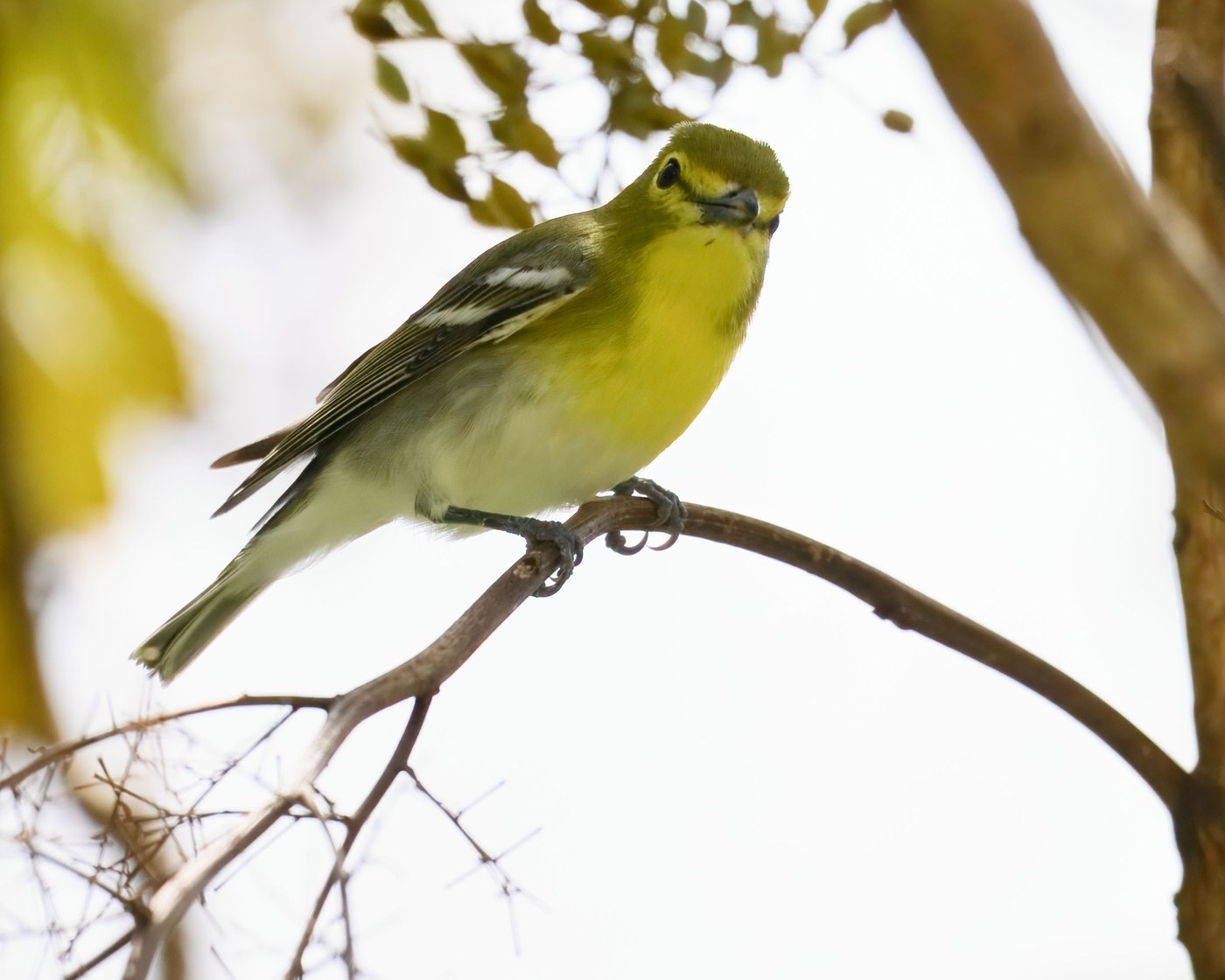
Yellow-throated Vireo
Bright yellow throat and spectacle feathers; olive-green back feathers; two white wing-bar feathers

Yellow-rumped Warbler
Small contour and flight feathers
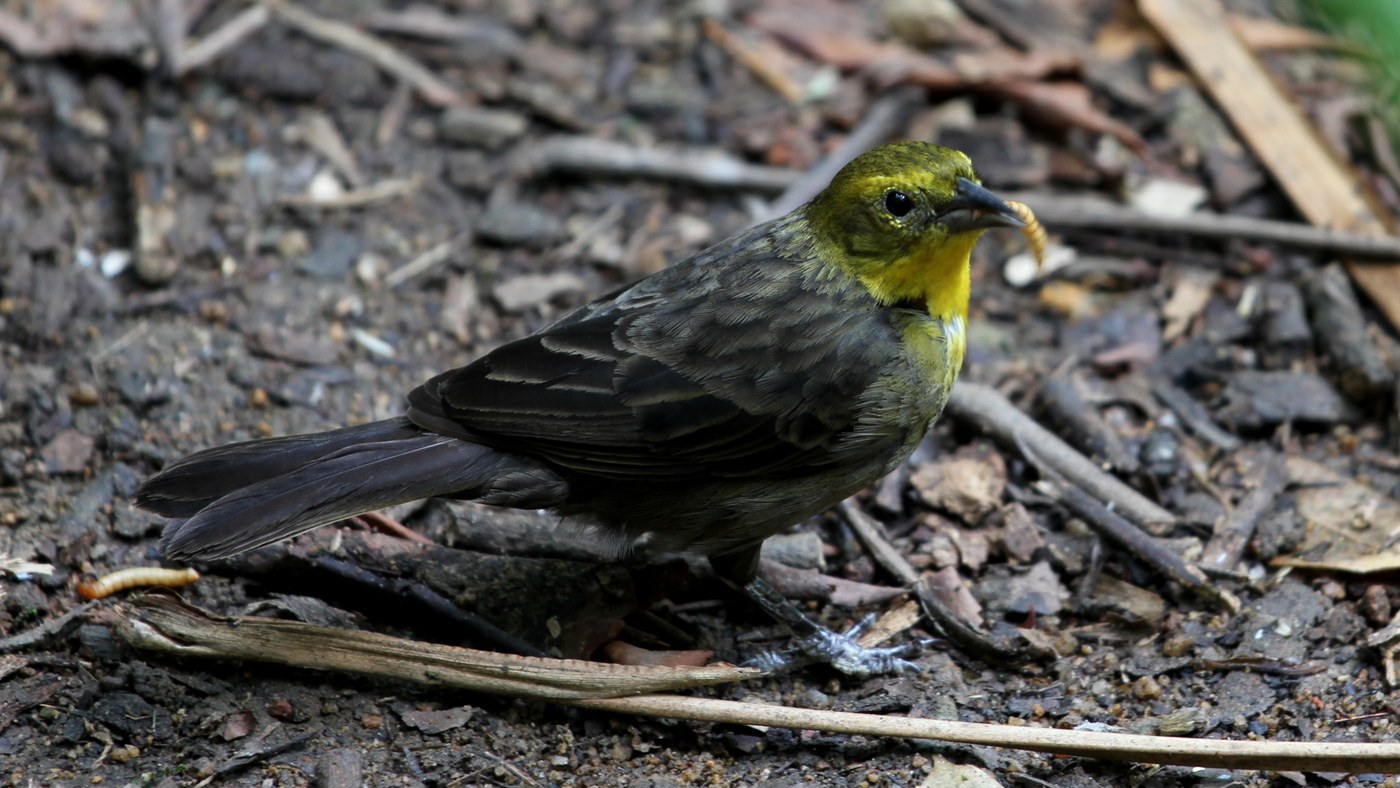
Yellow-hooded Blackbird
Contrasting hood and body feathers
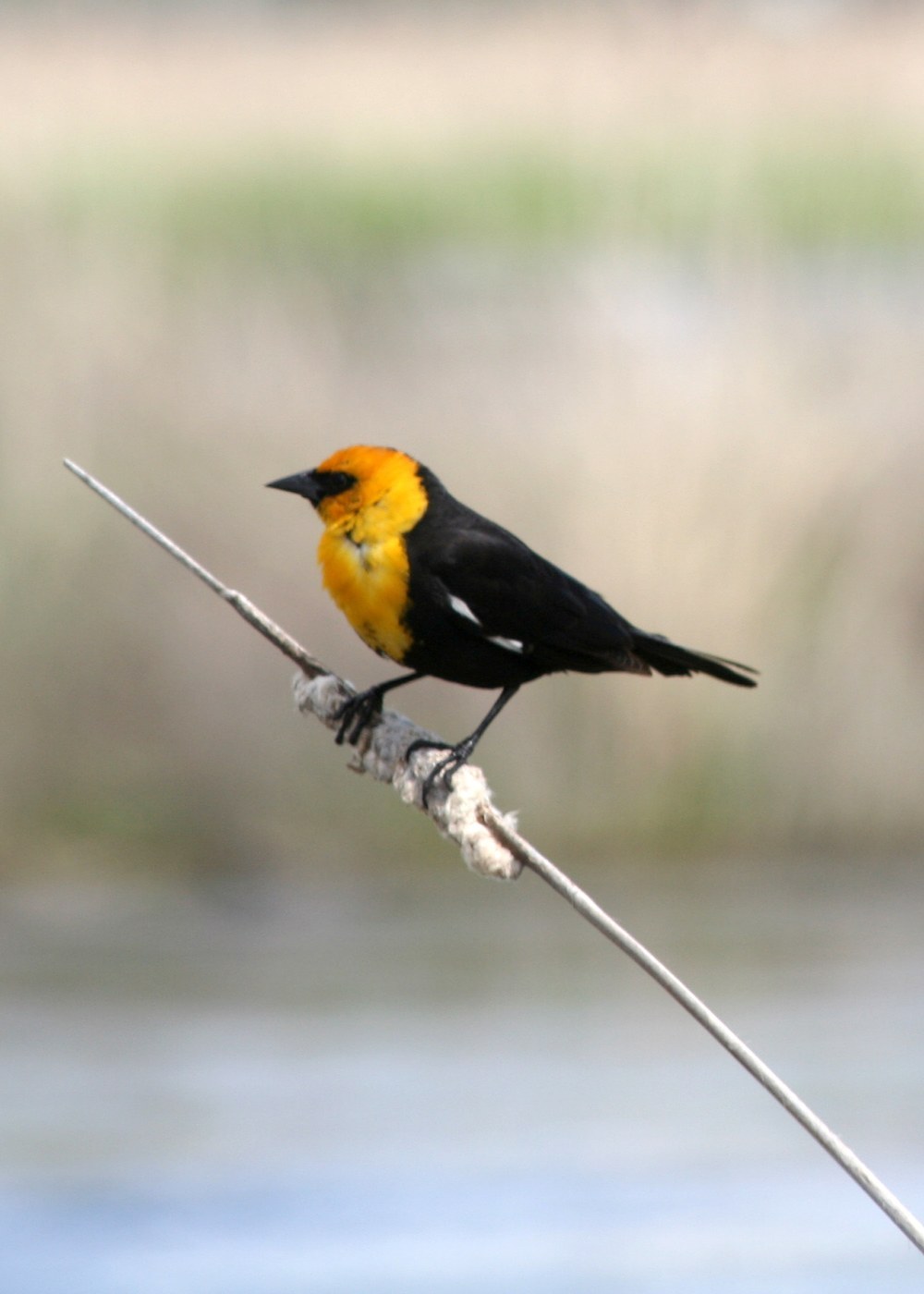
Yellow-headed Blackbird
Glossy black body plumage with a bright yellow head and breast

Yellow-eyed Junco
Contour and flight feathers

Yellow-fronted Canary
Small, smooth body plumage

Yellow-breasted Greenfinch
Compact, smooth body plumage