

House Finch
Haemorhous mexicanus
The House Finch is a common feeder finch whose male feathers show a diet-dependent red-to-orange wash on the head and breast over a brown-streaked body, while females are plain streaked brown.
- Feather type
- Streaked brown body feathers; rosy-red head & breast feathers in males
- Colours
- Males rosy-red on head/breast over brown-streaked body; females plain brown-streaked
- Bird size
- Sparrow-sized, ~13-14 cm
Found a feather like this?
Identify any feather from a photo, free.
Overview
Overview
The House Finch is an adaptable, widespread finch familiar at feeders throughout North America, with males showing a variable red wash on the head and breast produced by pigments from their diet. Because the amount of red depends on food intake, male feathers can range from bright red to orange or even yellow.
Females lack any red and instead show a plain brown-streaked pattern, making sex identification straightforward from feathers alone.
Identifying the Feather
Recognizing the Feathers
- Male head/breast feathers: red to orange (diet-dependent), unstreaked on the crown and throat
- Male back/flank feathers: brown, streaked with darker brown
- Female feathers: entirely brown with blurry dusky streaking, no red or orange tones
- Tail & flight feathers: brown, faintly edged, unbarred
The variable red-to-orange head color, combined with a notably streaked brown body, is the best clue for males; females are best told from other streaked sparrows by overall context and the absence of bold facial patterns.
Plumage & Molt
Plumage
Adult males show red to orange coloring on the forehead, eyebrow, throat and breast, with brown-streaked flanks, back and wings. Females and juveniles are uniformly brown with diffuse streaking below. Color intensity in males can vary by individual due to diet. One complete molt occurs after breeding.
Habitat & Range
Habitat & Range
House Finches are common in urban and suburban neighborhoods, farmland, and desert scrub across essentially all of the continental United States, southern Canada, and Mexico. They are largely non-migratory.
Behavior & Field Notes
Behavior & Field Notes
House Finches feed heavily on seeds, buds and fruit, are frequent feeder visitors, and often nest in hanging planters, ledges, or shrubs close to human structures. Their song is a long, warbling jumble of notes. A red-orange head feather with brown streaking on the body is a reliable clue for a male House Finch.
Frequently asked questions
Why do male House Finch feathers vary from red to orange or yellow?
The red pigment comes from the bird's diet, so color intensity depends on what carotenoid-rich foods it has eaten.
How do I tell a House Finch feather from a Purple Finch feather?
House Finch red is more localized to the head/breast with brown-streaked flanks, while Purple Finch shows a more raspberry wash extending over the back.
Do female House Finches have any red feathers?
No, females are entirely brown-streaked without red or orange.
Are House Finch feathers barred?
No, they show streaking rather than barring.
House Finch guides
In-depth guides for identifying and understanding House Finch.

Other feathers you may enjoy

Yellow-breasted Bunting
Contour and flight feathers, chestnut-and-yellow breeding pattern
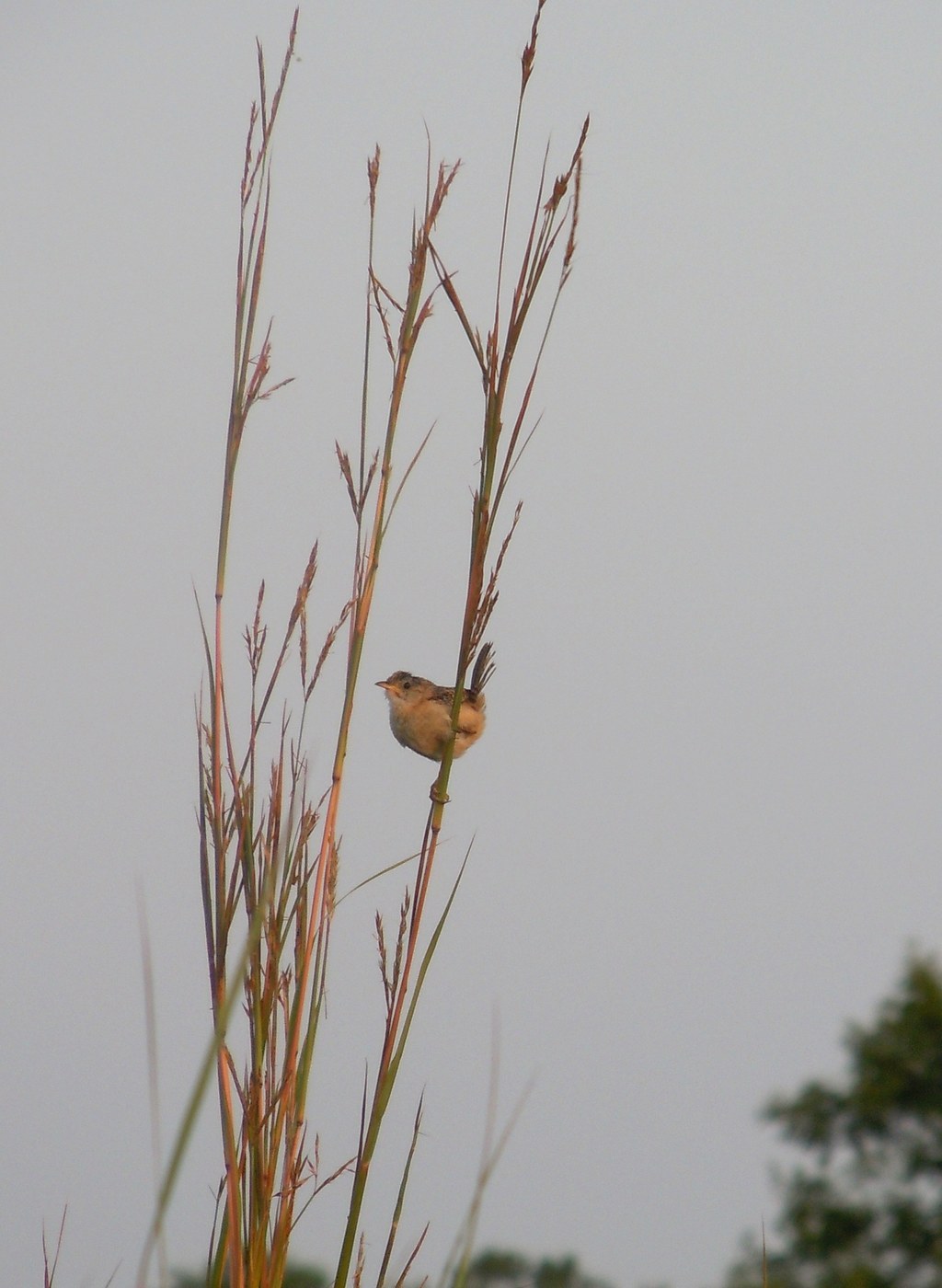
Sedge Wren
Tiny streaked crown and back feathers

Yellow-winged Cacique
Glossy black body feathers, yellow wing patch, shaggy crest

Yellow Warbler
Small contour and flight feathers
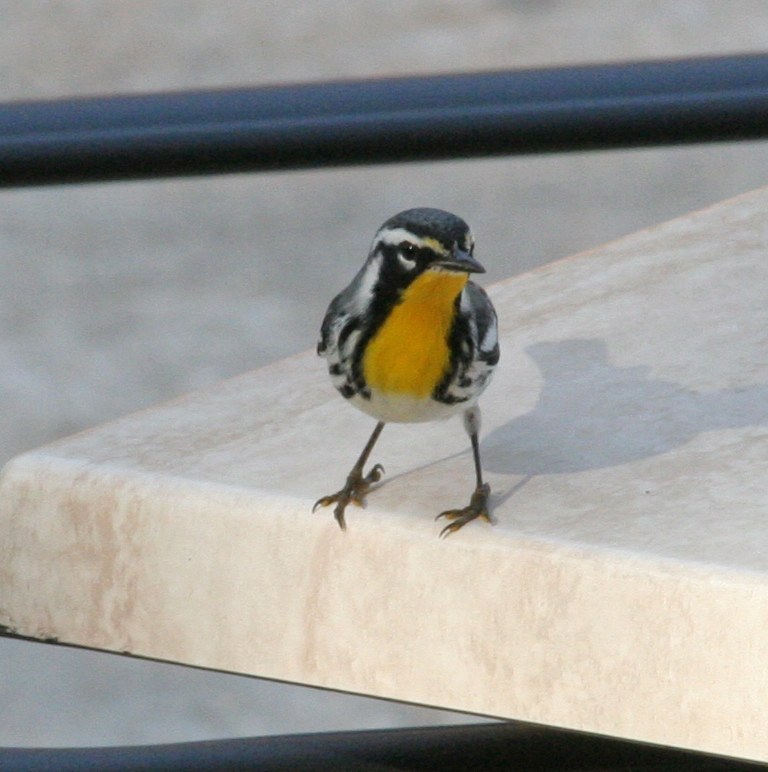
Yellow-throated Warbler
Small contour and flight feathers
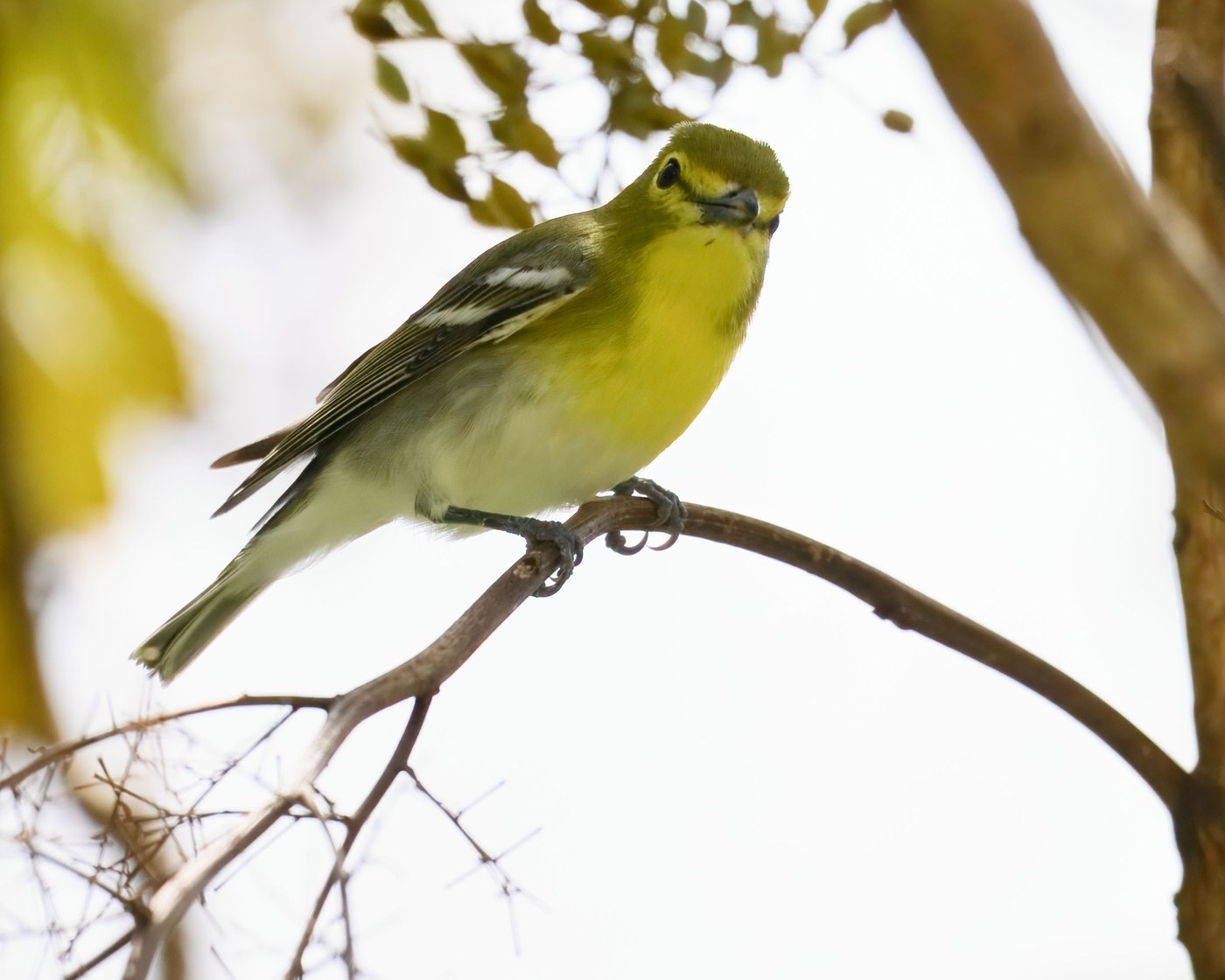
Yellow-throated Vireo
Bright yellow throat and spectacle feathers; olive-green back feathers; two white wing-bar feathers

Yellow-rumped Warbler
Small contour and flight feathers
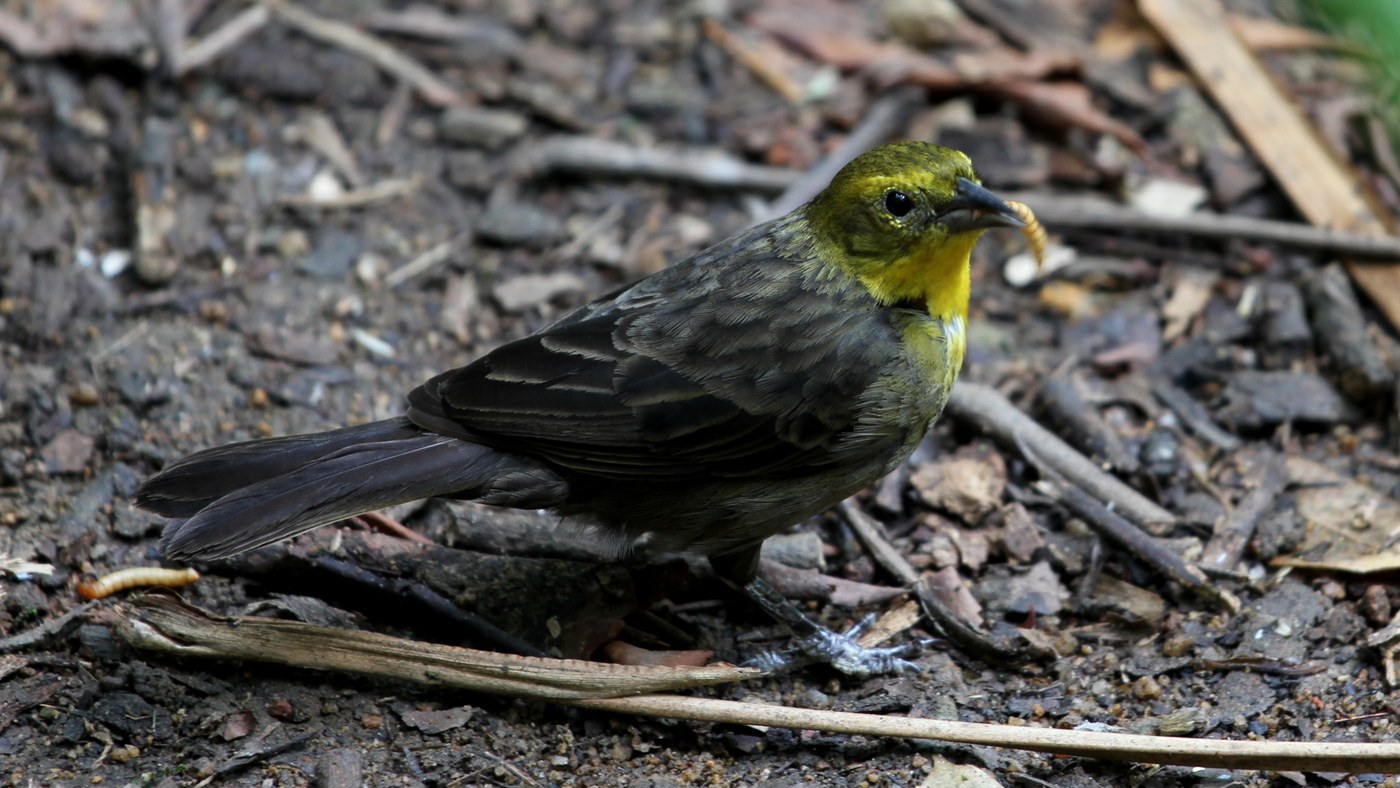
Yellow-hooded Blackbird
Contrasting hood and body feathers
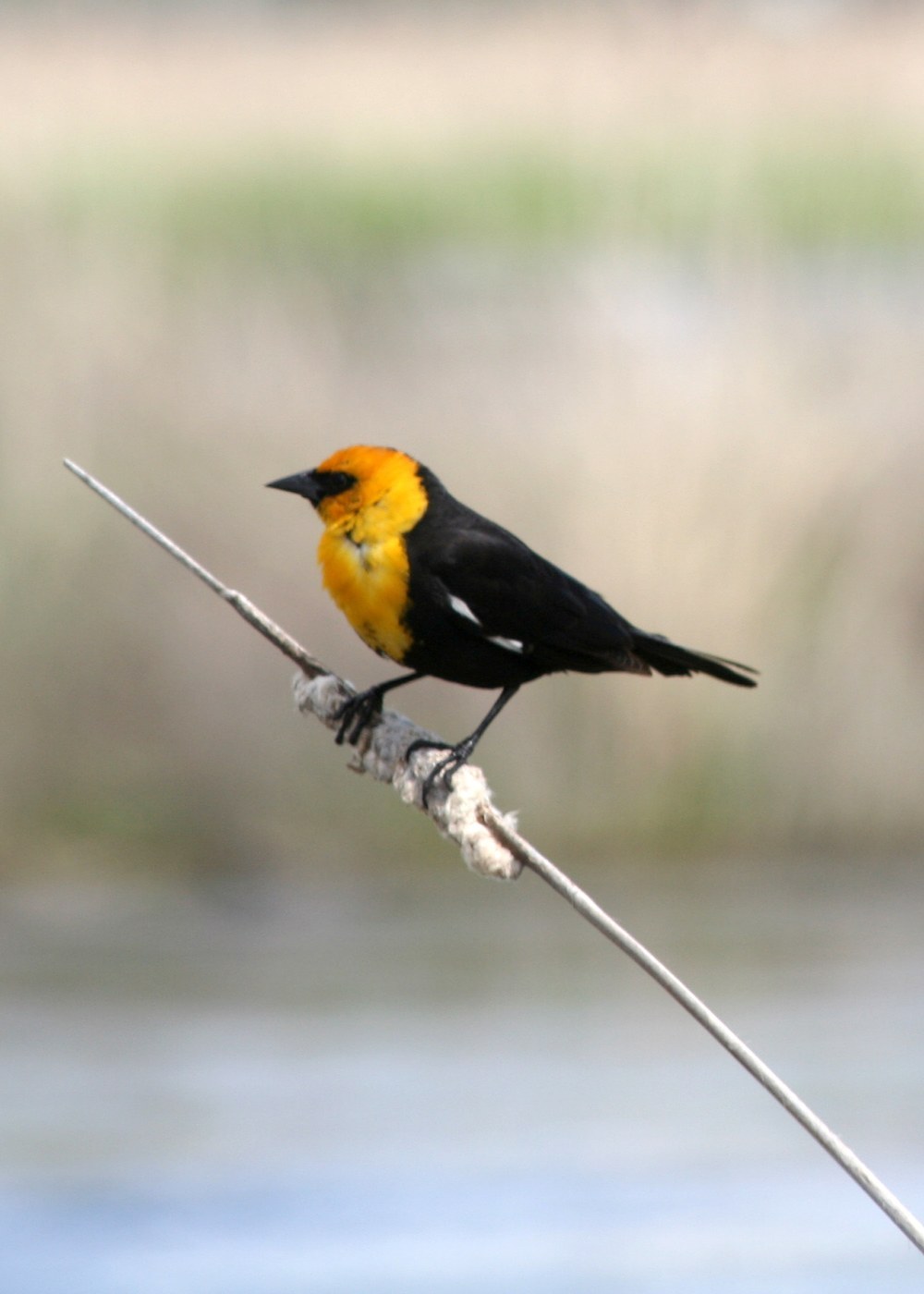
Yellow-headed Blackbird
Glossy black body plumage with a bright yellow head and breast

Yellow-eyed Junco
Contour and flight feathers

Yellow-fronted Canary
Small, smooth body plumage

Yellow-breasted Greenfinch
Compact, smooth body plumage