

House Sparrow
Passer domesticus
The House Sparrow is an introduced species whose males show a gray crown, chestnut nape and black throat bib over a streaked brown back, while females are plain buffy-brown.
- Feather type
- Streaked brown back feathers; gray crown feathers (male); plain buff feathers (female)
- Colours
- Males gray crown, chestnut nape, black bib, streaked brown back; females plain buffy-brown
- Bird size
- Sparrow-sized, ~14-16 cm
Found a feather like this?
Identify any feather from a photo, free.
Overview
Overview
The House Sparrow is a non-native species in North America, introduced from Europe in the 1800s, now common in cities, farms, and towns across the continent. Males show a distinctive black throat bib and chestnut nape, while females are plainer and easily confused with other streaked sparrows.
Because it thrives around buildings and human development, its feathers are among the most commonly encountered in urban environments.
Identifying the Feather
Recognizing the Feathers
- Male crown feathers: gray, bordered by chestnut on the nape/eye-stripe
- Male throat/bib feathers: black, size varies seasonally and by individual
- Back feathers (both sexes): brown with black streaking
- Female feathers: plain buffy-brown overall with a pale eyebrow stripe, no black bib
Male House Sparrow feathers are told from native sparrows by the gray crown and chestnut nape combination; females are plainer and best identified by the buffy, unstreaked eyebrow stripe and stocky build context.
Plumage & Molt
Plumage
Breeding males show a gray crown, chestnut nape and eye-stripe, black bib, and streaked brown back; the black bib is reduced in non-breeding plumage due to feather wear rather than a true molt. Females and juveniles are uniformly plain buffy-brown with light streaking on the back only. One complete molt occurs after breeding.
Habitat & Range
Habitat & Range
House Sparrows are found nearly worldwide in association with human settlements, from city centers to farms, and are now widespread and resident across North America since their introduction. They do not migrate, staying close to nesting sites year-round.
Behavior & Field Notes
Behavior & Field Notes
House Sparrows are highly social, feeding on seeds and food scraps, and nest in cavities in buildings, signs, and other structures, sometimes displacing native cavity-nesters. Their call is a simple, repetitive chirping. A gray-crowned, chestnut-naped, black-bibbed feather cluster found near buildings is a reliable House Sparrow indicator.
Frequently asked questions
How can I tell a House Sparrow feather from a native sparrow's?
Look for the male's gray crown and chestnut nape combination, or the female's plain, unstreaked buffy face - most native sparrows show more streaking on the head.
Is the House Sparrow native to North America?
No, it was introduced from Europe in the 1800s.
Do female House Sparrow feathers have a black bib?
No, only males show the black throat bib.
Where are House Sparrow feathers commonly found?
Near buildings, farms, and other human structures.
House Sparrow guides
In-depth guides for identifying and understanding House Sparrow.

House Sparrow identified by the community
Real feathers identified with Feather Identifier.


Other feathers you may enjoy

Yellow-breasted Bunting
Contour and flight feathers, chestnut-and-yellow breeding pattern
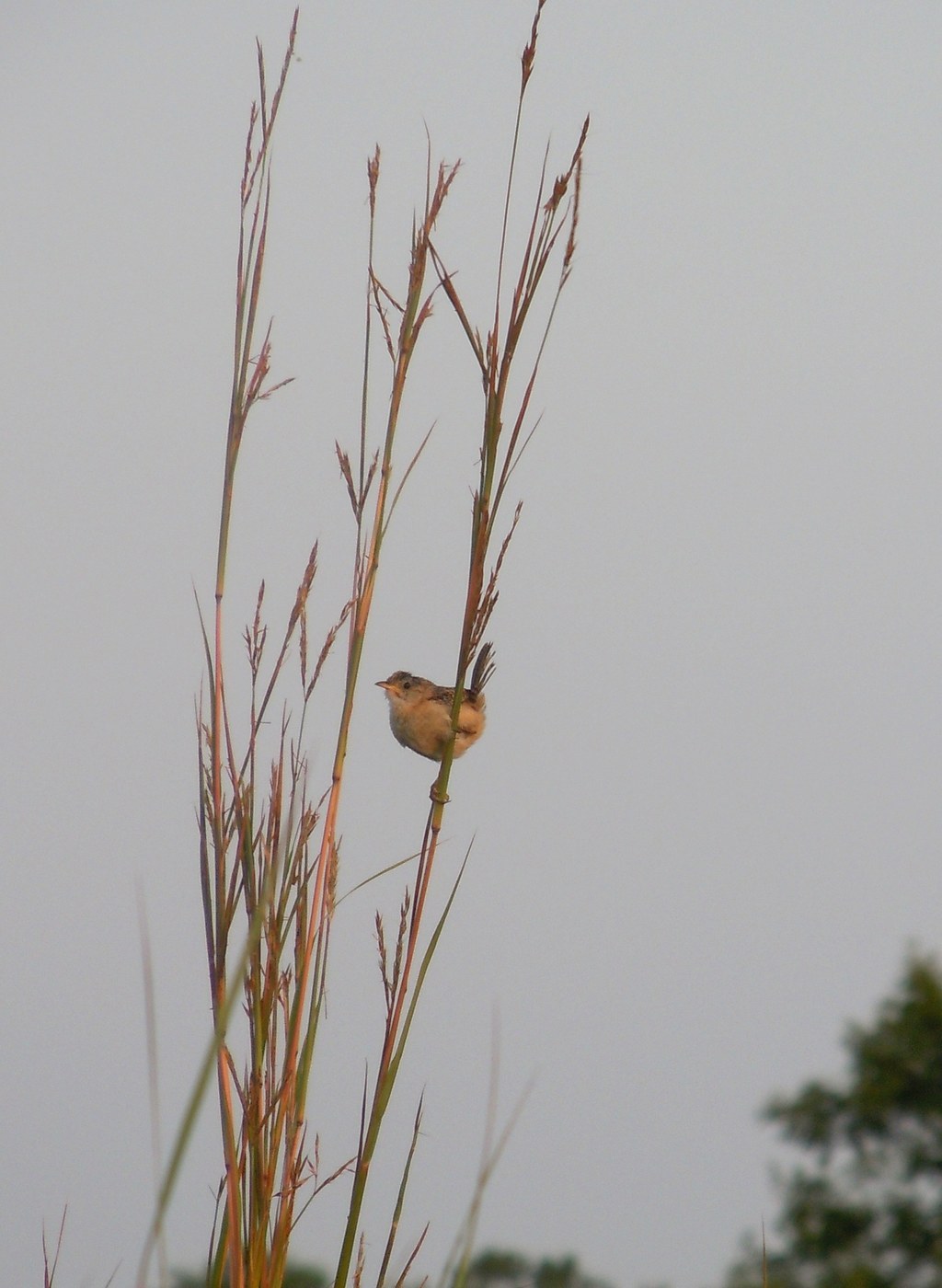
Sedge Wren
Tiny streaked crown and back feathers

Yellow-winged Cacique
Glossy black body feathers, yellow wing patch, shaggy crest

Yellow Warbler
Small contour and flight feathers
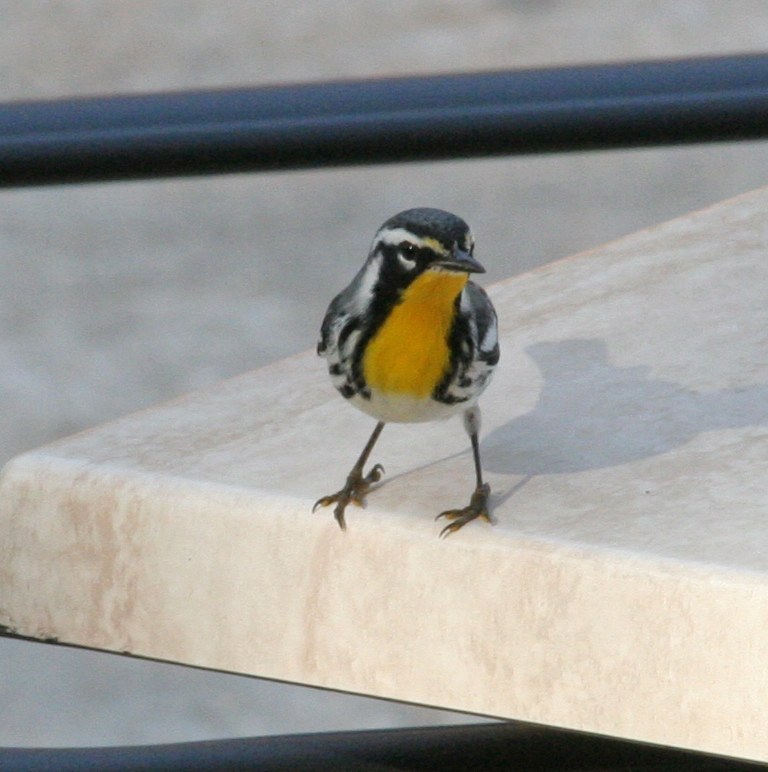
Yellow-throated Warbler
Small contour and flight feathers
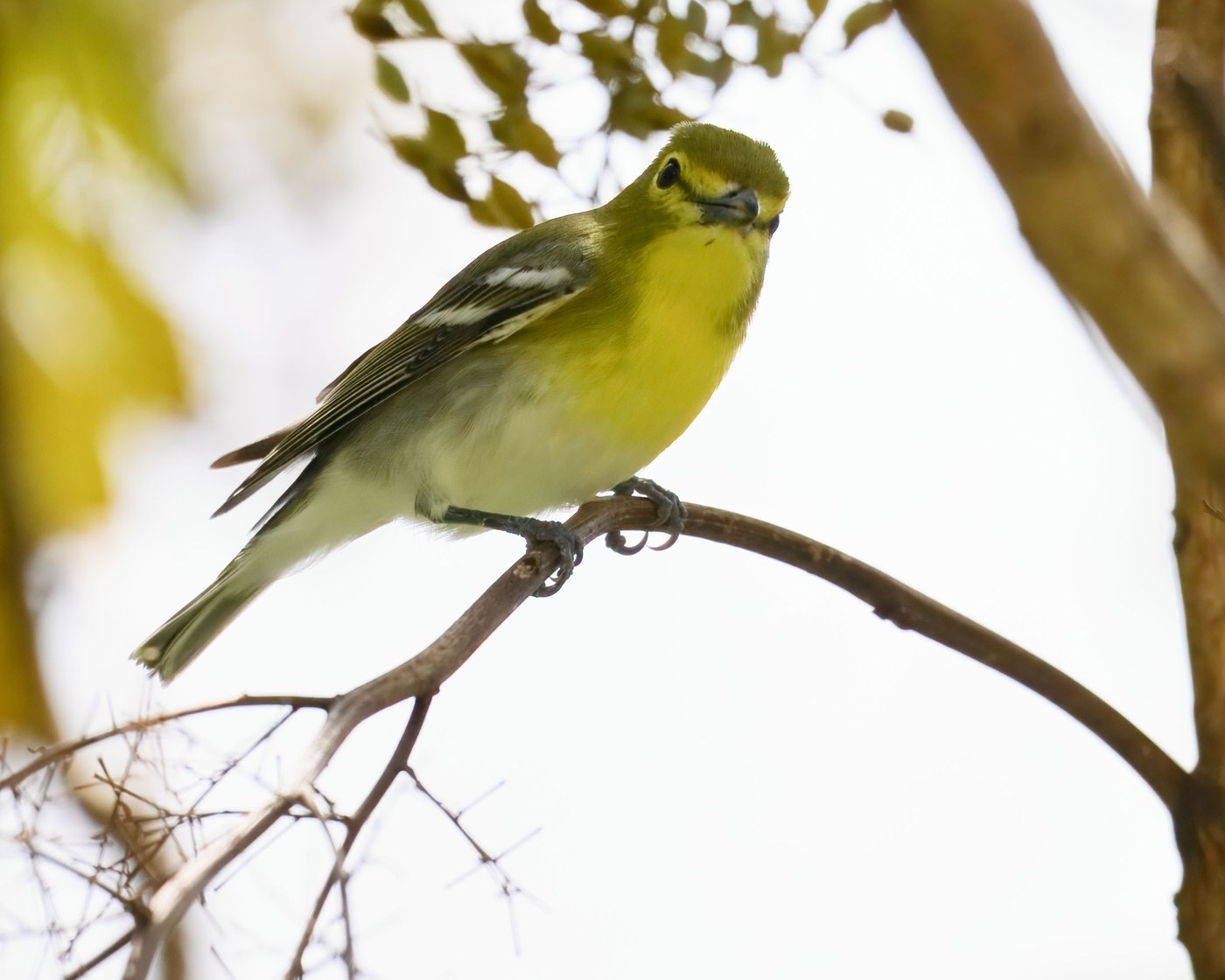
Yellow-throated Vireo
Bright yellow throat and spectacle feathers; olive-green back feathers; two white wing-bar feathers

Yellow-rumped Warbler
Small contour and flight feathers
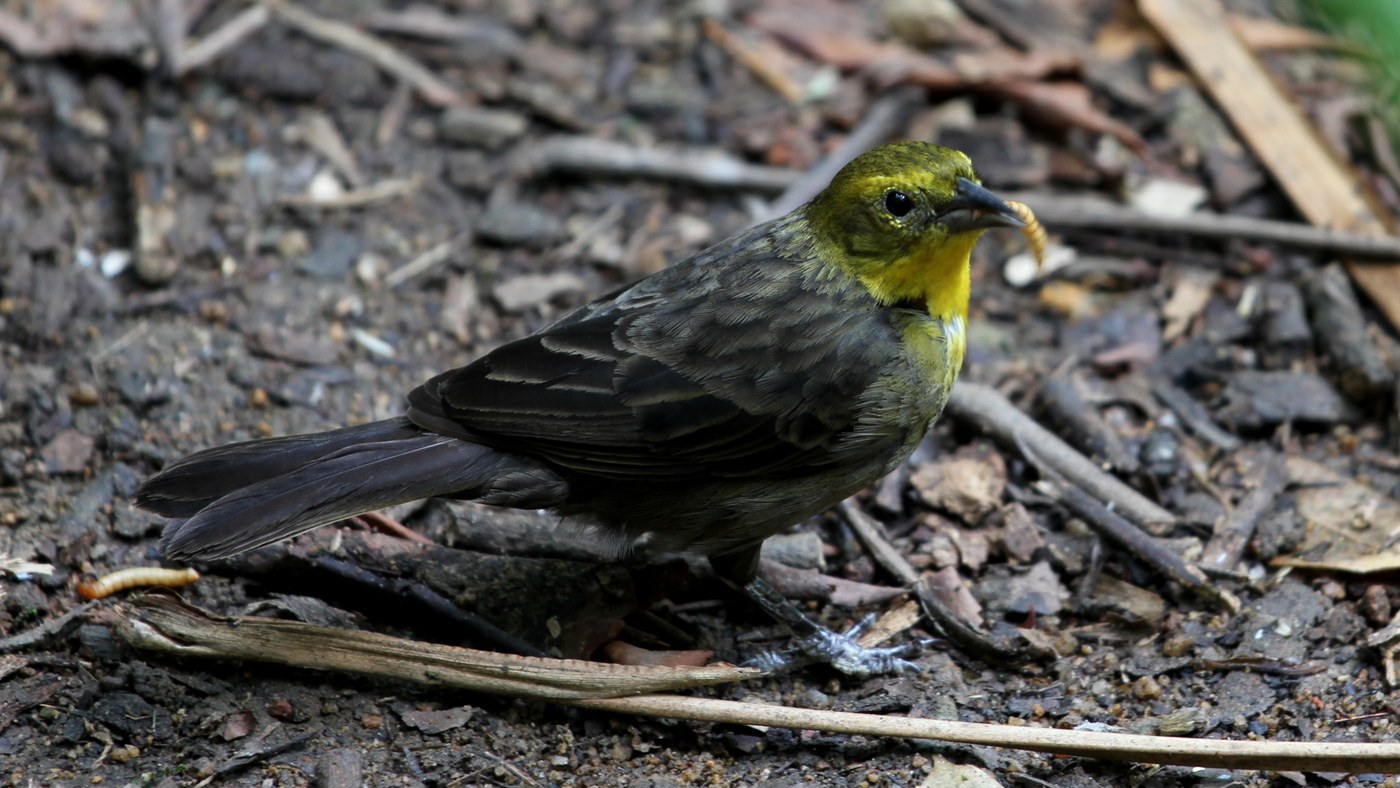
Yellow-hooded Blackbird
Contrasting hood and body feathers
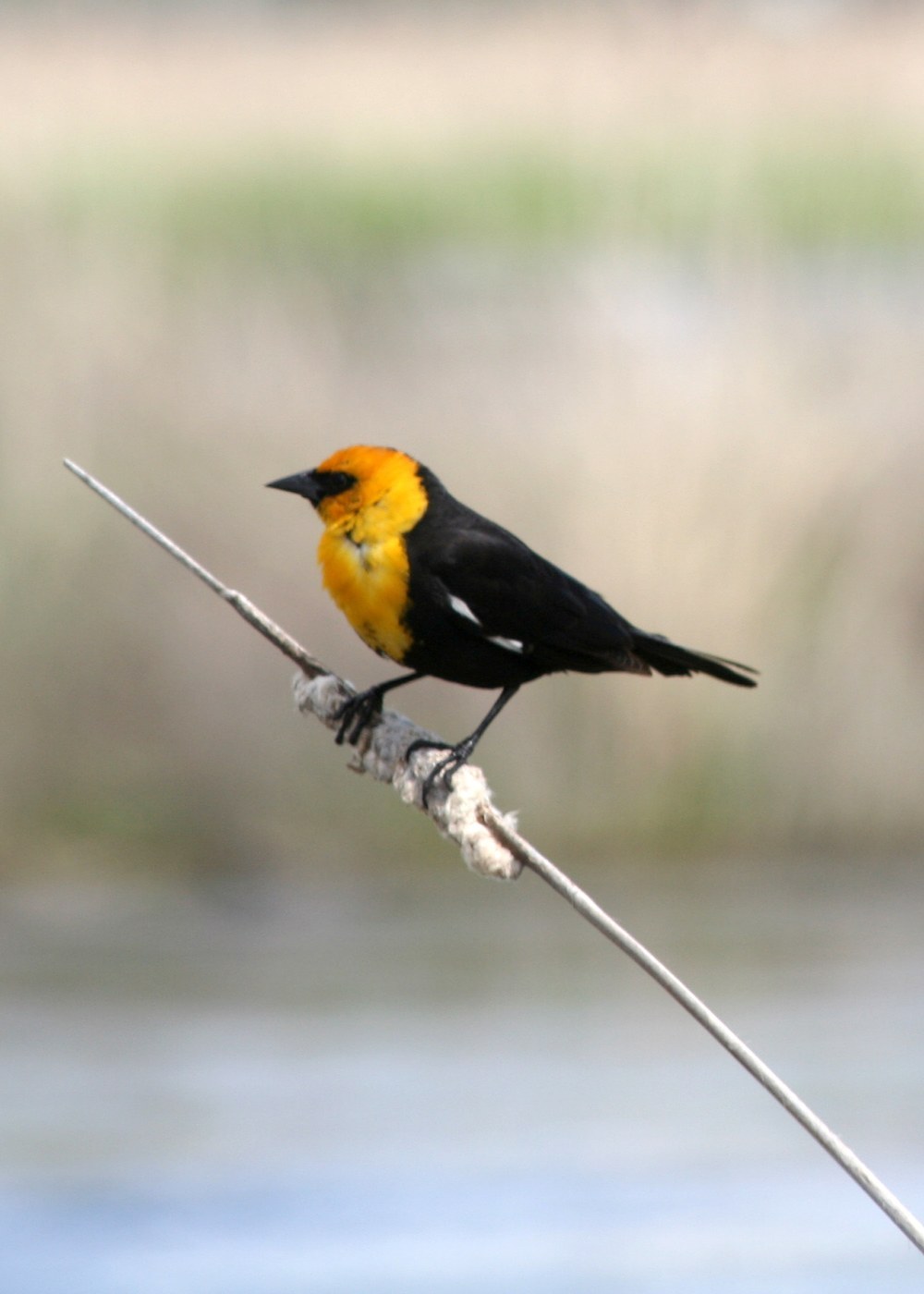
Yellow-headed Blackbird
Glossy black body plumage with a bright yellow head and breast

Yellow-eyed Junco
Contour and flight feathers

Yellow-fronted Canary
Small, smooth body plumage

Yellow-breasted Greenfinch
Compact, smooth body plumage