

Iberian Green Woodpecker
Picus sharpei
The Iberian Peninsula's counterpart to the Eurasian Green Woodpecker, recently recognized as its own species, sharing the same green plumage and strongly ground-feeding habits.
- Feather type
- Green contour feathers with a red crown patch
- Colours
- Green upperparts, grey-green underparts, and a red crown
- Bird size
- Medium-large, ~30-32 cm
Found a feather like this?
Identify any feather from a photo, free.
Overview
The Iberian Green Woodpecker is endemic to the Iberian Peninsula and extreme southern France, where it was until recently considered part of the same species as the widespread Eurasian Green Woodpecker. The split was based primarily on genetic and vocal differences rather than dramatic plumage distinctions, so the two remain very similar in appearance.
Like its Eurasian relative, it is a strongly ground-foraging woodpecker, often seen probing lawns, pastures, and open ground for ants.
Identifying the Feather
Key features:
- Back and wing feathers are green, with a red crown patch present in both sexes
- A black mask surrounds the eye
- Males show a red center within the black malar (mustache) stripe; females have an entirely black malar stripe without red
- Underparts are pale grey-green, less boldly marked than the back
Compared to similar species: plumage is nearly identical to the (Eurasian) Green Woodpecker, and the two are best distinguished by range (Iberian Peninsula and adjacent southern France for this species) and voice rather than by feather appearance alone.
Plumage & Molt
Both sexes show a red crown patch, with males additionally showing red within the black malar stripe, which is solid black in females. Juveniles are heavily barred and spotted below, quite different from the plainer adult underparts, and take on adult plumage after their first molt.
Habitat & Range
This species is endemic to the Iberian Peninsula (Spain and Portugal) and extends into extreme southern France. It favors open woodland, parkland, orchards, and other habitats offering ground-foraging opportunities alongside scattered trees for nesting. It is non-migratory and resident year-round within its range.
Behavior & Field Notes
Iberian Green Woodpeckers feed extensively on the ground, particularly on ants, probing lawns, pastures, and open ground with their long, sticky tongue. Their call is a loud, laughing series of notes similar to other green woodpeckers. Drumming is relatively infrequent compared to spotted woodpeckers. Nests are excavated in tree cavities, often in mature trees near open foraging ground.
Frequently asked questions
How can I tell an Iberian Green Woodpecker feather from a Eurasian Green Woodpecker feather?
The two are extremely similar in plumage, so location is often the most useful clue: feathers found on the Iberian Peninsula or in extreme southern France are more likely to belong to this species, since the two do not overlap in range.
What does the malar stripe pattern indicate?
A black malar stripe with a red center suggests a male, while a solid black malar stripe without red points to a female.
Is this species commonly found on the ground?
Yes, it forages extensively on the ground for ants, more so than tree-foraging woodpeckers, so feathers may be found in open grassy areas near woodland.
Do juveniles look like adults?
No, juveniles show heavy barring and spotting on the underparts, quite different from the plainer grey-green underparts of adults, and gain adult plumage after their first molt.
Iberian Green Woodpecker guides
In-depth guides for identifying and understanding Iberian Green Woodpecker.

Other feathers you may enjoy

Ivory-billed Woodpecker
Very large flight feathers with a solid white trailing patch

Great Slaty Woodpecker
Massive, uniformly colored contour feathers

Yellow-tufted Woodpecker
Black body feathers with bright yellow forehead tufts

Magellanic Woodpecker
Very large, glossy contour feathers with a recurved crest

Yellow-bellied Sapsucker
Black-and-white patterned back and facial-stripe feathers
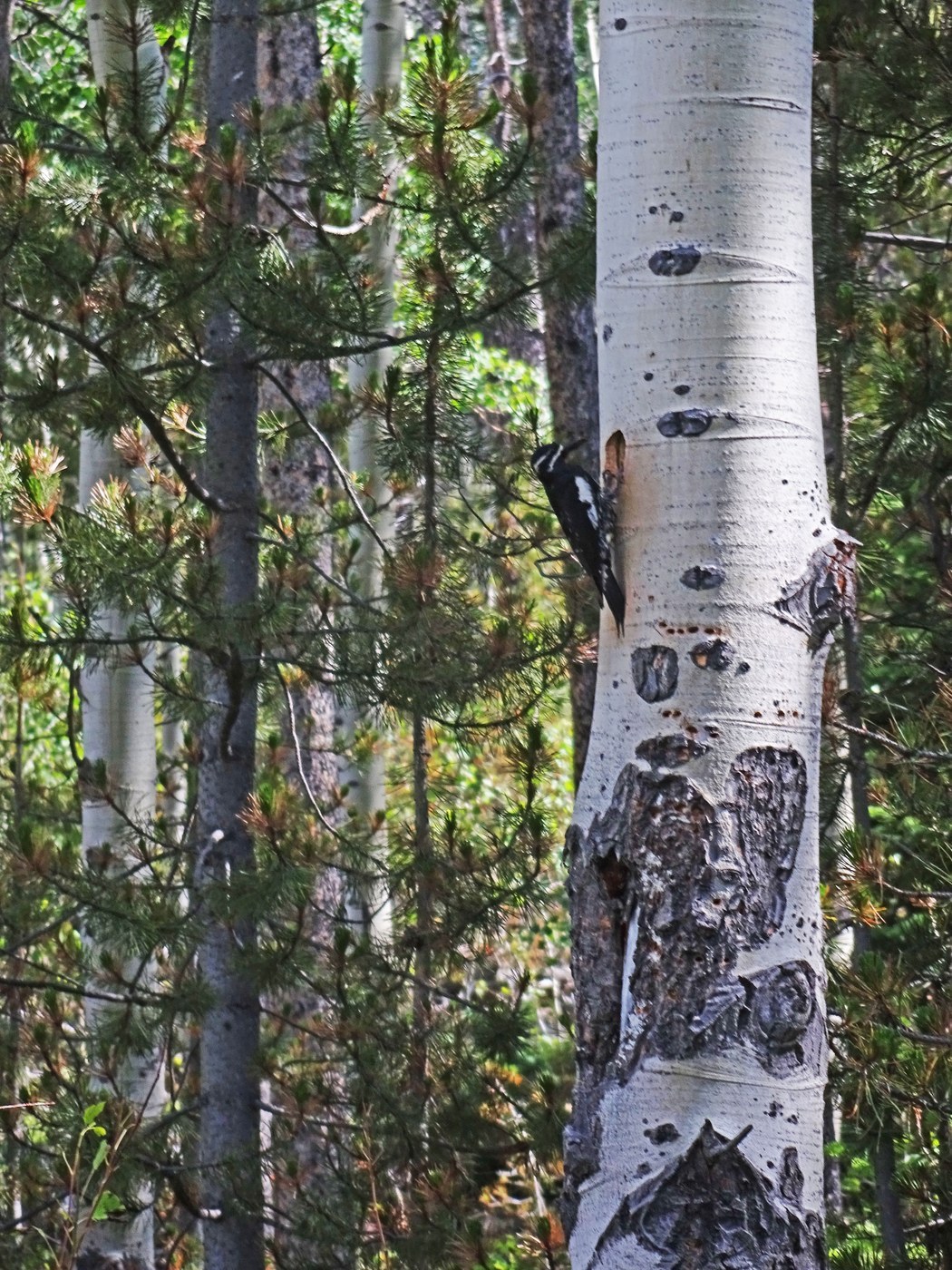
Williamson's Sapsucker
Strongly sexually dimorphic body feathers, glossy black or finely barred brown

Yellow-crowned Woodpecker
Contour and flight feathers

White Woodpecker
Mostly white body feathers with contrasting black wings and back

Red-throated Wryneck
Soft, cryptically mottled contour feathers

White-bellied Woodpecker
Large, glossy black contour and flight feathers

White-backed Woodpecker
Barred back feathers rather than a solid white patch
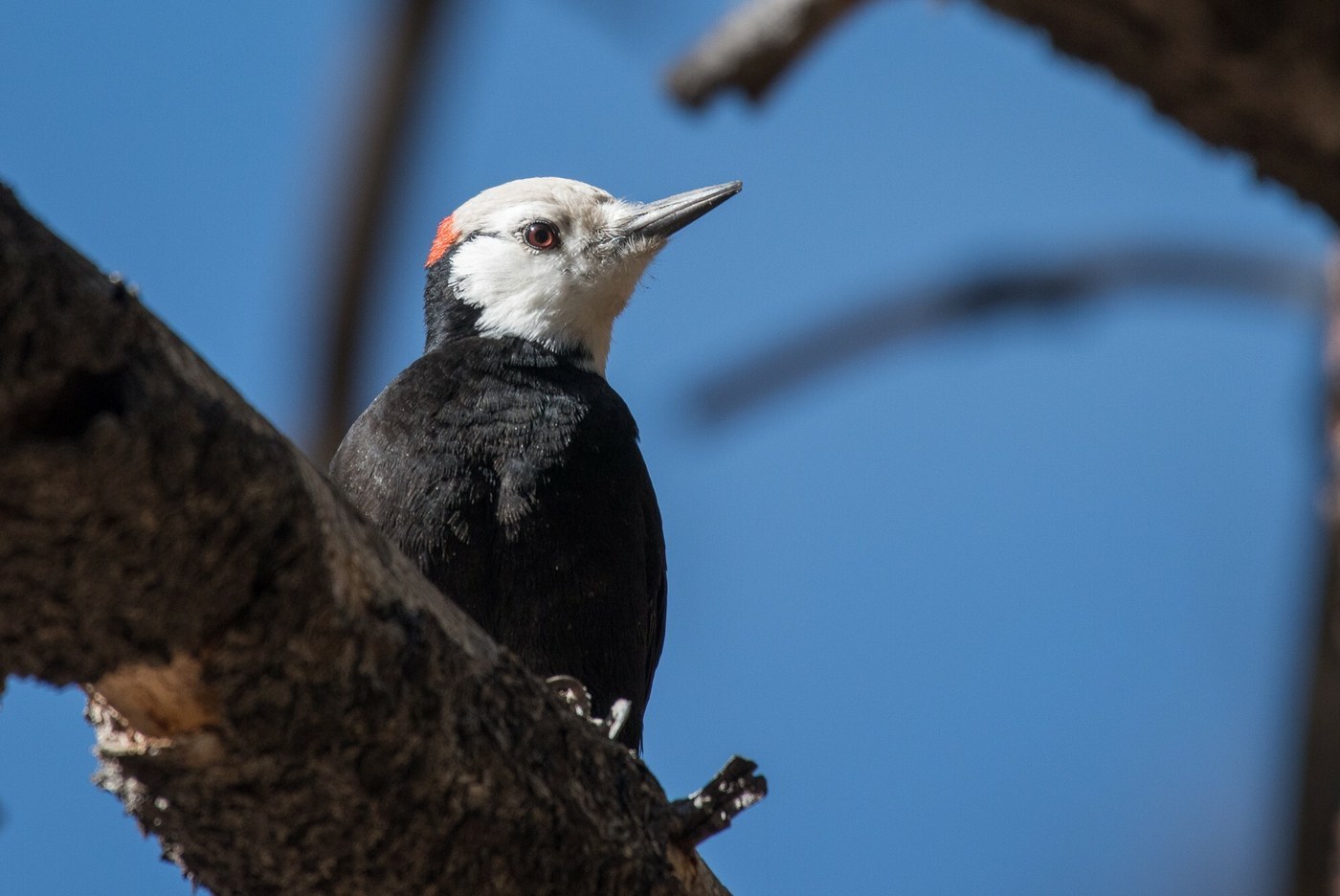
White-headed Woodpecker
Solid black body feathers with an entirely white head