

Indigo Bunting
Passerina cyanea
A small eastern songbird whose breeding males appear an intense, uniform iridescent blue with no other markings, while females are entirely plain brown, making feathers of the two sexes look like different species.
- Feather type
- Small contour and flight feathers
- Colours
- Deep iridescent blue (males), plain brown (females)
- Bird size
- Small, ~13-14 cm
Found a feather like this?
Identify any feather from a photo, free.
Overview
The Indigo Bunting breeds in brushy fields, forest edges, and roadside habitat across the eastern and central United States. Breeding males are an intense, uniform deep blue produced entirely through feather structure rather than pigment, appearing almost black in poor light, while females and non-breeding males are plain warm brown with faint streaking, showing none of the male's blue.
Identifying the Feather
Size and Shape
Feathers are small and rounded, typical of a finch-like songbird, with no strong wing bars or tail patches.
Color and Pattern
- Breeding male feathers: uniform deep, iridescent blue over the entire body, sometimes appearing blackish without direct light
- Female and non-breeding feathers: plain warm brown with faint blurry streaking on the breast
- No white wing bars or tail patches in either sex
Distinguishing from Similar Species
A uniformly blue feather with no black, white, or patterned markings strongly suggests a male Indigo Bunting or a closely related bunting species; the Blue Grosbeak is larger with rusty wing bars, while the Indigo Bunting lacks any wing bar contrast entirely.
Plumage & Molt
Breeding males are entirely iridescent blue; non-breeding males molt into a browner plumage with patches of blue retained, especially on the wings and tail; females are plain brown year-round with only faint streaking. Juveniles resemble females. Adults undergo two molts annually, a partial pre-breeding molt that produces the male's vivid blue plumage and a complete post-breeding molt into browner tones.
Habitat & Range
Indigo Buntings breed across the eastern and central United States and into southern Canada, favoring brushy fields, forest edges, overgrown pastures, and roadsides. The species is a long-distance nocturnal migrant, wintering from Mexico through Central America and the Caribbean, and is known to navigate in part using stellar cues learned as young birds.
Behavior & Field Notes
This bunting feeds on seeds and insects, foraging low in shrubs and grasses, and shifts toward more insect prey during the breeding season to feed young. It builds a compact cup nest low in dense shrubs. The male's song is a distinctive series of paired, jumbled notes often described as "fire-fire, where-where, here-here," sung persistently from exposed perches through the heat of summer days when other songbirds have quieted.
Frequently asked questions
Why do Indigo Bunting feathers look blue?
The blue is structural, produced by microscopic feather structure scattering light rather than blue pigment, which is why it can look blackish in poor light.
Do female Indigo Buntings have blue feathers?
No, females are plain warm brown with only faint streaking, showing none of the male's blue coloring.
How can I tell an Indigo Bunting feather from a Blue Grosbeak feather?
Indigo Bunting feathers lack any wing bar contrast, while Blue Grosbeak feathers show rusty wing bars against the blue body.
Does the Indigo Bunting molt twice a year?
Yes, males undergo a partial molt before breeding season that produces their vivid blue plumage, plus a complete molt after breeding into browner tones.
Indigo Bunting guides
In-depth guides for identifying and understanding Indigo Bunting.

Other feathers you may enjoy

Yellow-breasted Bunting
Contour and flight feathers, chestnut-and-yellow breeding pattern
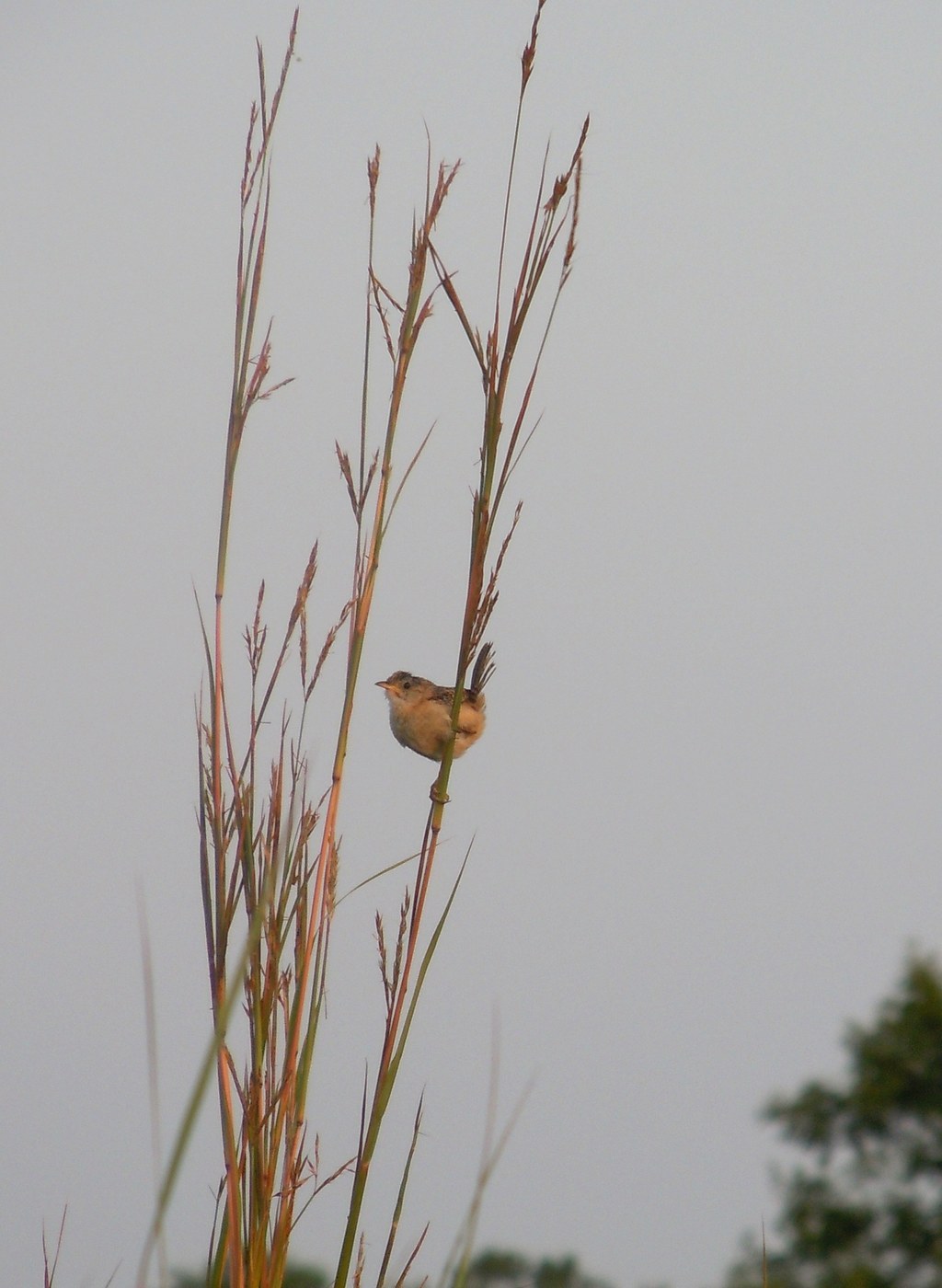
Sedge Wren
Tiny streaked crown and back feathers

Yellow-winged Cacique
Glossy black body feathers, yellow wing patch, shaggy crest

Yellow Warbler
Small contour and flight feathers
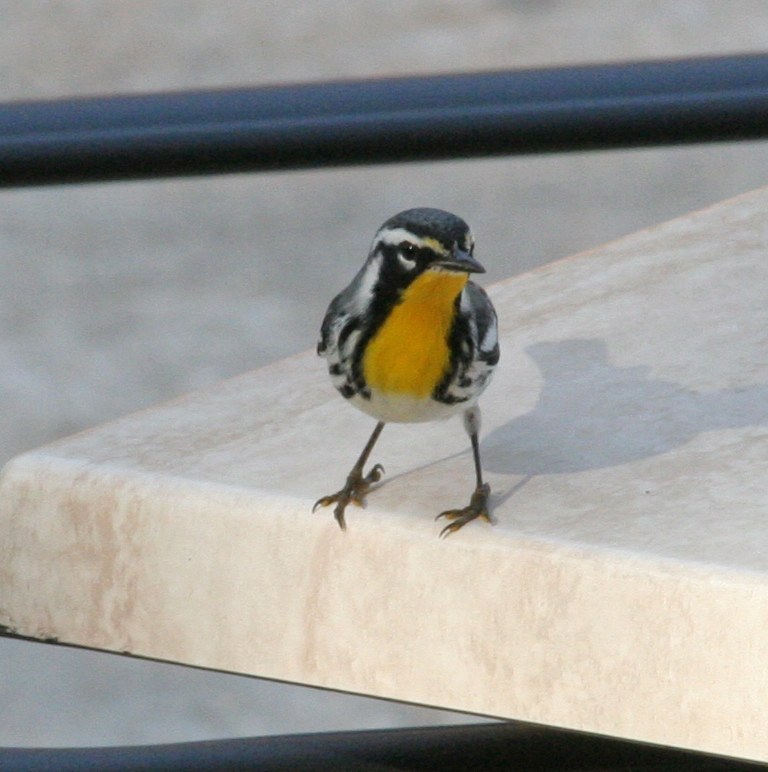
Yellow-throated Warbler
Small contour and flight feathers
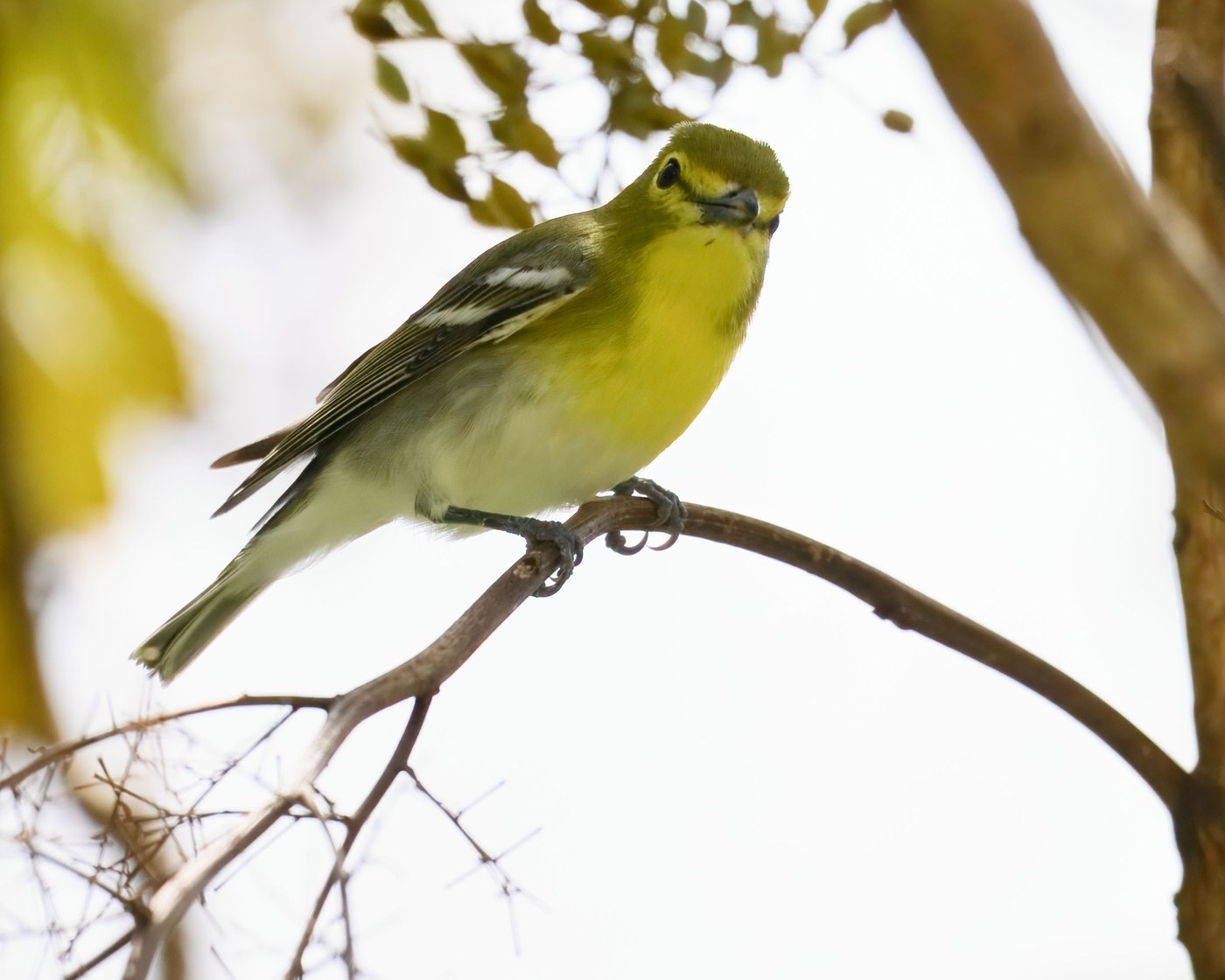
Yellow-throated Vireo
Bright yellow throat and spectacle feathers; olive-green back feathers; two white wing-bar feathers

Yellow-rumped Warbler
Small contour and flight feathers
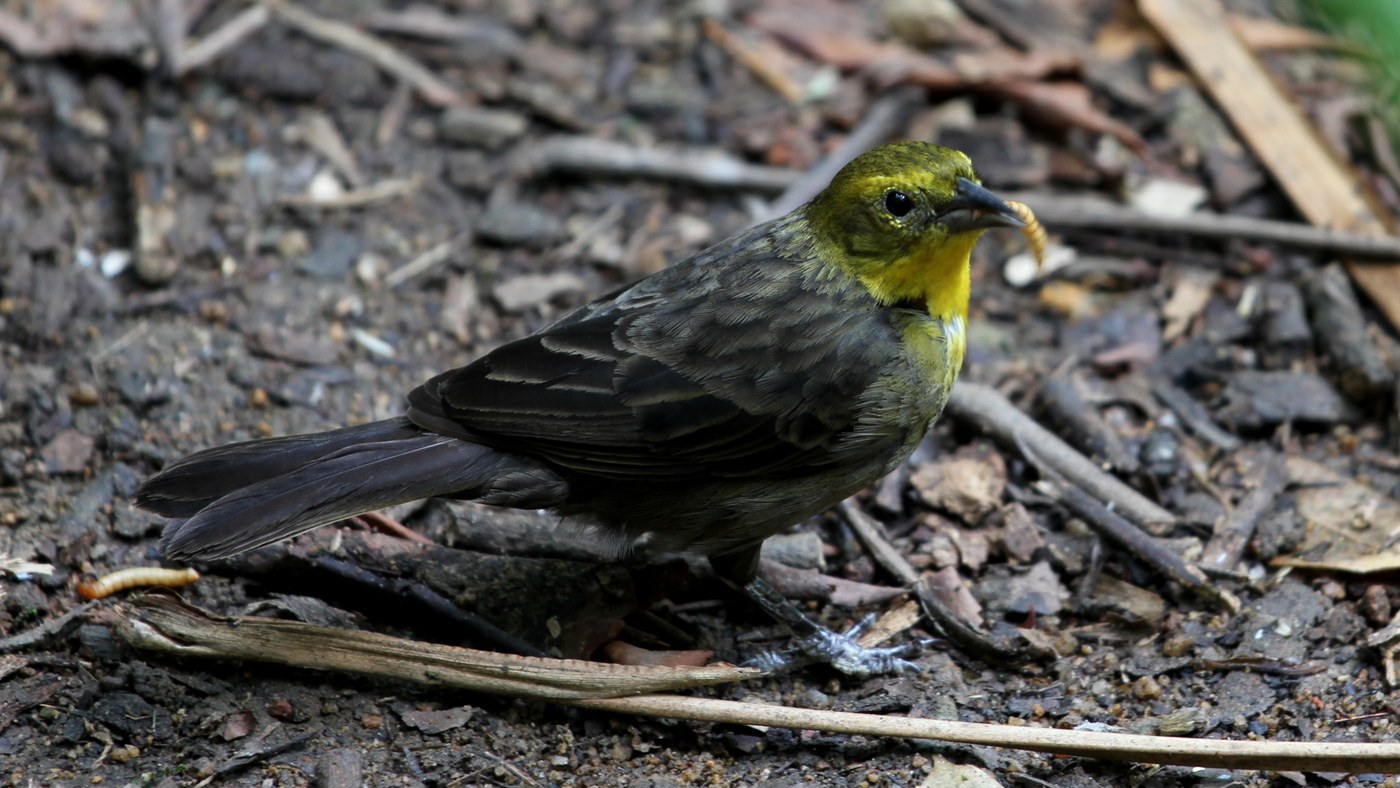
Yellow-hooded Blackbird
Contrasting hood and body feathers
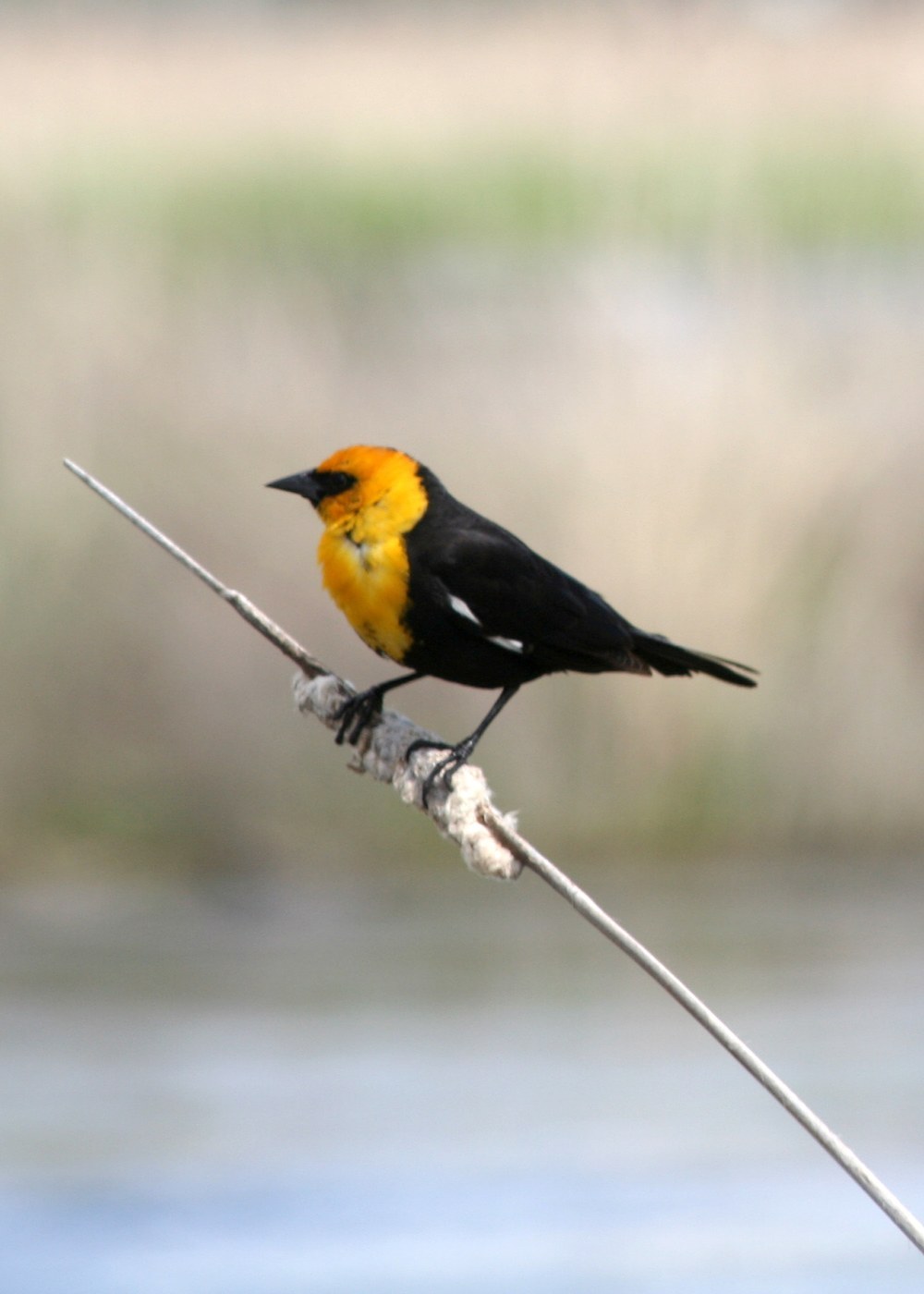
Yellow-headed Blackbird
Glossy black body plumage with a bright yellow head and breast

Yellow-eyed Junco
Contour and flight feathers

Yellow-fronted Canary
Small, smooth body plumage

Yellow-breasted Greenfinch
Compact, smooth body plumage