

Laysan Albatross
Phoebastria immutabilis
A North Pacific albatross with a clean white head and body contrasting against dark gray upperwings, distinguished from its dark-bodied Black-footed relative by its predominantly pale plumage.
- Feather type
- Contour, flight, and tail feathers
- Colours
- White head and underparts, dark gray upperwing and back
- Bird size
- Large, ~79-81 cm
Found a feather like this?
Identify any feather from a photo, free.
Overview
The Laysan Albatross is the most common albatross of the North Pacific, breeding mainly on remote low islands and atolls, including large colonies in the Hawaiian archipelago. Its white head and underparts set against dark gray upperparts make it easy to distinguish from the darker Black-footed Albatross with which it sometimes associates.
Identifying the Feather
- Head, neck, and underparts feathers are white, with a small dusky smudge around the eye giving a slightly shadowed look
- Upperwing and back feathers are dark gray to grayish-black, contrasting sharply with the white body
- Underwing feathers are mostly white with dark margins along the leading and trailing edges
- Tail feathers are dark gray to blackish
- Flight feathers are long and narrow, built for efficient soaring over vast stretches of open ocean
Plumage & Molt
- Adults show a white head and underparts, dark gray upperwing and back, and a dusky eye smudge
- Juveniles closely resemble adults, without the extended dark immature phase seen in some larger albatrosses
- Sexes are alike in plumage
- Molt is gradual, occurring mainly during the extended period between breeding attempts
Habitat & Range
Laysan Albatrosses breed in large colonies on low, sandy islands and atolls of the North Pacific, especially in the Northwestern Hawaiian Islands, with smaller colonies elsewhere in the Pacific. Outside the breeding season they disperse widely over the North Pacific, ranging from subtropical to subarctic waters in search of food.
Behavior & Field Notes
This albatross feeds on squid, fish eggs, and other surface prey snatched while sitting on the water or in shallow dives, often foraging over great distances from the breeding colony. It nests on open sandy or grassy ground, laying a single egg, and performs elaborate, ritualized courtship dances involving synchronized head movements and bill actions. Its calls include a variety of moans, whistles, and bill-clacking sounds during these courtship displays.
Frequently asked questions
How can I tell a Laysan Albatross feather from a Black-footed Albatross feather?
Laysan Albatross feathers include clean white body feathers alongside dark gray upperwing feathers, whereas Black-footed Albatross feathers are dark sooty-brown throughout, lacking the white body plumage.
Why does the Laysan Albatross have a dark smudge around the eye?
A small area of dusky feathers surrounds the eye, giving the bird a slightly shadowed expression against its otherwise white head.
Where do Laysan Albatrosses nest?
They breed in large colonies on low, sandy islands and atolls, most famously in the Northwestern Hawaiian Islands, nesting in the open on sand or sparse vegetation.
Laysan Albatross guides
In-depth guides for identifying and understanding Laysan Albatross.

Other feathers you may enjoy

Western Gull
Body, flight, and tail feathers
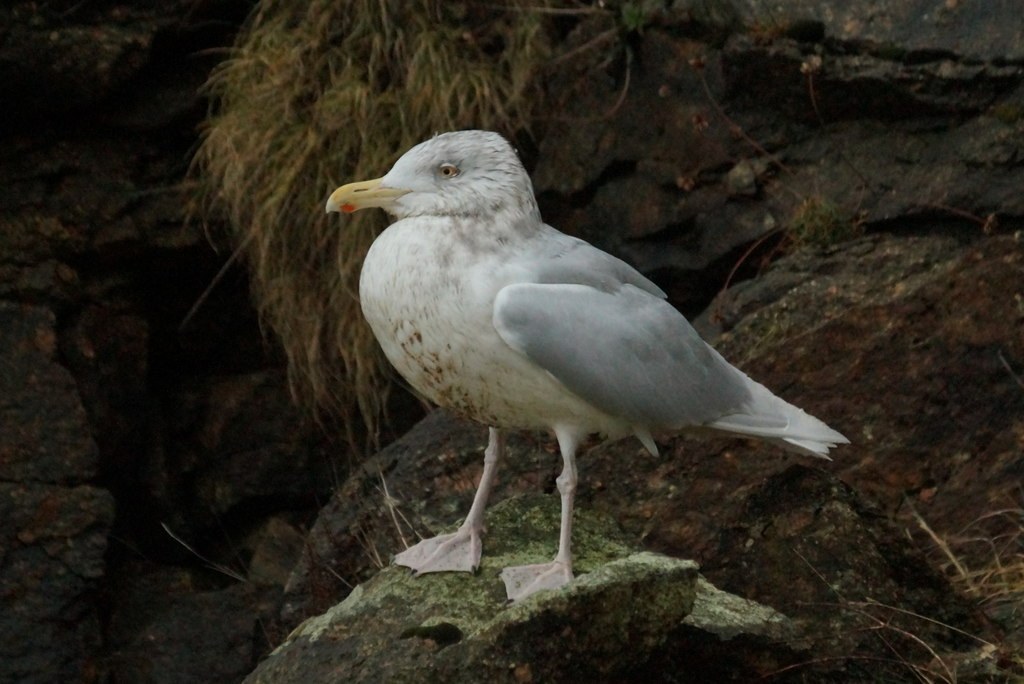
Glaucous Gull
Body, flight, and tail feathers

American Herring Gull
Body, flight, and tail feathers

Great Black-backed Gull
Body, flight, and tail feathers

Common Gull
Body, flight, and tail feathers
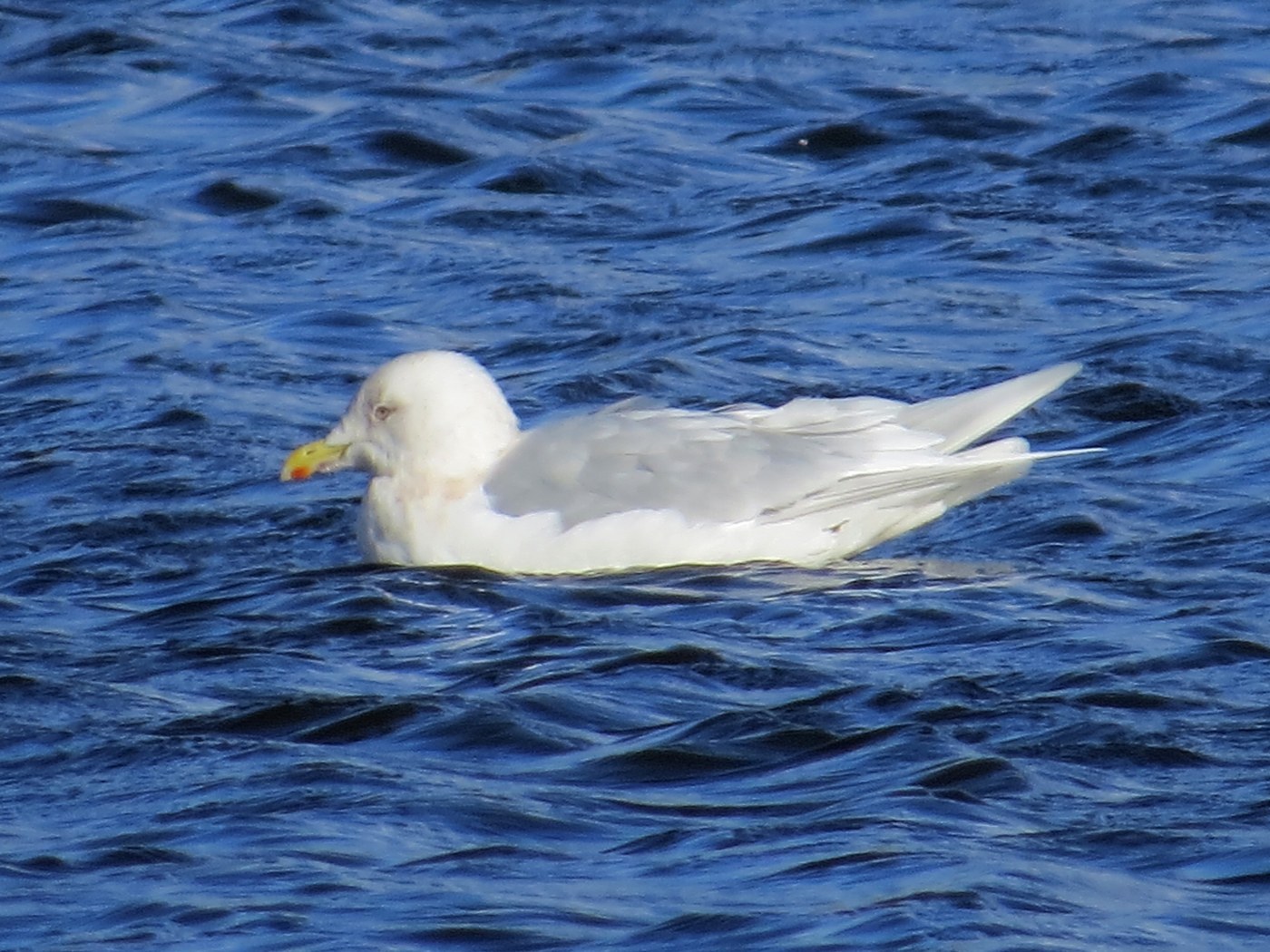
Iceland Gull
Body, flight, and tail feathers

Ring-billed Gull
Body, flight, and tail feathers

Glaucous-winged Gull
Body, flight, and tail feathers

Herring Gull
Body, flight, and tail feathers

Lesser Black-backed Gull
Body, flight, and tail feathers

California Gull
Body, flight, and tail feathers
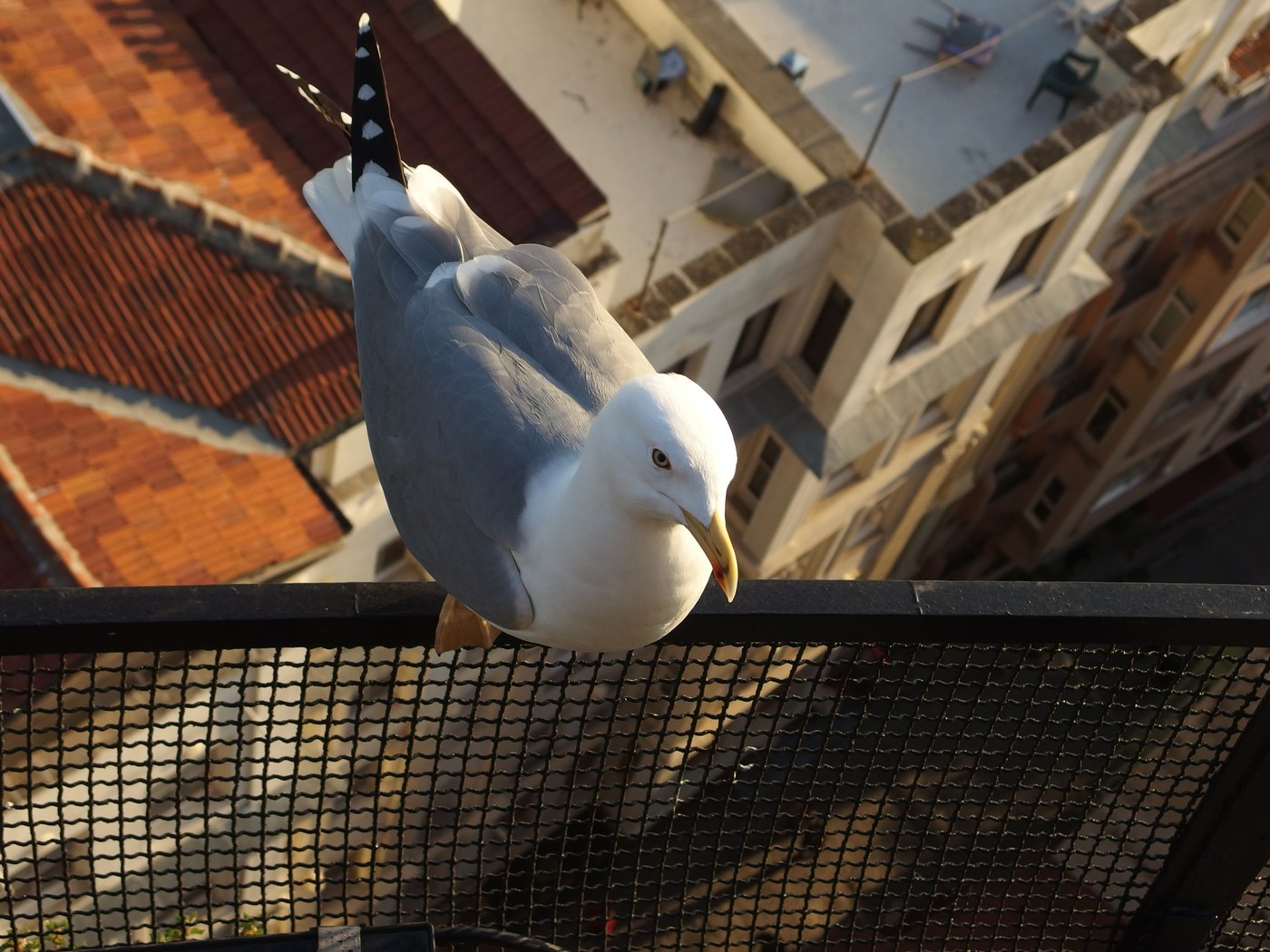
Yellow-legged Gull
Body, wing covert, and flight feathers