

Least Tern
Sternula antillarum
The smallest tern in North America, a diminutive, fast-flying species of sandy beaches and river sandbars, easily told by its small size, yellow bill, and white forehead patch above the black cap.
- Feather type
- Body and flight feathers
- Colours
- Pale gray upperparts, white underparts, black cap with white forehead patch
- Bird size
- Very small tern, ~21-24 cm
Found a feather like this?
Identify any feather from a photo, free.
Overview
Overview
The Least Tern is the smallest tern found in North America, a compact, fast-flying species that nests colonially on open sand along coastlines, riverbanks, and sandbars. Its diminutive size alone helps separate it from all but a handful of similarly tiny terns worldwide, and its combination of a bright yellow bill with a black tip and a bold white patch on the forehead above the black cap gives it a distinctive facial pattern among North American terns.
Because it depends heavily on open, unvegetated sand for nesting, this species has faced substantial habitat pressure from coastal development and river management, making it a focus of conservation efforts in many parts of its range.
Identifying the Feather
Feather Identification
- Wing feathers: Pale gray upperwing with a narrow dark leading edge formed by the outer one or two primaries, a subtle pattern given the species' overall small size and quick, fluttering flight.
- Size and shape: Feathers are notably small and delicate, the smallest among regularly encountered North American terns, consistent with the species' compact body size.
- Head feathers: Black cap with a distinctive white patch on the forehead in breeding adults, a pattern not shared by most other similarly sized terns in North America.
- Compared to similar species: Little Tern, the Old World counterpart, is extremely similar in size and pattern but occurs in a different geographic range; within North America, Least Tern's small size and white forehead patch are generally sufficient for identification.
Plumage & Molt
Plumage Details
Breeding adults show a black cap with a white forehead patch, pale gray upperparts, white underparts, a yellow bill with a black tip, and yellow-orange legs. In nonbreeding plumage the black cap is reduced and duller, and the bill darkens toward blackish. Juveniles show scaly brown-and-buff markings on the back and wing coverts along with a dark bill, gradually molting toward the paler gray adult pattern over their first year or so.
Habitat & Range
Habitat & Range
Least Terns breed in scattered colonies on open sandy beaches, sandbars, and gravel bars along coasts and major rivers across much of the southern and central United States and into Mexico, Central America, and parts of South America. The species is migratory, with northern breeding populations moving to tropical and subtropical wintering areas along coasts further south. Because of its reliance on unvegetated sand for nesting, it is highly sensitive to habitat disturbance from development, recreation, and river flow management.
Behavior & Field Notes
Behavior & Field Notes
Least Terns forage by hovering and plunge-diving for small fish in shallow coastal and riverine waters, often foraging close to the nesting colony. They nest in loose colonies on open sand with minimal nest structure, making eggs and chicks vulnerable to disturbance, predation, and flooding, a vulnerability that has driven conservation attention in many regions. The call is a sharp, high-pitched "kip" or chattering note, quicker and higher than the calls of larger terns. Its very small size, quick and fluttering flight, and white forehead patch are the most useful features for identifying this species in mixed groups of terns.
Frequently asked questions
What makes the Least Tern the smallest tern in North America?
It has a notably smaller body size, wingspan, and bill than all other regularly occurring North American terns, giving it a compact, fast, fluttering flight style distinct from its larger relatives.
Why is nesting habitat a concern for this species?
Least Terns nest on open, unvegetated sand along beaches and riverbanks, habitat that is highly susceptible to disturbance from coastal development, recreational use, and altered river flows, making colonies vulnerable.
How can I distinguish Least Tern from Little Tern?
The two species are extremely similar in size and pattern, but Least Tern occurs in the Americas while Little Tern is the Old World counterpart found in Europe, Africa, and Asia; range is usually the deciding factor.
What does the white forehead patch indicate?
It is simply a normal plumage feature of the breeding adult's head pattern, contrasting with the black cap, and serves as a useful field mark rather than an indicator of age beyond adulthood.
Least Tern guides
In-depth guides for identifying and understanding Least Tern.

Other feathers you may enjoy

Western Gull
Body, flight, and tail feathers
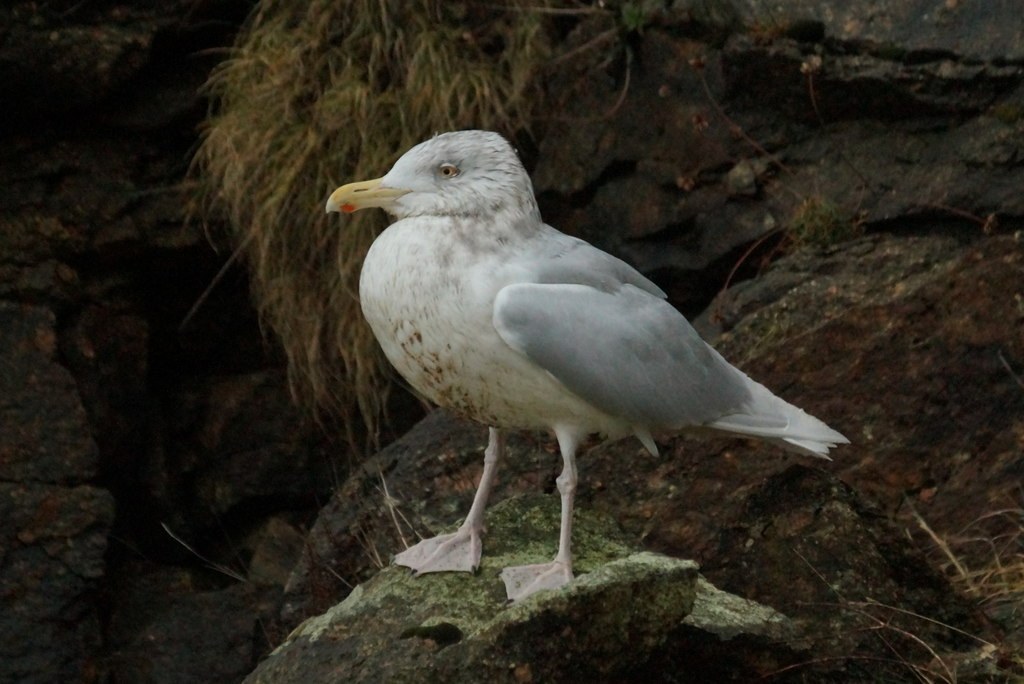
Glaucous Gull
Body, flight, and tail feathers

American Herring Gull
Body, flight, and tail feathers

Great Black-backed Gull
Body, flight, and tail feathers

Common Gull
Body, flight, and tail feathers
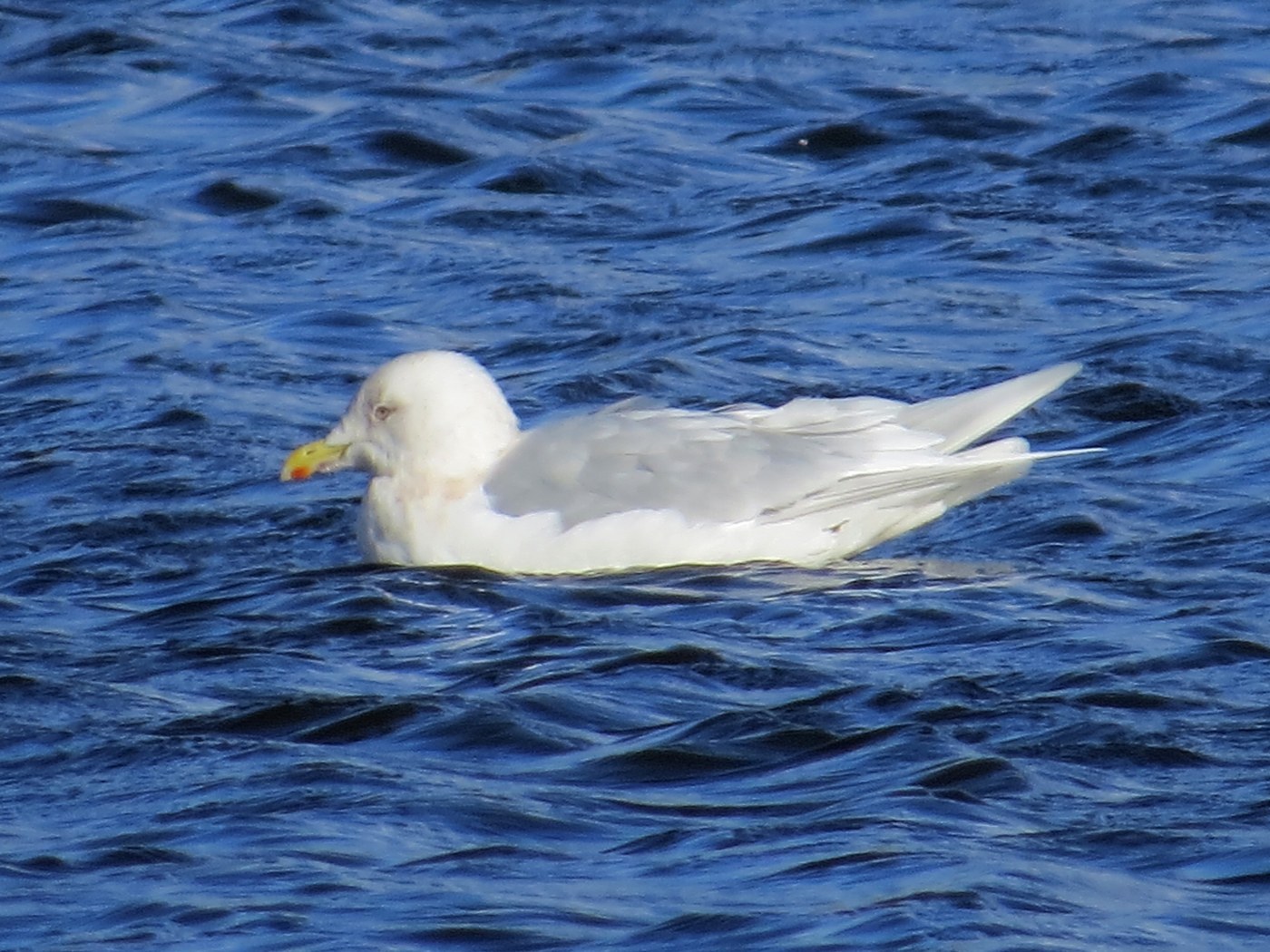
Iceland Gull
Body, flight, and tail feathers

Ring-billed Gull
Body, flight, and tail feathers

Glaucous-winged Gull
Body, flight, and tail feathers

Herring Gull
Body, flight, and tail feathers

Lesser Black-backed Gull
Body, flight, and tail feathers

California Gull
Body, flight, and tail feathers
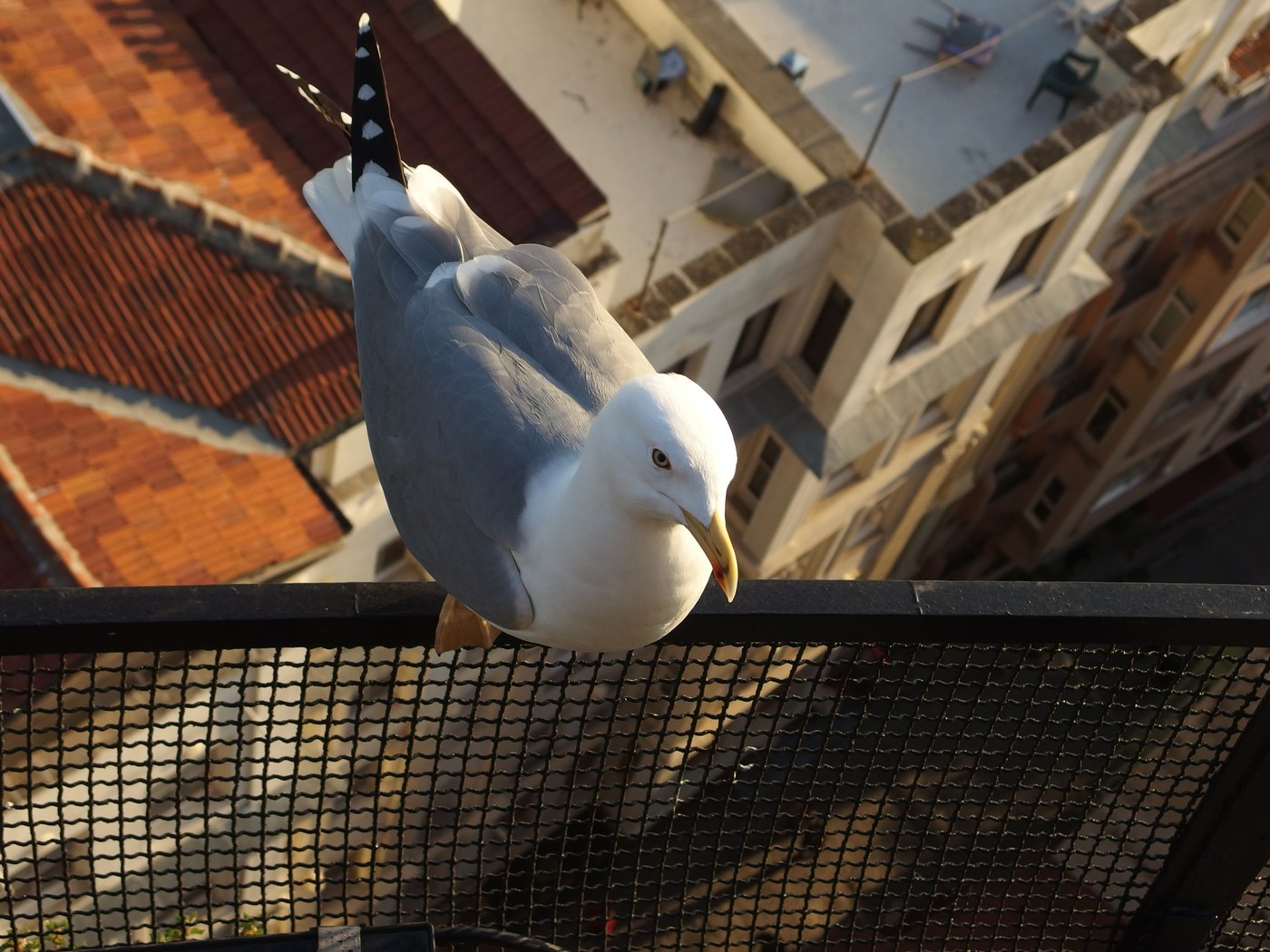
Yellow-legged Gull
Body, wing covert, and flight feathers