

Lesser Yellownape
Picus chlorolophus
A smaller relative of the Greater Yellownape, sharing its olive-green body and yellow crest but distinguished by its modest size and a small red patch on the male's head.
- Feather type
- Contour, crest, and flight feathers
- Colours
- Olive-green upperparts, yellow crest, pale barred underparts
- Bird size
- Small-medium, ~18-19 cm
Found a feather like this?
Identify any feather from a photo, free.
Overview
The Lesser Yellownape is a compact forest woodpecker found across South and Southeast Asia, from the Indian subcontinent through the Malay Peninsula. Like its larger relative, it shows olive-green upperparts and a yellow crest, but its smaller size and quieter habits set it apart in the field.
It tends to forage lower in the vegetation than the Greater Yellownape and is often detected first by a soft call rather than by sight.
Identifying the Feather
- Back feathers are olive-green, generally slightly brighter and less bulky than in the Greater Yellownape
- Crest feathers on the crown and nape are tipped yellow, shorter overall than the shaggy crest of its larger relative
- Males show a small red patch on the side of the head near the ear-coverts, absent in females
- Underparts are pale with fine dusky barring, similar in pattern to other Picus woodpeckers
- Tail feathers are dark and stiffened for bracing on trunks and branches
Plumage & Molt
Males are distinguished from females by a small red patch near the ear-coverts; females lack any red in the head plumage. Juveniles show duller, less saturated green upperparts and softer barring below. A single molt follows the breeding season.
Habitat & Range
- Ranges across the Indian subcontinent, the Himalayan foothills, and much of mainland and parts of insular Southeast Asia
- Prefers forest understory and mid-story, including secondary forest, bamboo stands, and forest edge
- Resident, with limited local movement tied to food availability
Behavior & Field Notes
This species forages quietly at low to middle heights, gleaning insects from bark, moss, and epiphytes rather than drumming heavily. Its call is a soft, high-pitched note, less far-carrying than that of larger woodpeckers sharing its range. Nesting cavities are excavated in smaller dead branches or trunks within the forest interior.
Frequently asked questions
How does this differ from the Greater Yellownape?
It is noticeably smaller and quieter, and males show a small red patch near the ear-coverts that the Greater Yellownape lacks.
Can males and females be separated by feather alone?
Yes, a feather with a small red patch from the head area indicates a male; an all-olive head feather suggests a female.
Where does it typically forage?
Mostly in the understory and mid-story of forest, gleaning bark and epiphytes rather than drilling deeply into wood.
Is the yellow crest always obvious?
It is usually visible but shorter and less shaggy than in the larger, closely related yellownape species.
Lesser Yellownape guides
In-depth guides for identifying and understanding Lesser Yellownape.

Other feathers you may enjoy

Ivory-billed Woodpecker
Very large flight feathers with a solid white trailing patch

Great Slaty Woodpecker
Massive, uniformly colored contour feathers

Yellow-tufted Woodpecker
Black body feathers with bright yellow forehead tufts

Magellanic Woodpecker
Very large, glossy contour feathers with a recurved crest

Yellow-bellied Sapsucker
Black-and-white patterned back and facial-stripe feathers
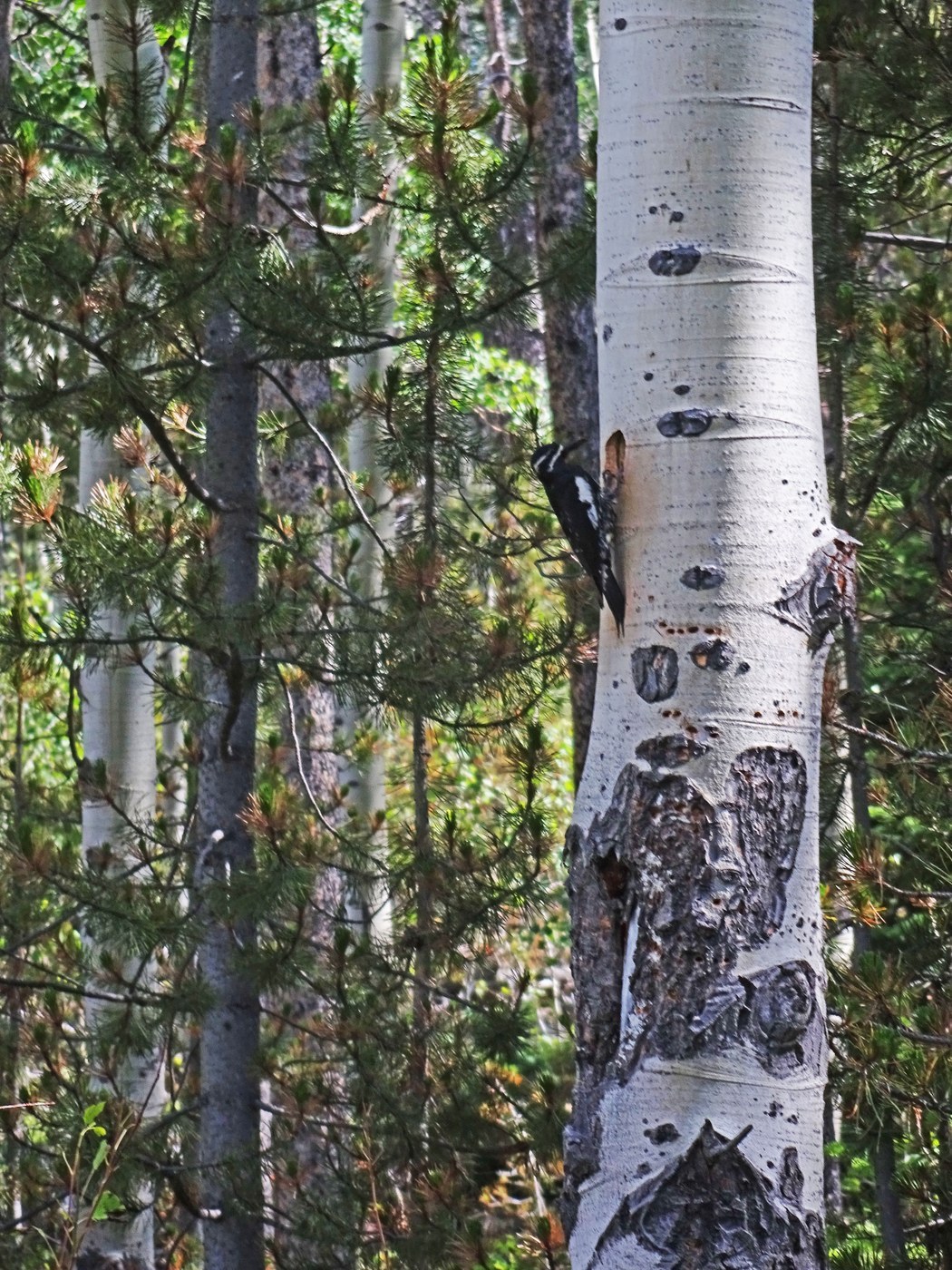
Williamson's Sapsucker
Strongly sexually dimorphic body feathers, glossy black or finely barred brown

Yellow-crowned Woodpecker
Contour and flight feathers

White Woodpecker
Mostly white body feathers with contrasting black wings and back

Red-throated Wryneck
Soft, cryptically mottled contour feathers

White-bellied Woodpecker
Large, glossy black contour and flight feathers

White-backed Woodpecker
Barred back feathers rather than a solid white patch
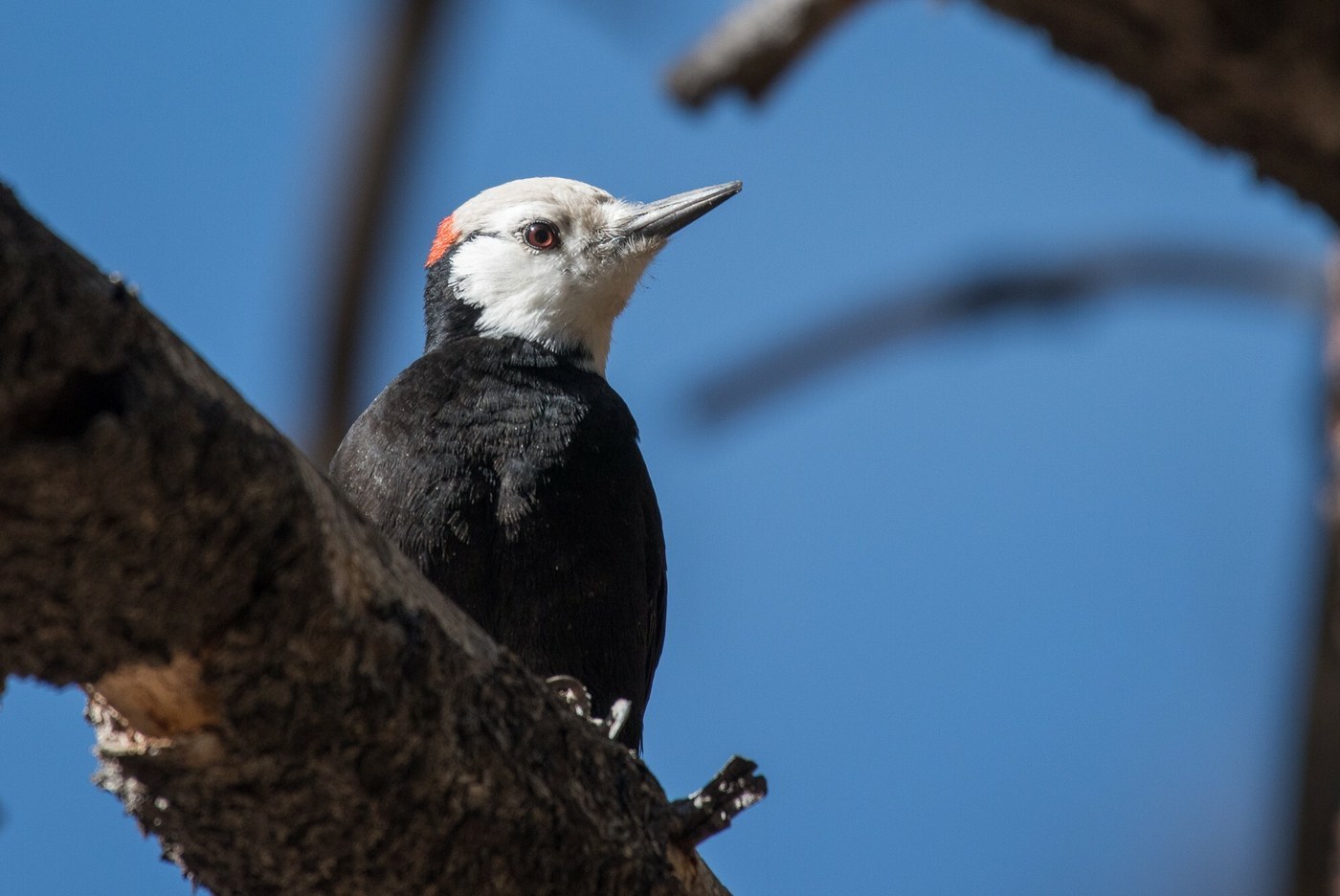
White-headed Woodpecker
Solid black body feathers with an entirely white head