
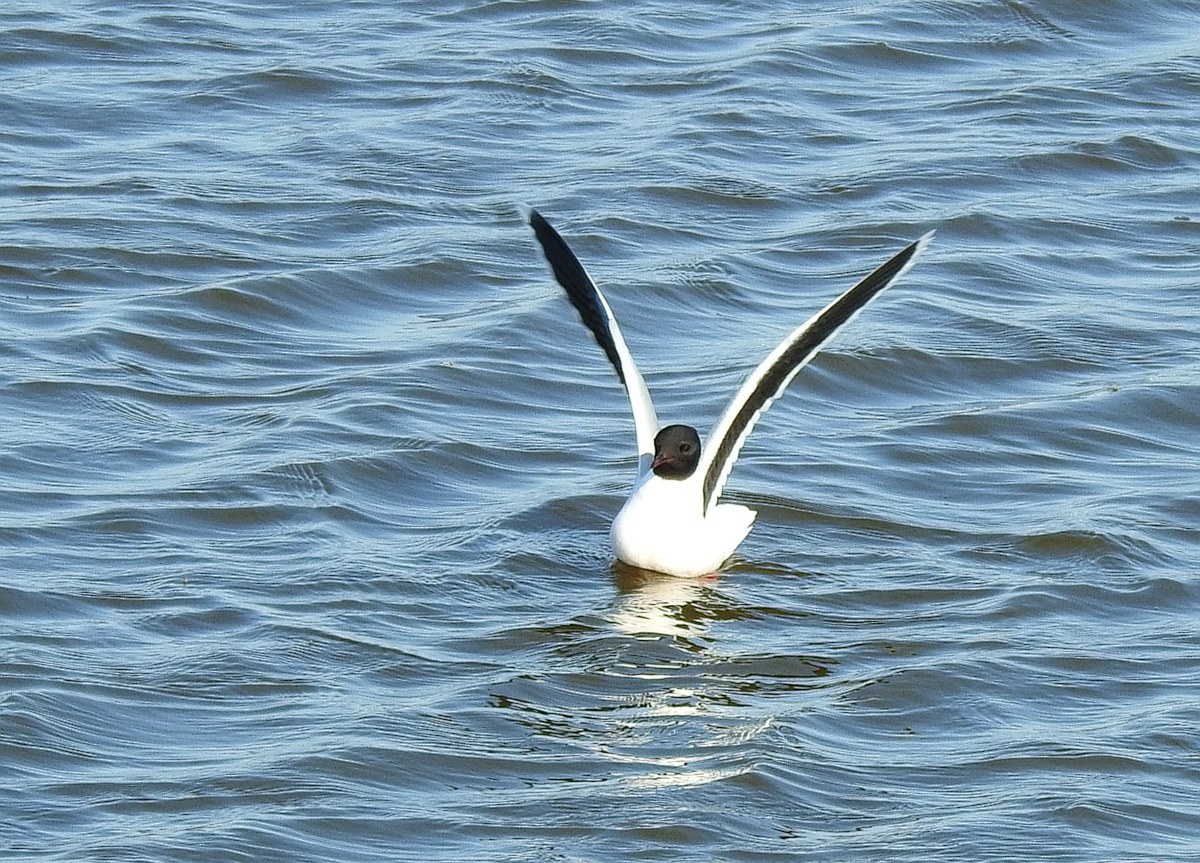
Little Gull
Hydrocoloeus minutus
The smallest gull in the world, a delicate Eurasian species with rounded wings, a buoyant tern-like flight, and strikingly dark underwings that flash as it wheels over the water.
- Feather type
- Body, wing covert, and flight feathers
- Colours
- Pale gray mantle, white underparts, dark gray to blackish underwings
- Bird size
- Very small gull, ~25-27 cm
Found a feather like this?
Identify any feather from a photo, free.
Overview
Overview
The Little Gull is the smallest gull species in the world, breeding across scattered wetlands of northern Eurasia with a small, localized breeding population also established in North America around the Great Lakes region. Its diminutive size, rounded wingtips, and buoyant, tern-like feeding flight set it apart from all other gulls sharing its range. Adults in breeding plumage show a neat black hood and, most distinctively, blackish-gray underwings that contrast sharply with pale upperparts, a pattern visible whenever the bird banks or wheels in flight.
Because of its small size and agile flight, the species is sometimes overlooked among flocks of terns or Bonaparte's Gulls, and careful attention to wing shape and underwing color is often needed for confident identification.
Identifying the Feather
Feather Identification
- Wing feathers: Upperwing primaries are pale gray with narrow white tips and no black markings in full adult plumage, a pattern unlike most other small gulls; the underwing coverts and flight feather bases are dark gray to blackish, producing a strongly two-toned wing in flight.
- Size and shape: Overall feather size is the smallest of any gull, with short, rounded wingtips rather than the pointed wingtips typical of most gulls, contributing to a fluttering, tern-like flight action.
- Mantle and covert feathers: Pale gray, unmarked, contrasting with white underparts and a blackish hood.
- Compared to similar species: Bonaparte's Gull and Black-headed Gull both show white (not dark) underwings and a white wedge on the upper primaries, differences readily visible in flight and useful for separating scattered feathers by their lack of dark pigmentation on the underside.
Plumage & Molt
Plumage Details
Breeding adults show a full black hood, pale gray upperparts with white-tipped primaries lacking black markings, and dark gray to blackish underwings. In nonbreeding plumage the hood is reduced to a dark cap and ear-spot, while the diagnostic dark underwing is retained year-round in adults. Juveniles and first-winter birds show a dark "W" pattern across the upperwing formed by dark covert feathers, along with a dark tail band, and lack the fully dark underwing of adults until later molts. Full adult plumage, including the solid black hood and clean wing pattern, is typically attained by the second year.
Habitat & Range
Habitat & Range
Little Gulls breed in freshwater marshes, bogs, and wet meadows across northern and eastern Europe and into western Siberia, with a small, localized breeding population near the Great Lakes of North America. Outside the breeding season the species becomes more coastal and pelagic, frequenting estuaries, harbors, and nearshore ocean waters, sometimes well offshore. It is migratory, with Eurasian populations wintering along temperate coastlines of Europe, and North American individuals occurring scarcely but regularly along both coasts.
Behavior & Field Notes
Behavior & Field Notes
Little Gulls forage with light, fluttering, tern-like flight, dipping to the surface to pick insects and small aquatic invertebrates, and sometimes hawking insects in flight over water. They often join mixed flocks of Bonaparte's Gulls and terns, requiring careful attention to size and underwing color for detection. Nesting is in small, loose colonies on floating or emergent marsh vegetation. The call is a soft, tern-like "kek" or chattering note. Because of its rarity and small size in North America, sightings are typically noteworthy and benefit from close study of wing pattern and flight style.
Frequently asked questions
What makes the Little Gull the world's smallest gull species?
It is smaller in overall body length and wingspan than any other recognized gull species, with a correspondingly delicate bill and rounded, tern-like wings.
How does underwing color help identify this species?
Adult Little Gulls show blackish-gray underwings, a feature absent in similar small gulls such as Bonaparte's Gull, which have white underwings.
Where does the Little Gull breed in North America?
A small, localized breeding population is established near the Great Lakes, though the species is far more numerous and widespread across northern Eurasia.
Why might a Little Gull be overlooked in the field?
Its small size and buoyant, tern-like flight can cause it to be passed over within mixed flocks of terns or Bonaparte's Gulls unless observers specifically check wing shape and underwing color.
Little Gull guides
In-depth guides for identifying and understanding Little Gull.

Other feathers you may enjoy

Western Gull
Body, flight, and tail feathers
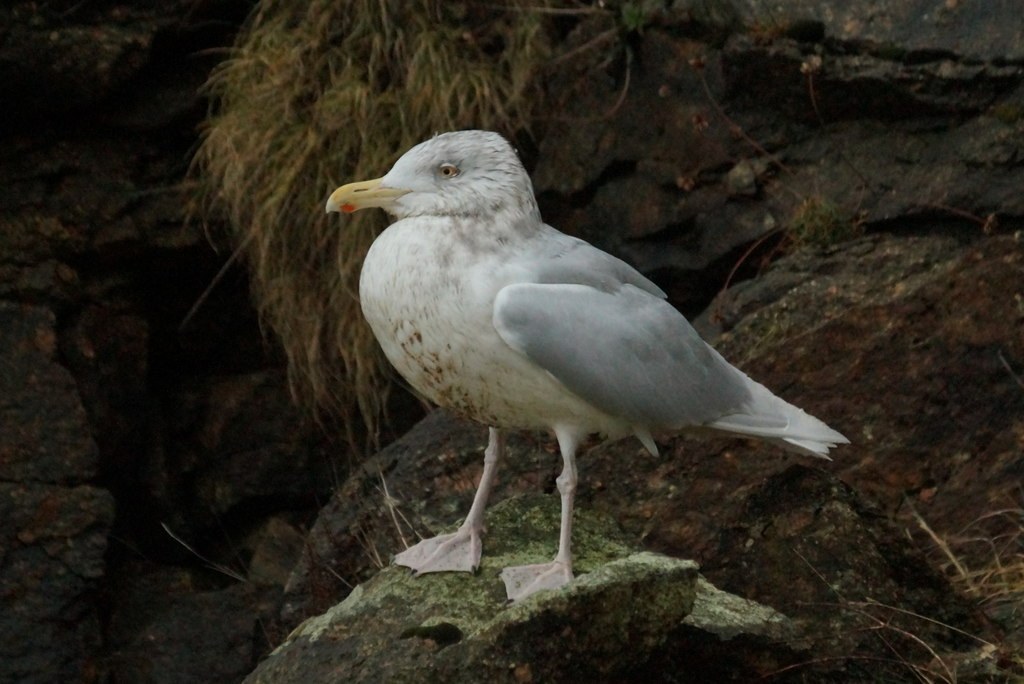
Glaucous Gull
Body, flight, and tail feathers

American Herring Gull
Body, flight, and tail feathers

Great Black-backed Gull
Body, flight, and tail feathers

Common Gull
Body, flight, and tail feathers
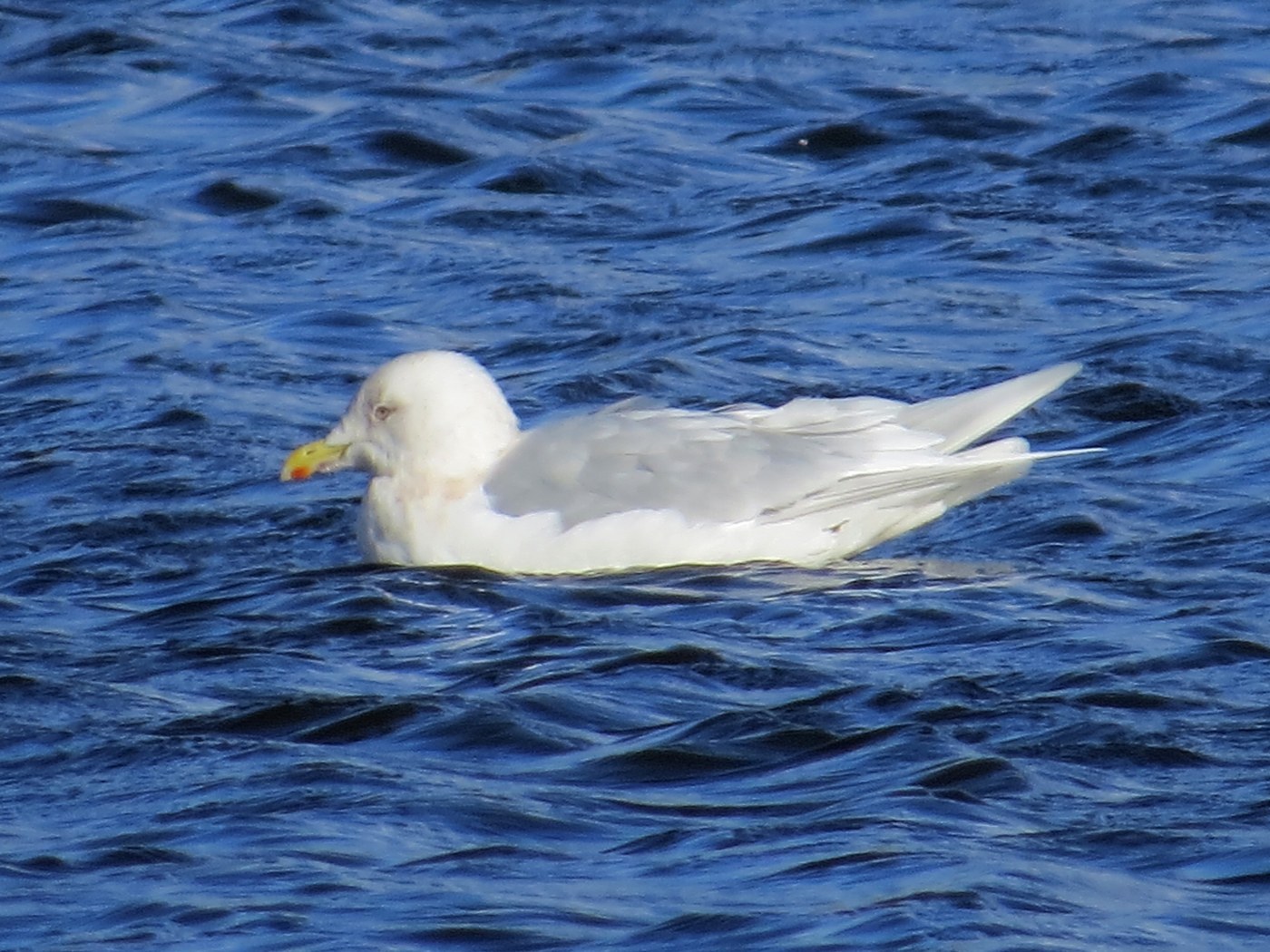
Iceland Gull
Body, flight, and tail feathers

Ring-billed Gull
Body, flight, and tail feathers

Glaucous-winged Gull
Body, flight, and tail feathers

Herring Gull
Body, flight, and tail feathers

Lesser Black-backed Gull
Body, flight, and tail feathers

California Gull
Body, flight, and tail feathers
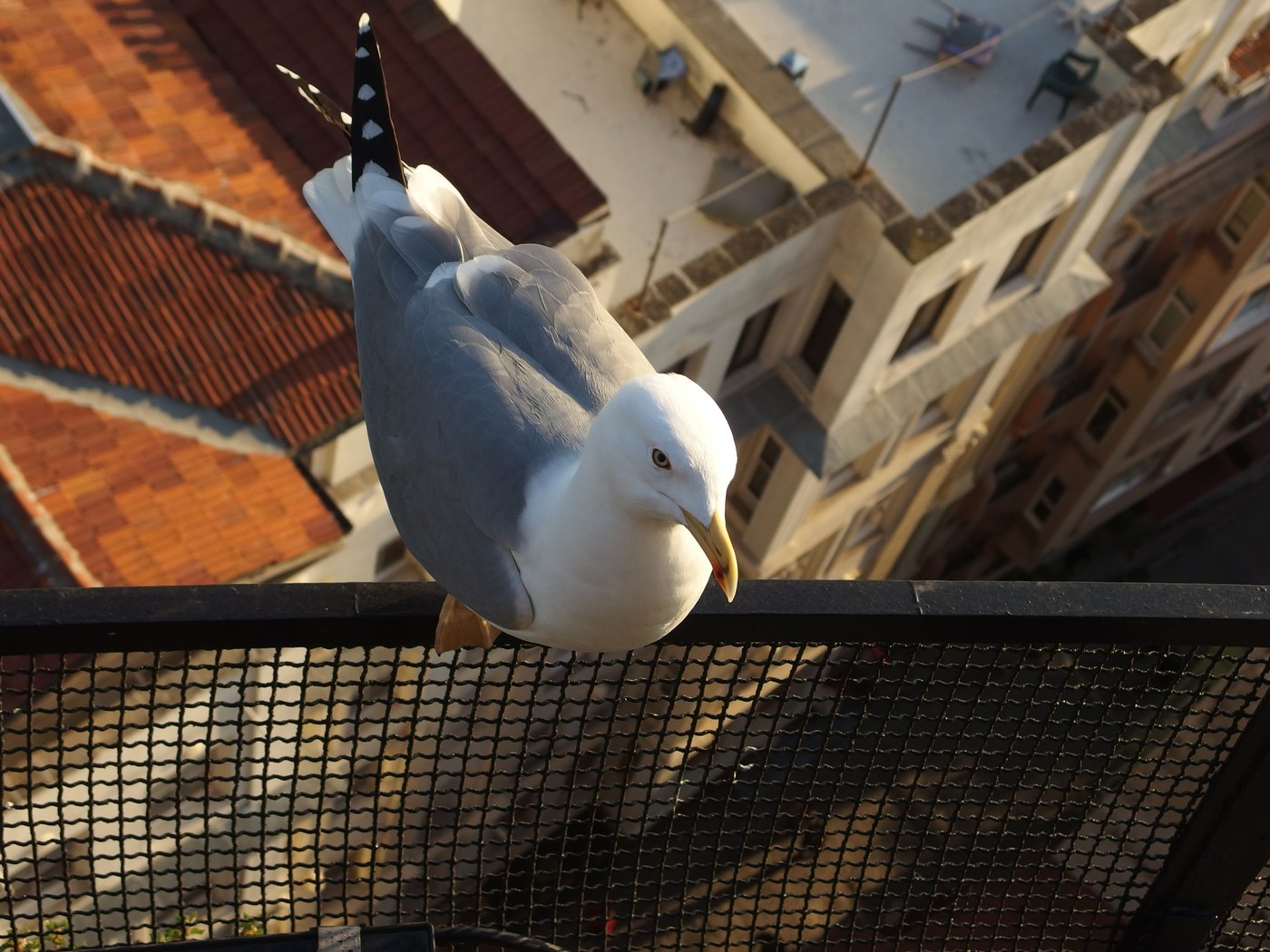
Yellow-legged Gull
Body, wing covert, and flight feathers