

Long-tailed Rosefinch
Carpodacus sibiricus
A rosefinch distinguished by its unusually long, graduated tail combined with pink and grey-brown streaked plumage in males.
- Feather type
- Soft body plumage with elongated tail feathers
- Colours
- Pink and grey-brown streaked (male), long graduated tail
- Bird size
- Small-medium finch, ~15-17 cm including long tail
Found a feather like this?
Identify any feather from a photo, free.
Overview
Overview
The Long-tailed Rosefinch is a distinctive East Asian finch notable for its long, graduated tail, a feature that sets it apart from most other rosefinches. Found in scrub, thickets, and forest edge habitats, it shows a combination of pink and grey-brown streaked plumage in males, with white wing bars adding further contrast.
Females are duller and lack the pink tones seen in males, showing a streaked grey-brown plumage overall, while the elongated tail is present in both sexes and remains a useful identification feature year-round.
Identifying the Feather
Feather Identification
- Male body feathers: pink wash over grey-brown streaked plumage, brightest on the face, throat, and rump.
- Female/immature body feathers: streaked grey-brown without pink tones.
- Tail feathers: notably long and graduated in both sexes, a distinguishing structural feature among rosefinches.
- Wing feathers: dark with white wing bars visible in both sexes.
- Distinguishing from similar species: the long, graduated tail immediately separates this species from other rosefinches, most of which have proportionally shorter tails.
Plumage & Molt
Plumage Details
Adult males show a pink wash over grey-brown streaked body plumage, most vivid on the face, throat, and rump, with white wing bars and a long graduated tail. Females lack the pink tones, appearing streaked grey-brown throughout, though they share the same elongated tail shape as males. Juveniles resemble females but with finer, more diffuse streaking.
Habitat & Range
Habitat & Range
Long-tailed Rosefinches inhabit scrub, thickets, and forest edge habitats across Siberia, Mongolia, China, Korea, and Japan. Northern populations are migratory, moving south to milder regions for winter, while some southern populations are more sedentary.
Behavior & Field Notes
Behavior & Field Notes
This species feeds on seeds and small plant material gathered from shrubs and the ground, often in small flocks outside the breeding season. Its song is a simple, melodic whistle. Nests are built low in dense shrubs or thickets. The unusually long, graduated tail is the single most useful field mark for identifying this species, readily distinguishing it from other rosefinches with shorter tails.
Frequently asked questions
What is the most distinctive feather feature of the Long-tailed Rosefinch?
Its unusually long, graduated tail, a structural feature not shared by most other rosefinch species.
What color are male Long-tailed Rosefinch feathers?
Males show a pink wash over grey-brown streaked plumage, brightest on the face, throat, and rump, with white wing bars.
Do females have the long tail as well?
Yes, both sexes share the elongated, graduated tail, though females lack the male's pink coloration.
Where does this species live?
In scrub, thickets, and forest edge habitats across Siberia, Mongolia, China, Korea, and Japan.
Long-tailed Rosefinch guides
In-depth guides for identifying and understanding Long-tailed Rosefinch.

Other feathers you may enjoy

Yellow-breasted Bunting
Contour and flight feathers, chestnut-and-yellow breeding pattern
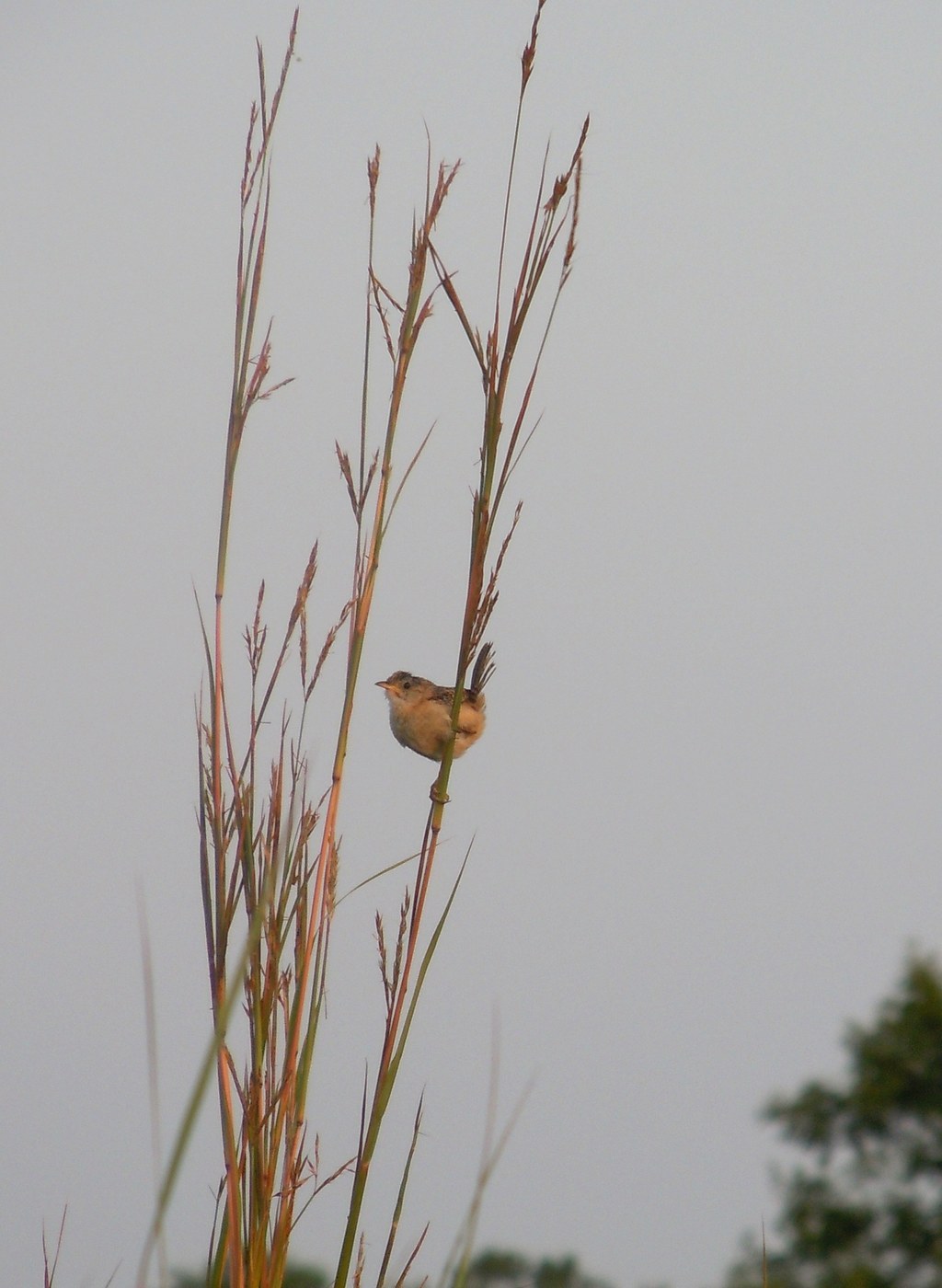
Sedge Wren
Tiny streaked crown and back feathers

Yellow-winged Cacique
Glossy black body feathers, yellow wing patch, shaggy crest

Yellow Warbler
Small contour and flight feathers
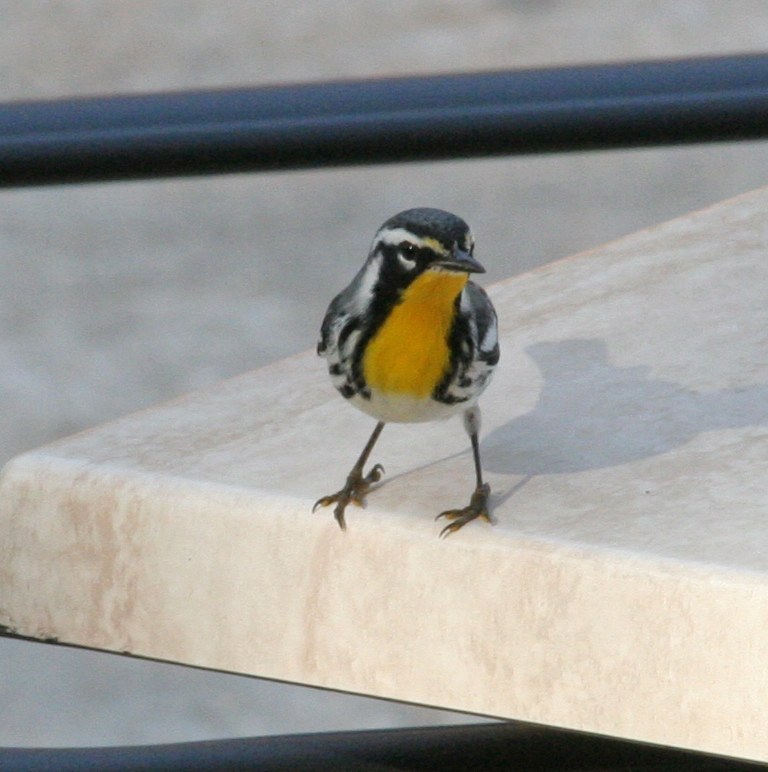
Yellow-throated Warbler
Small contour and flight feathers
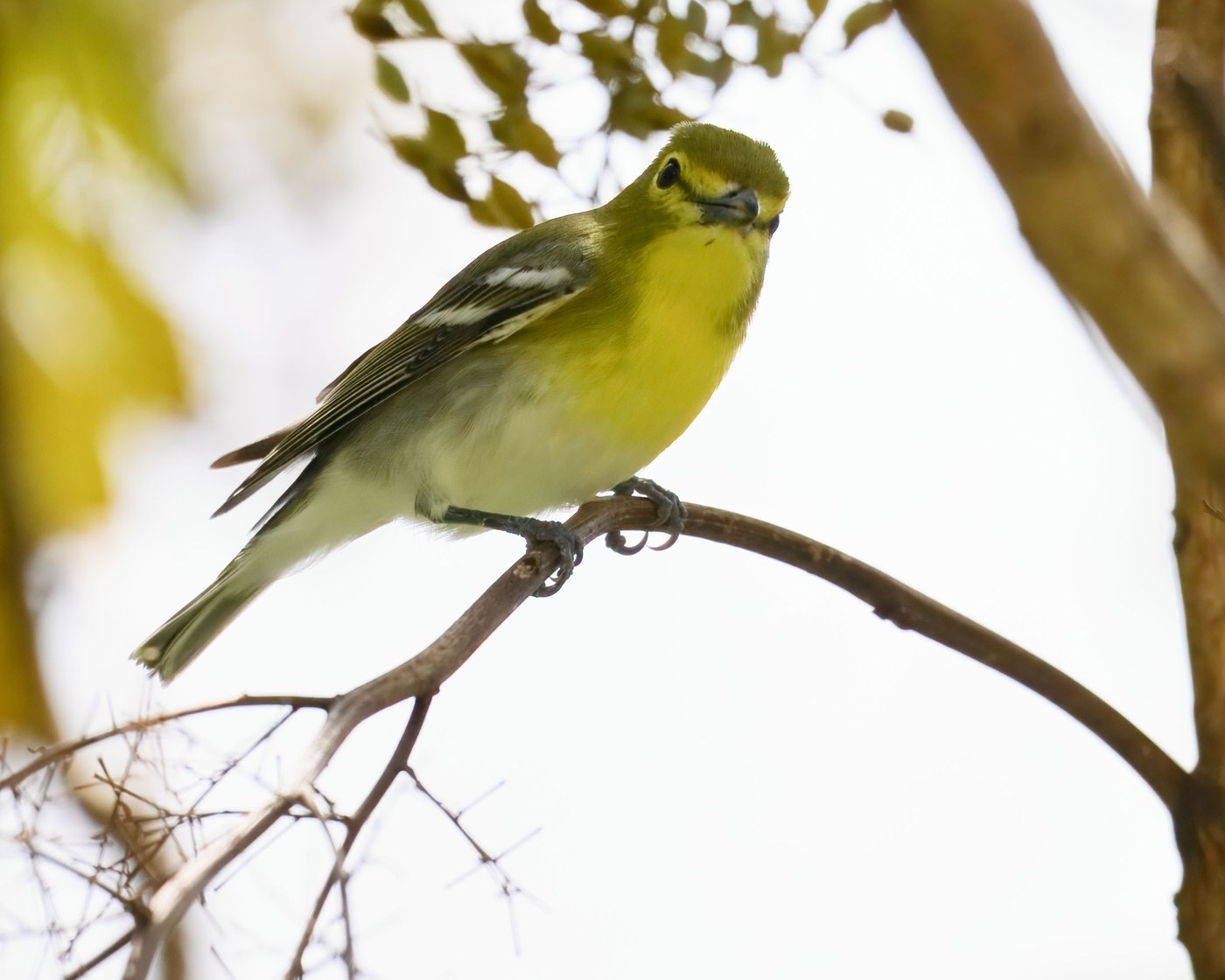
Yellow-throated Vireo
Bright yellow throat and spectacle feathers; olive-green back feathers; two white wing-bar feathers

Yellow-rumped Warbler
Small contour and flight feathers
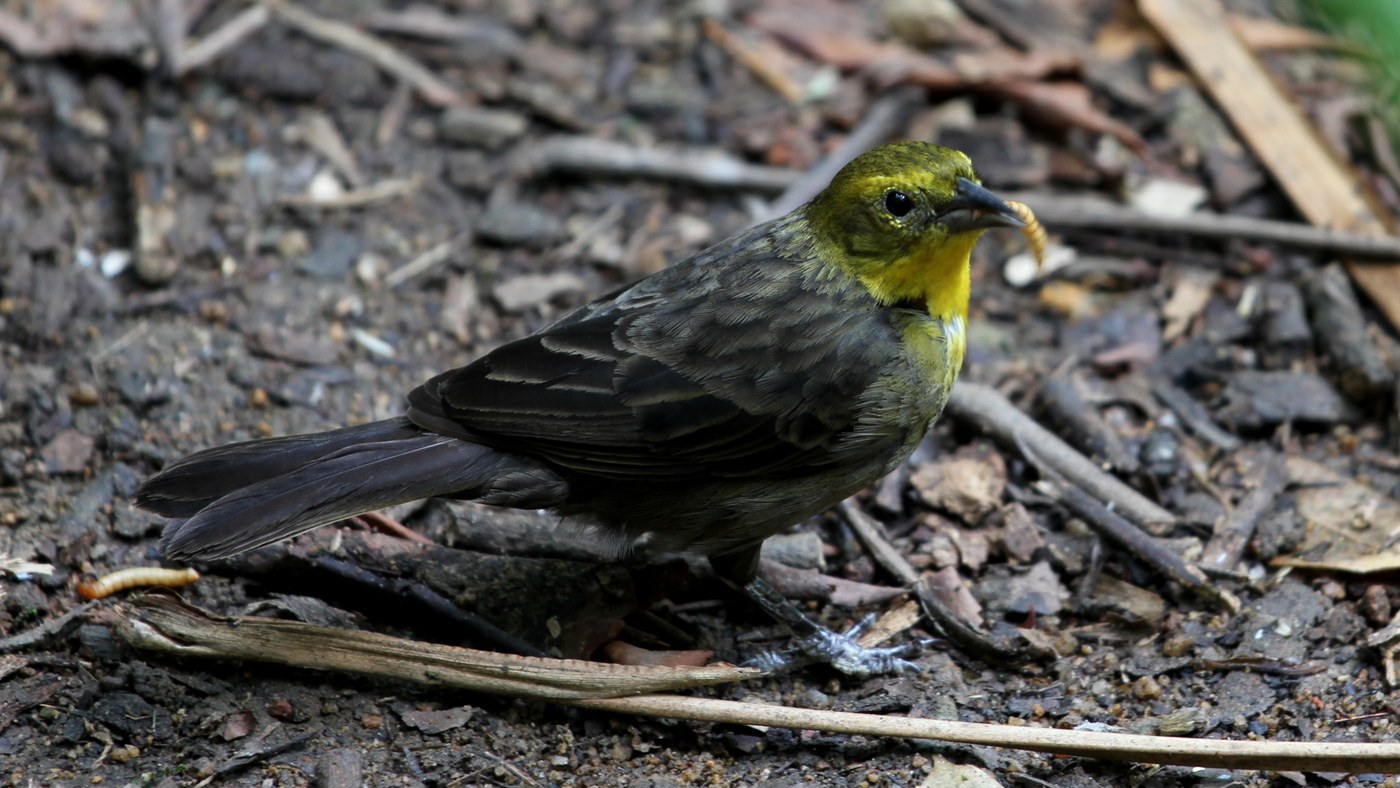
Yellow-hooded Blackbird
Contrasting hood and body feathers
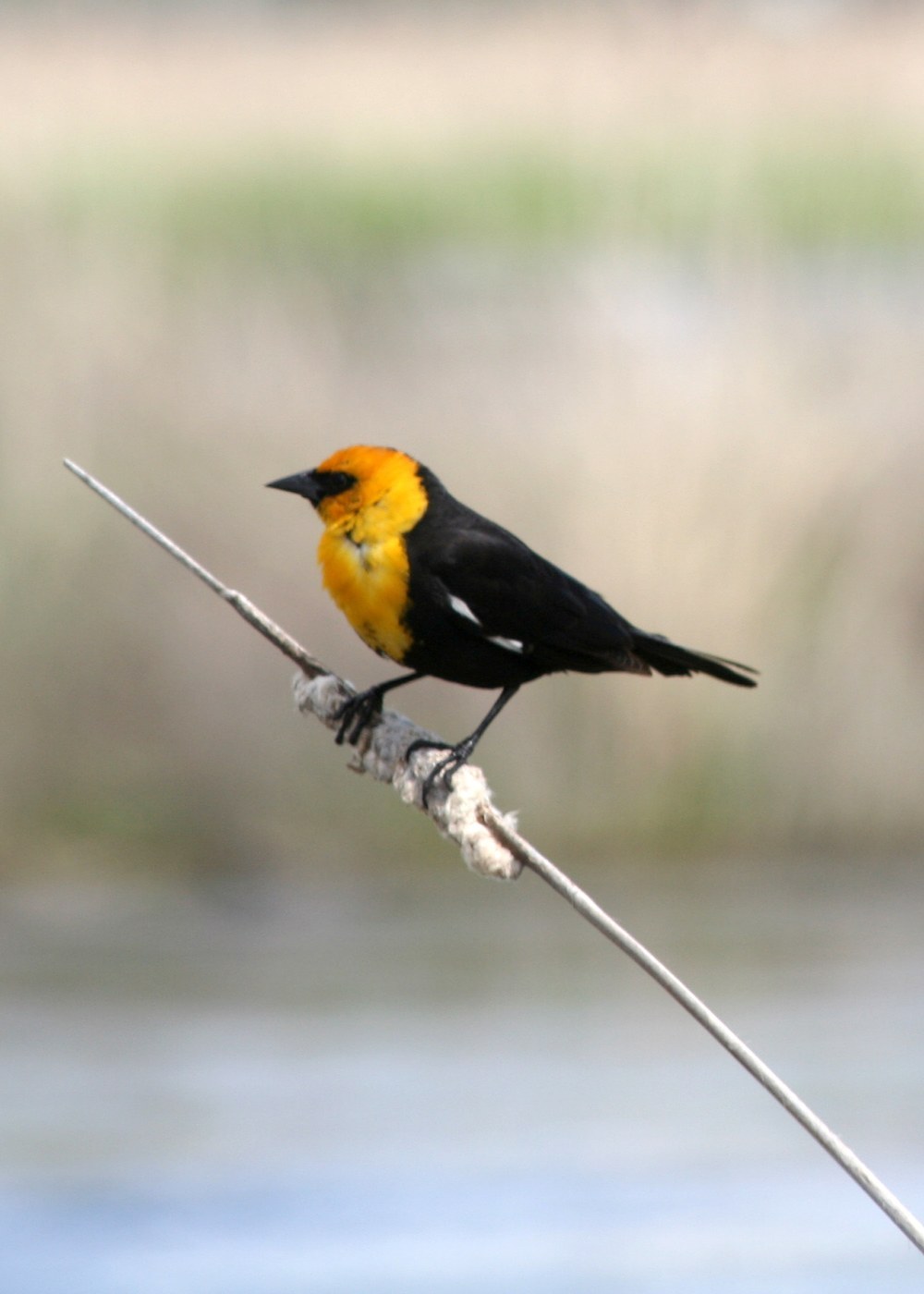
Yellow-headed Blackbird
Glossy black body plumage with a bright yellow head and breast

Yellow-eyed Junco
Contour and flight feathers

Yellow-fronted Canary
Small, smooth body plumage

Yellow-breasted Greenfinch
Compact, smooth body plumage