

Magellanic Woodpecker
Campephilus magellanicus
A spectacular, crow-sized woodpecker of Patagonian beech forests, with the male's entire head blazing red and crowned by a distinctive forward-curling crest.
- Feather type
- Very large, glossy contour feathers with a recurved crest
- Colours
- Glossy blue-black body with a flaming red head in males
- Bird size
- Very large, ~35-38 cm
Found a feather like this?
Identify any feather from a photo, free.
Overview
The Magellanic Woodpecker is among the largest woodpeckers in the Americas, inhabiting old-growth Nothofagus (southern beech) forest across southern Chile and Argentina, including Tierra del Fuego. Its combination of glossy blue-black plumage and, in males, an entirely flame-red head with a recurved crest, makes it one of the most visually striking woodpeckers anywhere in the world.
The species depends on large tracts of mature, undisturbed temperate forest.
Identifying the Feather
Key features:
- Male head and crest feathers are entirely red, with the crest feathers curling forward in a distinctive recurved shape
- Female head feathers are almost entirely black, with only a small red patch at the base of the bill
- Body feathers are glossy blue-black overall
- A white patch at the base of the primary flight feathers is visible in flight or when the wing is spread
Compared to similar species: its very large size, glossy blue-black body tone, and (in males) fully red recurved crest distinguish it from smaller South American woodpeckers; the female's near-total black head with only a tiny red bill-base spot is unique among its genus.
Plumage & Molt
Males show a completely red head and crest, with the crest feathers curving forward in a hook-like shape unique among Campephilus woodpeckers. Females have an all-black head aside from a small red spot at the base of the bill. Juveniles resemble adults of their sex but appear duller, and young males may show some black flecking within the red plumage before attaining full adult color.
Habitat & Range
This species is restricted to old-growth Nothofagus forest in southern Chile and Argentina, including Patagonia and Tierra del Fuego. It is generally resident, though some populations may make local altitudinal movements outside the breeding season. Its dependence on large, mature trees for both foraging and nesting ties it closely to intact temperate forest.
Behavior & Field Notes
Magellanic Woodpeckers excavate extensively into dead wood for wood-boring beetle larvae, often leaving large, distinctive excavation scars on tree trunks. They typically forage in small family groups and communicate with loud, nasal calls along with double-knock drumming. Nest cavities are excavated in large dead trees, and pairs may reuse territories across years. Ongoing habitat loss affects parts of its range.
Frequently asked questions
How can I identify a Magellanic Woodpecker feather?
A glossy blue-black body feather combined with an entirely red, curl-shaped crest feather is a strong indicator of a male; an all-black head feather with no red suggests a female, since females lack red except at the base of the bill.
Why is the crest shape mentioned for this species?
Unlike most other large woodpeckers, the Magellanic Woodpecker's crest feathers curl forward, giving loose crest feathers a distinctly hooked or recurved profile compared to the straighter crest feathers of related species.
What habitat would this feather likely come from?
Old-growth Nothofagus (southern beech) forest in Patagonia, since this species does not range outside temperate southern South America.
Magellanic Woodpecker guides
In-depth guides for identifying and understanding Magellanic Woodpecker.

Other feathers you may enjoy

Ivory-billed Woodpecker
Very large flight feathers with a solid white trailing patch

Great Slaty Woodpecker
Massive, uniformly colored contour feathers

Yellow-tufted Woodpecker
Black body feathers with bright yellow forehead tufts

Yellow-bellied Sapsucker
Black-and-white patterned back and facial-stripe feathers
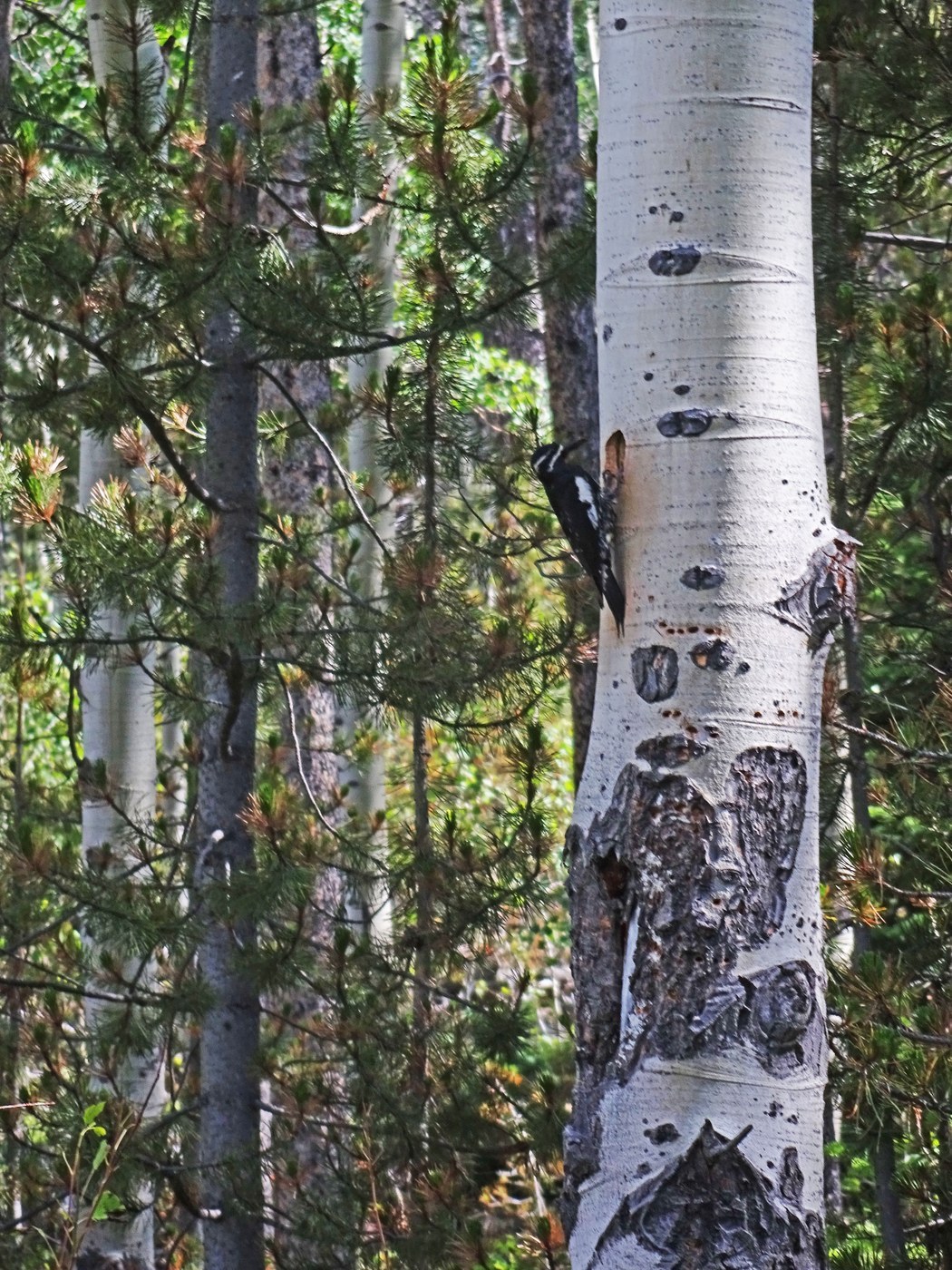
Williamson's Sapsucker
Strongly sexually dimorphic body feathers, glossy black or finely barred brown

Yellow-crowned Woodpecker
Contour and flight feathers

White Woodpecker
Mostly white body feathers with contrasting black wings and back

Red-throated Wryneck
Soft, cryptically mottled contour feathers

White-bellied Woodpecker
Large, glossy black contour and flight feathers

White-backed Woodpecker
Barred back feathers rather than a solid white patch
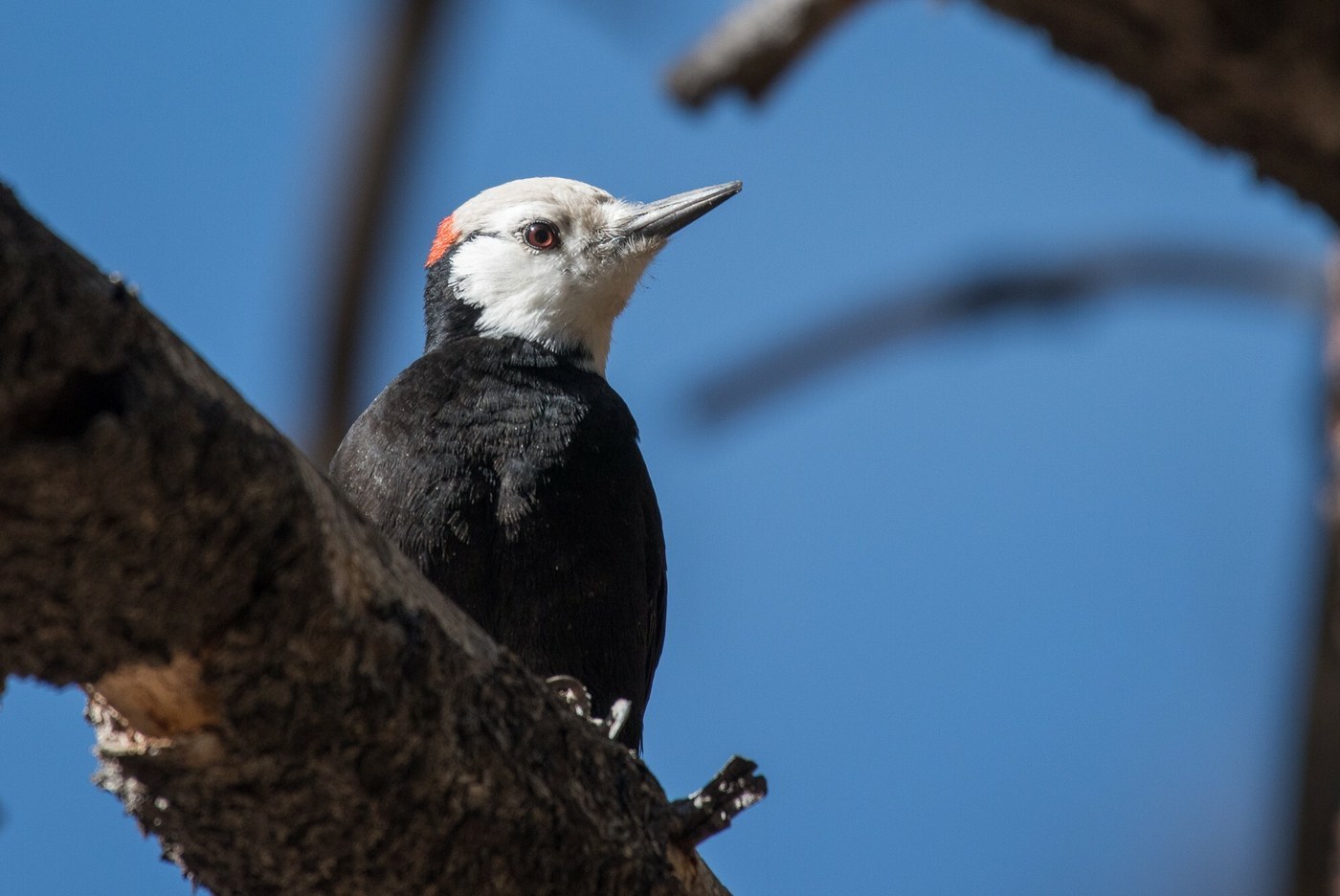
White-headed Woodpecker
Solid black body feathers with an entirely white head

Syrian Woodpecker
Great Spotted-type contour feathers with an incomplete neck bar