

Magnolia Warbler
Setophaga magnolia
A small, boldly patterned wood-warbler with a black "necklace" of streaking on a yellow breast, breeding in northern conifer forests.
- Feather type
- Small contour and flight feathers
- Colours
- Yellow underparts with bold black streaking, gray head, white wing patch, black tail with a white band
- Bird size
- Small, ~12 cm
Found a feather like this?
Identify any feather from a photo, free.
Overview
The Magnolia Warbler is a small, strikingly patterned wood-warbler that breeds in coniferous and mixed forests across Canada and the northern United States, migrating to winter in Central America and the Caribbean. Breeding males show a distinctive combination of yellow underparts marked with heavy black streaking, a gray crown, and a bold white wing patch. The species is a favorite among birders for its crisp, contrasting pattern.
Identifying the Feather
The crown and nape feathers are gray, contrasting with a black face mask in breeding males, while the throat and breast feathers are bright yellow with heavy black streaking forming a necklace-like band across the chest. The back is olive to blackish, and the wings show a solid white patch formed by the wing coverts. The tail is black with a broad white band across the middle, visible as a flashing white flag from below in flight — a feature useful for distinguishing it from other yellow-breasted warblers.
Plumage & Molt
Breeding males show the boldest black-and-yellow pattern with a gray crown and black face. Females and nonbreeding birds are duller, with reduced black streaking and a more olive-gray head, though the white tail band remains a consistent feature across ages and sexes. Immatures in fall are the plainest, showing pale yellow underparts with faint streaking. The species undergoes a complete molt on the breeding grounds and a partial molt before spring migration.
Habitat & Range
Magnolia Warblers breed in dense young coniferous or mixed forest, particularly stands of spruce and fir, across a broad swath of Canada and the northern United States. They are long-distance migrants, wintering in forests and forest edge of Mexico, Central America, and the Caribbean.
Behavior & Field Notes
This species forages actively for insects, gleaning from foliage at low to middle levels of trees and often flicking its tail to reveal the white tail band. Its song is a bright, whistled series of notes, and its call is a sharp, nasal chip. Nests are built as small cups in young conifers, typically low to the ground. It migrates at night, along with many other wood-warbler species.
Frequently asked questions
How do I identify a Magnolia Warbler feather?
Feathers show yellow with bold black streaking on the underparts, gray on the crown, and a distinctive black tail feather with a broad white band across the middle.
Where does the Magnolia Warbler breed?
It breeds in coniferous and mixed forests across Canada and the northern United States.
Where does it spend the winter?
It winters in forest habitats of Mexico, Central America, and the Caribbean.
What is the easiest field mark for this species?
The bold white band across an otherwise black tail, often flashed as the bird flicks its tail while foraging, is a quick and reliable mark.
Magnolia Warbler guides
In-depth guides for identifying and understanding Magnolia Warbler.

Other feathers you may enjoy

Yellow-breasted Bunting
Contour and flight feathers, chestnut-and-yellow breeding pattern
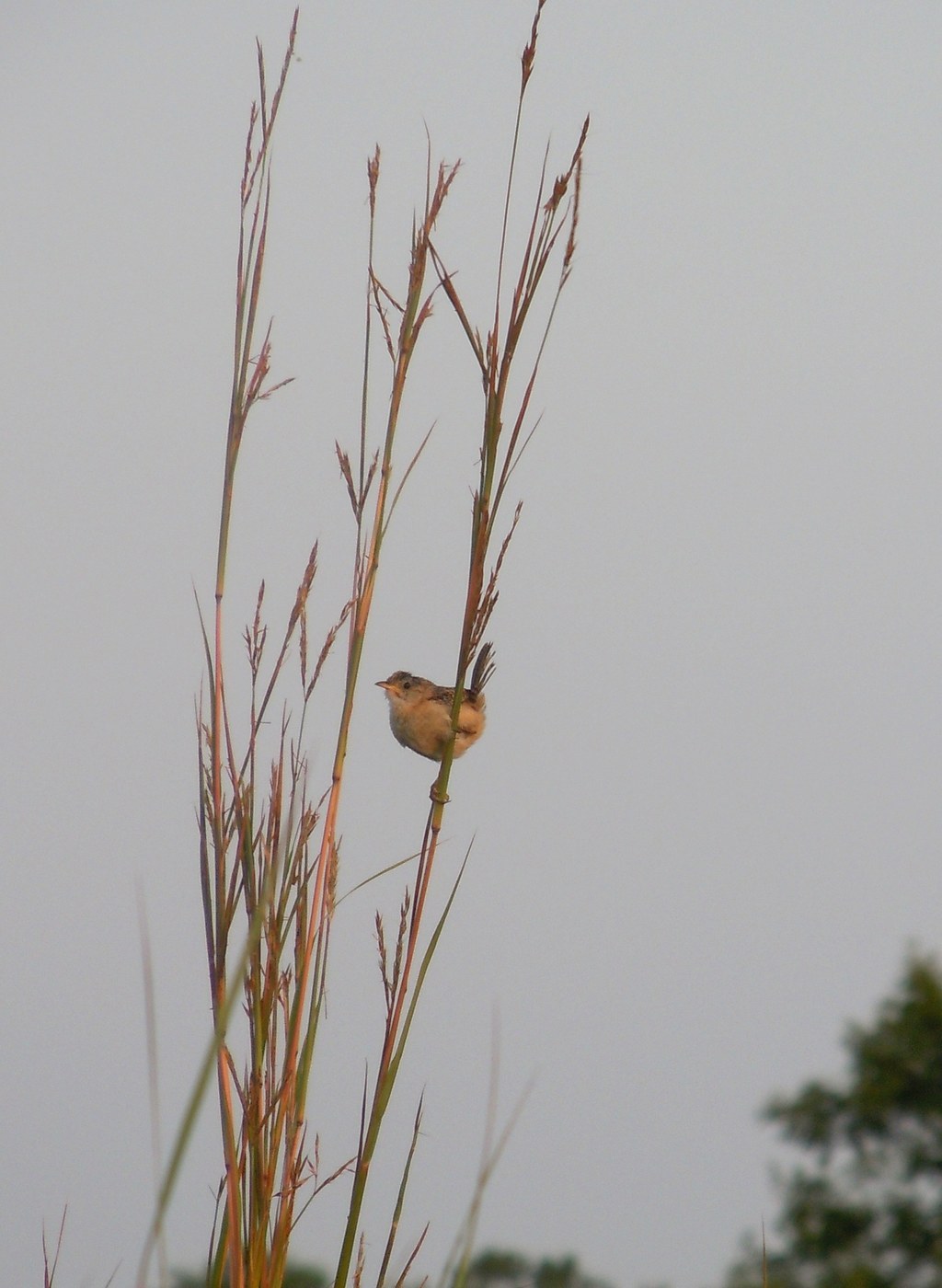
Sedge Wren
Tiny streaked crown and back feathers

Yellow-winged Cacique
Glossy black body feathers, yellow wing patch, shaggy crest

Yellow Warbler
Small contour and flight feathers
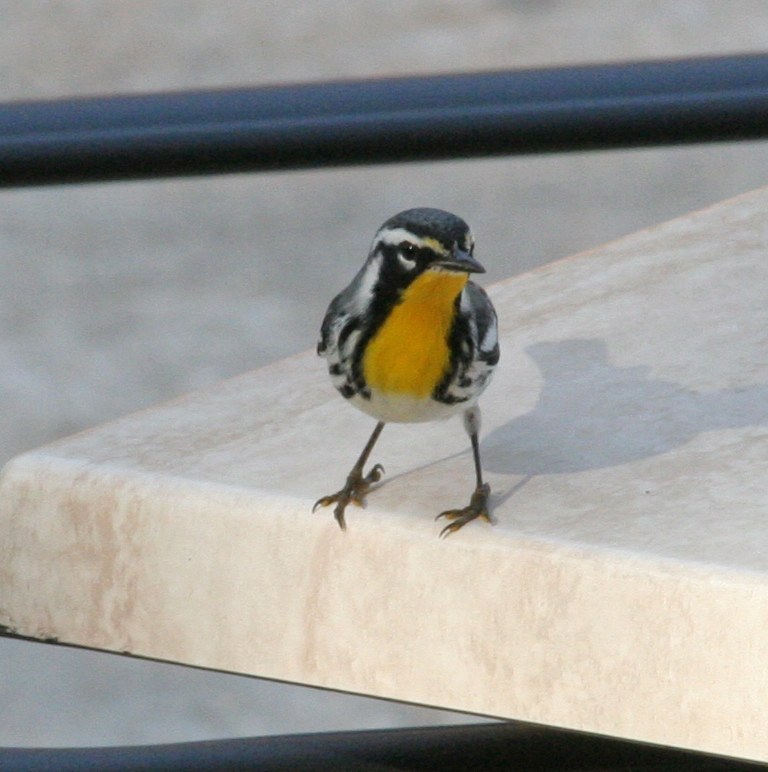
Yellow-throated Warbler
Small contour and flight feathers
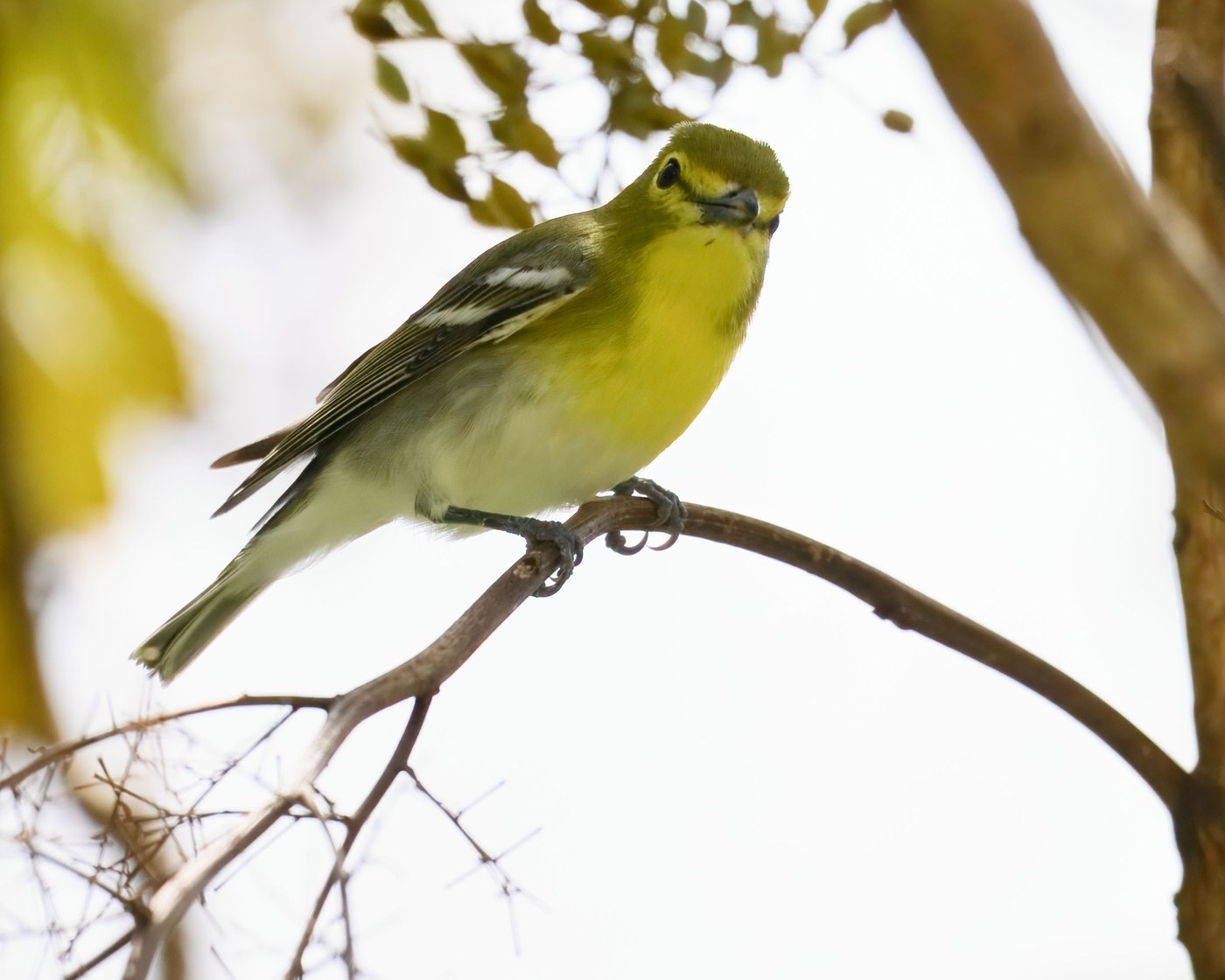
Yellow-throated Vireo
Bright yellow throat and spectacle feathers; olive-green back feathers; two white wing-bar feathers

Yellow-rumped Warbler
Small contour and flight feathers
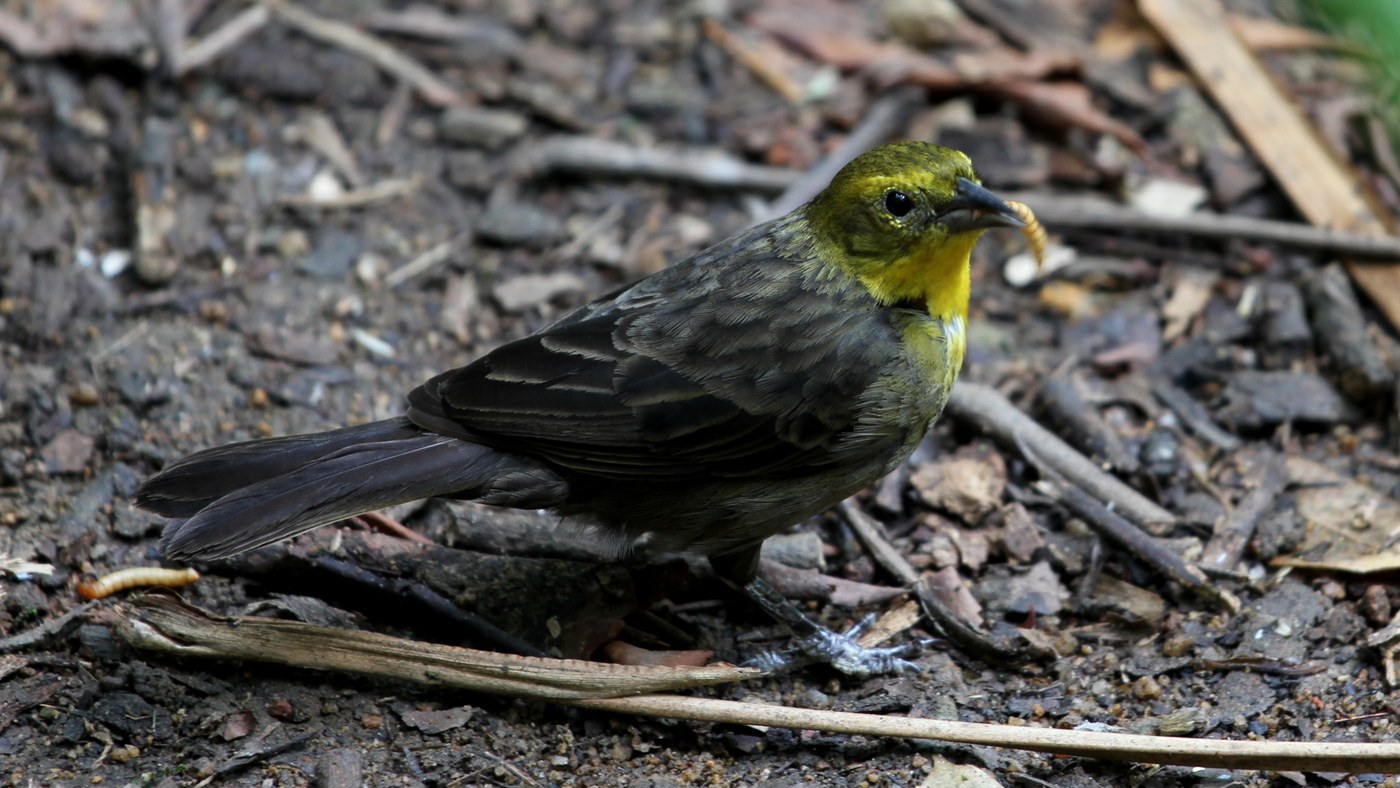
Yellow-hooded Blackbird
Contrasting hood and body feathers
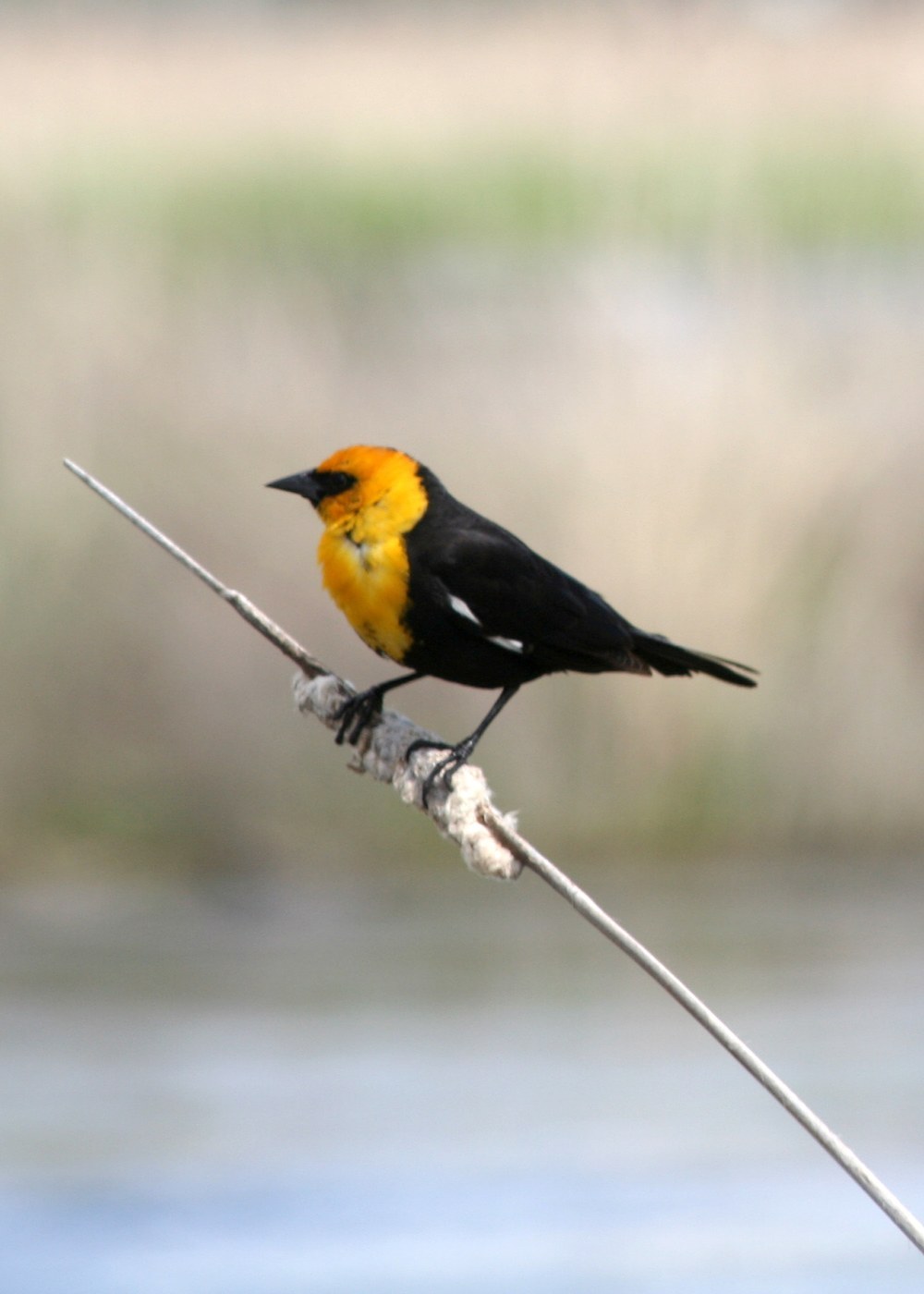
Yellow-headed Blackbird
Glossy black body plumage with a bright yellow head and breast

Yellow-eyed Junco
Contour and flight feathers

Yellow-fronted Canary
Small, smooth body plumage

Yellow-breasted Greenfinch
Compact, smooth body plumage