

Mountain Bluebird
Sialia currucoides
A slender, sky-blue songbird of western North American high country, the male appearing almost entirely blue with no rusty breast patch, unlike its bluebird relatives.
- Feather type
- Soft, silky body feathers with clean, unmarked coloring
- Colours
- Sky-blue overall in males; grayish-brown with blue-tinged wings in females
- Bird size
- Sparrow-sized, ~16-18 cm
Found a feather like this?
Identify any feather from a photo, free.
Overview
The Mountain Bluebird breeds across open, high-elevation habitats of western North America, from grasslands and sagebrush steppe to alpine meadows near the treeline. Unlike the Eastern and Western Bluebirds, males lack any rusty orange on the breast, appearing an almost uniform sky-blue, which makes them one of the most recognizable songbirds of the region's open country.
Identifying the Feather
- Body feathers (male): Overall sky-blue, slightly paler and grayer on the belly, with no rufous breast patch.
- Body feathers (female): Grayish-brown overall, with blue restricted mainly to the wings and tail.
- Wing and tail feathers: Show the brightest, most saturated blue in both sexes, especially visible in flight.
- Shape: Feathers are soft and fine-textured, giving the bird a smooth, rounded silhouette typical of bluebirds.
- Compared to similar species: Lacks the rusty-orange breast of Eastern and Western Bluebirds; the male's essentially all-blue body is diagnostic.
Plumage & Molt
Adult males are almost entirely sky-blue, with a slightly paler blue-gray belly and no orange or rufous tones. Females are mostly gray-brown with blue confined largely to the wings, rump, and tail, and a faint blue wash may appear on the breast in some individuals. Juveniles show spotted, scaly brownish plumage typical of young thrushes, gradually molting into adult-like coloration by their first fall. A single complete molt after breeding replaces the plumage annually.
Habitat & Range
Mountain Bluebirds breed in open habitats including montane meadows, sagebrush flats, high plains, and areas near the treeline across the western United States and Canada, extending into Alaska. They are cavity nesters, often using old woodpecker holes or nest boxes in open or lightly wooded terrain. Most populations are migratory, wintering in the southwestern United States and Mexico in open grassland and desert scrub.
Behavior & Field Notes
This bluebird forages by hovering and dropping onto insects on the ground, or by catching flying insects in the air, a technique distinct from the more perch-and-pounce style of other bluebirds. It readily uses nest boxes, laying pale blue eggs in a simple cup of grass. Its call is a soft, low chatter, and the song is a subdued warbling phrase given from a perch or in flight. Wintering flocks often gather in open fields, feeding on berries and invertebrates.
Frequently asked questions
How do you tell a male Mountain Bluebird from other bluebirds?
Male Mountain Bluebirds are almost entirely sky-blue with no rusty-orange breast patch, unlike Eastern or Western Bluebirds.
What do female Mountain Bluebirds look like?
Females are mostly grayish-brown with blue limited mainly to the wings, rump, and tail.
What habitat does this species prefer?
It breeds in open, high-elevation habitats such as montane meadows, sagebrush steppe, and high plains.
How does it typically forage?
It often hovers over open ground before dropping onto insects, and also catches flying insects on the wing.
Mountain Bluebird guides
In-depth guides for identifying and understanding Mountain Bluebird.

Mountain Bluebird identified by the community
Real feathers identified with Feather Identifier.

Other feathers you may enjoy

Yellow-breasted Bunting
Contour and flight feathers, chestnut-and-yellow breeding pattern
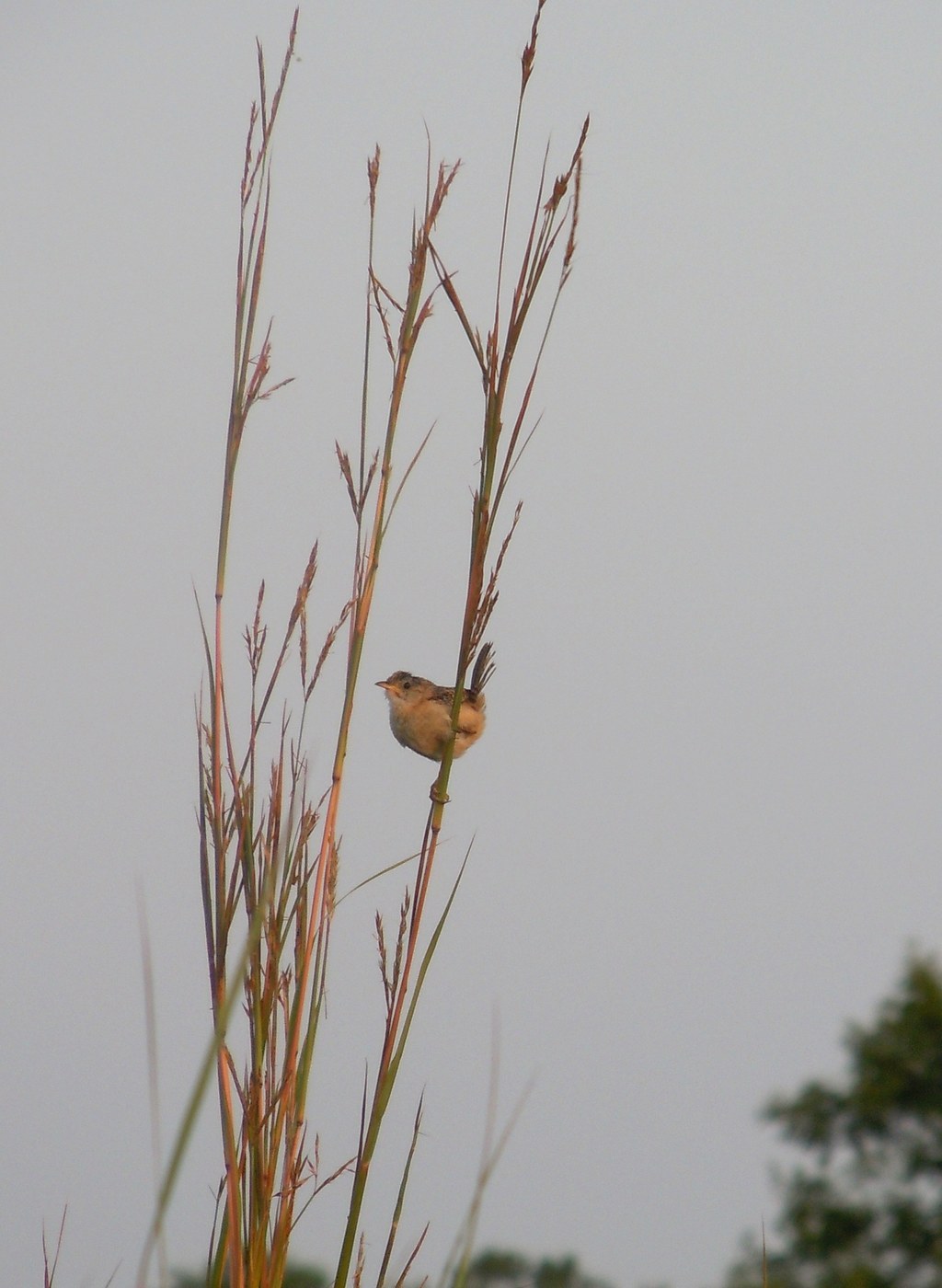
Sedge Wren
Tiny streaked crown and back feathers

Yellow-winged Cacique
Glossy black body feathers, yellow wing patch, shaggy crest

Yellow Warbler
Small contour and flight feathers
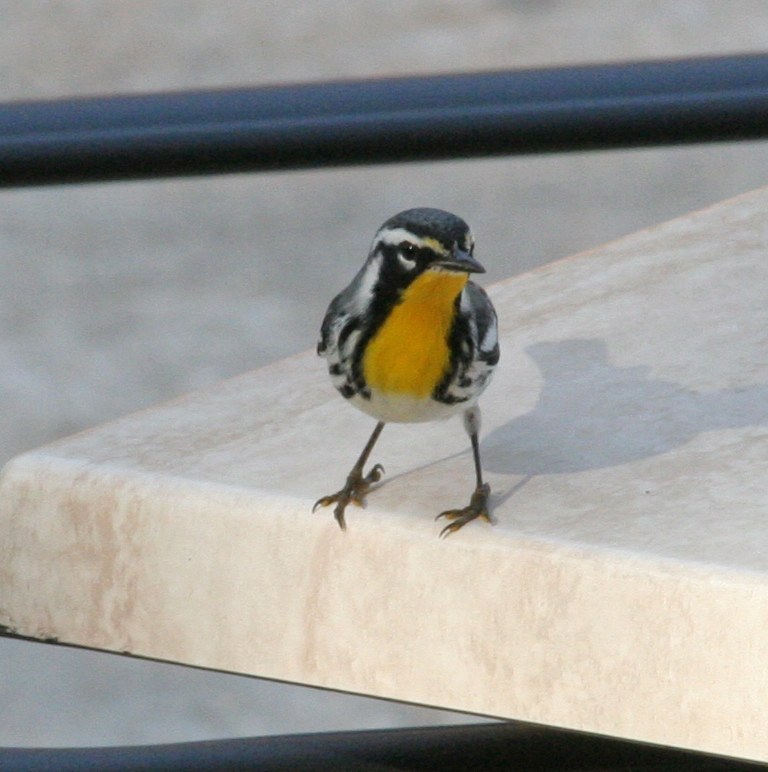
Yellow-throated Warbler
Small contour and flight feathers
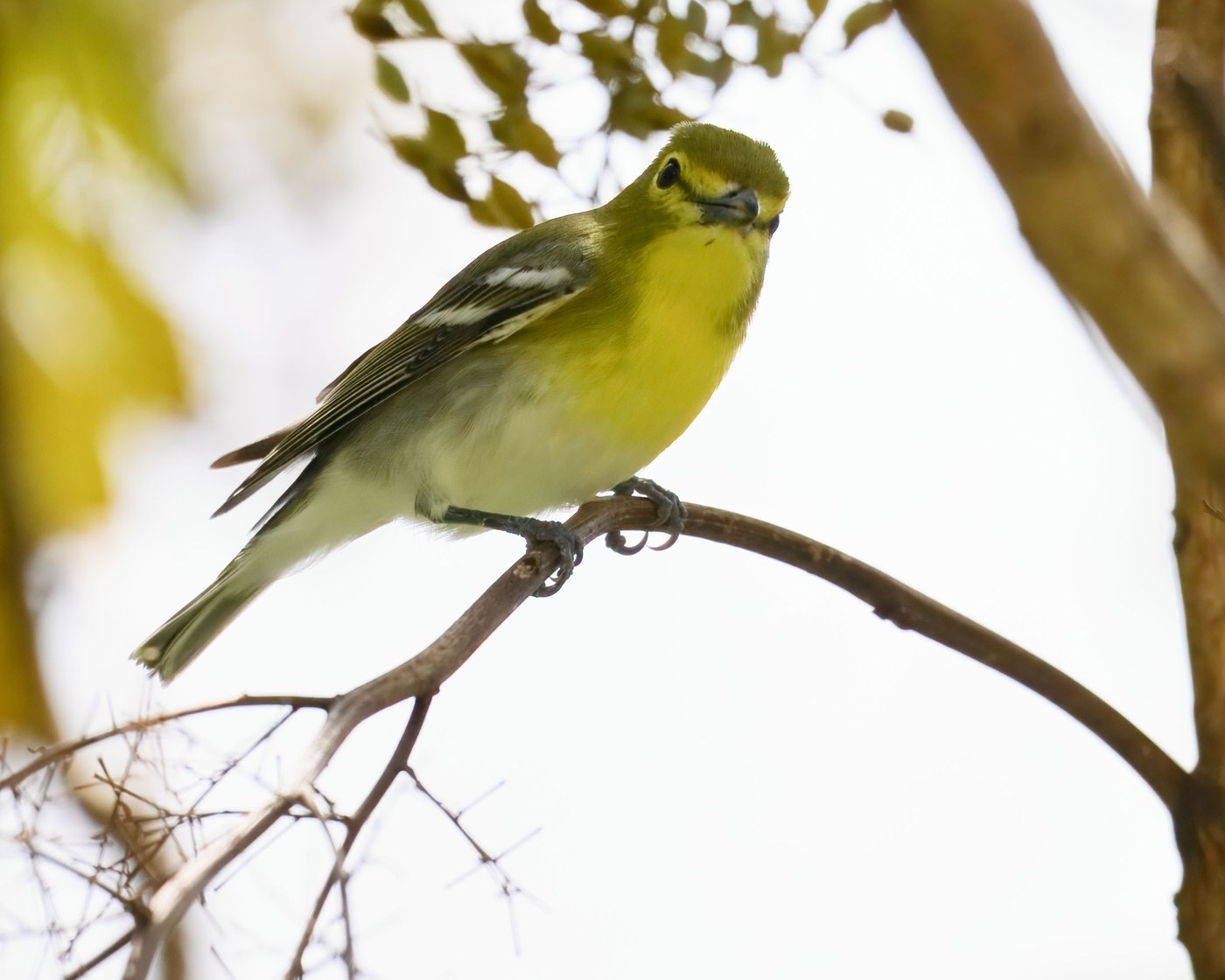
Yellow-throated Vireo
Bright yellow throat and spectacle feathers; olive-green back feathers; two white wing-bar feathers

Yellow-rumped Warbler
Small contour and flight feathers
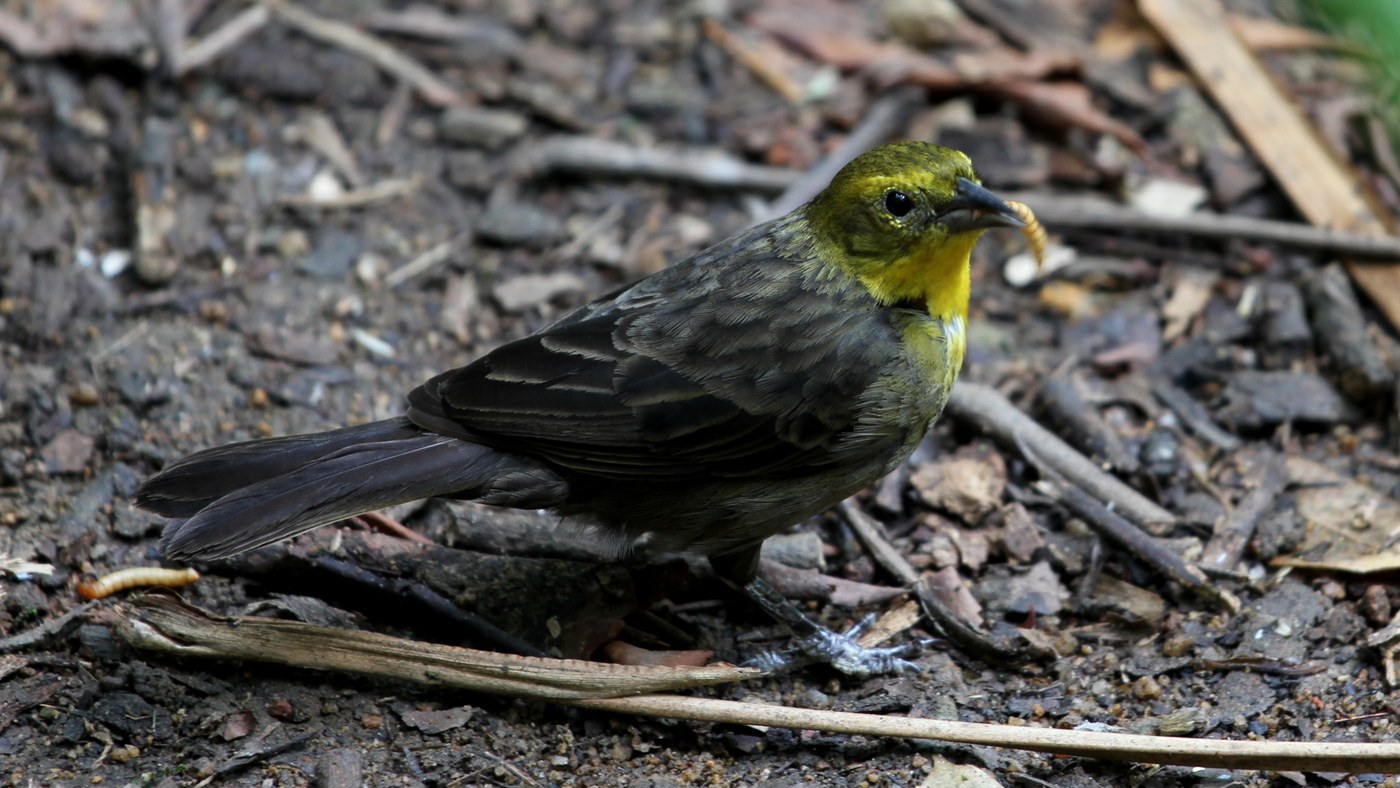
Yellow-hooded Blackbird
Contrasting hood and body feathers
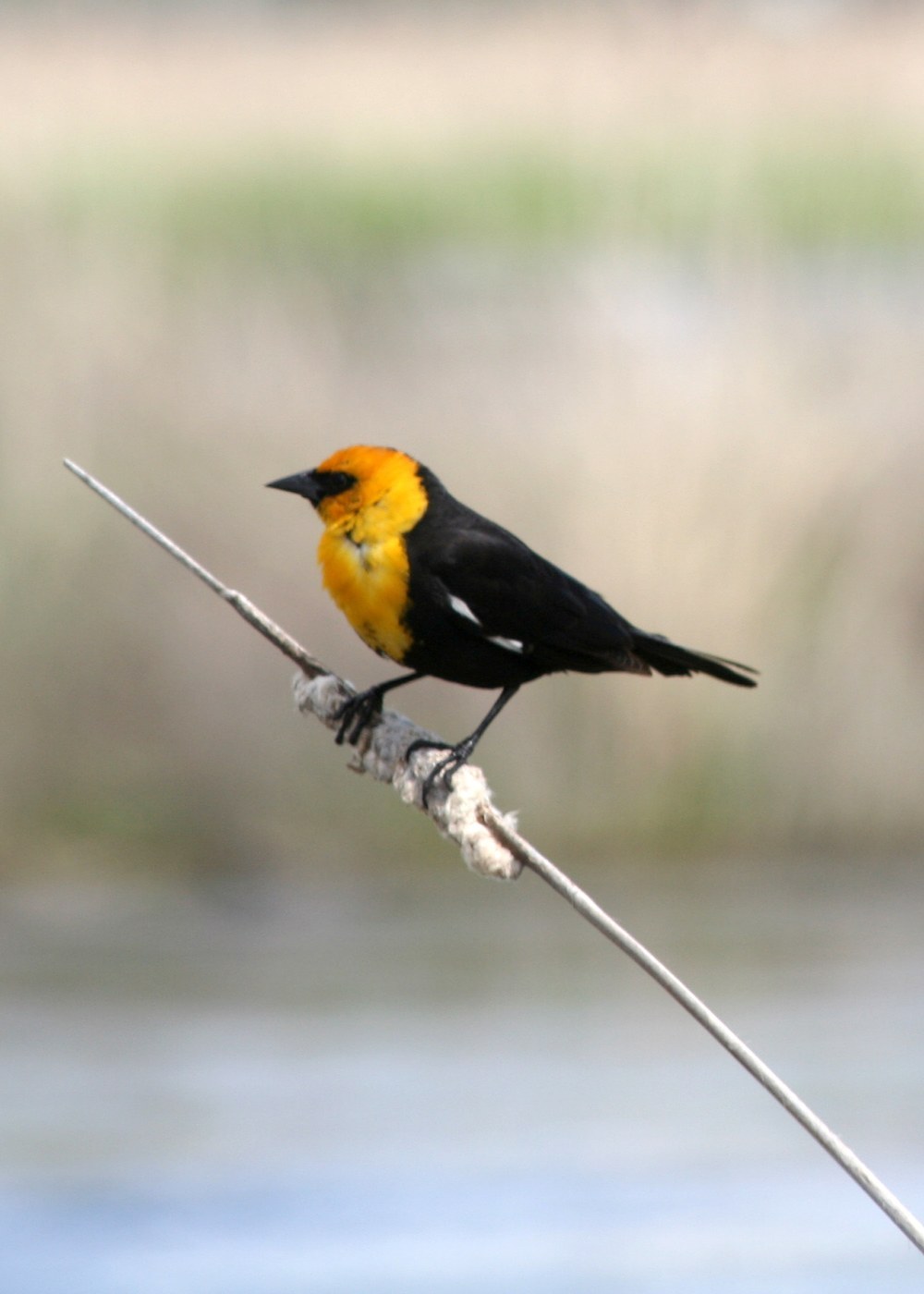
Yellow-headed Blackbird
Glossy black body plumage with a bright yellow head and breast

Yellow-eyed Junco
Contour and flight feathers

Yellow-fronted Canary
Small, smooth body plumage

Yellow-breasted Greenfinch
Compact, smooth body plumage