

New Zealand Fantail
Rhipidura fuliginosa
A small, active New Zealand songbird, the New Zealand Fantail is named for its broad tail, which it fans repeatedly while flitting after flying insects.
- Feather type
- Small, soft contour feathers; broad, fan-shaped tail feathers
- Colours
- Gray-brown body, black-and-white facial markings, black form in some individuals
- Bird size
- Small songbird, ~16 cm including tail
Found a feather like this?
Identify any feather from a photo, free.
Overview
The New Zealand Fantail is a small, energetic songbird found throughout New Zealand's forests, scrub, and gardens. It is best known for its constantly fanned tail and its habit of following larger animals or people to catch insects flushed from vegetation.
Identifying the Feather
The tail feathers are broad relative to body size and habitually spread into a wide fan, a shape and behavior that make isolated tail feathers, with their white-tipped or white-edged outer rectrices, a useful identifying clue. Body plumage is soft gray-brown with a paler underside, and a black-and-white pattern crosses the face, including a whitish eyebrow stripe and dark cheek patch. A darker melanistic form occurs in some populations, showing sooty-black body plumage overall with the same fan-tail structure. Wings are short and rounded, suited to quick, agile flight rather than sustained travel. Compared to other small fantails, this species' combination of white outer tail feather edges and facial markings helps separate it from similar Australian relatives.
Plumage & Molt
Sexes look similar, with only subtle differences in overall brightness. Two color forms occur, a common pied form with gray-brown and white plumage and a less common black form lacking the paler tones, both occurring within the same populations. Juveniles resemble adults but appear duller and browner overall. Molt is regular and gradual, maintaining the tail's fan shape and white edging.
Habitat & Range
This species occupies native forest, exotic plantations, scrub, and well-vegetated gardens throughout New Zealand, tolerating a wide range of wooded habitats. It is non-migratory and sedentary, generally remaining within a home range year-round.
Behavior & Field Notes
New Zealand Fantails feed almost entirely on small flying insects, caught in quick aerial sallies, often while following larger animals, including humans, that disturb insects from vegetation. They build small, neat cup nests, frequently with a distinctive tail-like extension of nesting material hanging below. Their call is a soft, high-pitched chirp, and their constant tail-fanning and hopping behavior make them easy to notice despite their small size.
Frequently asked questions
Why is it called a fantail?
It repeatedly spreads its broad tail into a wide fan shape while foraging, a habit that gives the species its name.
Are there different color forms?
Yes, most individuals show a pied gray-brown and white pattern, while a less common melanistic form is overall sooty black.
What does it eat?
Almost exclusively small flying insects, caught in quick aerial sallies.
Why does it follow larger animals?
Larger animals, including humans, disturb insects from vegetation, which the fantail catches as they flush into the open.
New Zealand Fantail guides
In-depth guides for identifying and understanding New Zealand Fantail.

Other feathers you may enjoy

Yellow-breasted Bunting
Contour and flight feathers, chestnut-and-yellow breeding pattern
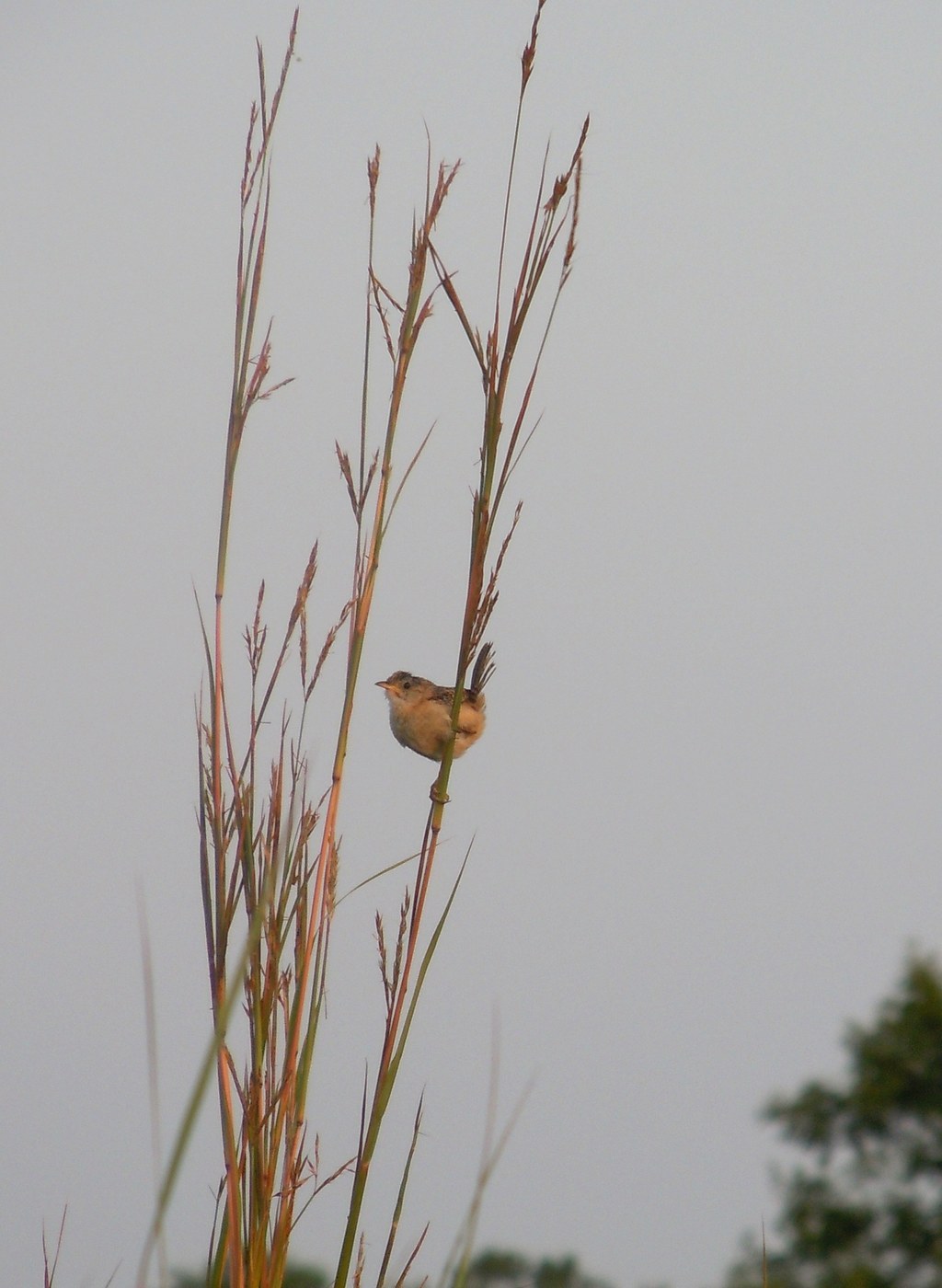
Sedge Wren
Tiny streaked crown and back feathers

Yellow-winged Cacique
Glossy black body feathers, yellow wing patch, shaggy crest

Yellow Warbler
Small contour and flight feathers
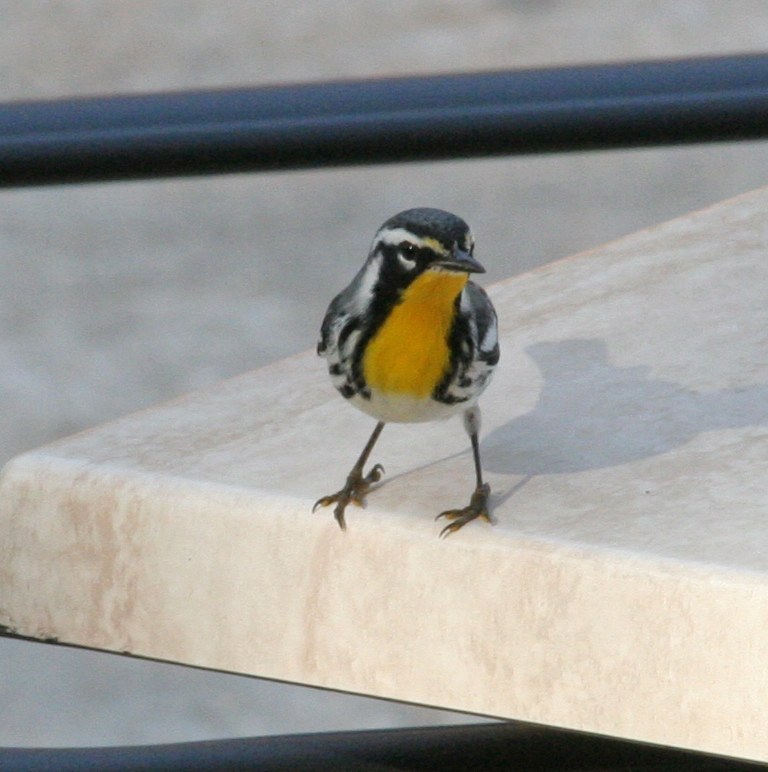
Yellow-throated Warbler
Small contour and flight feathers
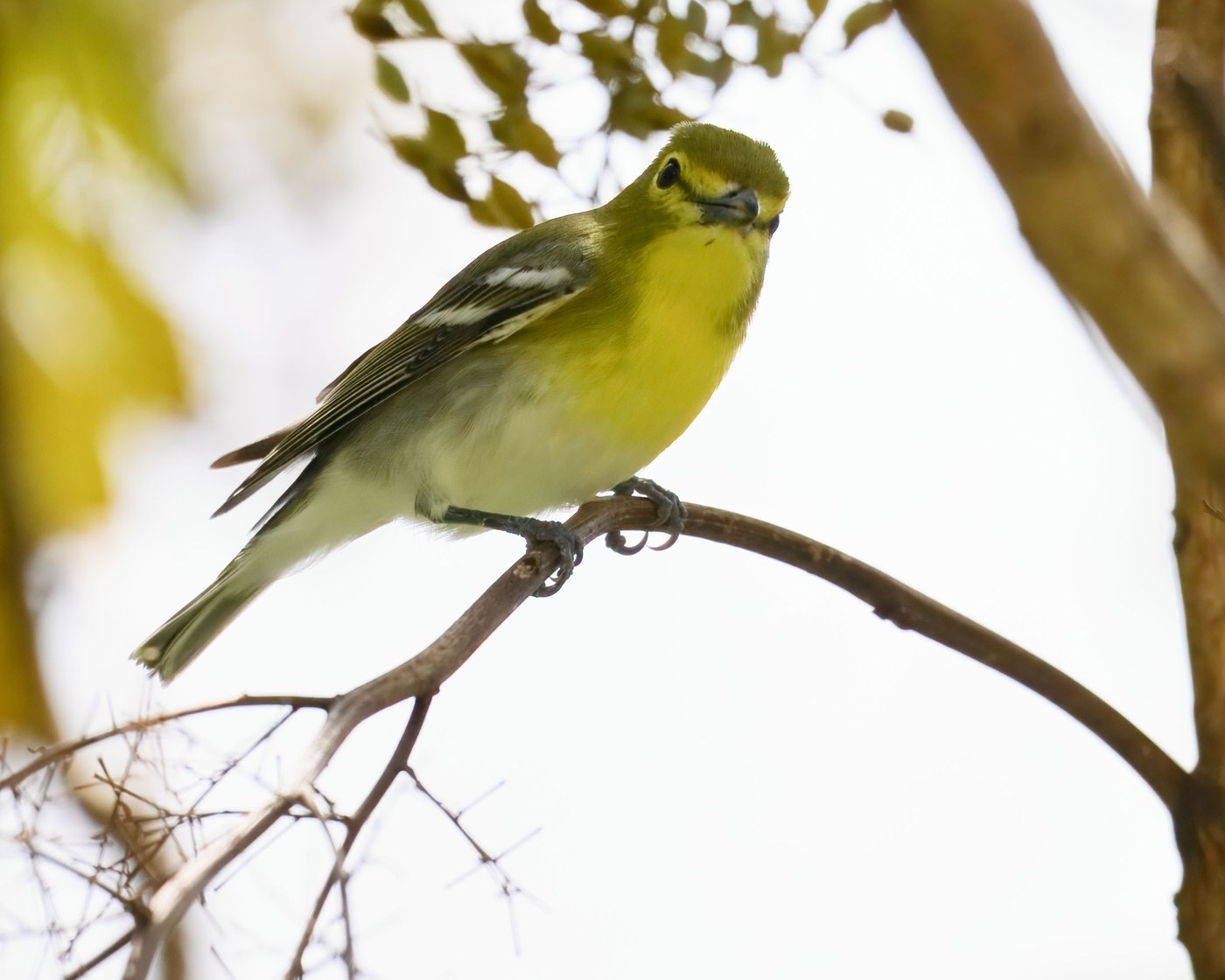
Yellow-throated Vireo
Bright yellow throat and spectacle feathers; olive-green back feathers; two white wing-bar feathers

Yellow-rumped Warbler
Small contour and flight feathers
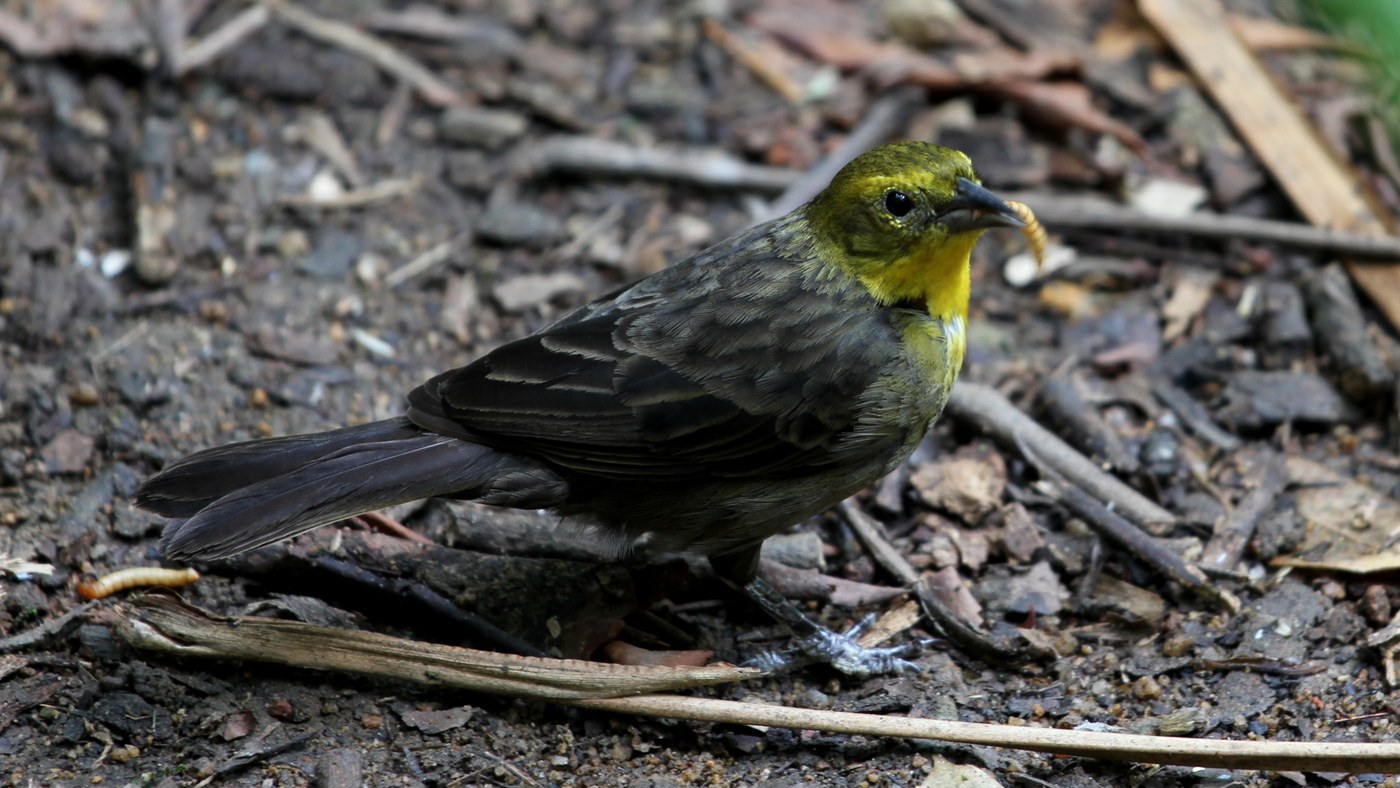
Yellow-hooded Blackbird
Contrasting hood and body feathers
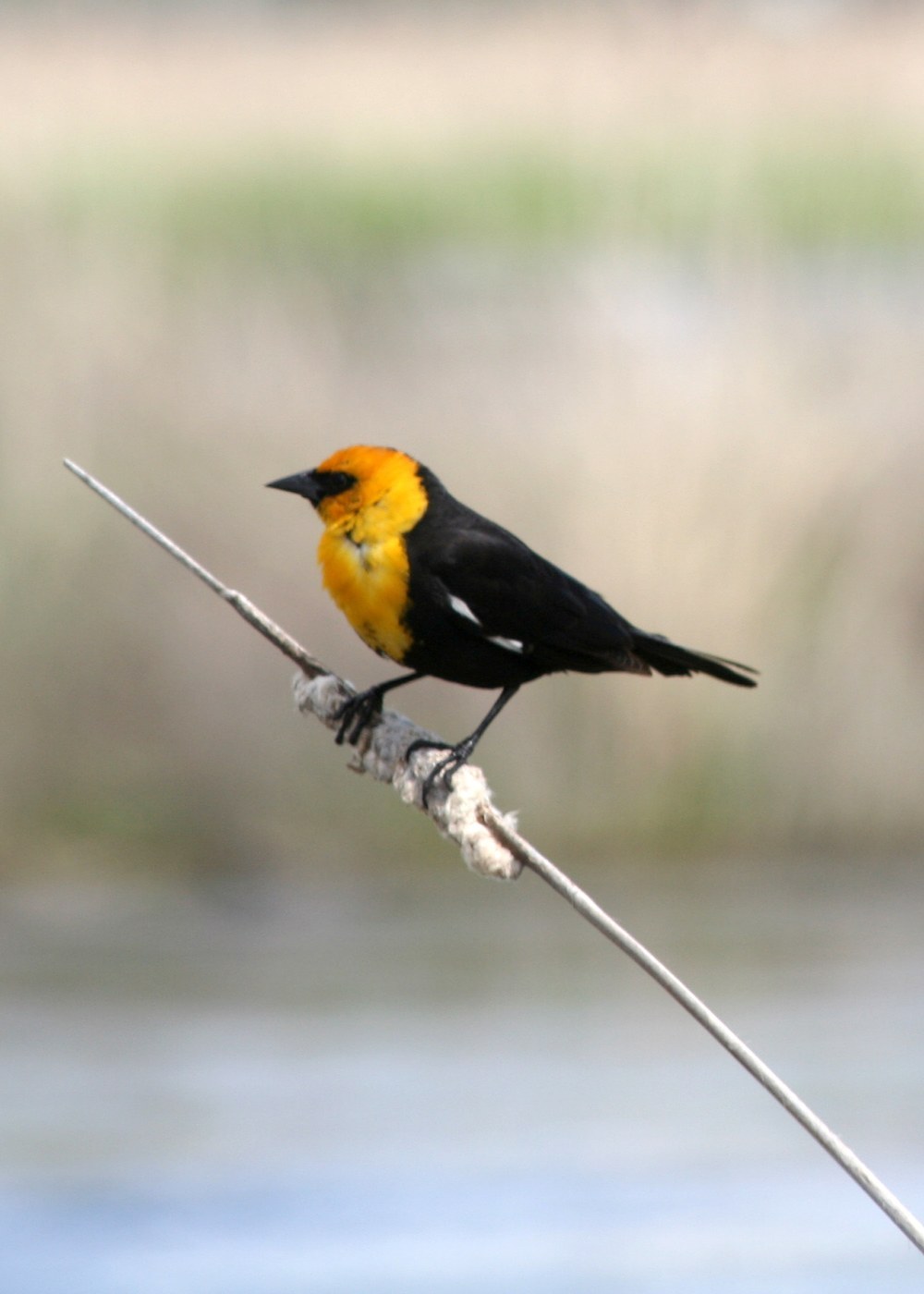
Yellow-headed Blackbird
Glossy black body plumage with a bright yellow head and breast

Yellow-eyed Junco
Contour and flight feathers

Yellow-fronted Canary
Small, smooth body plumage

Yellow-breasted Greenfinch
Compact, smooth body plumage