

Northern Flicker
Colaptes auratus
A large, brown-barred woodpecker best identified by the bright yellow or salmon-red shafts of its flight feathers, along with a black chest crescent and spotted underside.
- Feather type
- Brown-barred back feathers, black-spotted buff breast feathers, black bib feathers, and brightly colored flight-feather shafts
- Colours
- Brown-barred back, black-spotted buff underside, black chest crescent, white rump patch, and yellow or salmon-red feather shafts depending on regional form
- Bird size
- Large woodpecker, ~28-31 cm
Found a feather like this?
Identify any feather from a photo, free.
Overview
The Northern Flicker is a large, distinctively patterned woodpecker unlike most others in North America, with brown barring across its back rather than the bold black-and-white pattern typical of the group. It is also unusual among woodpeckers for spending much of its time foraging on the ground.
Two regional forms exist across the continent: the "yellow-shafted" form in the east, with bright yellow flight-feather shafts and underwings, and the "red-shafted" form in the west, with salmon-red shafts. These forms intergrade where their ranges meet in the Great Plains.
Its feathers are unmistakable once the shaft color is examined, as no other common North American woodpecker shows such brightly colored feather shafts and underwing linings.
Identifying the Feather
Size and Shape
Large, sturdy flight and tail feathers typical of a large woodpecker.
Color and Pattern
- Back feathers are brown with black barring, unlike the black-and-white pattern of most other woodpeckers.
- Underside feathers are buff with bold black spotting, and a black crescent-shaped bib crosses the upper breast.
- Flight feather shafts and the underwing/undertail linings are brilliant yellow in eastern ("yellow-shafted") birds or salmon-red in western ("red-shafted") birds; this shaft color is the single best feather-level identifier.
- A white rump patch flashes in flight.
Comparisons
No other common North American woodpecker shows brown barring on the back combined with brightly colored feather shafts, making the Northern Flicker's feathers distinctive even from a fragment showing just the shaft color.
Plumage & Molt
Yellow-shafted birds (eastern) have a gray crown, brown face, and a red crescent on the nape; red-shafted birds (western) have a brown crown, gray face, and lack the nape crescent. Males of both forms show a mustache stripe (black in yellow-shafted, red in red-shafted) that females lack. Juveniles resemble adults. One complete molt occurs annually.
Habitat & Range
Northern Flickers are found across nearly all of North America in open woodland edges, parks, and lawns rather than dense forest. Many populations, especially in the north, are migratory, while others in milder climates are resident year-round.
Behavior & Field Notes
Unusual among woodpeckers, flickers forage extensively on the ground for ants and other insects. Their flight is undulating, showing a flash of the white rump and colorful underwings. Calls include a loud "wick-wick-wick" and drumming on resonant surfaces. They excavate nest cavities in dead wood or utility poles. A brown-barred feather with a bright yellow or salmon-red shaft is a strong match for this species.
Frequently asked questions
What is the single best feather clue for identifying a Northern Flicker?
The color of the flight feather shafts and underwing linings, which are bright yellow in eastern birds and salmon-red in western birds.
Why does this species' back look so different from other woodpeckers?
Northern Flicker back feathers are brown with black barring, unlike the bold black-and-white checkering typical of most other woodpeckers.
What is the difference between 'yellow-shafted' and 'red-shafted' Flicker feathers?
Yellow-shafted feathers, from eastern populations, show bright yellow shafts and underwings, while red-shafted feathers, from western populations, show salmon-red tones instead.
Does this species forage differently than other woodpeckers?
Yes, it forages heavily on the ground for ants, which is unusual among woodpeckers and can explain finding its feathers away from trees.
Northern Flicker guides
In-depth guides for identifying and understanding Northern Flicker.

Northern Flicker identified by the community
Real feathers identified with Feather Identifier.


Other feathers you may enjoy

Ivory-billed Woodpecker
Very large flight feathers with a solid white trailing patch

Great Slaty Woodpecker
Massive, uniformly colored contour feathers

Yellow-tufted Woodpecker
Black body feathers with bright yellow forehead tufts

Magellanic Woodpecker
Very large, glossy contour feathers with a recurved crest

Yellow-bellied Sapsucker
Black-and-white patterned back and facial-stripe feathers
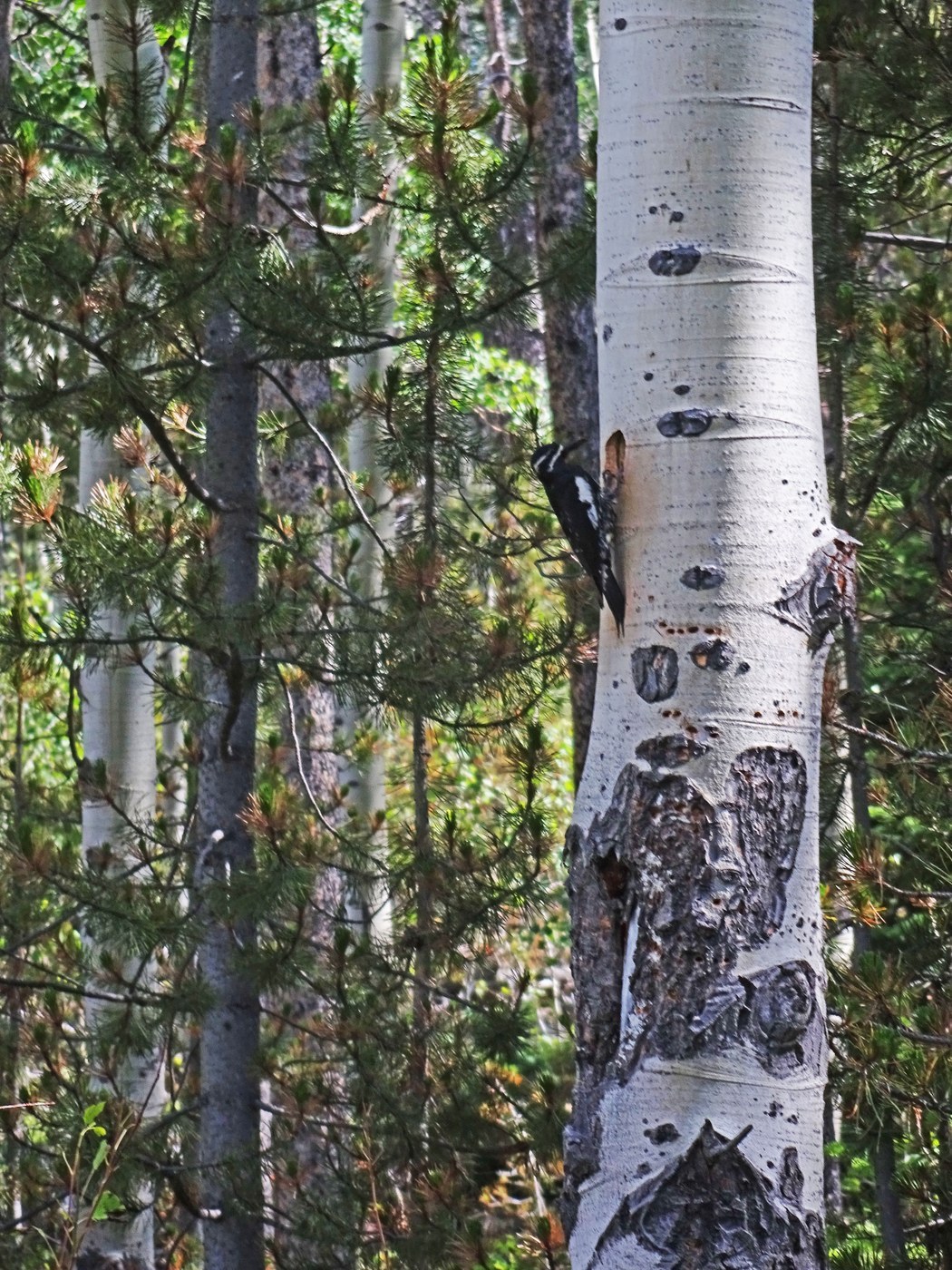
Williamson's Sapsucker
Strongly sexually dimorphic body feathers, glossy black or finely barred brown

Yellow-crowned Woodpecker
Contour and flight feathers

White Woodpecker
Mostly white body feathers with contrasting black wings and back

Red-throated Wryneck
Soft, cryptically mottled contour feathers

White-bellied Woodpecker
Large, glossy black contour and flight feathers

White-backed Woodpecker
Barred back feathers rather than a solid white patch
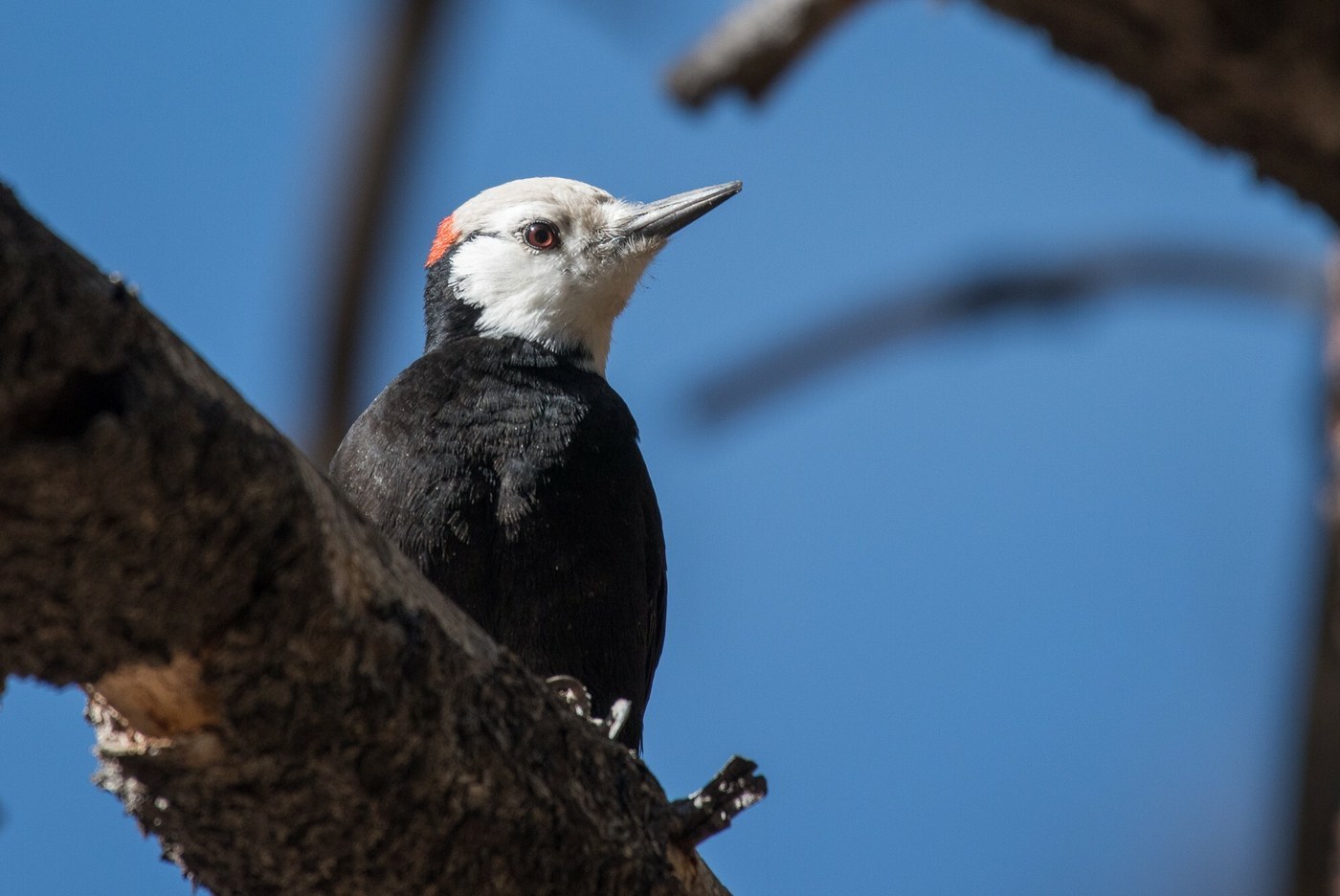
White-headed Woodpecker
Solid black body feathers with an entirely white head