

Northern Fulmar
Fulmarus glacialis
A stocky, tube-nosed seabird that glides on stiff, straight wings low over the waves, occurring in both pale and uniformly dark color forms.
- Feather type
- Stiff, gull-like flight feathers; dense waterproof body contour feathers
- Colours
- Pale gray-white (light morph) or uniform sooty gray (dark morph)
- Bird size
- Gull-sized, ~45-50 cm
Found a feather like this?
Identify any feather from a photo, free.
Overview
Overview
The Northern Fulmar is a thickset, gull-shaped seabird of cold northern oceans, instantly told from true gulls by its tubular nostrils and heavy, hook-tipped bill made of separate horny plates. It spends almost its entire life at sea, coming to land only to nest on steep coastal cliffs.
Fulmars occur in two color morphs across their range: a light morph with a pale gray back and white head/underparts, and a dark morph that is nearly uniform sooty gray. Both morphs can occur within the same colony, and intermediate birds are common.
Identifying the Feather
A Northern Fulmar feather is best judged alongside its stiff, straight-edged shape, since fulmars fly on rigid wings rather than the more flexible wingbeats of gulls.
- Flight feathers: Primaries and secondaries are firm and slightly stiff-shafted, pale gray on the light morph with a darker gray outer web, or sooty gray-brown throughout on the dark morph.
- Body feathers: Light-morph birds show clean white breast and head feathers contrasting with pale gray mantle feathers; dark-morph feathers are more uniformly gray-brown with little contrast.
- Shaft and structure: Shafts are pale and moderately stout; feather webs are less glossy than a cormorant's and lack barring.
- Compared to gulls: Fulmar feathers lack the crisp black wingtip patches typical of many gull species, instead showing a gradual gray tone with no sharply demarcated black tips.
Plumage & Molt
Adults show little seasonal variation in plumage; the light-morph bird has a white head and underparts with pale bluish-gray upperwings and back, while the dark morph is smoky gray throughout, sometimes with a slightly paler head. Sexes look alike. Juveniles resemble adults of their respective morph from early on, without a distinct immature plumage stage. Fulmars undergo a complete molt after the breeding season, replacing flight feathers gradually over several weeks while still capable of some flight.
Habitat & Range
Northern Fulmars breed on sea cliffs and rocky ledges across the North Atlantic and North Pacific, from Arctic coastlines south to temperate cliff sites. Outside the breeding season they are highly pelagic, ranging far offshore over cold and subarctic waters and rarely seen from shore except during storms. Populations are largely resident to short-distance dispersive, with some individuals ranging widely across ocean basins outside the nesting period.
Behavior & Field Notes
Fulmars are famous for their stiff-winged, gliding flight low over the water, alternating a few quick wingbeats with long glides that track the contours of waves. They feed at the surface on small fish, squid, and other marine organisms, often following fishing vessels. A single egg is laid on a bare cliff ledge or in a shallow scrape, and both parents incubate and feed the chick. Fulmars are noted for a defensive habit of spitting a foul-smelling stomach oil at intruders near the nest. Their calls are harsh, cackling notes given mainly at breeding colonies.
Frequently asked questions
How can I tell a fulmar feather from a gull feather?
Fulmar feathers lack the sharply defined black wingtips common on many gulls, instead showing a more gradual gray tone, and the bird's stocky build and stiff, straight-shaped wings give the feathers a slightly stiffer feel than typical gull feathers.
Why do Northern Fulmars have two different color forms?
The light and dark morphs are a natural plumage polymorphism seen within the same populations and even the same breeding colonies, and are not related to age, sex, or season.
Do fulmar feathers look different between the light and dark morphs?
Yes; light-morph feathers are pale gray above and white below, while dark-morph feathers are sooty gray-brown throughout with much less contrast between body regions.
Where would I find a Northern Fulmar feather?
Most likely along northern coastlines near sea-cliff breeding colonies or washed up on beaches after storms, since fulmars otherwise stay far out at sea.
Northern Fulmar guides
In-depth guides for identifying and understanding Northern Fulmar.

Other feathers you may enjoy

Western Gull
Body, flight, and tail feathers
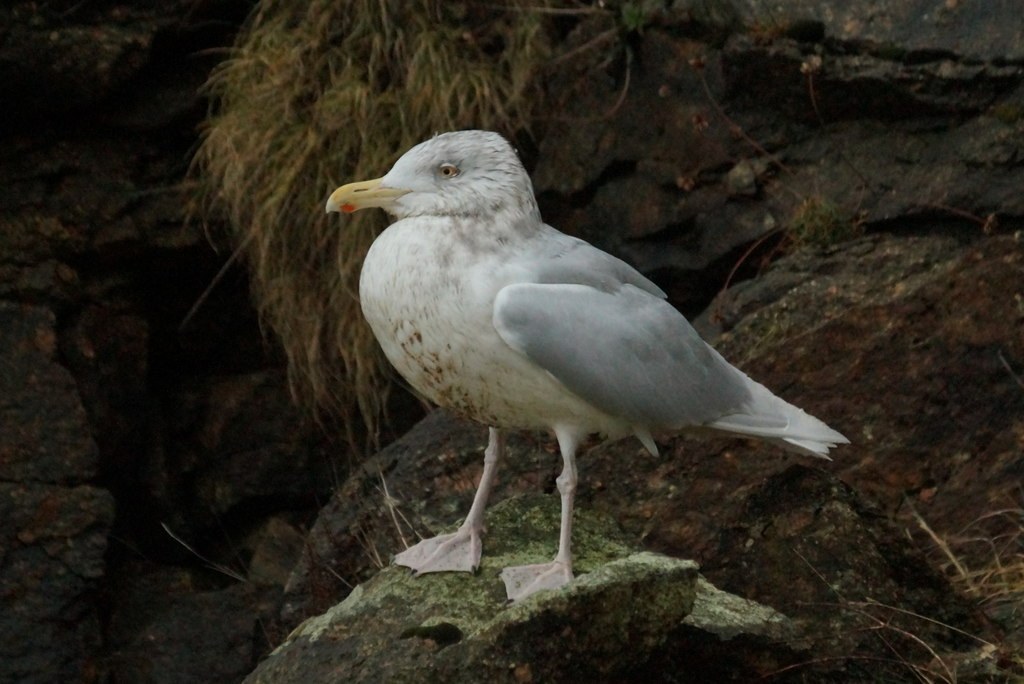
Glaucous Gull
Body, flight, and tail feathers

American Herring Gull
Body, flight, and tail feathers

Great Black-backed Gull
Body, flight, and tail feathers

Common Gull
Body, flight, and tail feathers
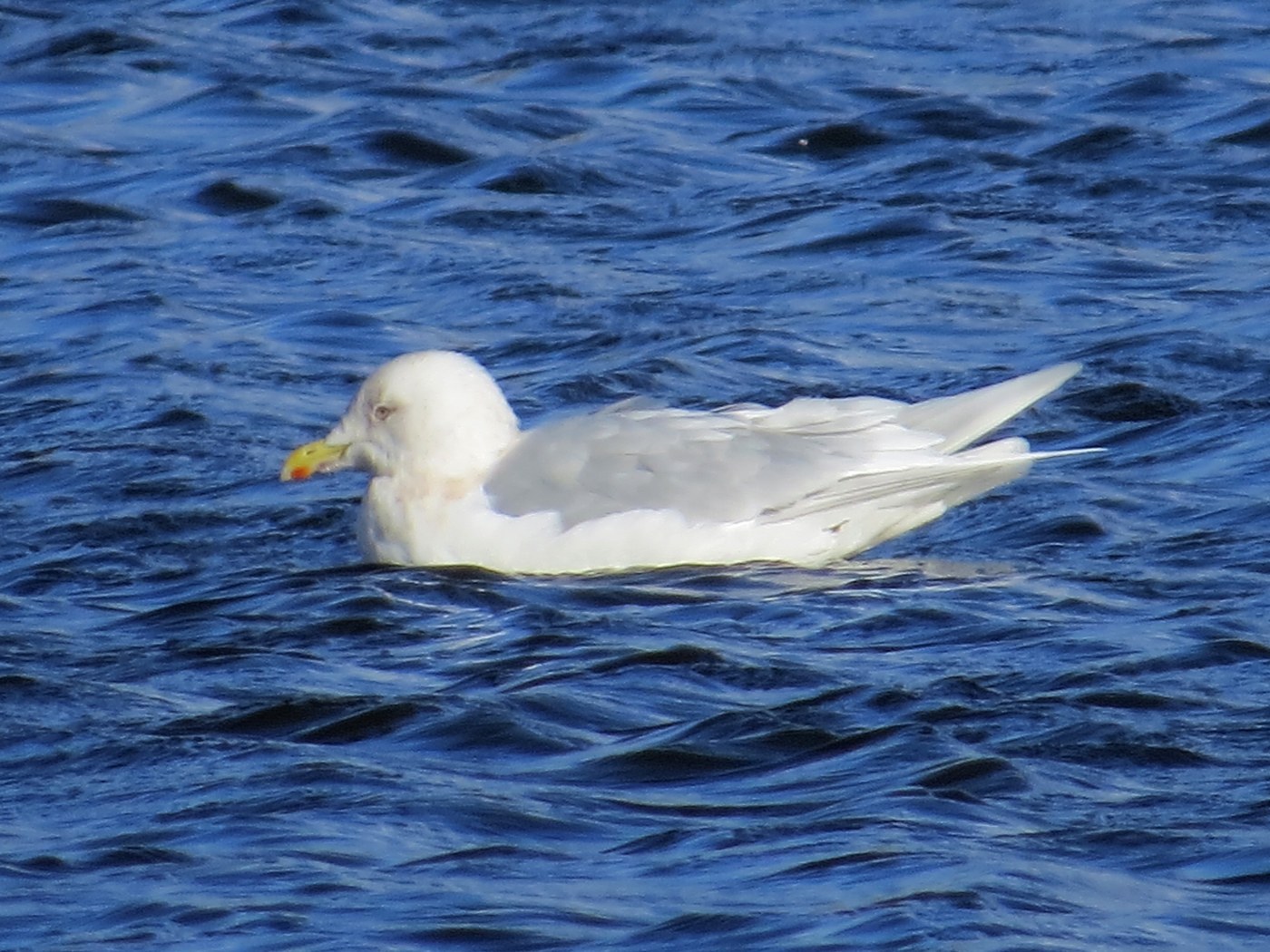
Iceland Gull
Body, flight, and tail feathers

Ring-billed Gull
Body, flight, and tail feathers

Glaucous-winged Gull
Body, flight, and tail feathers

Herring Gull
Body, flight, and tail feathers

Lesser Black-backed Gull
Body, flight, and tail feathers

California Gull
Body, flight, and tail feathers
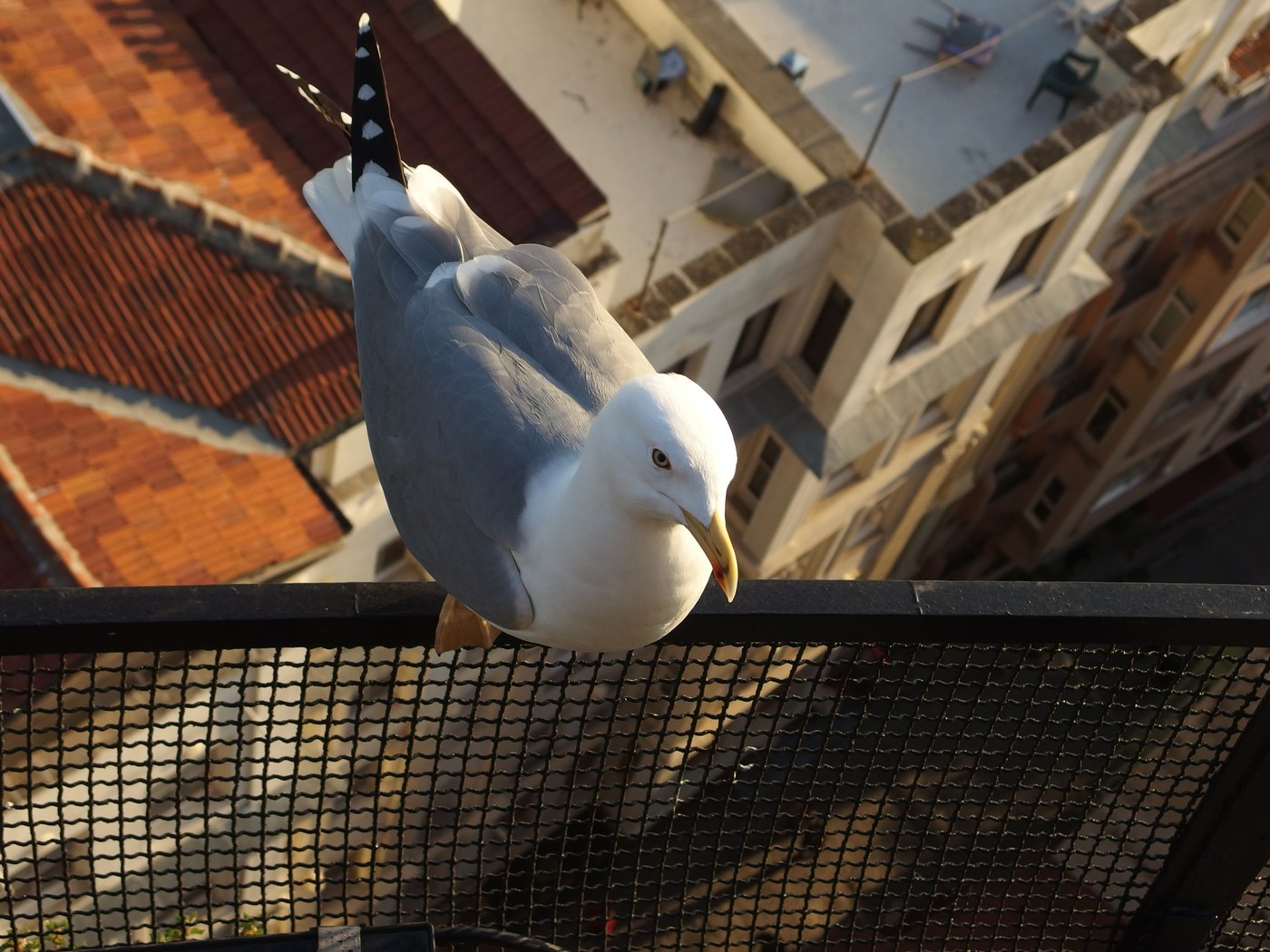
Yellow-legged Gull
Body, wing covert, and flight feathers