

Northern Giant Petrel
Macronectes halli
An enormous, bulky tubenose with a massive pale bill, showing mottled brown plumage that lightens on the head and neck as birds mature.
- Feather type
- Large, robust flight feathers and dense insulating body plumage
- Colours
- Mottled brown overall, paler head and neck in older birds
- Bird size
- Very large, ~80-95 cm
Found a feather like this?
Identify any feather from a photo, free.
Overview
Overview
The Northern Giant Petrel is one of the largest members of the petrel family, rivaling small albatrosses in bulk, with a huge pale bill tipped in reddish-brown. It is a scavenging generalist of southern oceans, often seen feeding at carcasses alongside albatrosses.
Plumage darkens with immaturity and lightens with age, so a single population shows a wide range of brown tones, from nearly blackish-brown juveniles to paler, mottled adults with whitish heads.
Identifying the Feather
Giant petrel feathers are large and heavy for a tubenose, reflecting the bird's substantial size.
- Flight feathers: Broad, strong primaries in dark brown, often with slightly paler edges; shafts are thick and pale.
- Body feathers: Mottled brown with irregular pale flecking, especially on older individuals; head and neck feathers become progressively paler and grayish-white with age.
- Distinguishing from albatross feathers: Giant petrel feathers are generally more uniformly brown and lack the crisp black-and-white contrast of most albatrosses.
- Northern vs Southern Giant Petrel: Feather color alone cannot reliably separate the two giant petrel species; the pale-tipped, reddish-brown bill color (versus a greenish bill tip on the Southern Giant Petrel) is the more reliable field distinction when the bill is present.
Plumage & Molt
Juveniles are nearly uniform sooty blackish-brown all over. With successive molts over several years, the head, neck, and underparts become increasingly mottled with white and gray, producing a marbled, paler appearance in older adults while the wings and back typically remain darker brown. Sexes are similar in plumage though males average larger. Molt is protracted and can overlap with breeding activities given the bird's large size and slow feather replacement.
Habitat & Range
Northern Giant Petrels breed on subantarctic islands in the Southern Ocean and range widely over cold southern waters outside the breeding season, sometimes reaching subtropical latitudes. They are strongly pelagic but will come close to shore to scavenge at seal or penguin colonies. Movements are largely dispersive rather than a fixed migratory route, following food availability across vast stretches of open ocean.
Behavior & Field Notes
Giant petrels are powerful, opportunistic scavengers, feeding on carrion from marine mammal and seabird carcasses as well as catching live prey at the sea surface. They fly on long, broad wings with a heavy, direct flight style compared to smaller petrels. A single egg is laid in a simple ground nest, and the young bird broods for an extended period given its large size. Their calls include low grunts and hisses, especially when squabbling over carcasses, and they can eject stomach oil defensively when disturbed at the nest.
Frequently asked questions
How big are Northern Giant Petrel feathers compared to other petrels?
They are notably larger and more robust than those of typical petrels and shearwaters, reflecting the bird's near-albatross-sized body.
Can feather color alone tell Northern and Southern Giant Petrels apart?
Not reliably; both species show similar brown, mottled plumage that varies mainly with age, so bill-tip color is the more dependable identification clue when available.
Why do some giant petrel feathers look much paler than others?
Plumage lightens with age, so juveniles are nearly uniform dark brown while older adults show increasingly pale, mottled heads and necks.
Where are Northern Giant Petrel feathers typically found?
Mostly near subantarctic breeding islands and seal or penguin colonies where the birds scavenge, or along southern ocean shorelines during storms.
Northern Giant Petrel guides
In-depth guides for identifying and understanding Northern Giant Petrel.

Other feathers you may enjoy

Western Gull
Body, flight, and tail feathers
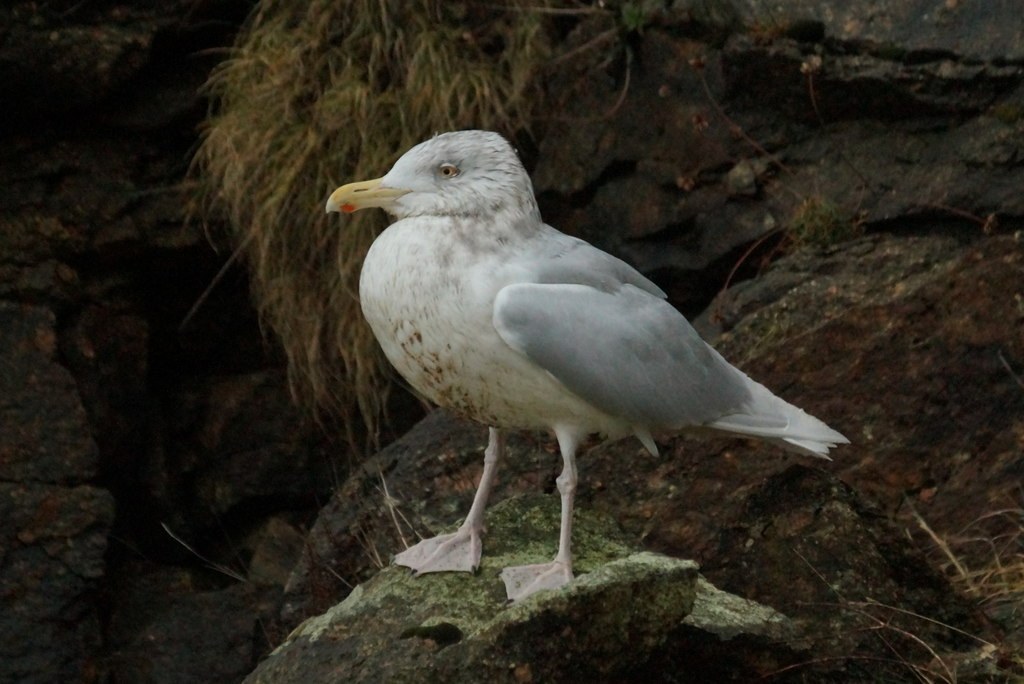
Glaucous Gull
Body, flight, and tail feathers

American Herring Gull
Body, flight, and tail feathers

Great Black-backed Gull
Body, flight, and tail feathers

Common Gull
Body, flight, and tail feathers
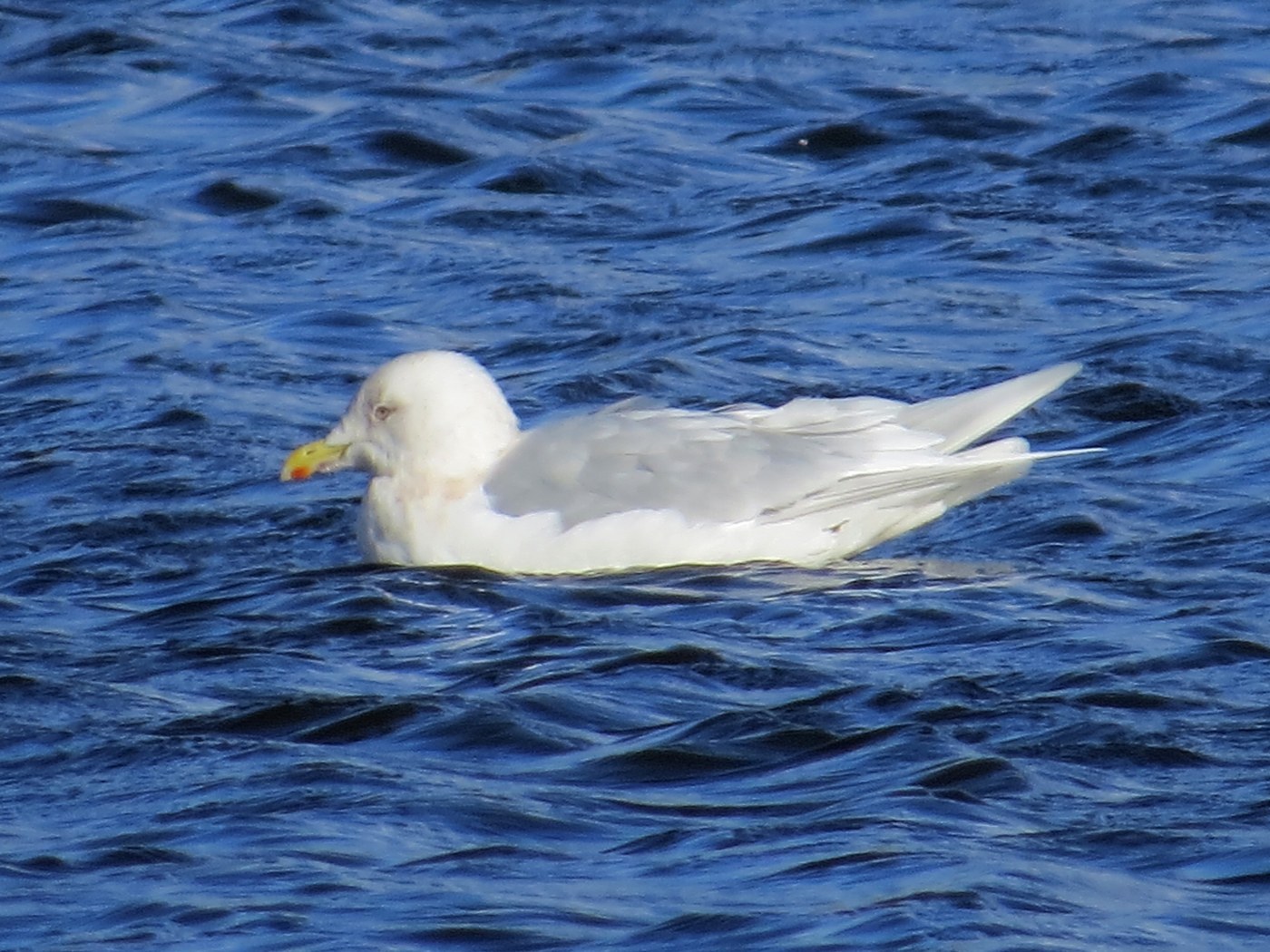
Iceland Gull
Body, flight, and tail feathers

Ring-billed Gull
Body, flight, and tail feathers

Glaucous-winged Gull
Body, flight, and tail feathers

Herring Gull
Body, flight, and tail feathers

Lesser Black-backed Gull
Body, flight, and tail feathers

California Gull
Body, flight, and tail feathers
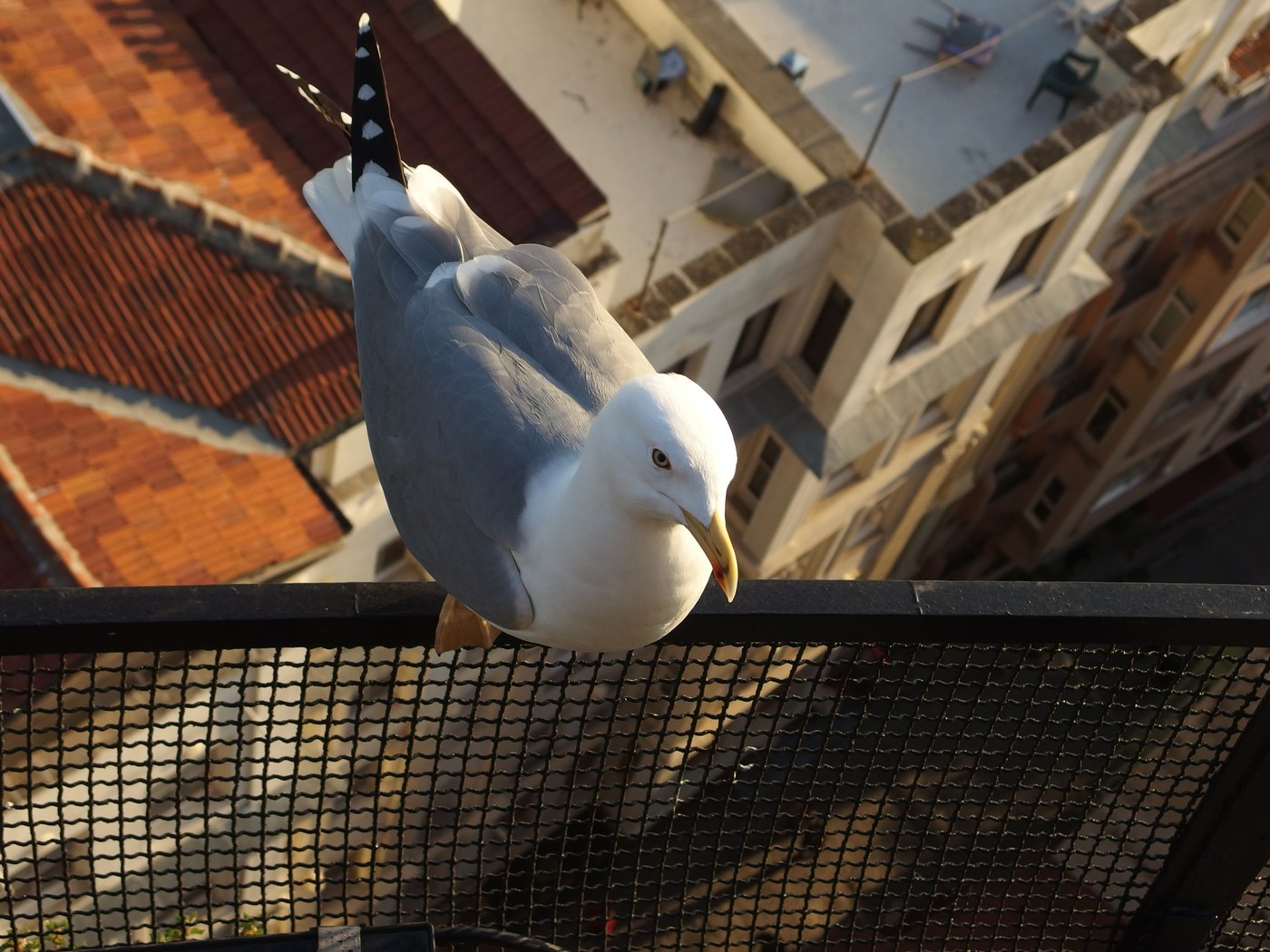
Yellow-legged Gull
Body, wing covert, and flight feathers