

Orange-breasted Bunting
Passerina leclancherii
A vividly colored Mexican bunting, the male Orange-breasted Bunting combines a green head and back with yellow underparts and a bold orange breast band.
- Feather type
- Small, brightly colored contour feathers with a sharply defined breast band
- Colours
- Green head and back, yellow underparts, orange breast band
- Bird size
- Small, ~13-14 cm
Found a feather like this?
Identify any feather from a photo, free.
Overview
The Orange-breasted Bunting is a strikingly colorful songbird restricted to tropical deciduous forest and scrub along the Pacific slope of Mexico. Males display an eye-catching combination of green upperparts, yellow underparts, and a bold orange band across the breast, making them among the most colorful of the Passerina buntings. Females are far less conspicuous, olive-green above and yellow below without the male's orange breast band.
Identifying the Feather
Adult male feathers show a bright grass-green crown, nape, and back, transitioning to yellow on the throat, belly, and undertail. A well-defined orange band crosses the upper breast, sharply demarcated from the green above and yellow below, giving the bird a distinctly banded appearance unlike other buntings in its range. The wings are green or greenish-blue without bold white wing bars. Females and immatures show olive-green upperparts and yellow underparts, generally more uniform and without the male's contrasting orange breast band, though some females can show a faint wash of warmer color on the breast.
Plumage & Molt
Adult males show the brightest, most sharply contrasted green-yellow-orange pattern, with the color most vivid when feathers are fresh after molt. Females remain a more subdued olive-green and yellow year-round. Immature males may show a patchier transitional plumage as they acquire adult coloration.
Habitat & Range
This species is restricted to tropical deciduous forest, scrub, and edge habitat along the Pacific slope of southern Mexico, particularly in Oaxaca and neighboring states. It is generally considered a resident species within this limited range, without long-distance migration.
Behavior & Field Notes
Orange-breasted Buntings forage in low vegetation and forest edge for seeds and invertebrates, often remaining within dense scrub. Males sing a musical, warbling song from perches within or at the edge of forest cover. Nests are cup-shaped, built low in dense vegetation. The species' restricted range and forest-edge habits mean it is most often encountered by observers specifically visiting its limited Pacific slope range.
Frequently asked questions
What is the standout feather feature of the Orange-breasted Bunting?
The bold orange band across the breast that sharply separates the green upperparts from the yellow underparts in males.
Do female Orange-breasted Buntings show the orange breast band?
No, females are generally olive-green above and yellow below without the male's distinct orange band.
Where is the Orange-breasted Bunting found?
It is restricted to tropical deciduous forest and scrub along the Pacific slope of southern Mexico.
Is the Orange-breasted Bunting migratory?
It is generally considered a resident species within its limited Mexican range.
Orange-breasted Bunting guides
In-depth guides for identifying and understanding Orange-breasted Bunting.

Other feathers you may enjoy

Yellow-breasted Bunting
Contour and flight feathers, chestnut-and-yellow breeding pattern
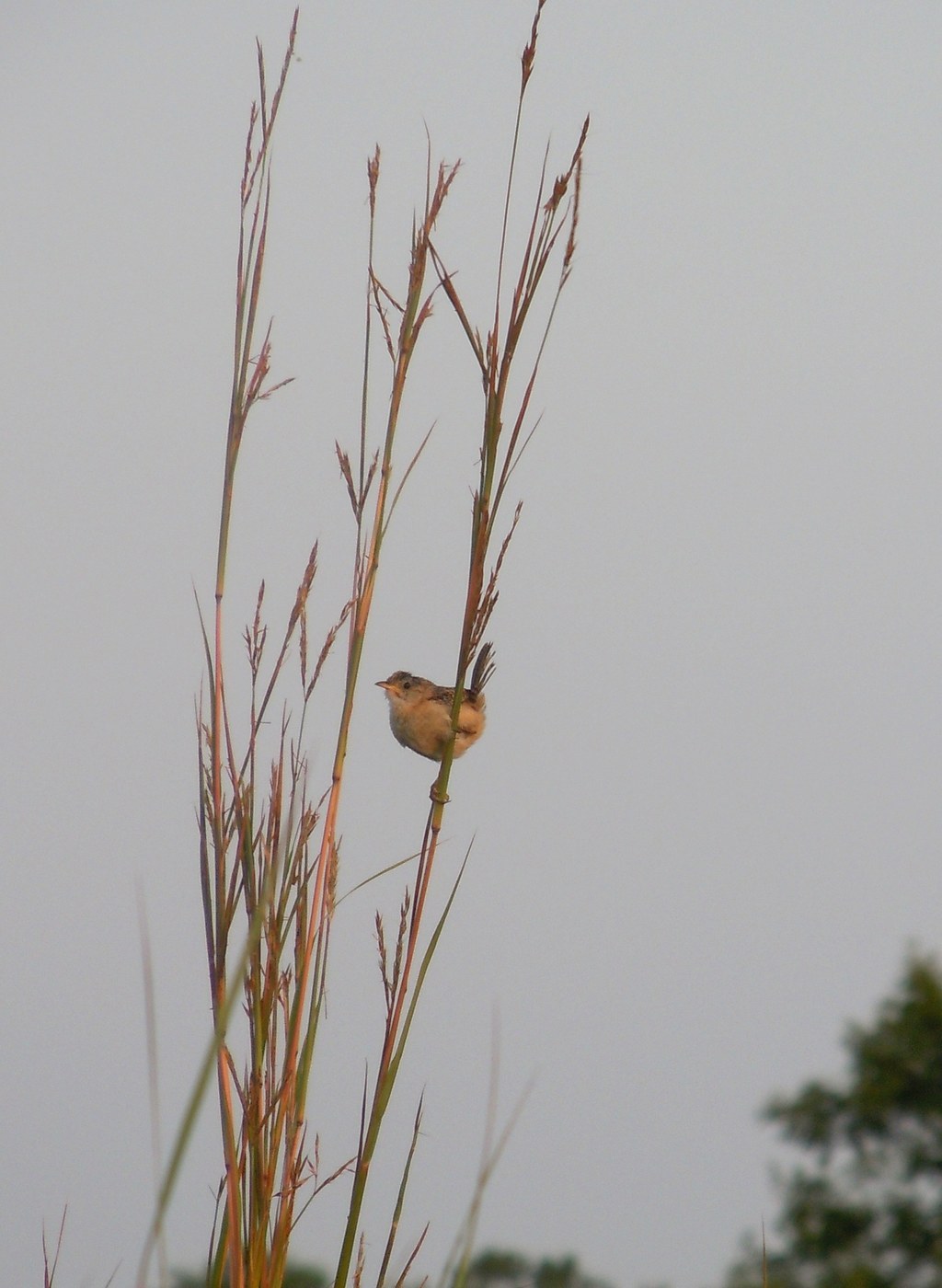
Sedge Wren
Tiny streaked crown and back feathers

Yellow-winged Cacique
Glossy black body feathers, yellow wing patch, shaggy crest

Yellow Warbler
Small contour and flight feathers
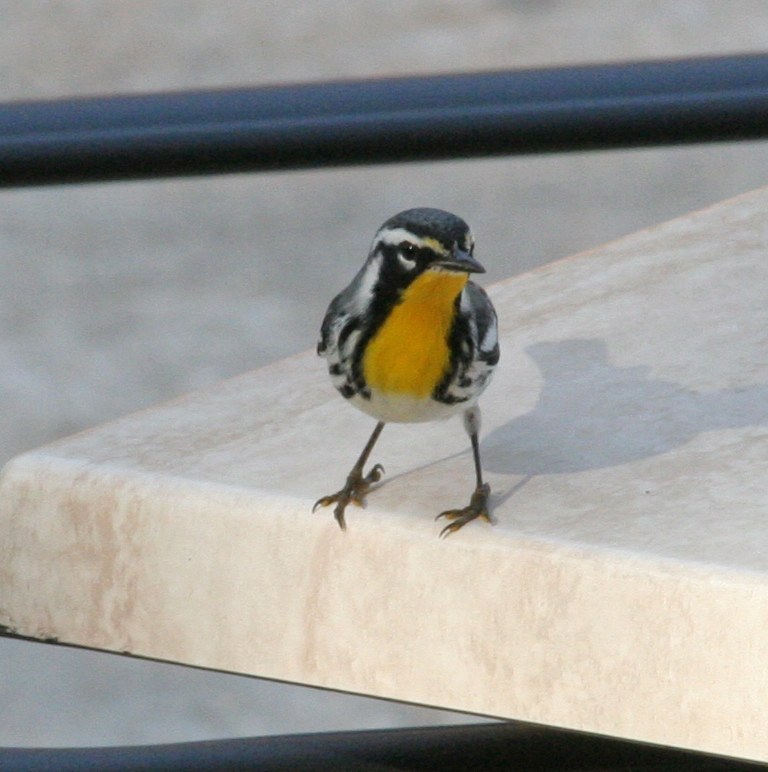
Yellow-throated Warbler
Small contour and flight feathers
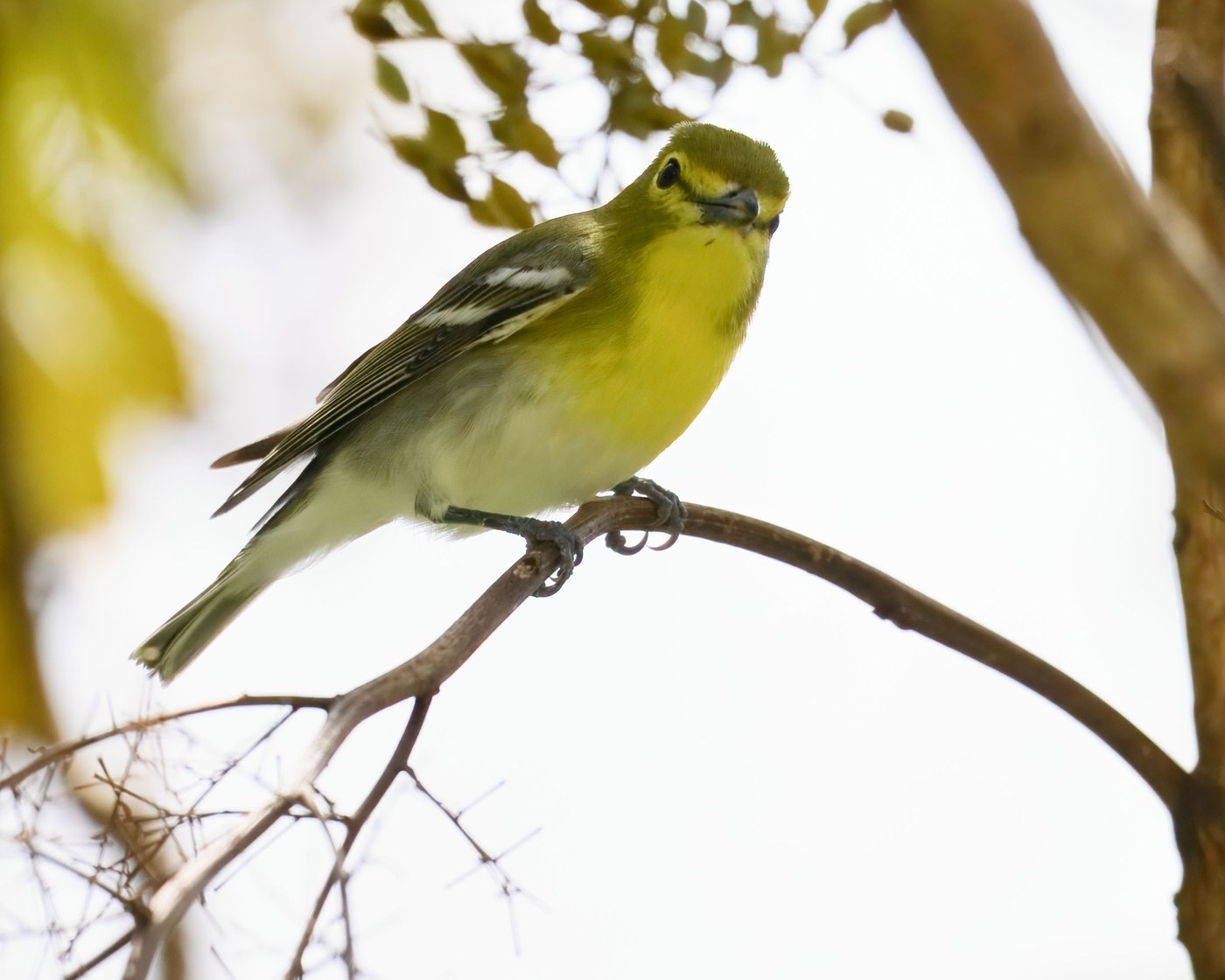
Yellow-throated Vireo
Bright yellow throat and spectacle feathers; olive-green back feathers; two white wing-bar feathers

Yellow-rumped Warbler
Small contour and flight feathers
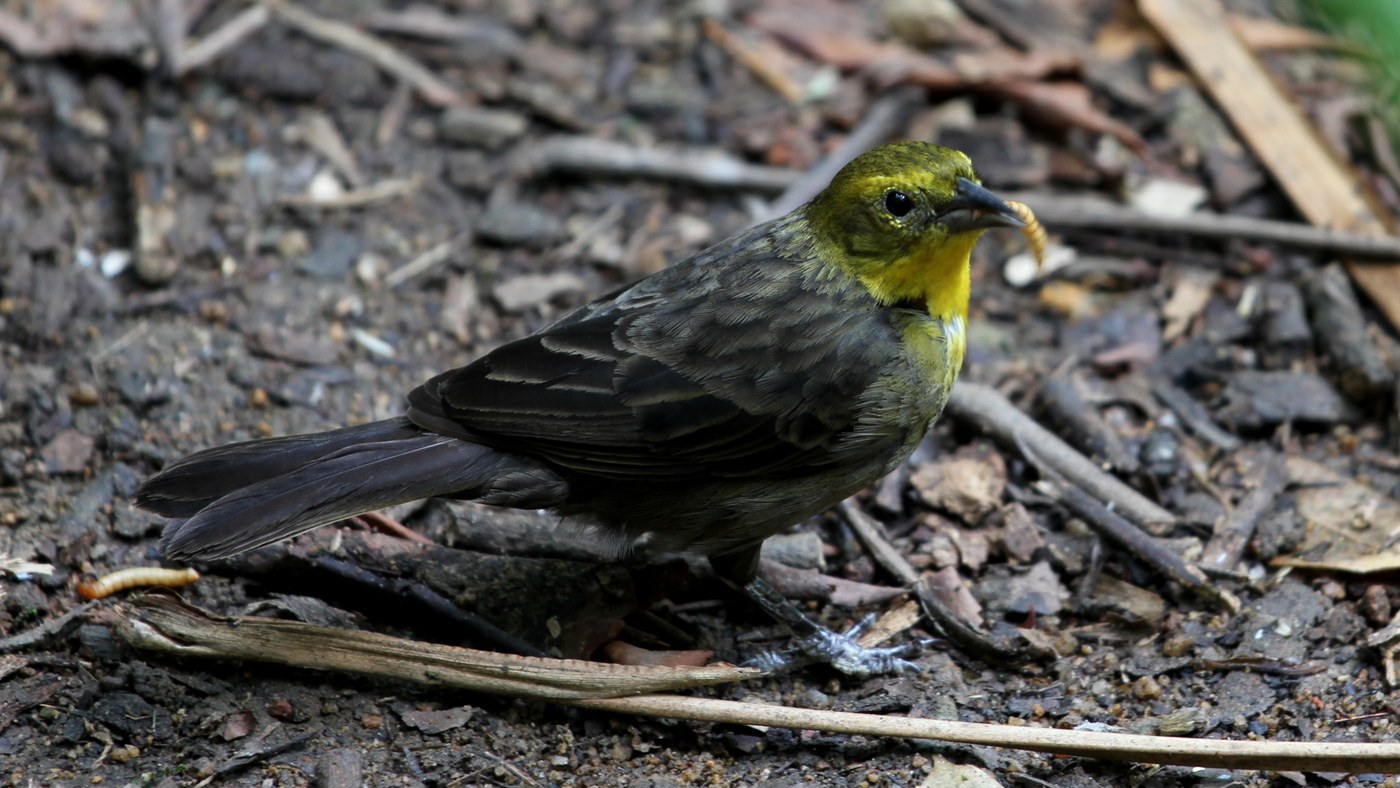
Yellow-hooded Blackbird
Contrasting hood and body feathers
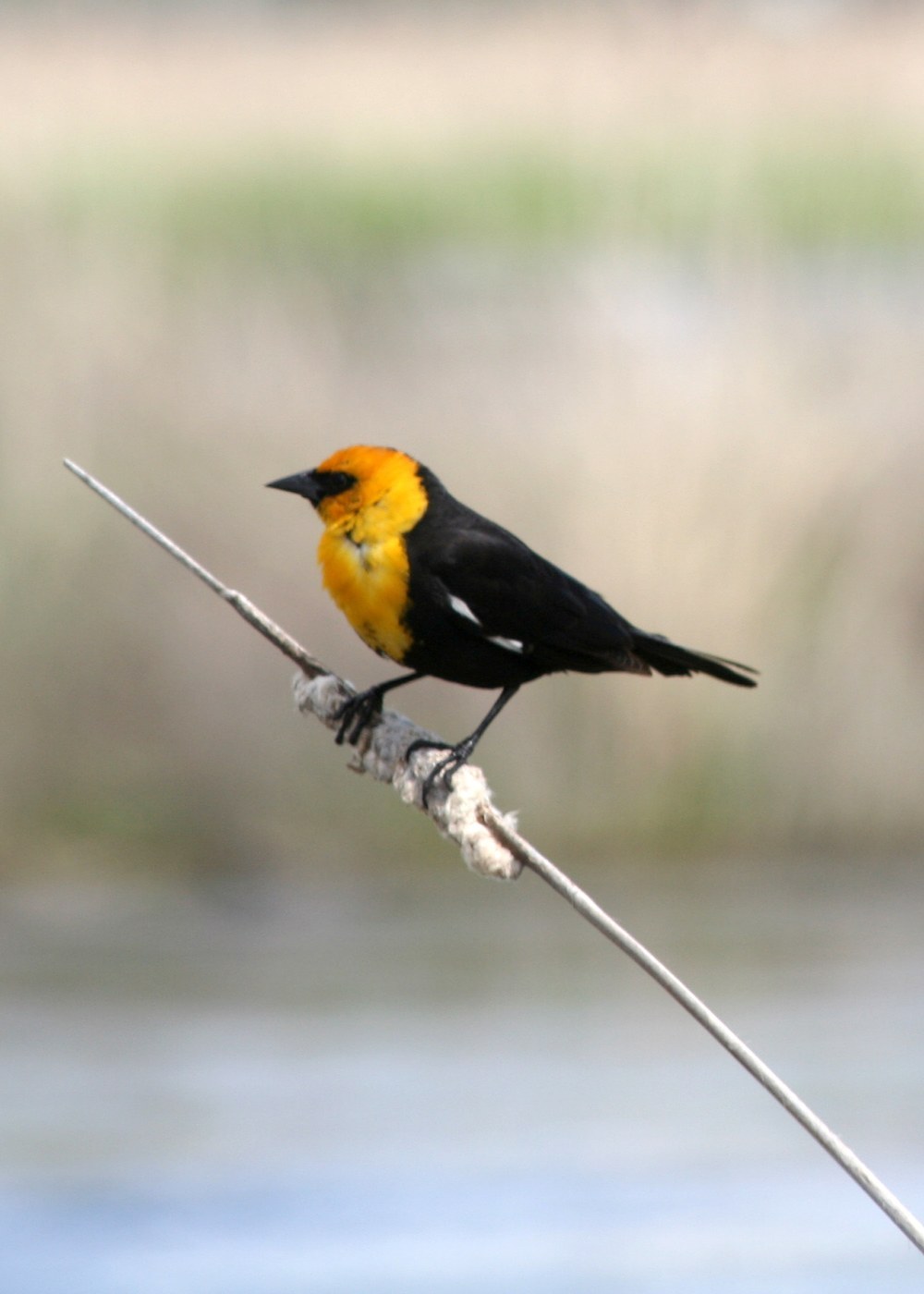
Yellow-headed Blackbird
Glossy black body plumage with a bright yellow head and breast

Yellow-eyed Junco
Contour and flight feathers

Yellow-fronted Canary
Small, smooth body plumage

Yellow-breasted Greenfinch
Compact, smooth body plumage