
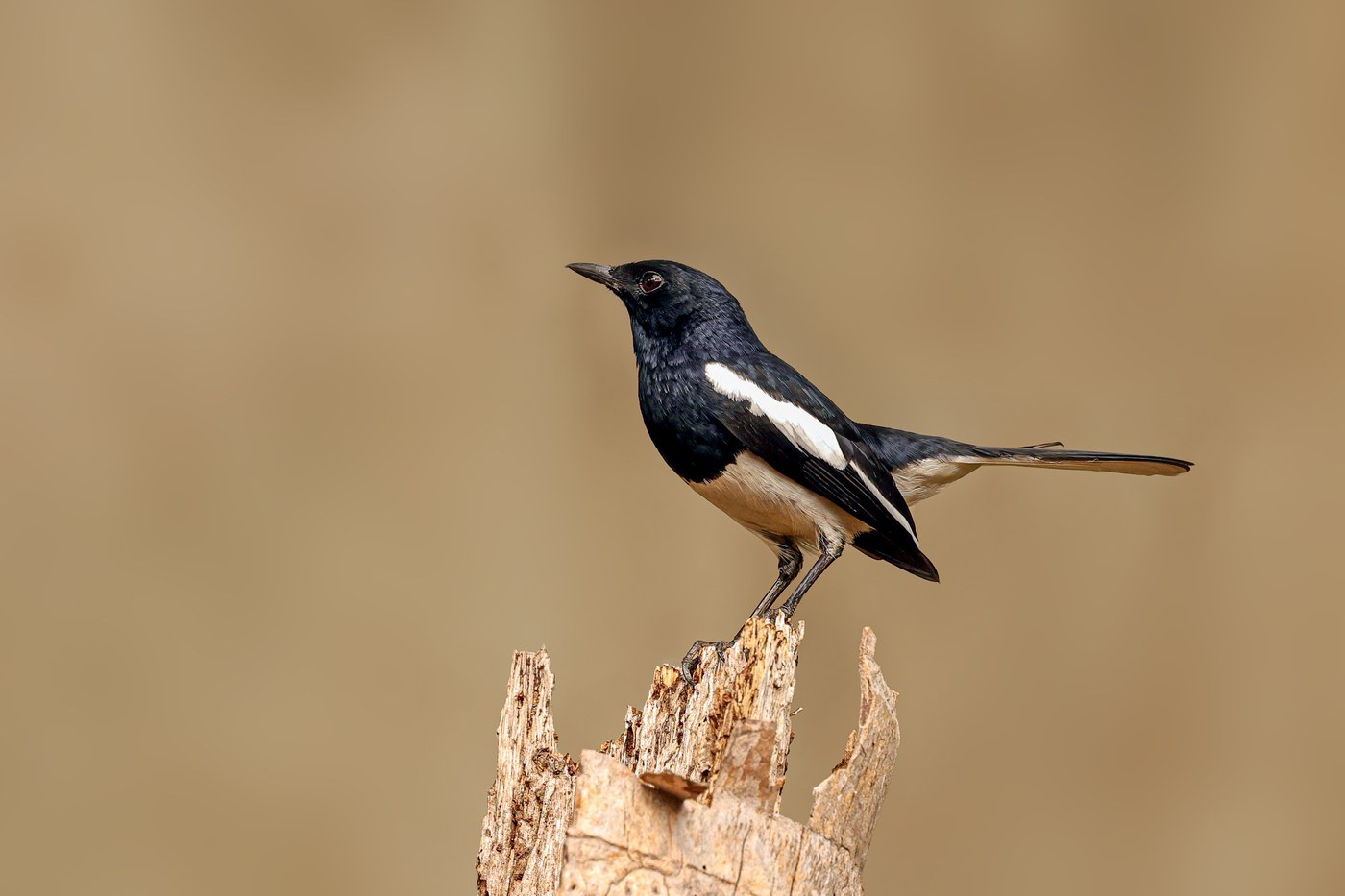
Oriental Magpie-Robin
Copsychus saularis
A familiar garden songbird of South and Southeast Asia, glossy black and white with a long tail it habitually holds cocked upward, known for its rich, musical song.
- Feather type
- Glossy contour feathers; long, cocked tail feathers
- Colours
- Glossy black and crisp white
- Bird size
- Robin-sized, ~20 cm
Found a feather like this?
Identify any feather from a photo, free.
Overview
The Oriental Magpie-Robin is one of the most familiar and beloved songbirds across South and Southeast Asia, frequently seen bounding across lawns and perching conspicuously near homes and gardens. Its bold black-and-white pattern and confident, tail-cocked posture make it instantly recognizable.
Renowned for its rich, varied, and melodious song, the species has long been popular in aviculture in parts of its range, and it remains one of the more approachable and easily observed songbirds in its habitat.
Identifying the Feather
- Male: Glossy blue-black head, throat, back, and breast contrasting with a clean white belly and vent
- White wing patch on the shoulder is visible both at rest and in flight
- Long tail is black with white outer feathers, often held cocked upward or fanned while foraging
- Female shows the same pattern but with grayish-black replacing the male's glossy black
- Distinguished from other black-and-white songbirds by the combination of white wing patch, white outer tail feathers, and habitually raised tail
Plumage & Molt
Adult males are glossy blue-black above and on the breast with a white belly and wing patch; adult females show the identical pattern but in duller slate-gray rather than glossy black. Juveniles are mottled brown and buff with a scaly-looking breast before molting into adult plumage. There is little seasonal plumage variation, and the sexes remain distinguishable year-round by the intensity of the dark coloration.
Habitat & Range
Widespread across South and Southeast Asia, the Oriental Magpie-Robin favors gardens, parks, cultivated land, secondary forest edges, and human settlements, generally avoiding dense unbroken forest. It is largely resident, with pairs holding territories throughout the year in much of its range.
Behavior & Field Notes
This species forages mainly on the ground and in low vegetation, hopping and running after insects and other small invertebrates, and it will also take fruit. Nests are built in tree cavities, building crevices, or nest boxes, lined with grass and feathers. Males sing a loud, varied, and melodious song from exposed perches, especially at dawn, and the species is known to mimic other birds' calls.
Frequently asked questions
What does an Oriental Magpie-Robin feather look like?
Male body feathers are glossy blue-black with a crisp white belly and a white wing patch, while the long tail is black with white outer feathers; females show the same pattern in duller gray-black.
How is the Oriental Magpie-Robin different from a magpie?
Despite the name, it is a songbird, not a true corvid magpie; it is much smaller, robin-sized, with a proportionally long cocked tail.
Why does the Oriental Magpie-Robin hold its tail up?
It habitually cocks or fans its tail while foraging and perching, a distinctive posture that helps distinguish it from other black-and-white birds.
Where is the Oriental Magpie-Robin found?
It is common in gardens, parks, and open country across South and Southeast Asia, generally near human habitation.
Oriental Magpie-Robin guides
In-depth guides for identifying and understanding Oriental Magpie-Robin.
Other feathers you may enjoy

Yellow-breasted Bunting
Contour and flight feathers, chestnut-and-yellow breeding pattern
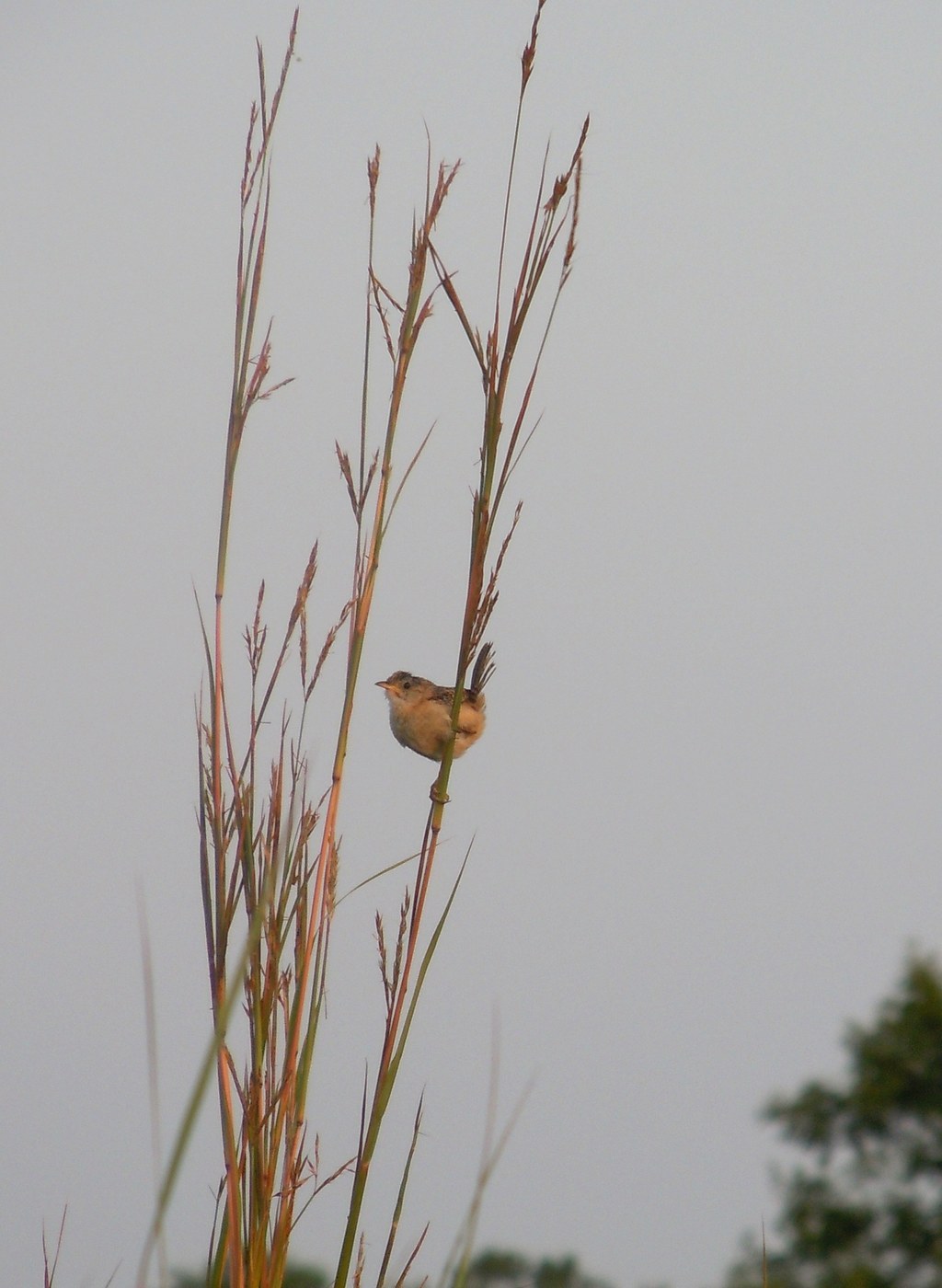
Sedge Wren
Tiny streaked crown and back feathers

Yellow-winged Cacique
Glossy black body feathers, yellow wing patch, shaggy crest

Yellow Warbler
Small contour and flight feathers
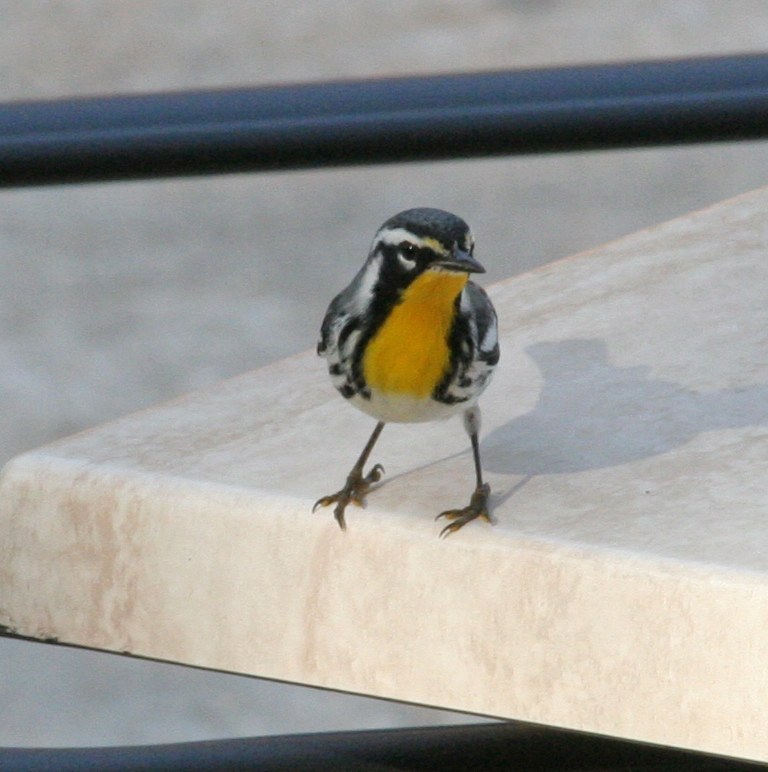
Yellow-throated Warbler
Small contour and flight feathers
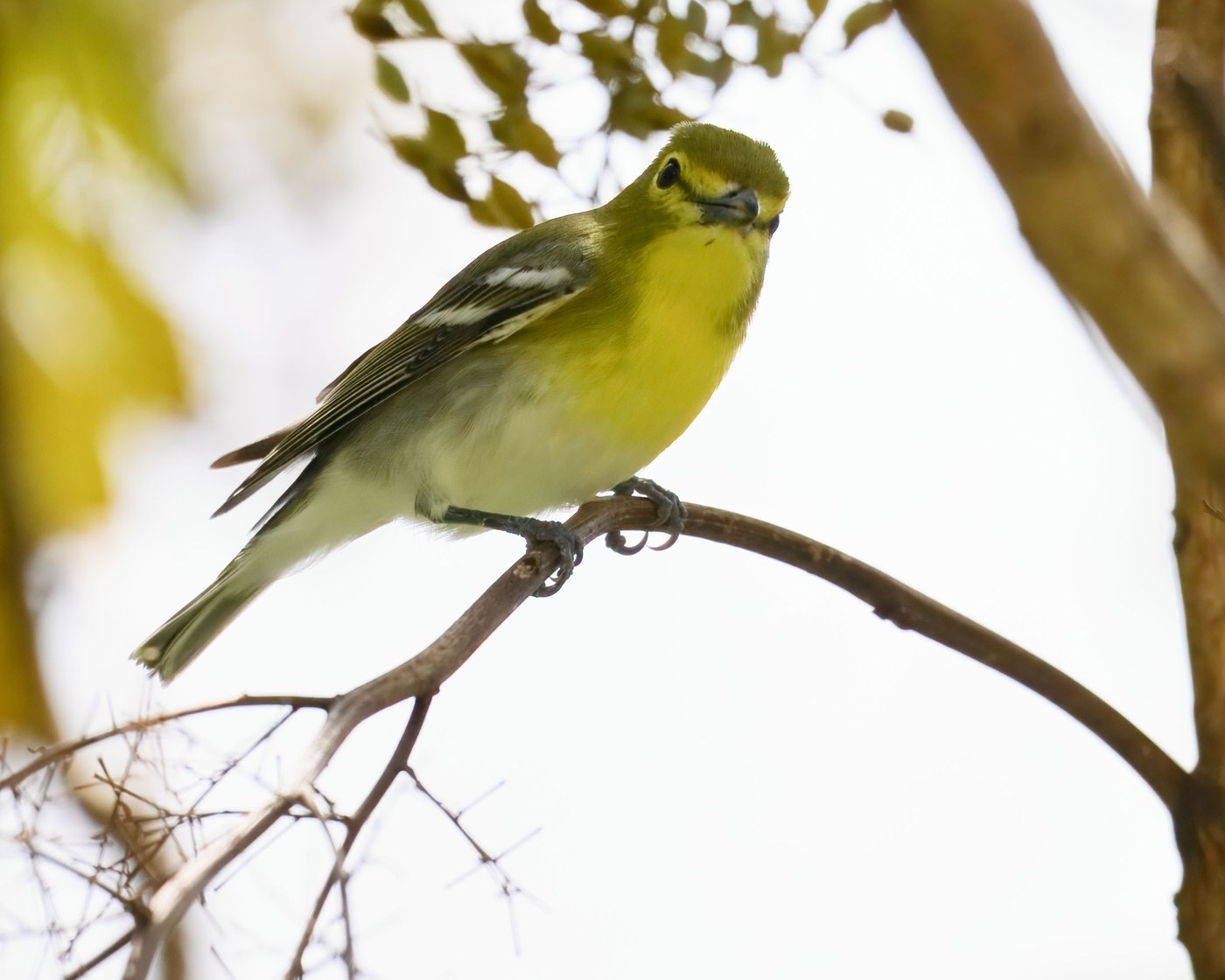
Yellow-throated Vireo
Bright yellow throat and spectacle feathers; olive-green back feathers; two white wing-bar feathers

Yellow-rumped Warbler
Small contour and flight feathers
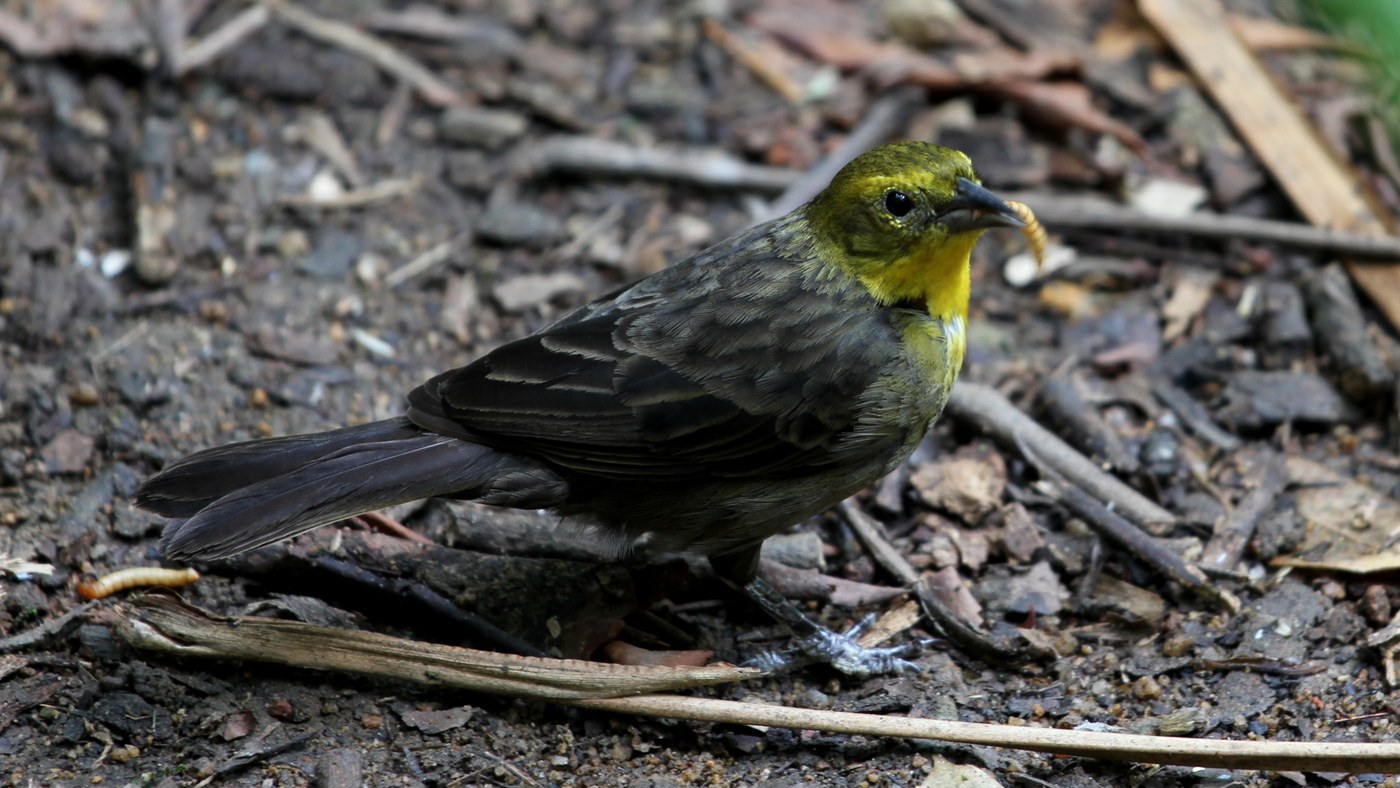
Yellow-hooded Blackbird
Contrasting hood and body feathers
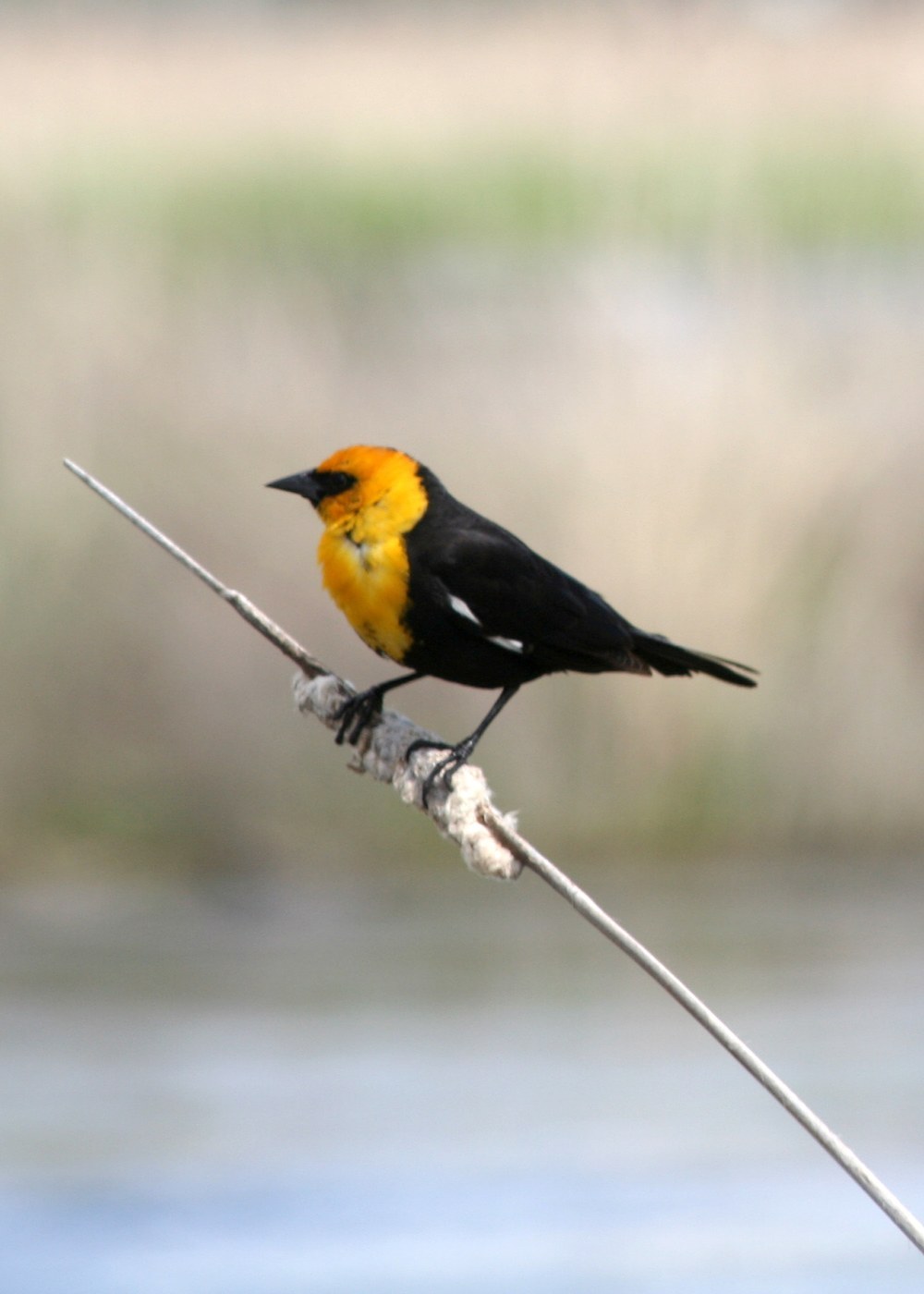
Yellow-headed Blackbird
Glossy black body plumage with a bright yellow head and breast

Yellow-eyed Junco
Contour and flight feathers

Yellow-fronted Canary
Small, smooth body plumage

Yellow-breasted Greenfinch
Compact, smooth body plumage