

Pallas's Rosefinch
Carpodacus roseus
A rosefinch of Siberian and northeast Asian forests, with adult males showing an overall rose-pink plumage frosted with silvery-white on the head.
- Feather type
- Soft, dense body plumage
- Colours
- Rose-pink overall with silvery-white frosting on the head (male)
- Bird size
- Medium finch, ~15-16.5 cm
Found a feather like this?
Identify any feather from a photo, free.
Overview
Overview
Pallas's Rosefinch breeds in boreal forest and scrub habitats across Siberia and parts of northeast Asia, wintering further south into East Asia. Adult males are distinctive for their extensive rose-pink plumage combined with a silvery-white frosted crown, a pattern that gives the head a pale, almost powdered appearance against the pinker body.
Females and immatures are considerably duller, showing streaked brownish plumage with only limited pink or rose tones, typical of the strong sexual dimorphism found across rosefinch species.
Identifying the Feather
Feather Identification
- Male body feathers: rose-pink overall, deepest on the breast and rump, with a silvery-white frosted crown and face.
- Female/immature body feathers: streaked brown with little to no pink or rose coloring.
- Wing feathers: dark, contrasting with the paler body tones in males.
- Distinguishing from similar species: the silvery-frosted crown combined with extensive rose-pink body plumage separates adult males from other rosefinches, which typically show more uniformly colored, less frosted heads.
Plumage & Molt
Plumage Details
Adult males display rose-pink plumage across the breast, rump, and underparts, with a distinctive silvery-white frosted crown and face that gives the head a paler, powdered look compared to the rest of the body. Females and immature birds lack this pattern, showing streaked brown plumage with minimal pink tones. As with related rosefinches, males may take more than a season to acquire their full adult coloration.
Habitat & Range
Habitat & Range
This species breeds in boreal forest, scrub, and forest edge habitats across Siberia and parts of northeast Asia, migrating south to winter in China, Korea, and Japan. It is a medium- to long-distance migrant, moving between distinct breeding and wintering ranges each year.
Behavior & Field Notes
Behavior & Field Notes
Pallas's Rosefinch feeds on seeds and plant material gathered from shrubs and the ground, often in small flocks during migration and winter. Its call and song are simple whistled notes typical of the rosefinch group. Nests are built in dense forest or scrub vegetation. The silvery-frosted crown of adult males is one of the most useful features for separating this species from other rosefinches encountered within its winter range.
Frequently asked questions
What feather feature distinguishes male Pallas's Rosefinch from other rosefinches?
A silvery-white frosted crown and face contrasting with extensive rose-pink body plumage, a combination not seen in most related species.
Do females share the male's pink coloring?
No, females and immatures show streaked brown plumage with little to no pink or rose tones.
Where does this species breed and winter?
It breeds in boreal forest and scrub across Siberia and northeast Asia, wintering further south in China, Korea, and Japan.
Is Pallas's Rosefinch migratory?
Yes, it is a medium- to long-distance migrant moving between separate breeding and wintering grounds.
Pallas's Rosefinch guides
In-depth guides for identifying and understanding Pallas's Rosefinch.

Other feathers you may enjoy

Yellow-breasted Bunting
Contour and flight feathers, chestnut-and-yellow breeding pattern
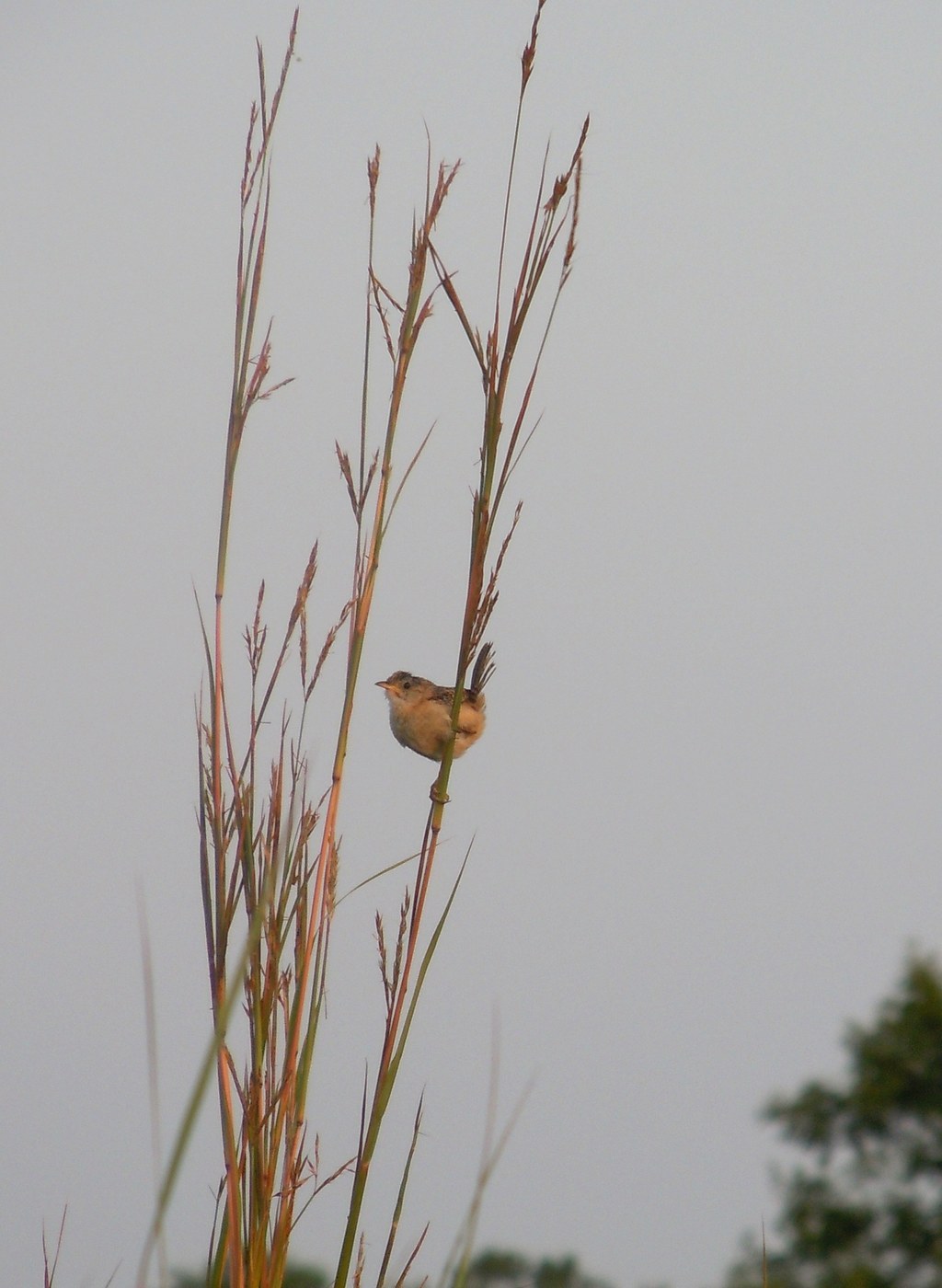
Sedge Wren
Tiny streaked crown and back feathers

Yellow-winged Cacique
Glossy black body feathers, yellow wing patch, shaggy crest

Yellow Warbler
Small contour and flight feathers
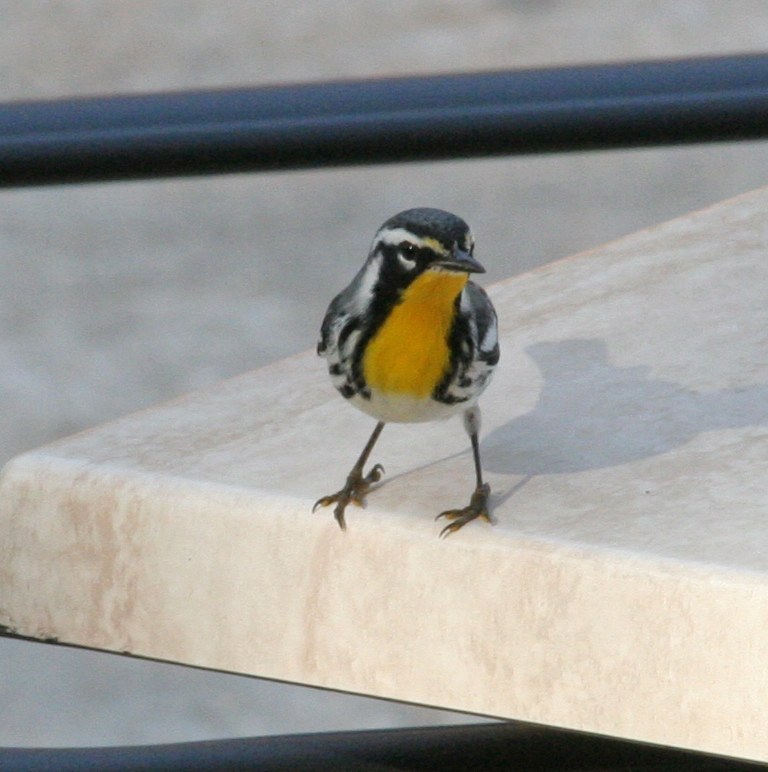
Yellow-throated Warbler
Small contour and flight feathers
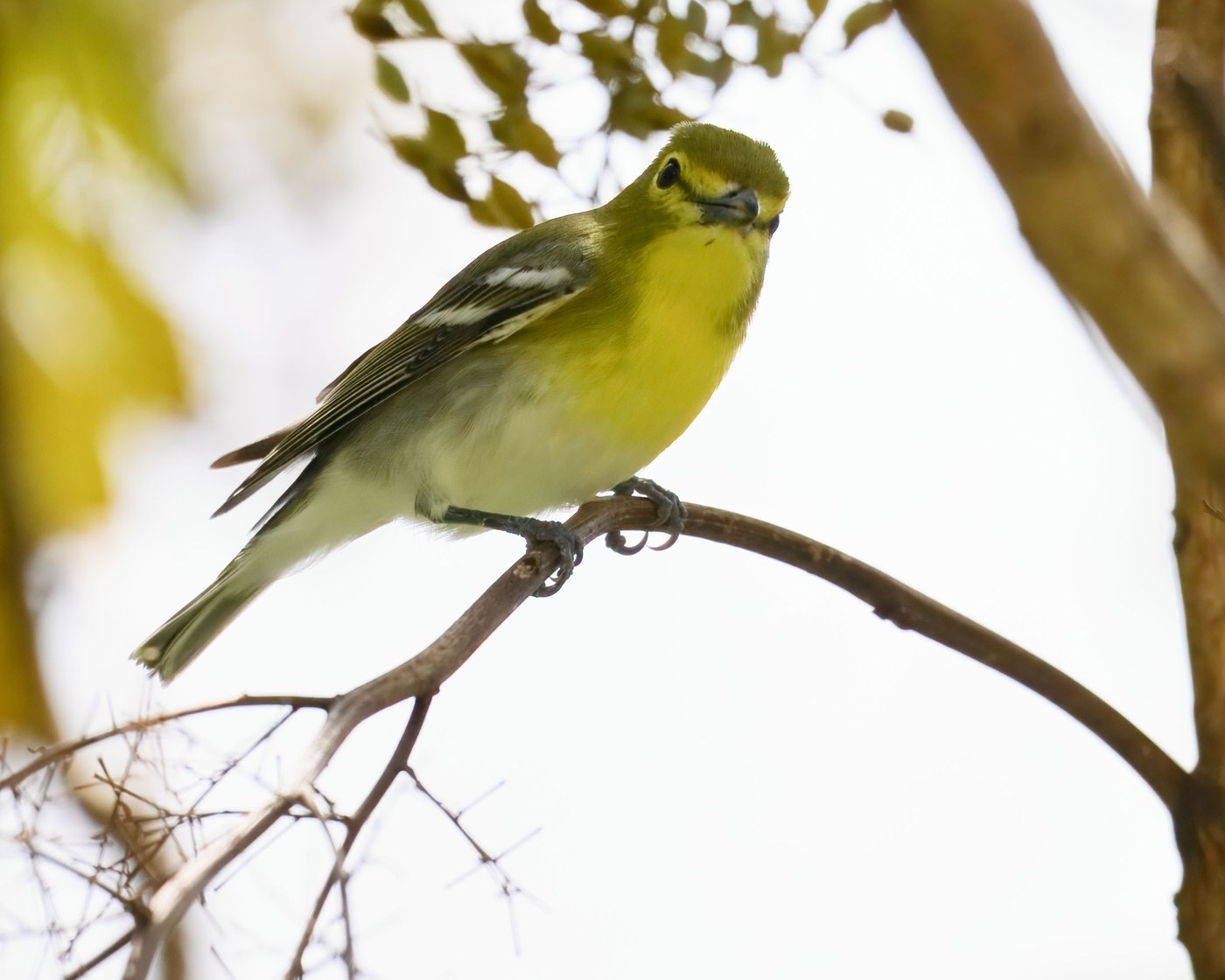
Yellow-throated Vireo
Bright yellow throat and spectacle feathers; olive-green back feathers; two white wing-bar feathers

Yellow-rumped Warbler
Small contour and flight feathers
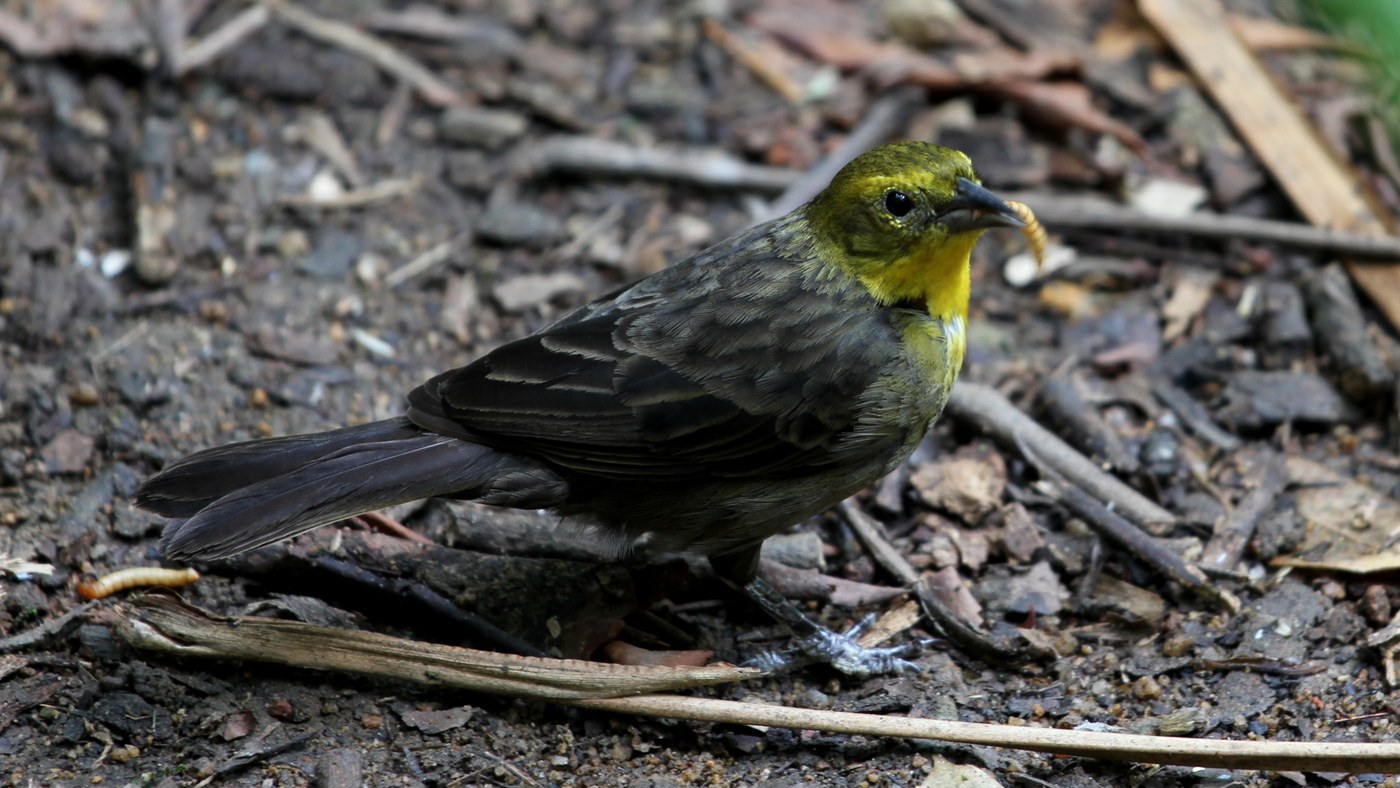
Yellow-hooded Blackbird
Contrasting hood and body feathers
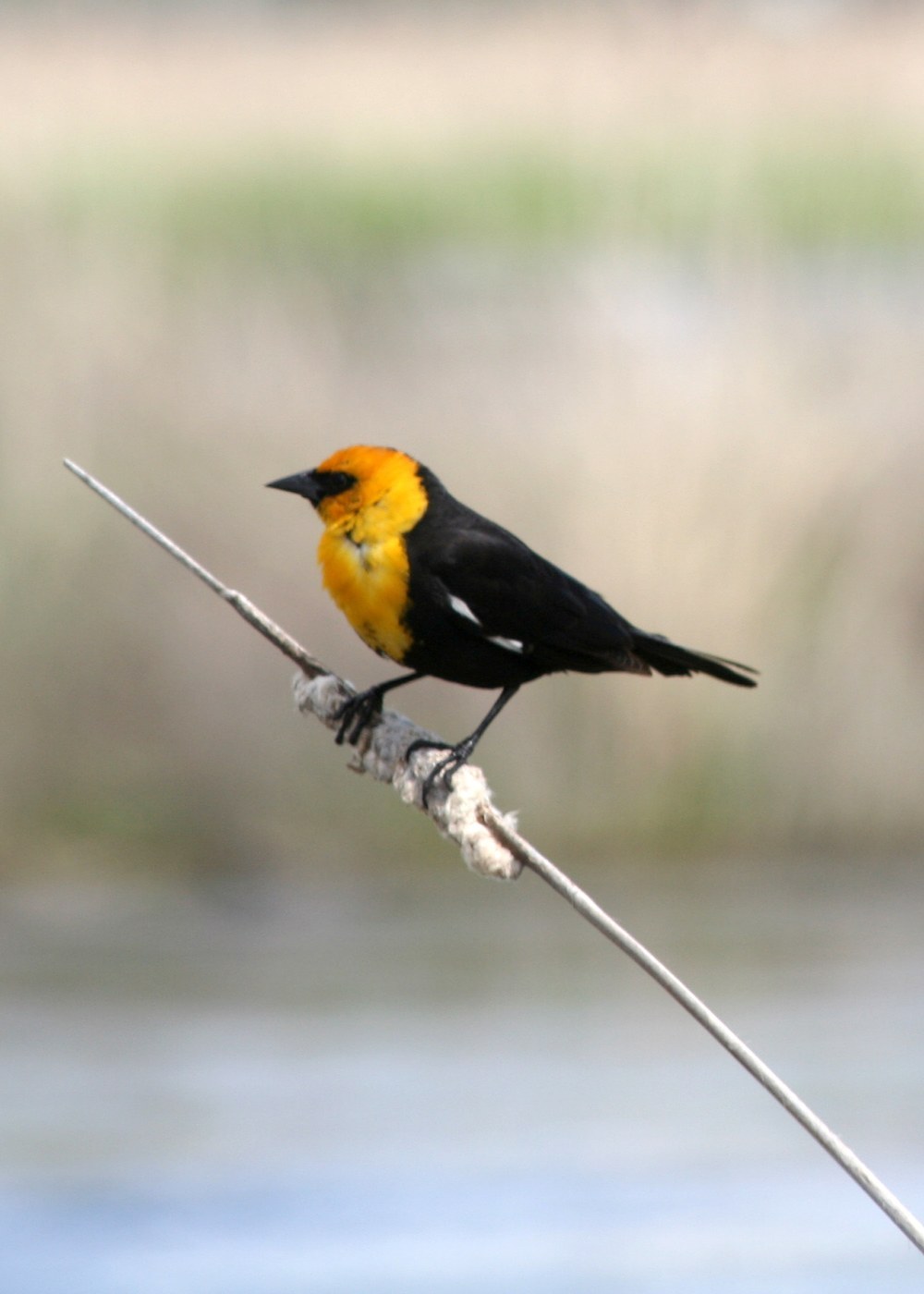
Yellow-headed Blackbird
Glossy black body plumage with a bright yellow head and breast

Yellow-eyed Junco
Contour and flight feathers

Yellow-fronted Canary
Small, smooth body plumage

Yellow-breasted Greenfinch
Compact, smooth body plumage