

Pine Siskin
Spinus pinus
The Pine Siskin is a small, heavily streaked finch whose brown feathers show flashes of yellow in the wings and tail, and whose winter range shifts unpredictably year to year.
- Feather type
- Heavily streaked brown body feathers; yellow-edged flight & tail feathers
- Colours
- Brown, heavily streaked overall with yellow flashes in wings and tail
- Bird size
- Small, ~11-12 cm
Found a feather like this?
Identify any feather from a photo, free.
Overview
Overview
The Pine Siskin is a small, heavily streaked finch related to goldfinches, best recognized by flashes of yellow in its otherwise brown, streaky wing and tail feathers. It is an irruptive species, meaning its winter numbers and range shift year to year depending on conifer seed availability.
Because of these unpredictable movements, siskin feathers can turn up far outside the usual range in some winters and be absent in others.
Identifying the Feather
Recognizing the Feathers
- Body feathers: brown with dense, fine dark streaking throughout, no plain patches
- Wing feathers: dark with yellow edging, forming a yellow flash visible in flight
- Tail feathers: dark with yellow at the base, especially visible from below
- Face feathers: finely streaked, no bold facial pattern
The combination of dense streaking overall plus yellow highlights in the wing and tail feathers is the best clue, distinguishing it from other streaky finches and sparrows that lack yellow tones.
Plumage & Molt
Plumage
Sexes look similar, both heavily streaked brown with yellow patches in the wings and tail, though the yellow can be brighter in some individuals. Juveniles resemble adults. One complete molt occurs after breeding.
Habitat & Range
Habitat & Range
Pine Siskins breed in coniferous and mixed forests across Canada, the northern United States, and western mountains. Their winter range is highly irregular, with irruptive movements bringing large numbers south in some years and few to none in others.
Behavior & Field Notes
Behavior & Field Notes
Siskins feed on conifer seeds, thistle and other small seeds, often in large, active flocks, and are frequent visitors to nyjer feeders during irruption winters. Their calls include a distinctive rising, buzzy note. A finely streaked brown feather with yellow edging in the wing or tail is a good identifier for this species.
Frequently asked questions
What makes a Pine Siskin feather stand out from other streaky finches?
Yellow edging or flashes in the wing and tail feathers combined with dense overall streaking.
Why do Pine Siskins show up in different places each winter?
They are irruptive migrants, moving unpredictably based on conifer seed crop abundance.
Are Pine Siskin feathers plain anywhere?
No, streaking covers essentially the entire body.
How can I tell a Pine Siskin feather from a female American Goldfinch feather?
The goldfinch feather is unstreaked olive, while the siskin feather is finely streaked brown throughout.
Pine Siskin guides
In-depth guides for identifying and understanding Pine Siskin.

Pine Siskin identified by the community
Real feathers identified with Feather Identifier.

Other feathers you may enjoy

Yellow-breasted Bunting
Contour and flight feathers, chestnut-and-yellow breeding pattern
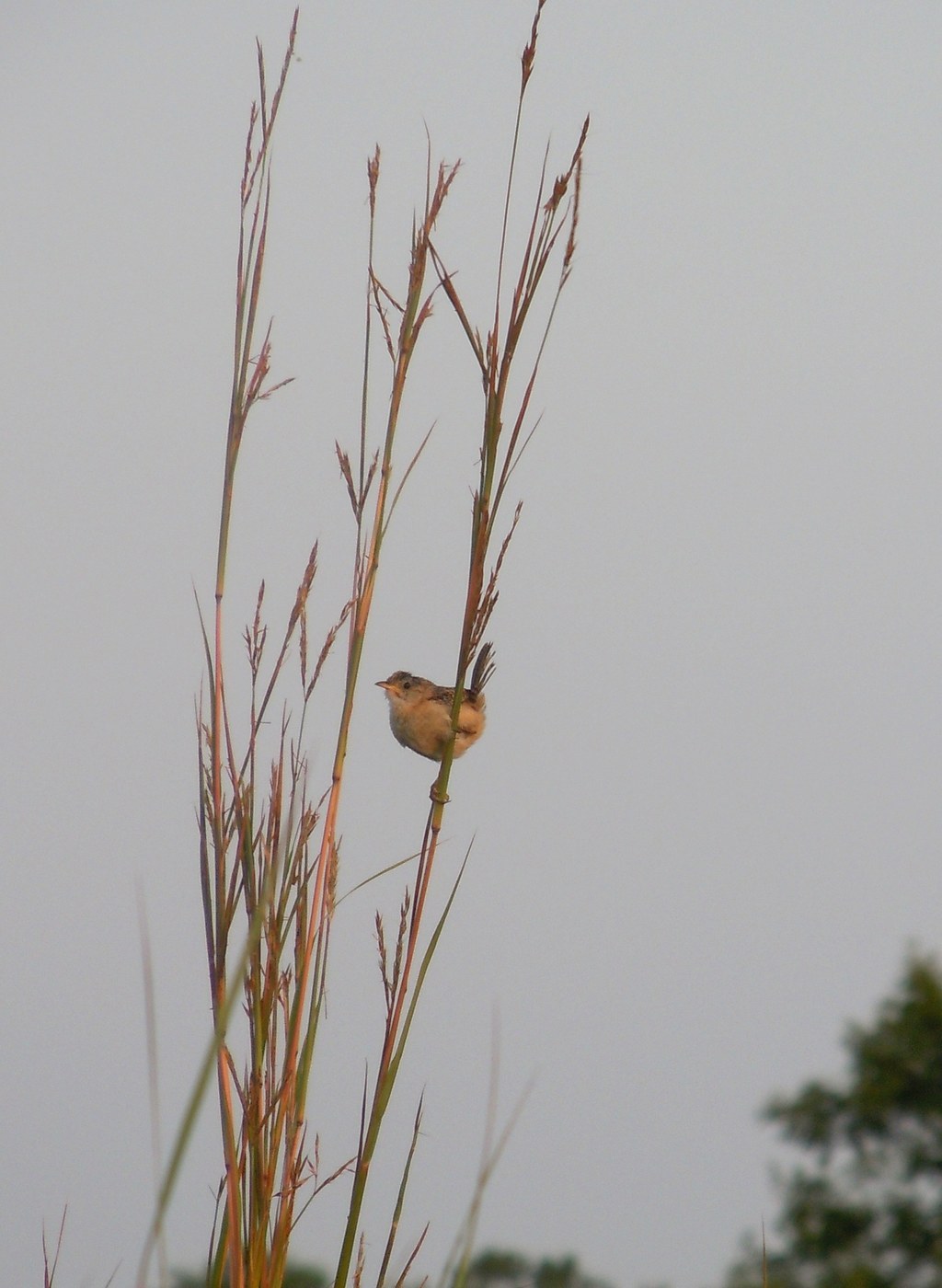
Sedge Wren
Tiny streaked crown and back feathers

Yellow-winged Cacique
Glossy black body feathers, yellow wing patch, shaggy crest

Yellow Warbler
Small contour and flight feathers
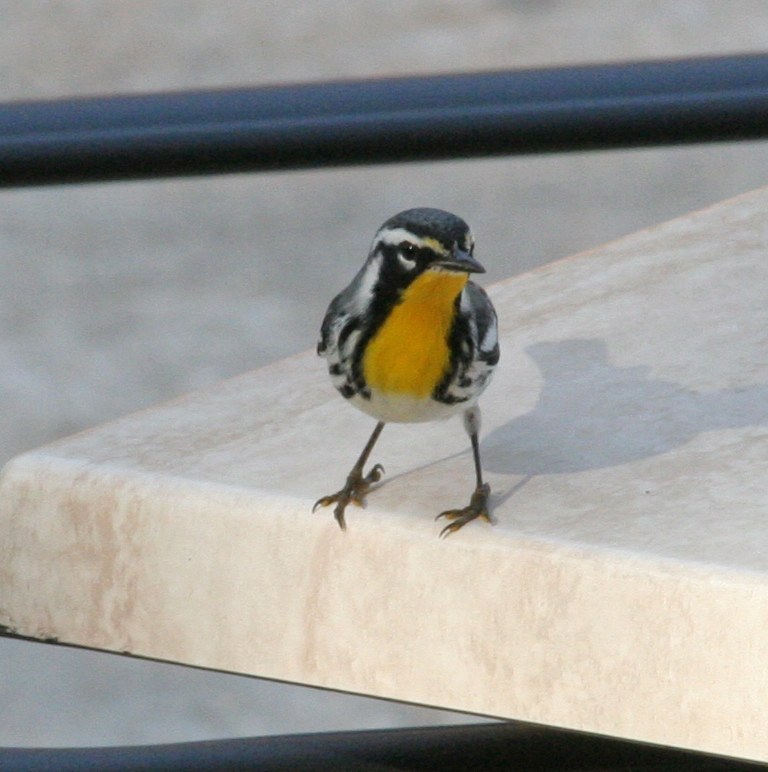
Yellow-throated Warbler
Small contour and flight feathers
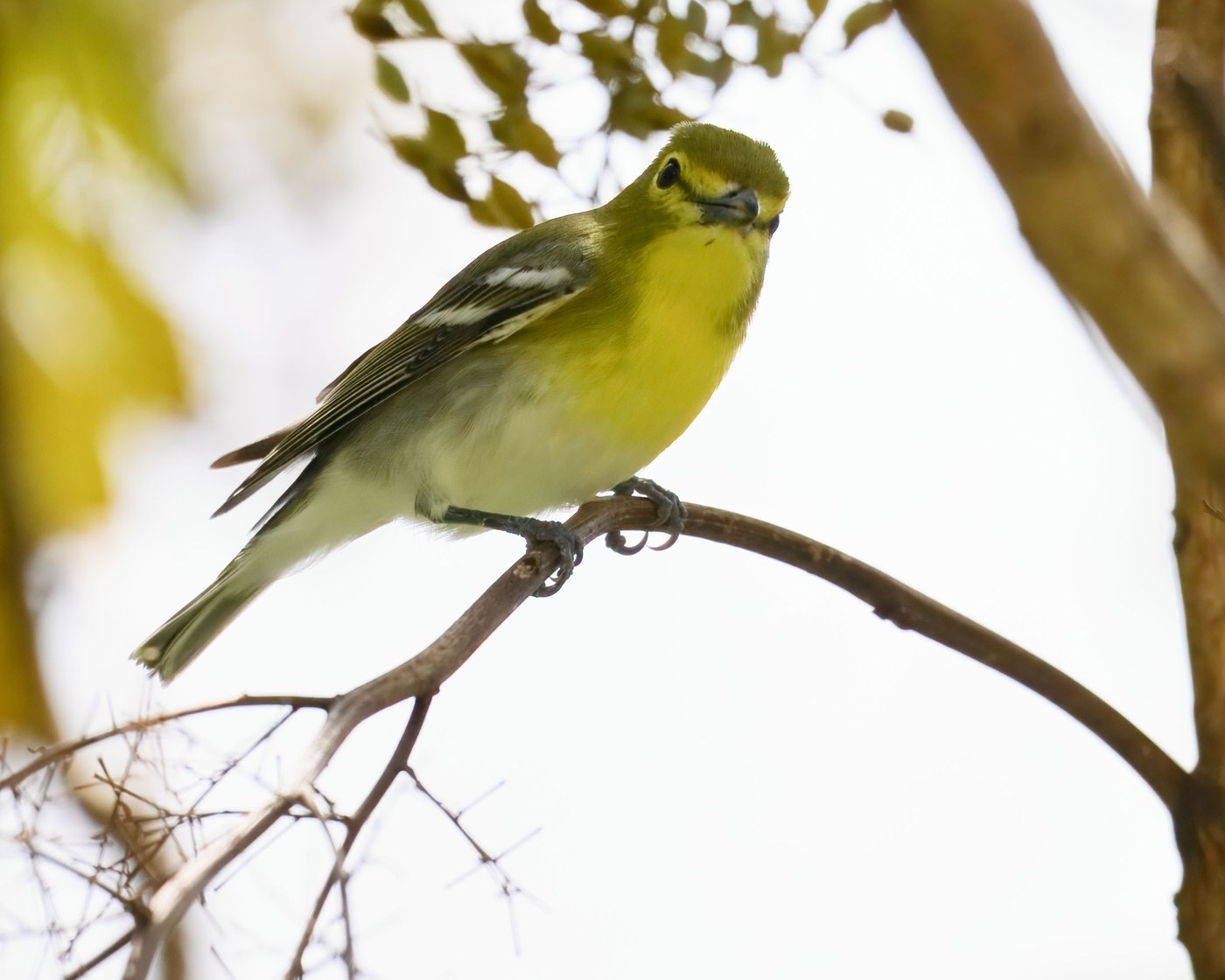
Yellow-throated Vireo
Bright yellow throat and spectacle feathers; olive-green back feathers; two white wing-bar feathers

Yellow-rumped Warbler
Small contour and flight feathers
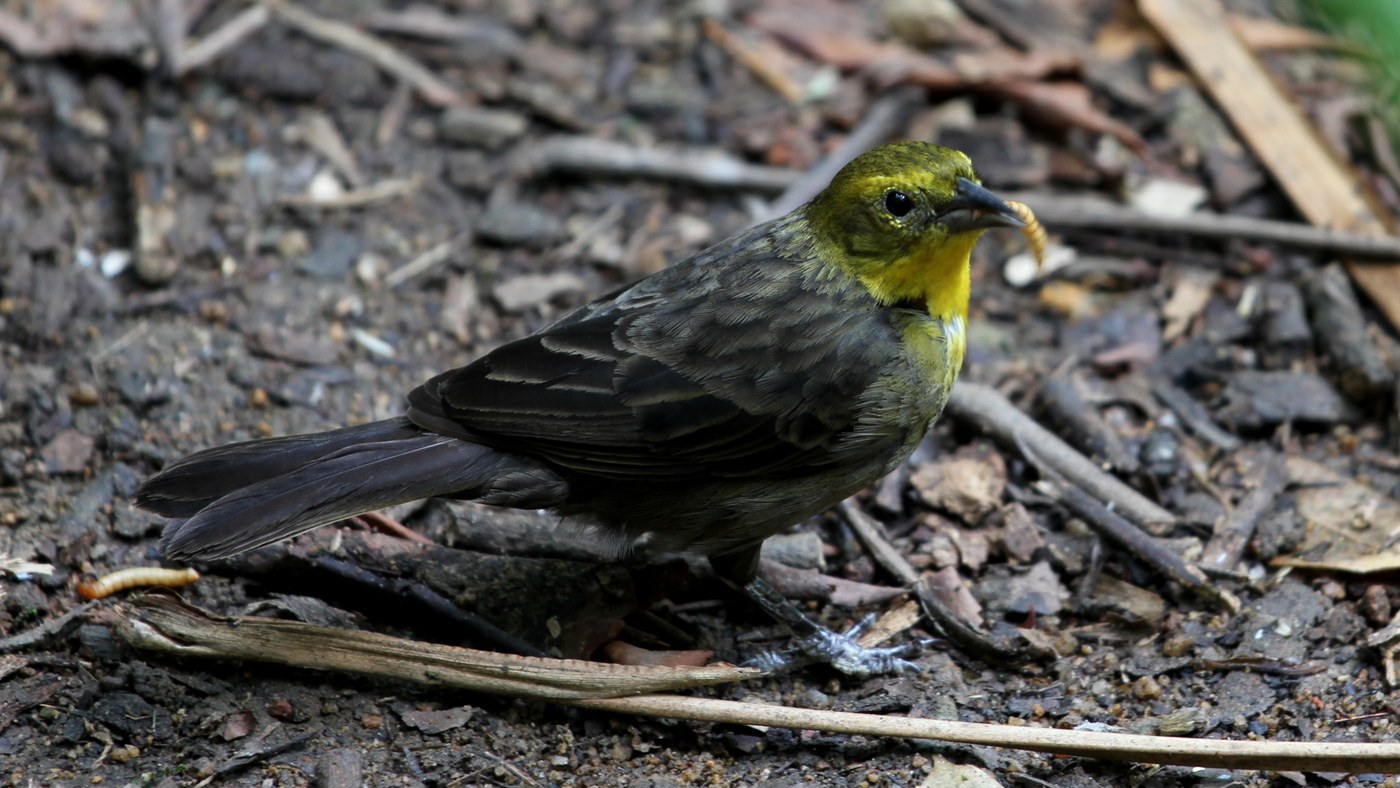
Yellow-hooded Blackbird
Contrasting hood and body feathers
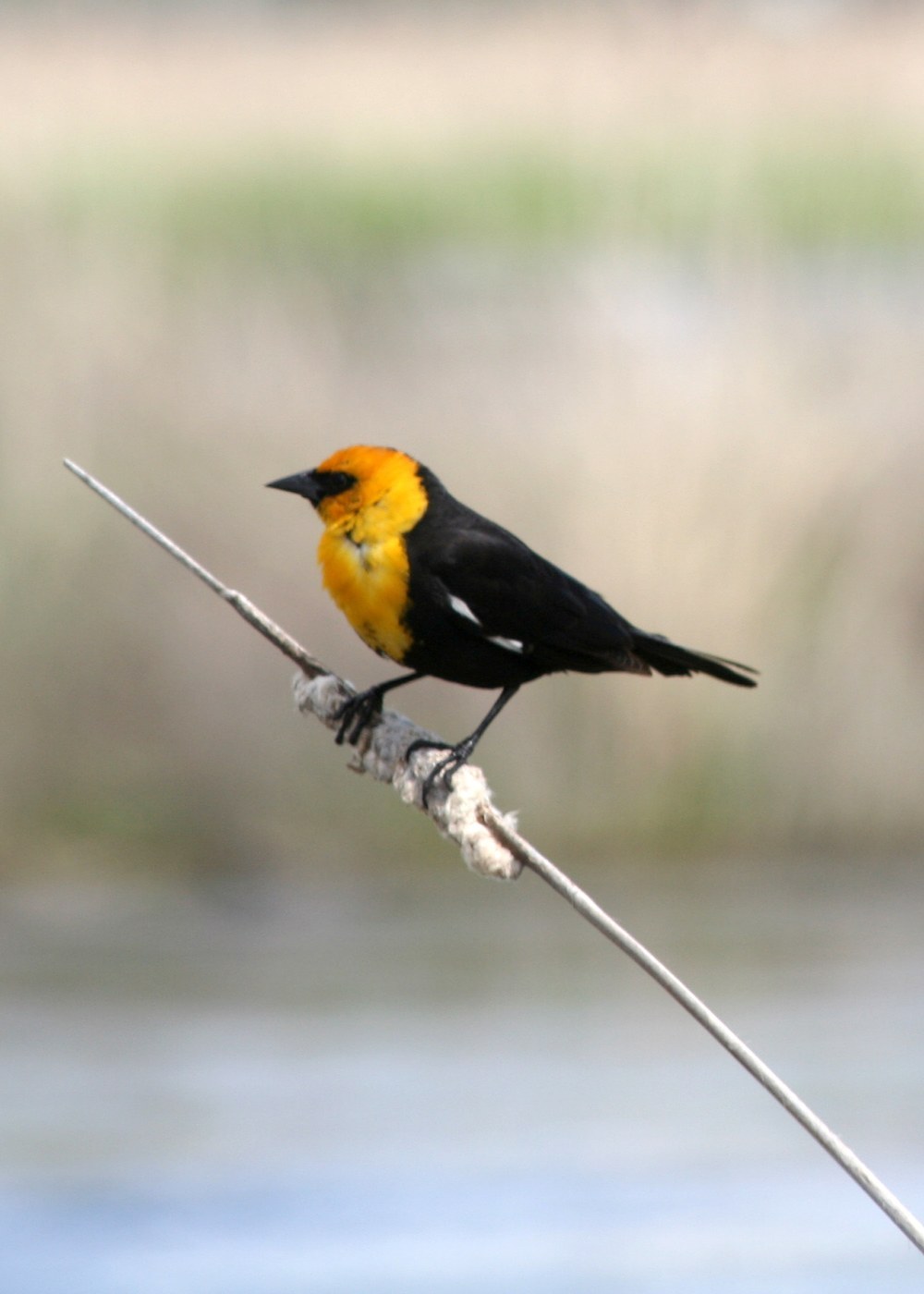
Yellow-headed Blackbird
Glossy black body plumage with a bright yellow head and breast

Yellow-eyed Junco
Contour and flight feathers

Yellow-fronted Canary
Small, smooth body plumage

Yellow-breasted Greenfinch
Compact, smooth body plumage