

Pomarine Jaeger
Stercorarius pomarinus
The largest and bulkiest of the jaegers, recognized in breeding adults by broad, spoon-twisted central tail feathers and heavily barred underwing coverts.
- Feather type
- Contour, flight, and distinctively twisted central tail feathers
- Colours
- Dark brown or blackish-brown, with barred underwing coverts
- Bird size
- Large jaeger, ~46-51 cm body, tail streamers add length
Found a feather like this?
Identify any feather from a photo, free.
Overview
The Pomarine Jaeger is a robust, gull-like seabird that breeds on Arctic tundra and spends the rest of the year over open ocean, often far from land. Breeding adults are distinguished from the smaller jaegers by their blunt, twisted central tail feathers, which project well beyond the rest of the tail.
Identifying the Feather
- Central tail feathers in breeding adults are broad-based, twisted, and blunt-tipped, unlike the pointed streamers of Parasitic Jaeger or the fine, whip-like streamers of Long-tailed Jaeger
- Underwing coverts show heavy barring, more pronounced than in the other jaegers, useful for identifying loose underwing feathers
- Occurs in light and dark morphs, with light-morph feathers showing a pale breast and belly contrasting with a dark brown cap, and dark-morph feathers uniformly blackish-brown
- Flight feathers are broad and powerful, reflecting a heavier, more direct flight style than the smaller jaegers
- Body feathers have a coarser texture overall, in keeping with the species' bulkier build
Plumage & Molt
- Breeding adults show elongated, twisted central tail feathers and, in light-morph birds, a dark cap contrasting with pale underparts and a variable dark breast band
- Dark-morph adults are blackish-brown overall with less obvious contrast
- Non-breeding adults and juveniles lack the elongated tail feathers and show more mottled, barred plumage overall
- Sexes are alike in plumage
- A complete molt occurs after breeding, with the ornamental tail feathers regrown for the following season
Habitat & Range
Pomarine Jaegers breed on Arctic tundra, particularly in areas with abundant small rodents, across northern Eurasia and North America. In the non-breeding season they range widely over open ocean, including tropical and subtropical waters, often well offshore, migrating farther south than the other jaegers on average.
Behavior & Field Notes
This species is a versatile predator and pirate, feeding on lemmings and other small mammals on the tundra during breeding season, and switching to fish, offal, and food stolen from other seabirds while at sea. It nests solitarily on open tundra, with breeding success closely tied to rodent population cycles. Its calls include harsh, gull-like notes given mainly on the breeding grounds.
Frequently asked questions
How do I recognize a Pomarine Jaeger feather by its tail shape?
Breeding adults have broad, twisted, blunt-tipped central tail feathers that look distinctly different from the narrow pointed streamers of Parasitic Jaeger or the slender whip-like ones of Long-tailed Jaeger.
What do Pomarine Jaeger underwing feathers look like?
The underwing coverts are heavily barred, more so than in the smaller jaegers, which can help identify a loose underwing feather.
Does the Pomarine Jaeger have color morphs?
Yes, it occurs in light and dark morphs, with light birds showing a pale body and dark cap and dark-morph birds appearing uniformly blackish-brown.
Pomarine Jaeger guides
In-depth guides for identifying and understanding Pomarine Jaeger.

Other feathers you may enjoy

Western Gull
Body, flight, and tail feathers
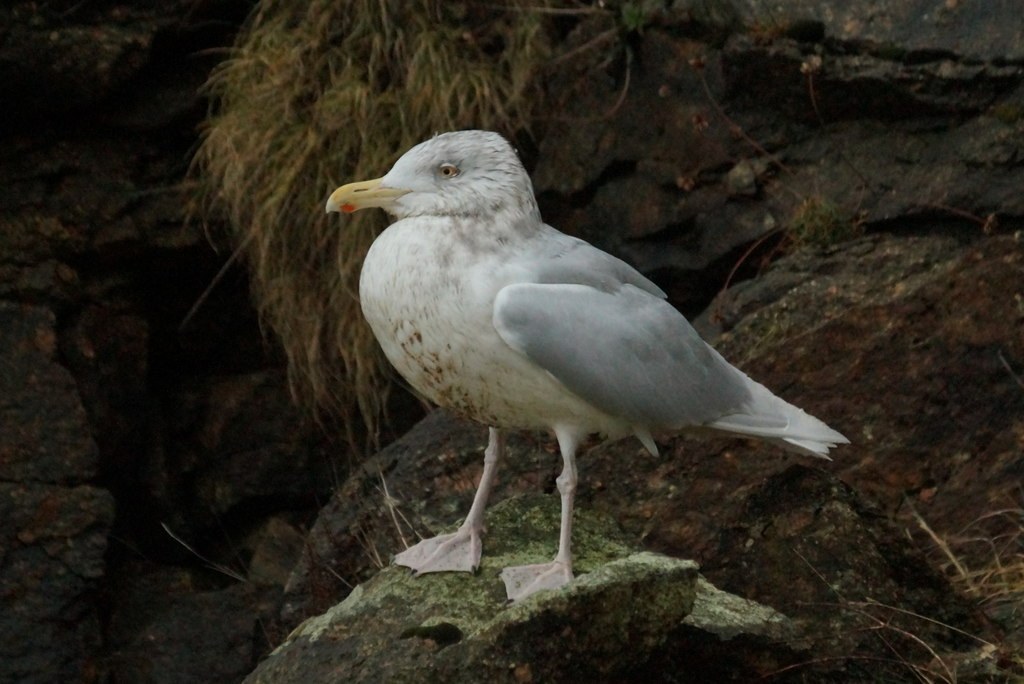
Glaucous Gull
Body, flight, and tail feathers

American Herring Gull
Body, flight, and tail feathers

Great Black-backed Gull
Body, flight, and tail feathers

Common Gull
Body, flight, and tail feathers
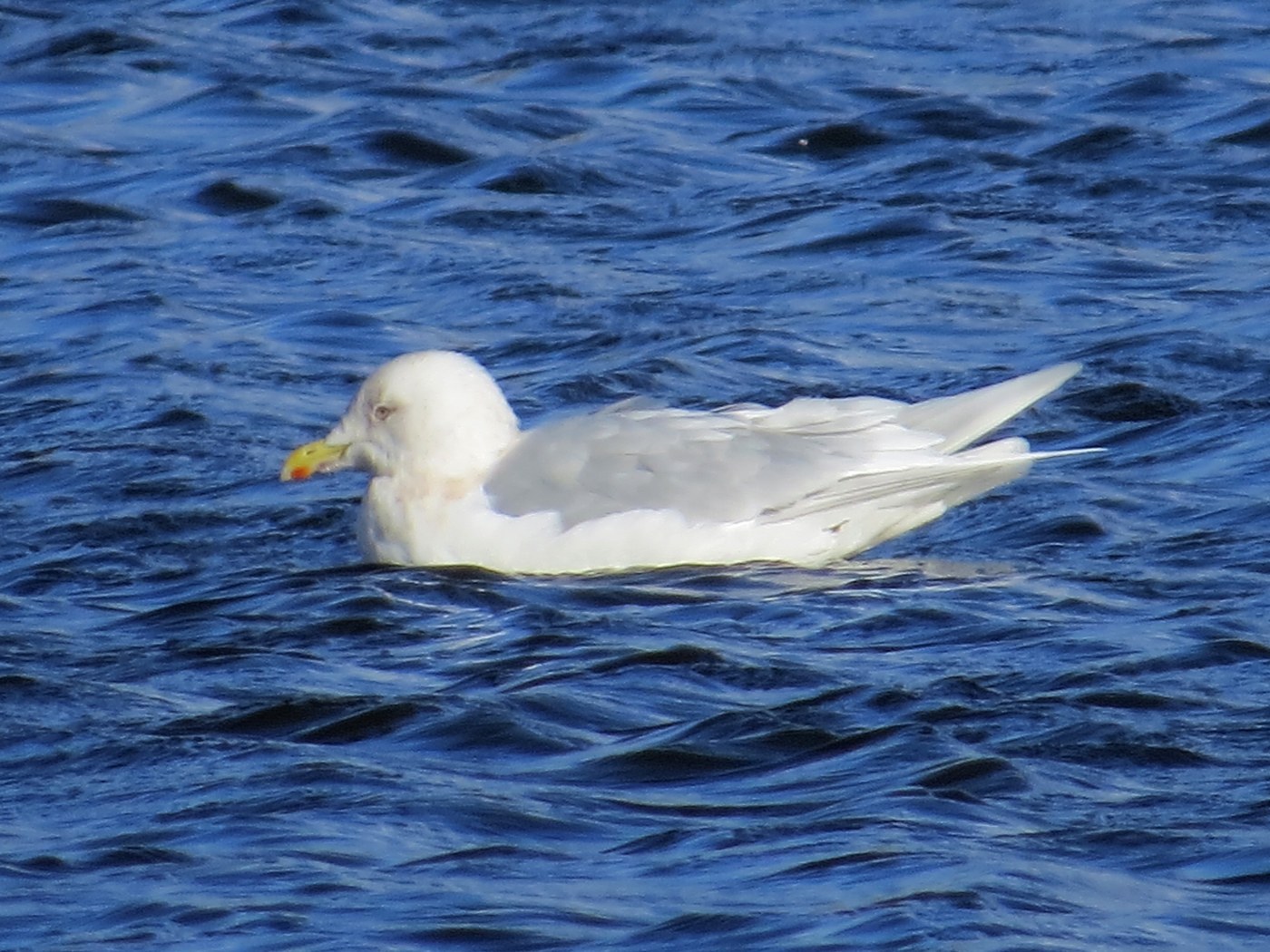
Iceland Gull
Body, flight, and tail feathers

Ring-billed Gull
Body, flight, and tail feathers

Glaucous-winged Gull
Body, flight, and tail feathers

Herring Gull
Body, flight, and tail feathers

Lesser Black-backed Gull
Body, flight, and tail feathers

California Gull
Body, flight, and tail feathers
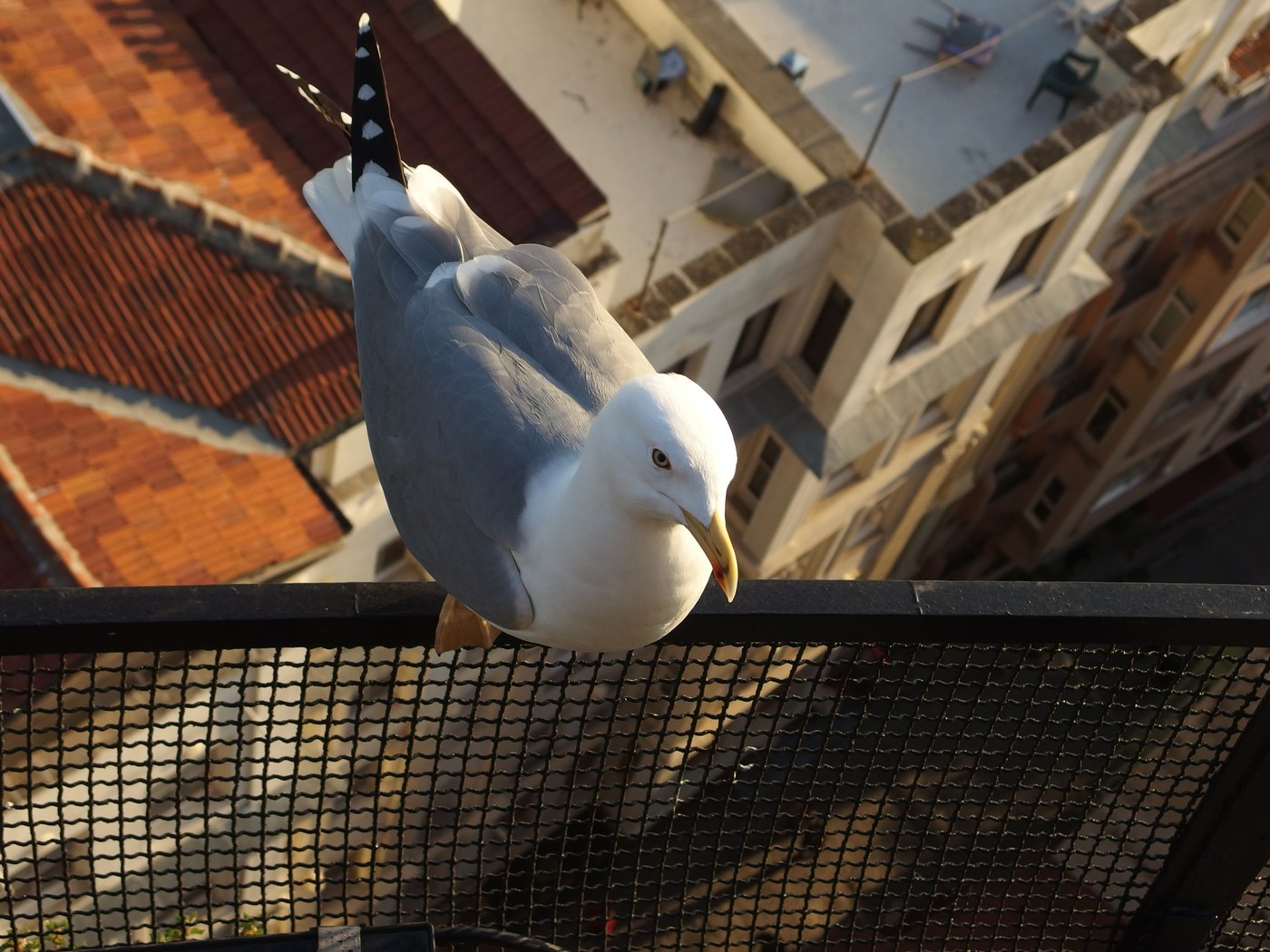
Yellow-legged Gull
Body, wing covert, and flight feathers