

Prothonotary Warbler
Protonotaria citrea
A vivid golden-yellow warbler of wooded swamps and flooded bottomland forest, one of the few warbler species that nests in tree cavities.
- Feather type
- Small, soft contour feathers; vivid golden-yellow head and underparts
- Colours
- Vivid golden-yellow head and underparts, blue-gray wings and tail, olive back
- Bird size
- Sparrow-sized, ~14 cm
Found a feather like this?
Identify any feather from a photo, free.
Overview
Overview
The Prothonotary Warbler is a brilliantly colored warbler of flooded bottomland forest and wooded swamps across the southeastern and south-central United States. Its intense golden-yellow head and underparts, combined with blue-gray wings and tail, make it one of the most vividly colored North American warblers, and its association with standing water and dead or dying trees gives it a strong tie to swamp and floodplain habitats.
Unusual among warblers, this species nests in tree cavities, often old woodpecker holes, typically over or very near water, and readily takes to artificial nest boxes placed in suitable swamp habitat.
Identifying the Feather
Feather Identification
- Head and underparts: Feathers on the head, throat, breast, and belly are an intense, saturated golden-yellow, among the brightest yellow tones of any North American warbler.
- Wings and tail: Wing and tail feathers are blue-gray, providing strong contrast against the golden-yellow head and body; no wing bars are present.
- Back: Back feathers show an olive-yellow to olive-green tone, transitioning between the yellow head and gray wings.
- Tail pattern: Outer tail feathers show white patches, visible from below when the tail is spread.
- Undertail coverts: These feathers are white, contrasting with the yellow belly above.
- Size and shape: A fairly stout body and moderately long bill support its cavity-nesting and swamp-foraging habits.
Plumage & Molt
Plumage Details
Adult males show the most intensely saturated golden-yellow head and underparts, with the richest contrast against the blue-gray wings. Adult females are similar but slightly duller, with a somewhat less vivid yellow tone, particularly on the head. Immatures resemble adult females but can appear even less saturated, especially in their first fall.
A complete molt occurs on the breeding grounds in late summer, and plumage remains fairly stable through migration and winter, with the vivid golden-yellow color largely retained rather than fading substantially into a duller nonbreeding plumage.
Habitat & Range
Habitat & Range
Prothonotary Warblers breed in flooded bottomland hardwood forest, wooded swamps, and other habitats with standing or slow-moving water and suitable dead or dying trees for cavity nesting, across the southeastern and south-central United States, extending north locally along major river systems.
This species is a long-distance migrant, wintering primarily in mangrove forests and other coastal wetland habitats from Central America into northern South America, again showing a strong association with wooded wetland environments year-round.
Behavior & Field Notes
Behavior & Field Notes
This warbler forages actively over and near water, gleaning insects and other invertebrates from low branches, snags, and foliage close to the water's surface, and it will also forage on floating debris and in flooded vegetation.
The nest is built in a tree cavity, frequently an old woodpecker hole, typically over or very close to water, and the species readily accepts artificial nest boxes placed in suitable swamp habitat, a trait that has aided conservation and monitoring efforts. The song is a series of loud, ringing, repeated notes often rendered as "tweet-tweet-tweet-tweet," carrying well across open swamp habitat. Its striking color and cavity-nesting habits make it a popular subject for nest box programs in southeastern wetland areas.
Frequently asked questions
What makes the Prothonotary Warbler's feathers so distinctive?
Its intensely saturated golden-yellow head and underparts contrasted against blue-gray wings and tail create one of the brightest and cleanest color combinations among North American warblers.
Does the Prothonotary Warbler have wing bars?
No, its wings are plain blue-gray without wing bars, keeping the visual emphasis on the contrast with the yellow body.
Why is this species unusual among warblers?
It nests in tree cavities, often old woodpecker holes, typically over or near water, unlike most warblers that build open cup nests in vegetation.
What habitat is essential for this species?
Flooded bottomland forest and wooded swamps with standing or slow-moving water and suitable trees for cavity nesting.
Prothonotary Warbler guides
In-depth guides for identifying and understanding Prothonotary Warbler.

Other feathers you may enjoy

Yellow-breasted Bunting
Contour and flight feathers, chestnut-and-yellow breeding pattern
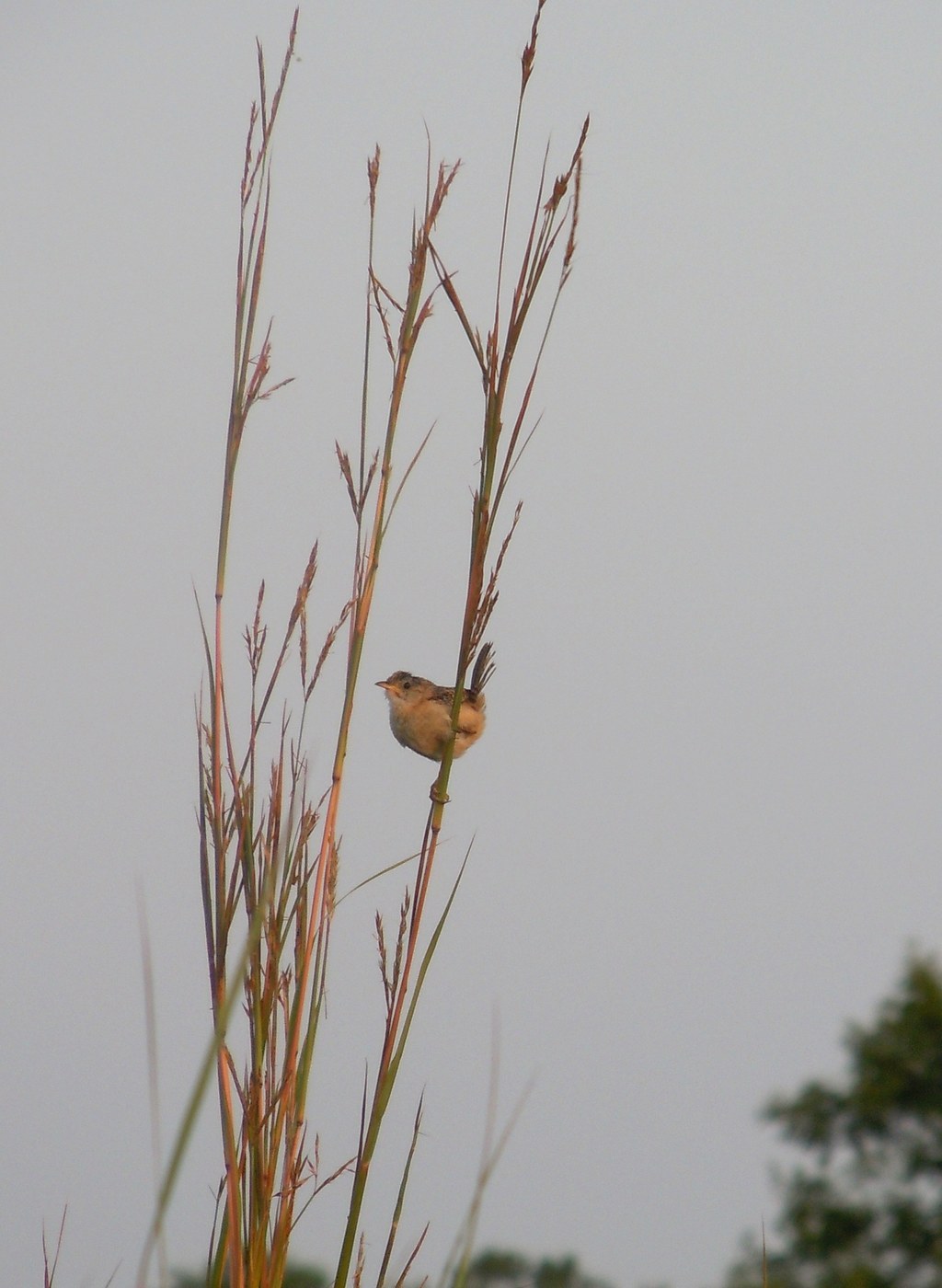
Sedge Wren
Tiny streaked crown and back feathers

Yellow-winged Cacique
Glossy black body feathers, yellow wing patch, shaggy crest

Yellow Warbler
Small contour and flight feathers
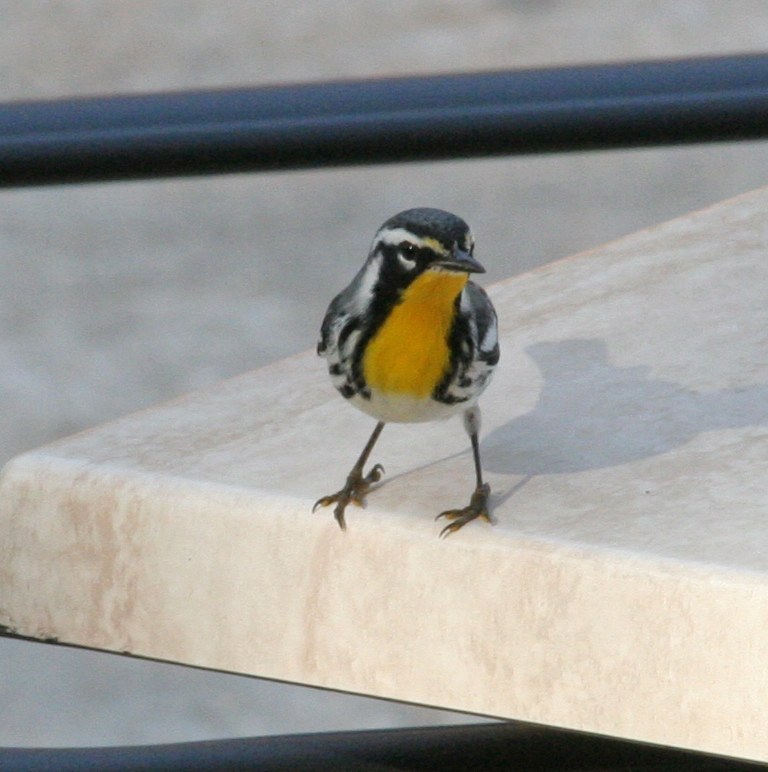
Yellow-throated Warbler
Small contour and flight feathers
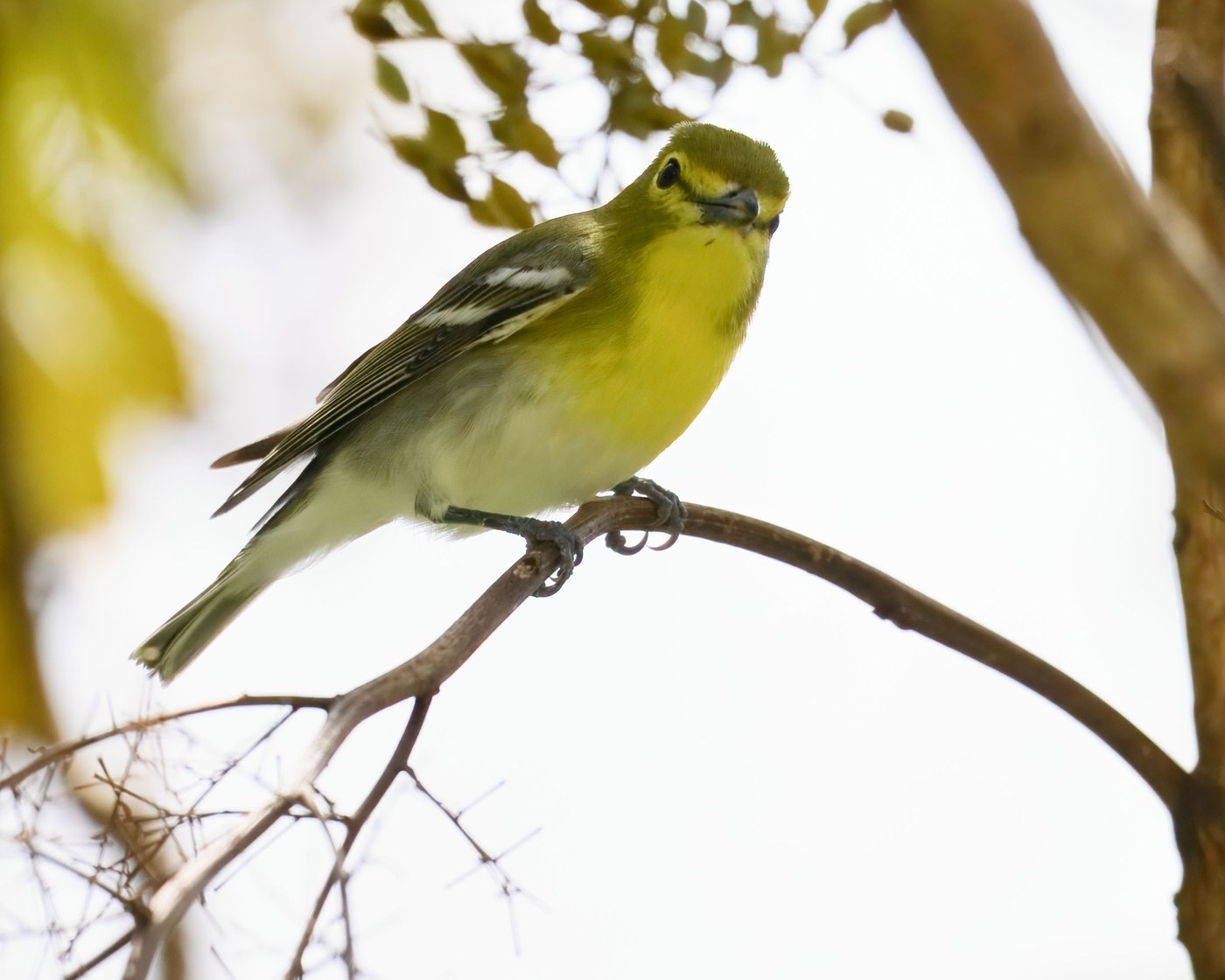
Yellow-throated Vireo
Bright yellow throat and spectacle feathers; olive-green back feathers; two white wing-bar feathers

Yellow-rumped Warbler
Small contour and flight feathers
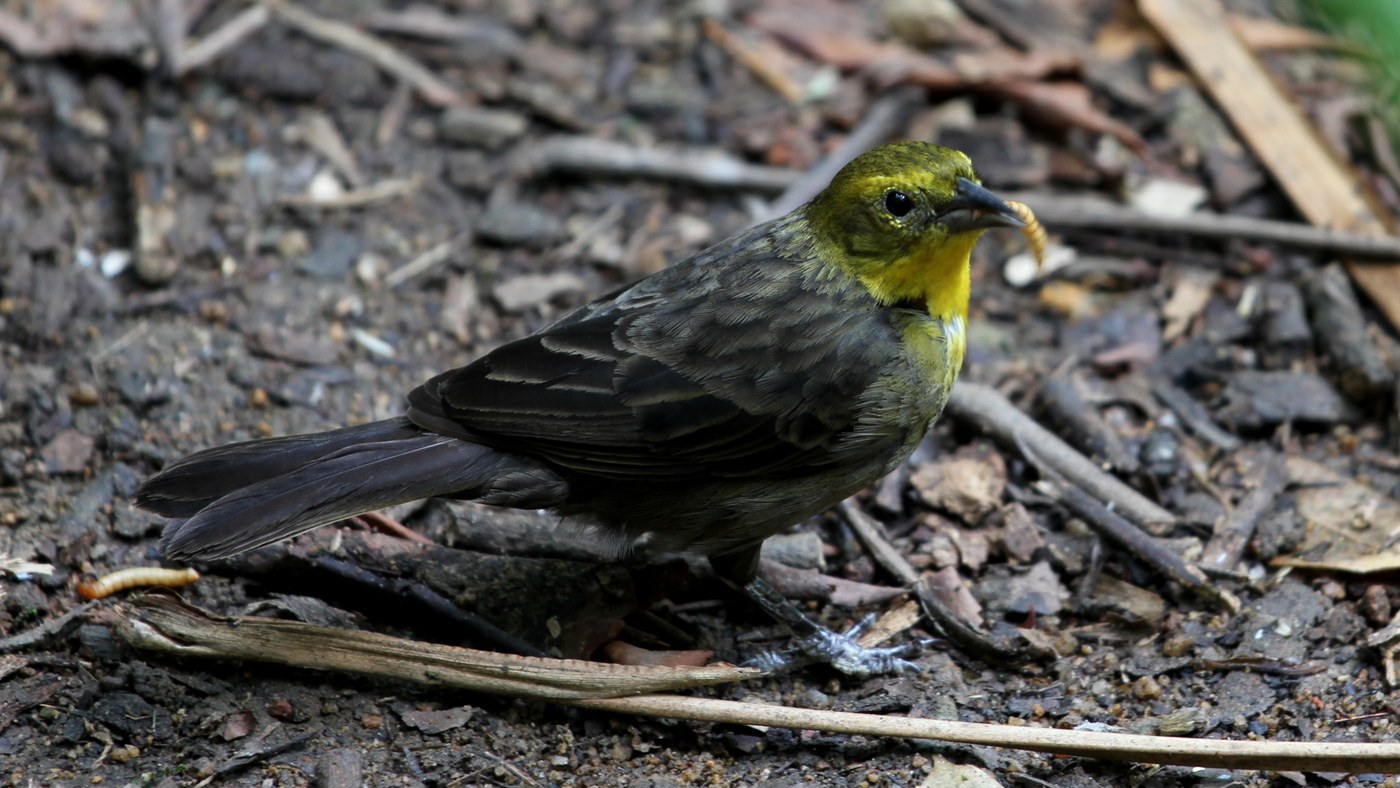
Yellow-hooded Blackbird
Contrasting hood and body feathers
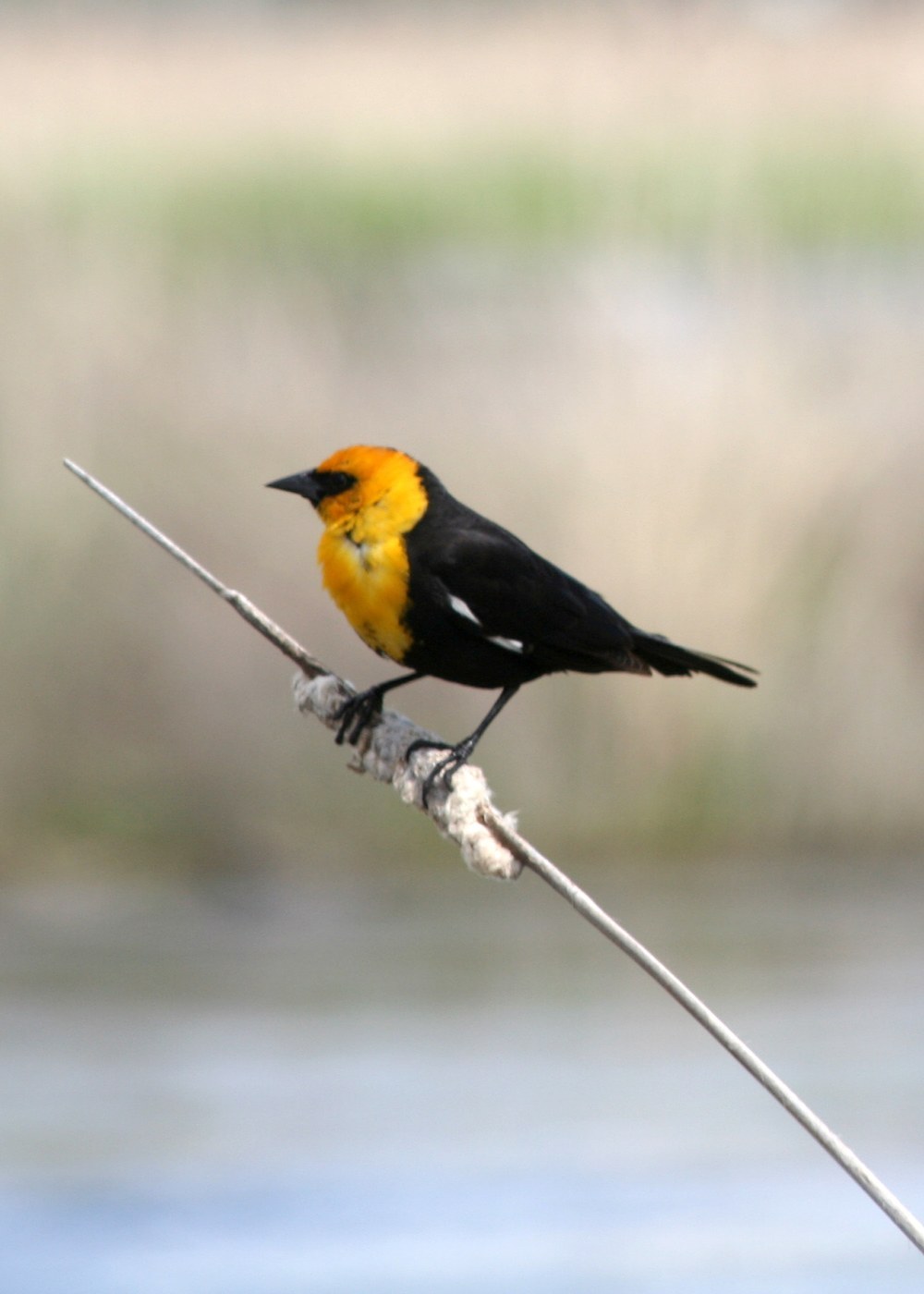
Yellow-headed Blackbird
Glossy black body plumage with a bright yellow head and breast

Yellow-eyed Junco
Contour and flight feathers

Yellow-fronted Canary
Small, smooth body plumage

Yellow-breasted Greenfinch
Compact, smooth body plumage