

Purple Martin
Progne subis
The largest North American swallow, with males showing an all-over glossy blue-black sheen and females a duller gray-brown, pale-bellied pattern.
- Feather type
- Contour and flight feathers
- Colours
- Glossy blue-black (male); duller gray-brown with pale underparts (female)
- Bird size
- Robin-sized, ~20 cm
Found a feather like this?
Identify any feather from a photo, free.
Overview
Overview
The Purple Martin is the largest swallow in North America, widely associated with human-provided housing such as multi-compartment martin houses and hanging gourds, which have become the primary nesting sites for eastern populations. Its glossy plumage and social nesting habits make it a familiar and popular species across much of its breeding range.
Adult males are entirely glossy blue-black with an iridescent sheen visible in good light, while females and immature birds are considerably duller, showing gray-brown upperparts and paler, mottled grayish underparts rather than the male's uniform dark coloring.
Identifying the Feather
Feather ID Notes
Adult male Purple Martin feathers are glossy blue-black over the entire body, with a strong iridescent sheen especially visible on the head and back in good light. Female and immature feathers are considerably duller, showing gray-brown upperparts and pale, grayish, somewhat mottled underparts, lacking the male's uniform dark coloring.
- Male feathers (all body regions): glossy blue-black, iridescent
- Female upperpart feathers: gray-brown, less glossy than males
- Female underpart feathers: pale grayish with some mottling, contrasting with the male's dark underparts
- Larger overall size than other North American swallows is a useful supporting clue The combination of large size and, in males, all-over glossy blue-black coloring readily separates this species from Tree Swallow and other North American swallows, which show white underparts in both sexes.
Plumage & Molt
Plumage Details
This species shows marked sexual dimorphism, with adult males glossy blue-black overall and females and immatures much duller with pale, mottled underparts. Young males take more than a year to acquire full adult plumage, often showing a patchy mix of dark and pale feathering during the transition. There is no distinct seasonal plumage change beyond this age-related maturation process.
Habitat & Range
Habitat & Range
Purple Martins breed across much of North America, particularly in open areas near water, with eastern populations now nesting almost exclusively in artificial martin houses and gourds provided by landowners, while western populations more often use natural cavities. They are long-distance migrants, wintering in South America, particularly in the Amazon basin region.
Behavior & Field Notes
Behavior & Field Notes
This species forages on the wing over open areas and water, catching flying insects at varying heights, often foraging higher than many other swallow species. Diet consists almost entirely of flying insects. Nests are built within cavities, whether natural or the compartments of artificial martin houses and gourds, often in loose colonies. Calls include a rich, gurgling, warbling song, often delivered from near the nest site or in flight, and considered one of the more musical vocalizations among North American swallows.
Frequently asked questions
How do male and female Purple Martins differ?
Males are glossy blue-black overall, while females and immatures are duller gray-brown above with pale, mottled underparts.
Why is this species closely tied to human housing?
Eastern populations nest almost exclusively in artificial martin houses and gourds provided by people, a habit built up over generations.
How big is the Purple Martin compared to other swallows?
It is the largest swallow species in North America, noticeably bigger than Tree Swallow or Bank Swallow.
Where does the Purple Martin spend winter?
It migrates long distances to South America, especially the Amazon basin region.
Purple Martin guides
In-depth guides for identifying and understanding Purple Martin.

Other feathers you may enjoy

Yellow-breasted Bunting
Contour and flight feathers, chestnut-and-yellow breeding pattern
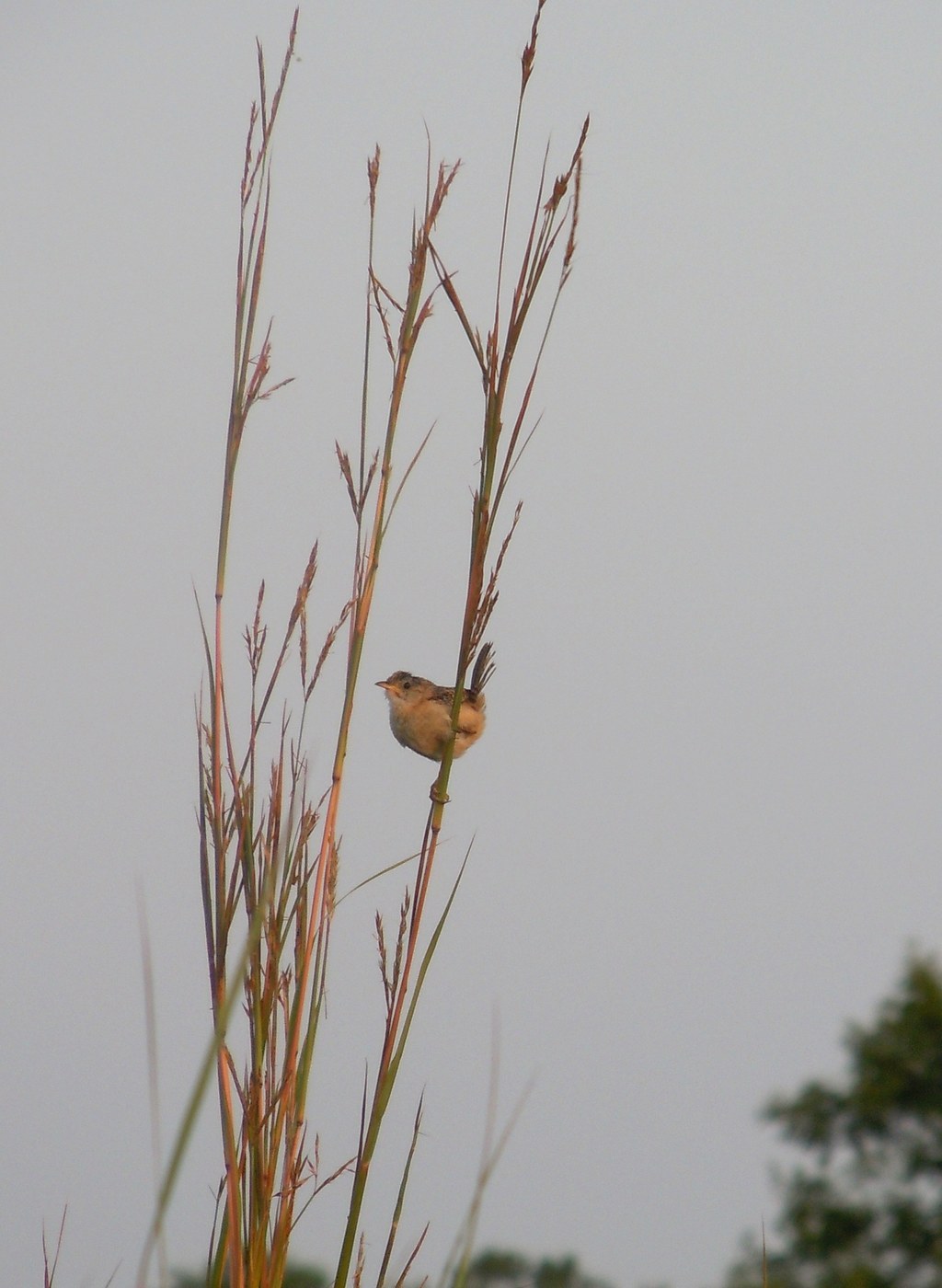
Sedge Wren
Tiny streaked crown and back feathers

Yellow-winged Cacique
Glossy black body feathers, yellow wing patch, shaggy crest

Yellow Warbler
Small contour and flight feathers
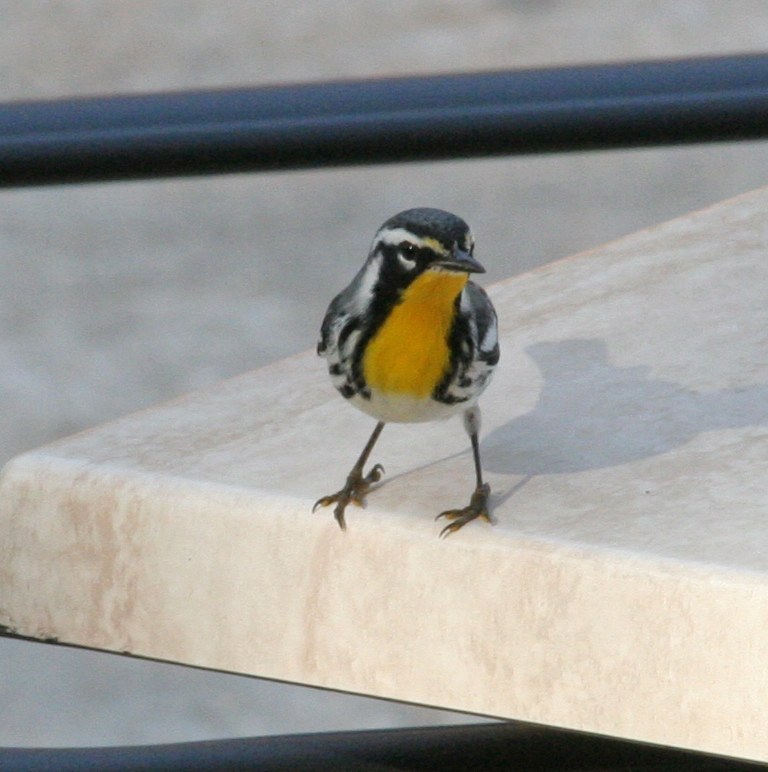
Yellow-throated Warbler
Small contour and flight feathers
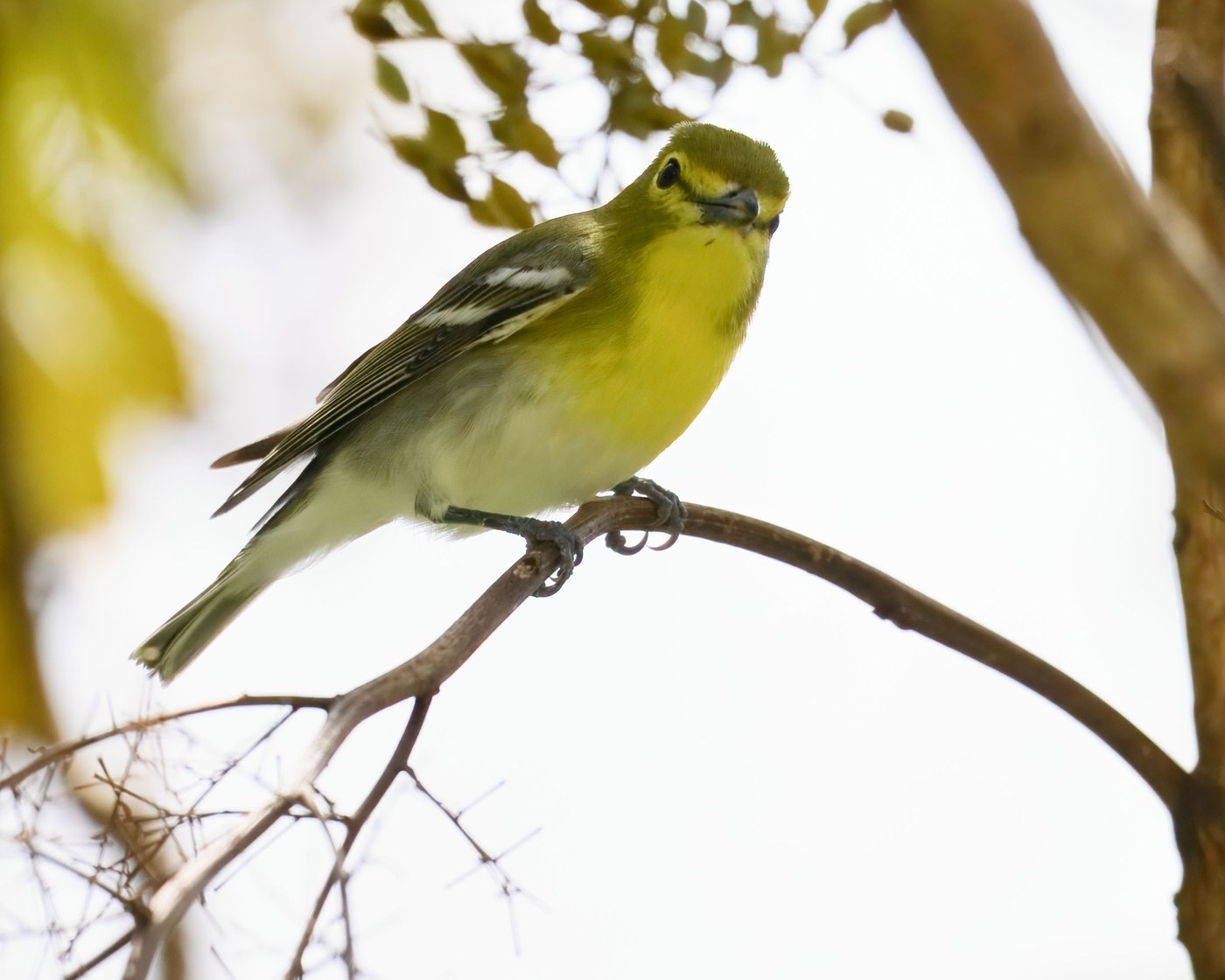
Yellow-throated Vireo
Bright yellow throat and spectacle feathers; olive-green back feathers; two white wing-bar feathers

Yellow-rumped Warbler
Small contour and flight feathers
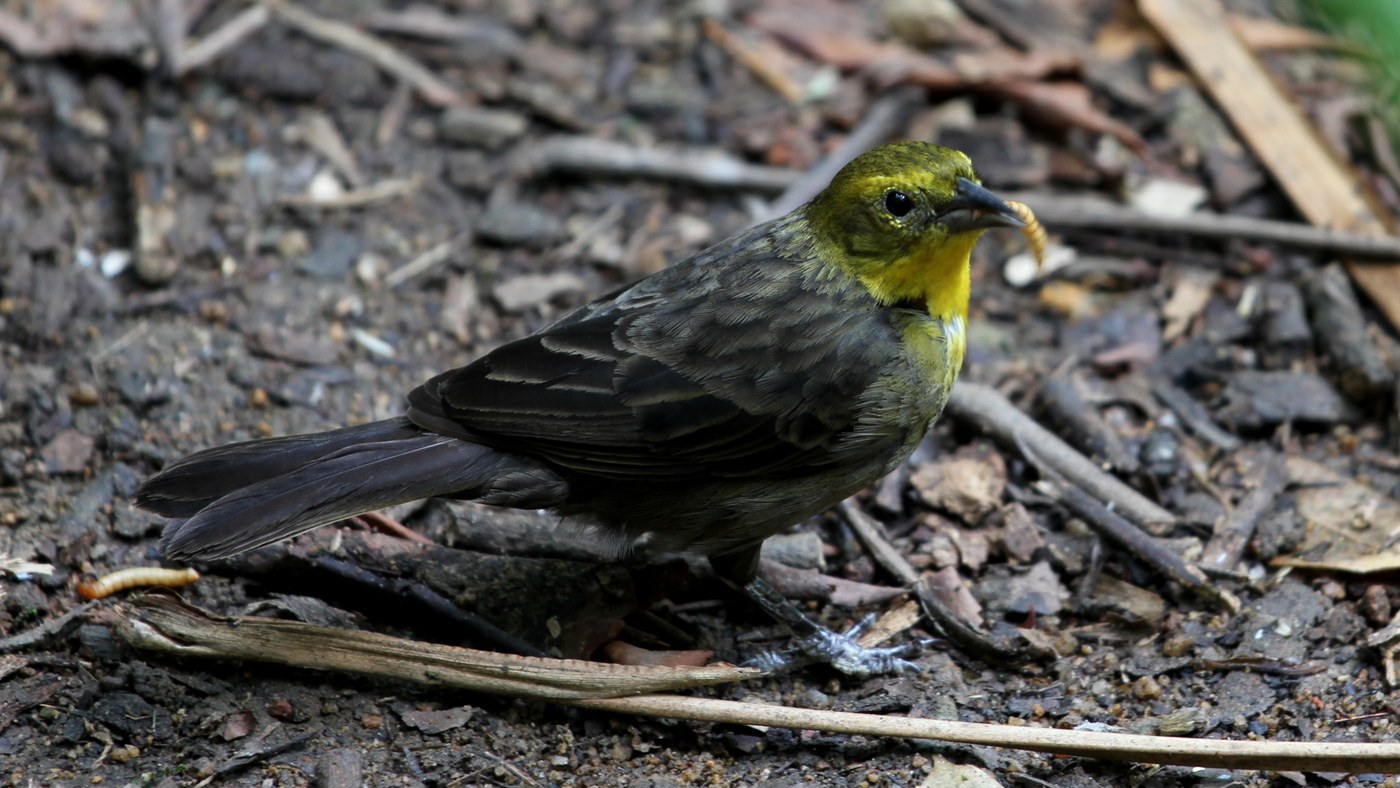
Yellow-hooded Blackbird
Contrasting hood and body feathers
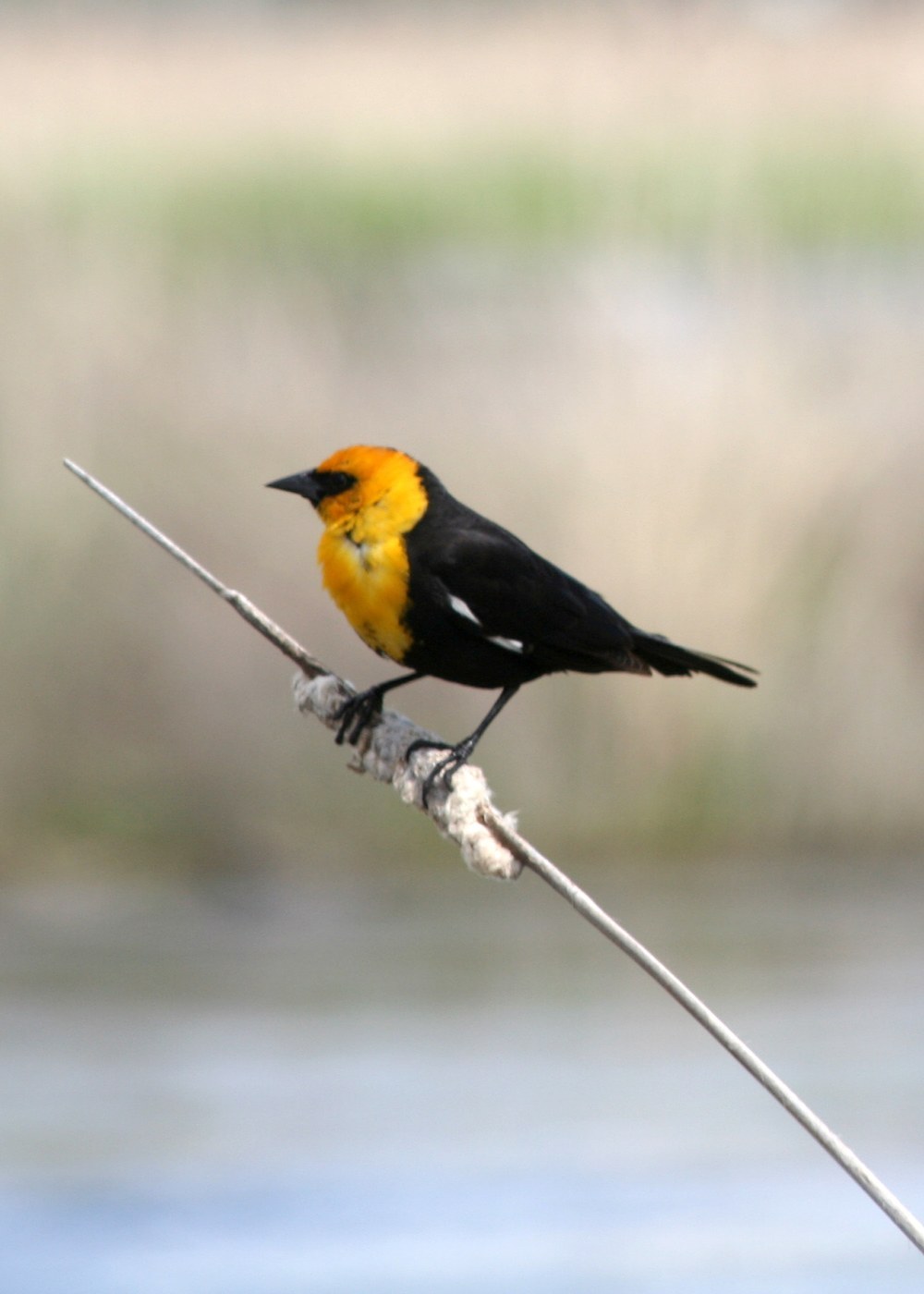
Yellow-headed Blackbird
Glossy black body plumage with a bright yellow head and breast

Yellow-eyed Junco
Contour and flight feathers

Yellow-fronted Canary
Small, smooth body plumage

Yellow-breasted Greenfinch
Compact, smooth body plumage