
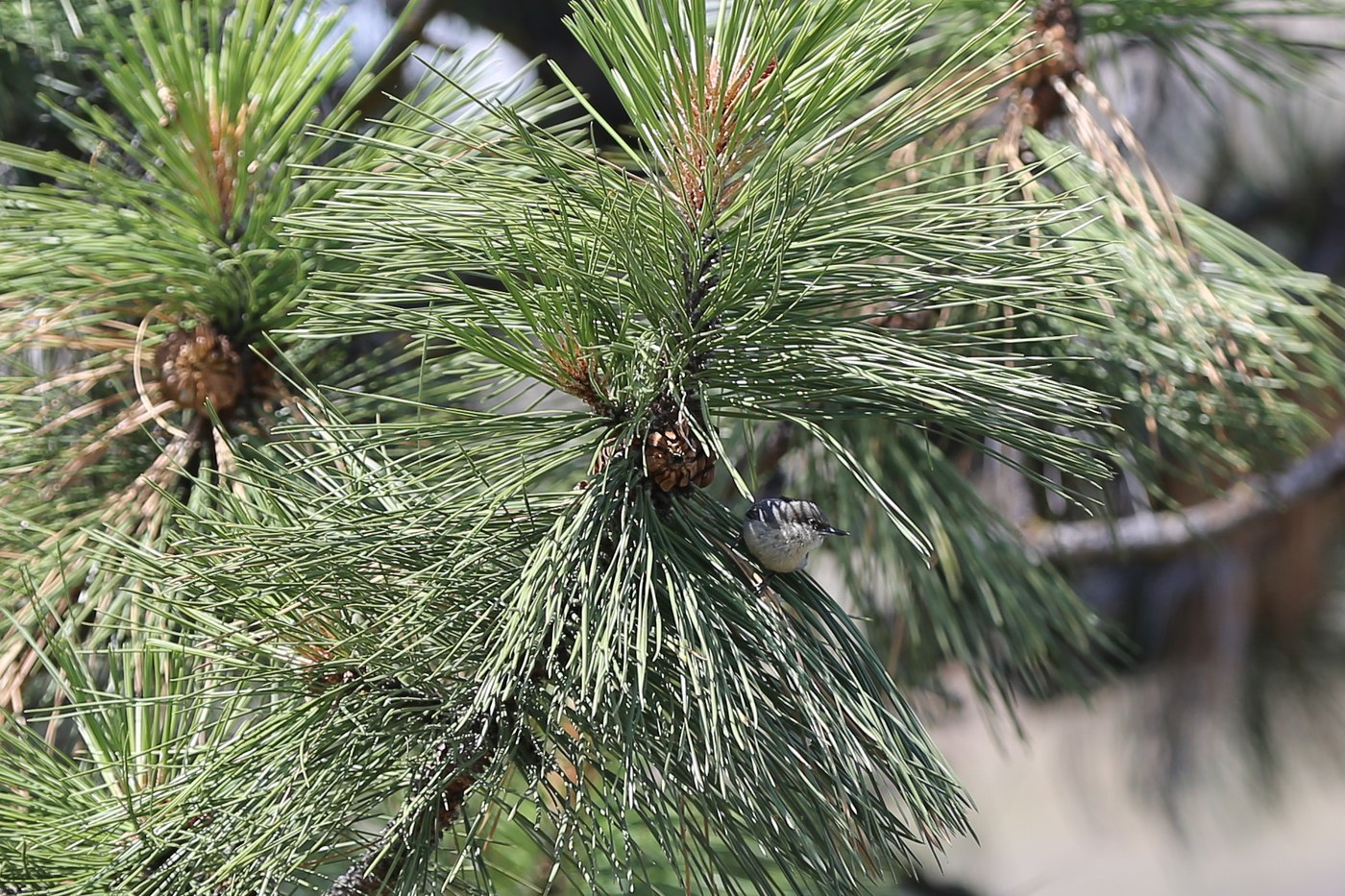
Pygmy Nuthatch
Sitta pygmaea
The Pygmy Nuthatch is a tiny, highly social western pine-forest nuthatch whose dull gray-brown cap and small feather size distinguish it from other nuthatches.
- Feather type
- Blue-gray back feathers; tiny body feathers; grayish-brown cap feathers
- Colours
- Gray-brown cap, blue-gray back, pale buffy-white underside
- Bird size
- Very small, ~10-11 cm
Found a feather like this?
Identify any feather from a photo, free.
Overview
Overview
The Pygmy Nuthatch is a tiny, highly social nuthatch of western ponderosa pine forests, often found in noisy family groups moving through pine canopies. Its small size and gray-brown cap distinguish it from other nuthatches sharing similar blue-gray backs.
Because it roosts communally in tree cavities, especially in winter, feathers can sometimes be found clustered near shared roost trees.
Identifying the Feather
Recognizing the Feathers
- Cap feathers: grayish-brown, duller than the black-capped White-breasted Nuthatch
- Back feathers: blue-gray, unbarred
- Underside feathers: pale buffy-white
- Overall size: tiny, among the smallest nuthatch feathers
The dull gray-brown cap paired with very small overall feather size is the best clue; range in western pine forest further supports identification.
Plumage & Molt
Plumage
Sexes look alike, with a grayish-brown cap, blue-gray back, and pale underside. Juveniles resemble adults. One molt occurs annually after breeding.
Habitat & Range
Habitat & Range
Pygmy Nuthatches are closely tied to open ponderosa pine and other pine forests across the western United States, from the Rocky Mountains to the Pacific coast ranges. They are non-migratory permanent residents.
Behavior & Field Notes
Behavior & Field Notes
This species forages in pine needle clusters for insects and seeds, travels in large, chattering family groups, and roosts communally in tree cavities, sometimes with dozens of individuals huddling together on cold nights. Its call is a high, rapid chattering. Small, dull gray-brown-capped feathers found near pine roost trees in the west are a good match for this species.
Frequently asked questions
How can I tell a Pygmy Nuthatch feather from a White-breasted Nuthatch feather?
Pygmy Nuthatch feathers are much smaller and show a dull gray-brown cap rather than solid black.
Where does this species live?
Open ponderosa pine forests of the western United States.
Does the Pygmy Nuthatch roost in groups?
Yes, it often roosts communally in tree cavities, especially in winter.
Is this one of the larger nuthatches?
No, it's one of the smallest, similar in size to the Brown-headed Nuthatch.
Pygmy Nuthatch guides
In-depth guides for identifying and understanding Pygmy Nuthatch.
Other feathers you may enjoy

Yellow-breasted Bunting
Contour and flight feathers, chestnut-and-yellow breeding pattern
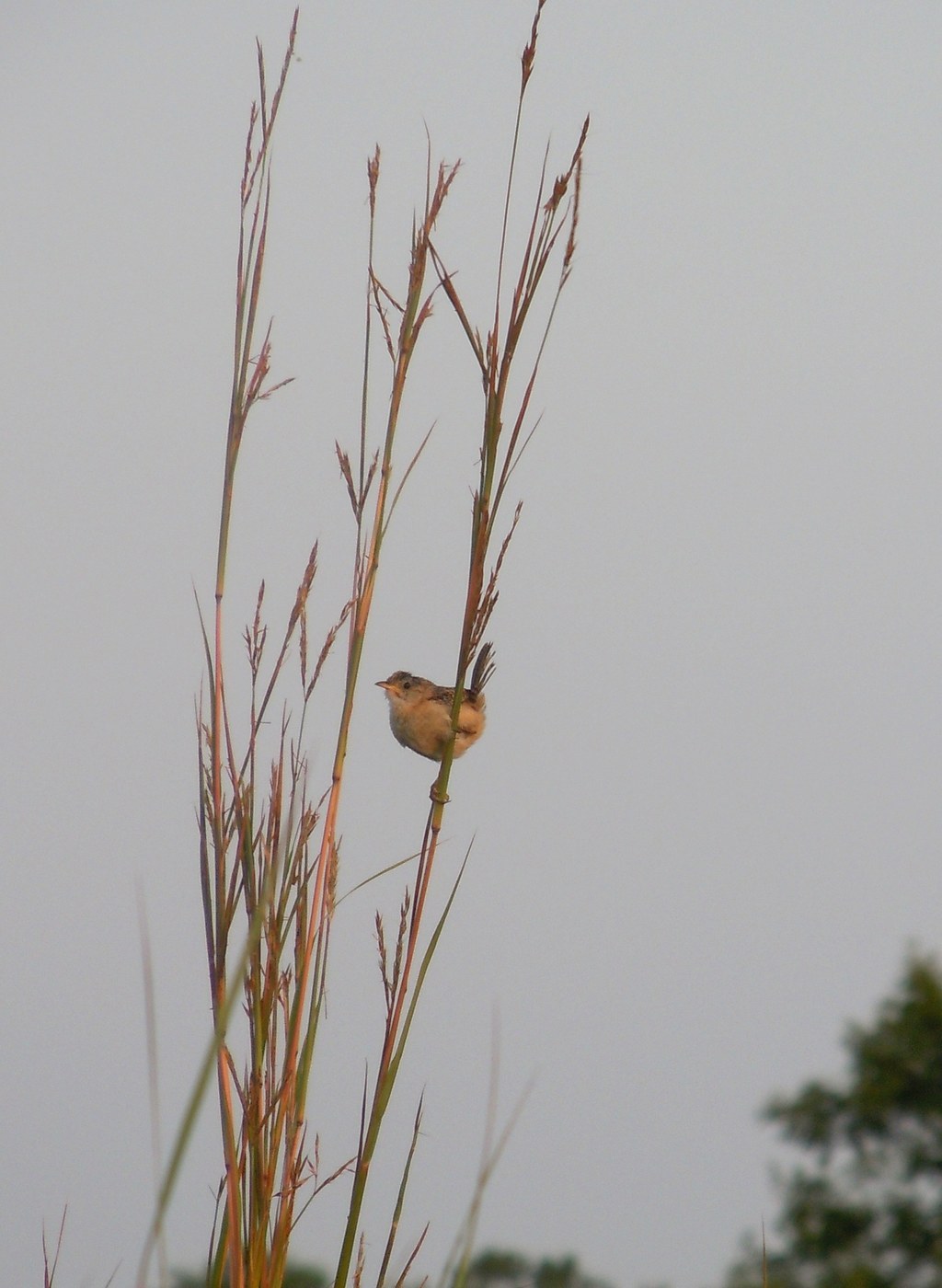
Sedge Wren
Tiny streaked crown and back feathers

Yellow-winged Cacique
Glossy black body feathers, yellow wing patch, shaggy crest

Yellow Warbler
Small contour and flight feathers
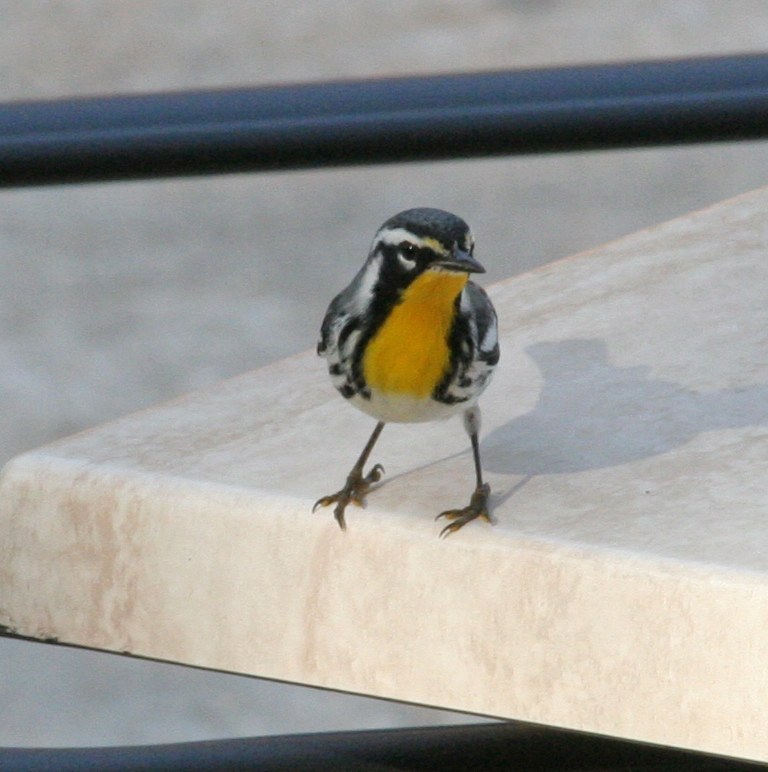
Yellow-throated Warbler
Small contour and flight feathers
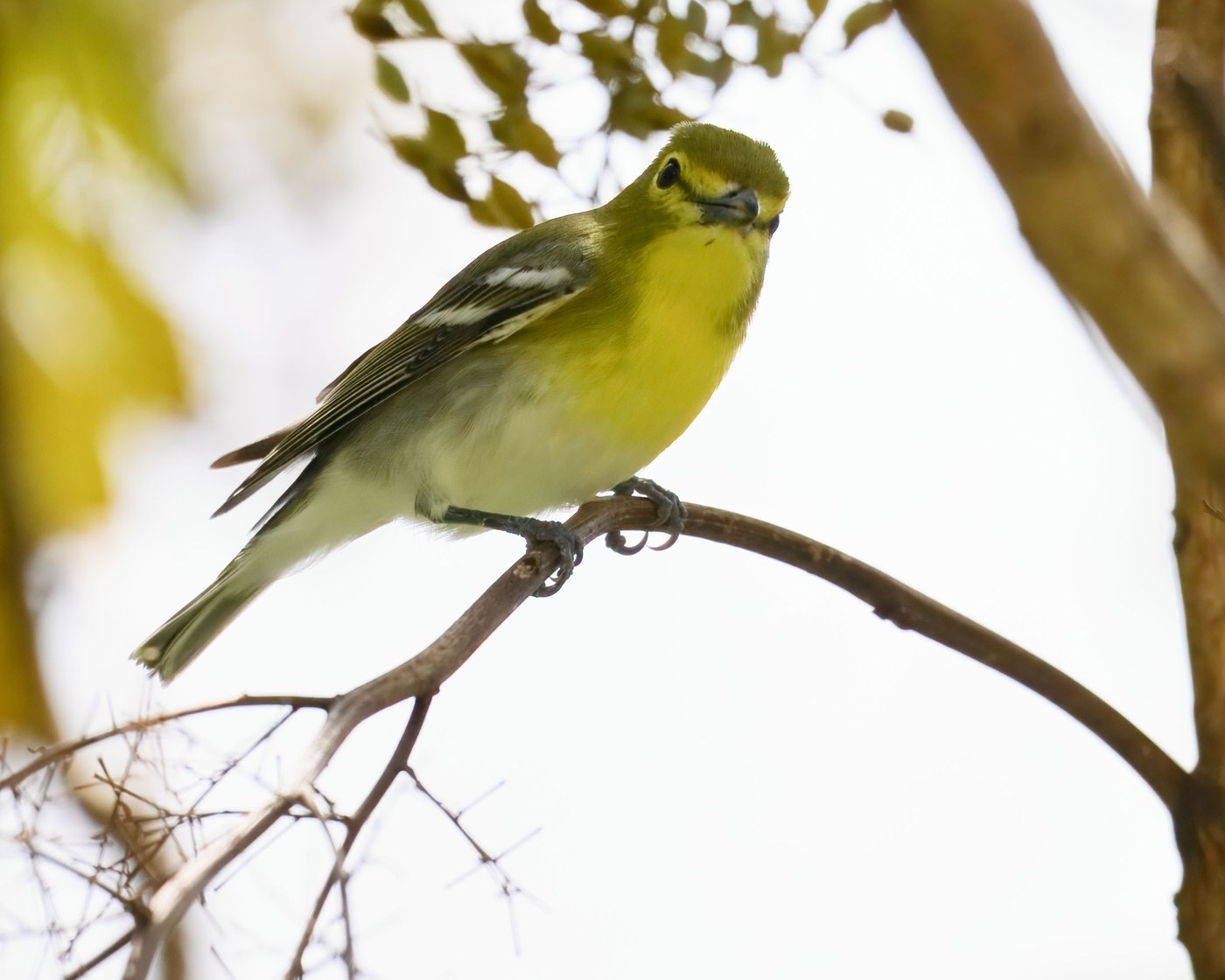
Yellow-throated Vireo
Bright yellow throat and spectacle feathers; olive-green back feathers; two white wing-bar feathers

Yellow-rumped Warbler
Small contour and flight feathers
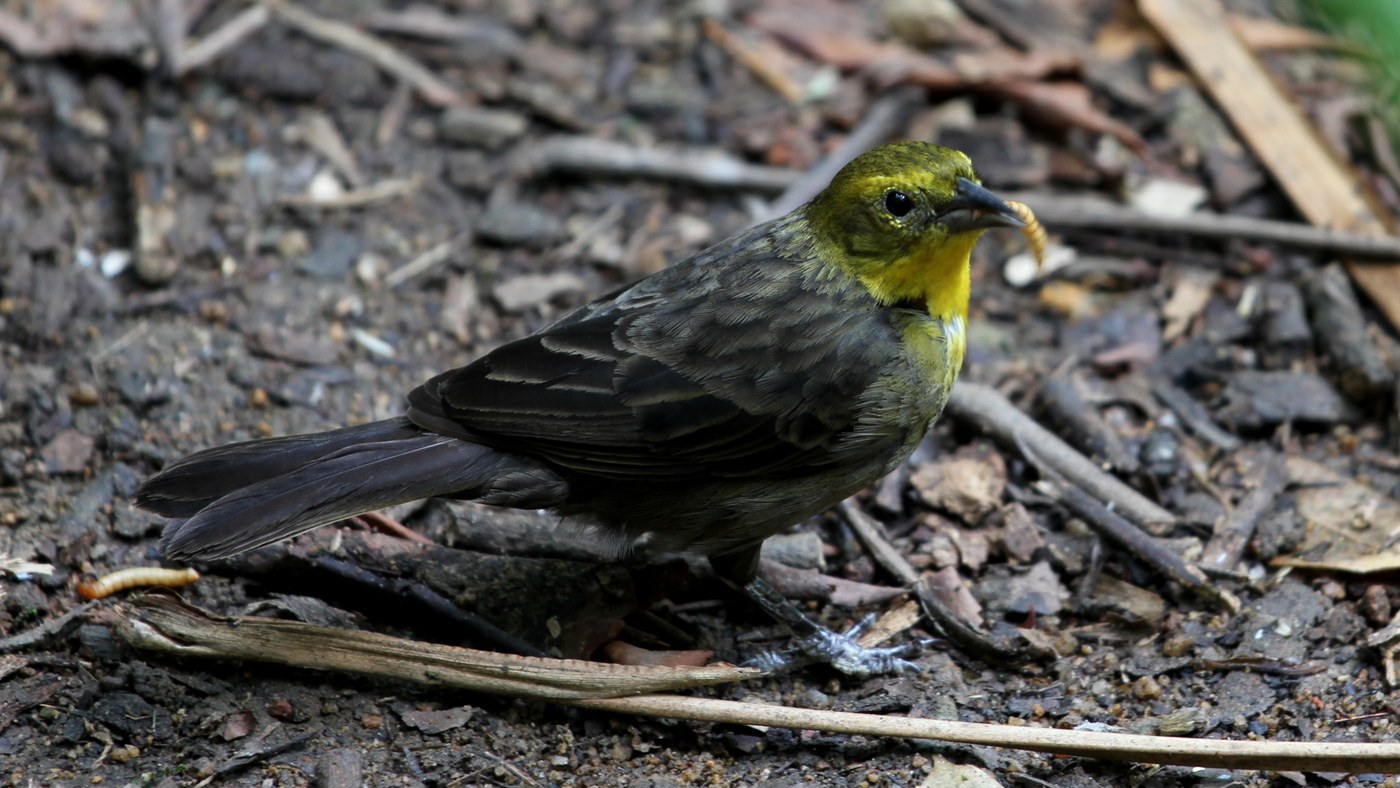
Yellow-hooded Blackbird
Contrasting hood and body feathers
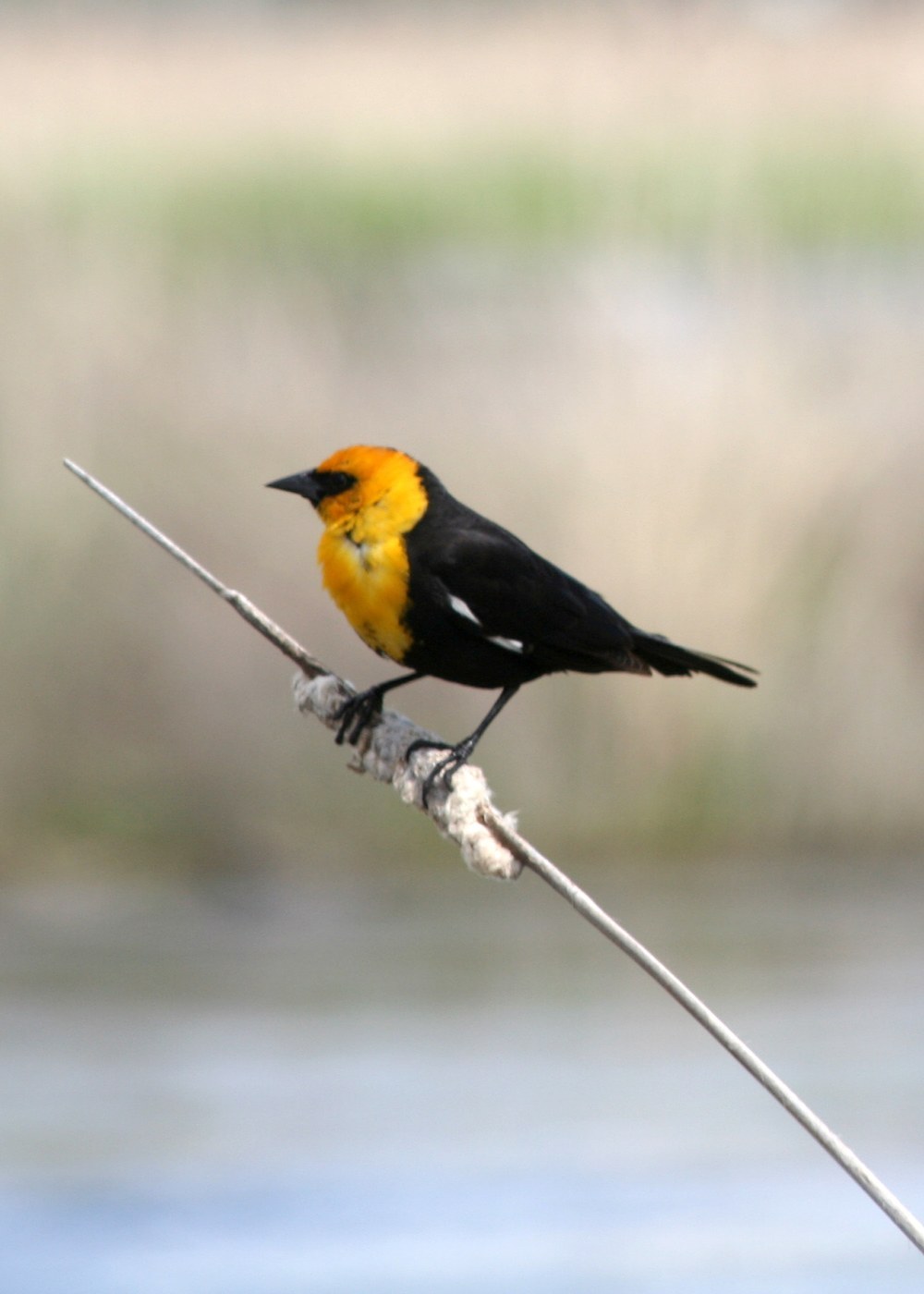
Yellow-headed Blackbird
Glossy black body plumage with a bright yellow head and breast

Yellow-eyed Junco
Contour and flight feathers

Yellow-fronted Canary
Small, smooth body plumage

Yellow-breasted Greenfinch
Compact, smooth body plumage