

Raggiana Bird-of-paradise
Paradisaea raggiana
The Raggiana Bird-of-paradise, the national bird of Papua New Guinea, is known for the male's fiery red-orange flank plumes displayed in group courtship gatherings. It inhabits lowland and hill forest across much of New Guinea.
- Feather type
- Elongated ornamental flank plumes, iridescent contour feathers
- Colours
- Dark brown body, yellow crown, iridescent green throat, and red-to-orange flank plumes
- Bird size
- Crow-sized body, ~34 cm plus plumes
Found a feather like this?
Identify any feather from a photo, free.
Overview
Overview
The Raggiana Bird-of-paradise is one of the most widespread and culturally significant birds-of-paradise, serving as the national bird of Papua New Guinea. Males display elaborate reddish flank plumes at communal display sites, while females remain plain and cryptic.
- Widespread across much of New Guinea's lowland and hill forest
- Male flank plumes are notably red-orange rather than yellow
- Displays occur at traditional group lek sites
Identifying the Feather
Feather Identification
Adult males show a dark brown body, bright yellow crown, and an iridescent green throat patch, similar to related Paradisaea species. The key distinguishing feature is the flank plumes, which are red to deep orange rather than yellow or white.
- Crown: bright yellow
- Throat: iridescent green
- Body: dark brown
- Flank plumes: elongated, red to orange, softer and more filamentous than typical contour feathers
- Tail: dark, unremarkable relative to the plumes
Red-orange flank plumes distinguish this species from the yellow-to-white plumed Greater Bird-of-paradise and the shorter, paler-plumed Lesser Bird-of-paradise.
Plumage & Molt
Plumage Notes
Males take several years to mature into full adult plumage, resembling females during early life stages. Females are plain brown overall, lacking the yellow crown, green throat, or elongated plumes of adult males.
- Adult males: ornate plumage with red-orange flank plumes
- Females and young males: plain brown, cryptic plumage
- Multi-year maturation period before full plumage develops
Habitat & Range
Habitat & Range
Widespread across lowland and hill rainforest of eastern and southeastern New Guinea, extending into parts of the country's more populated regions.
- Non-migratory resident within forested lowland and hill habitat
- Tolerates some degraded or secondary forest better than more specialized relatives
- Found from near sea level into lower montane forest edges
Behavior & Field Notes
Behavior & Field Notes
Males display communally at established lek trees, competing to attract visiting females through synchronized plume displays. Diet is largely fruit-based, supplemented with small animal prey.
- Voice: loud, repeated calls, especially vocal during morning display bouts
- Nesting: females build and tend nests without male assistance
- Field notes: the red-orange flank plumes are the clearest way to separate displaying males from closely related Paradisaea species
Frequently asked questions
How do you identify a male Raggiana Bird-of-paradise?
Look for a dark brown body, yellow crown, green iridescent throat, and especially red-orange flank plumes.
How does this differ from the Greater Bird-of-paradise?
Its flank plumes are red to orange, while the Greater Bird-of-paradise shows yellow-to-white plumes.
What do females look like?
Females are plain brown without a yellow crown, green throat, or elongated flank plumes.
Where does this species occur?
Across lowland and hill rainforest of eastern and southeastern New Guinea; it is the national bird of Papua New Guinea.
Raggiana Bird-of-paradise guides
In-depth guides for identifying and understanding Raggiana Bird-of-paradise.

Other feathers you may enjoy

Yellow-breasted Bunting
Contour and flight feathers, chestnut-and-yellow breeding pattern
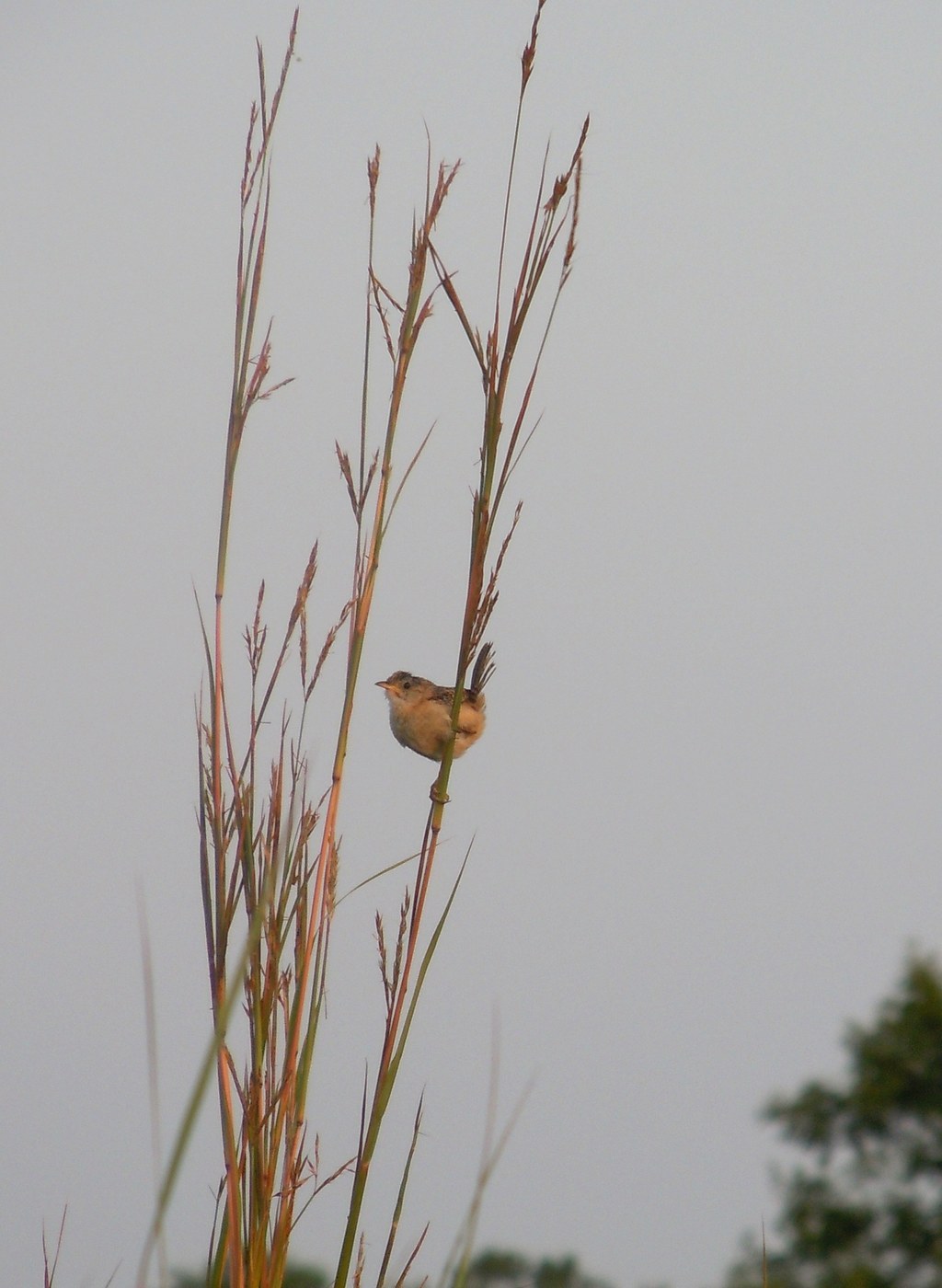
Sedge Wren
Tiny streaked crown and back feathers

Yellow-winged Cacique
Glossy black body feathers, yellow wing patch, shaggy crest

Yellow Warbler
Small contour and flight feathers
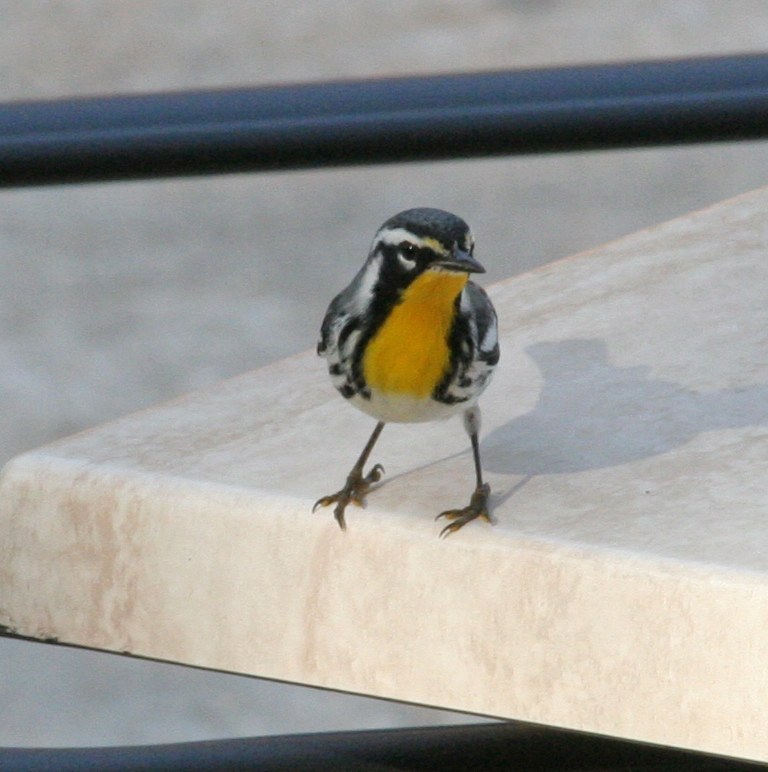
Yellow-throated Warbler
Small contour and flight feathers
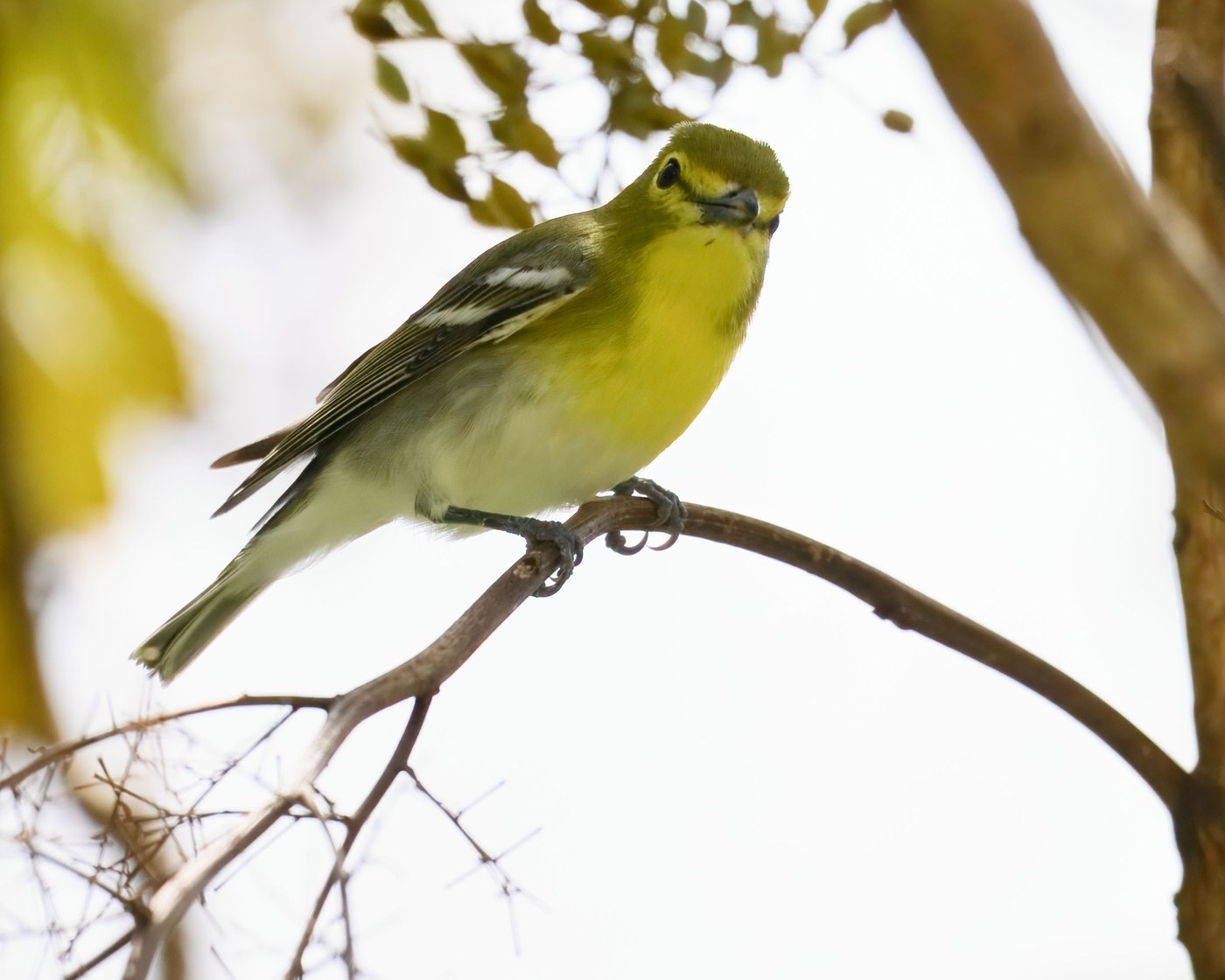
Yellow-throated Vireo
Bright yellow throat and spectacle feathers; olive-green back feathers; two white wing-bar feathers

Yellow-rumped Warbler
Small contour and flight feathers
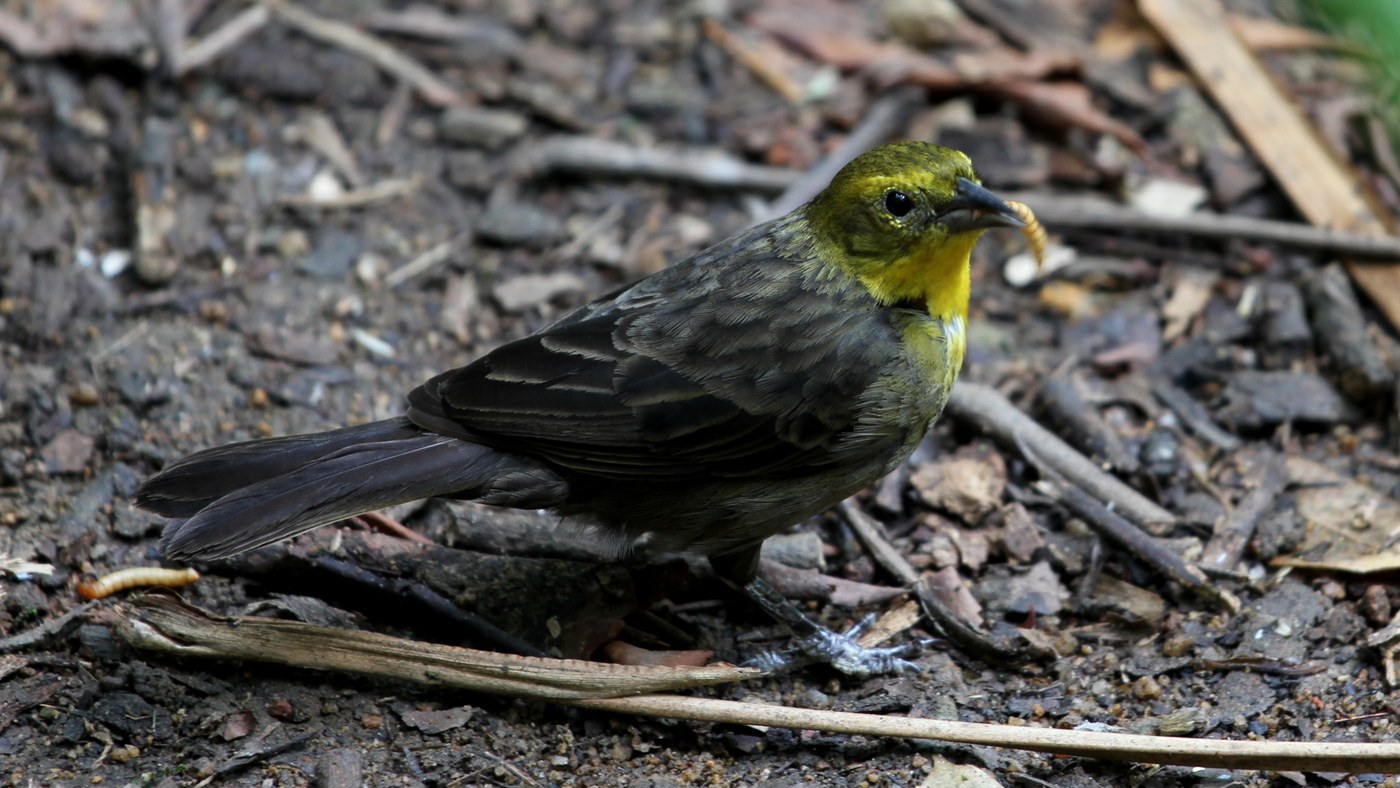
Yellow-hooded Blackbird
Contrasting hood and body feathers
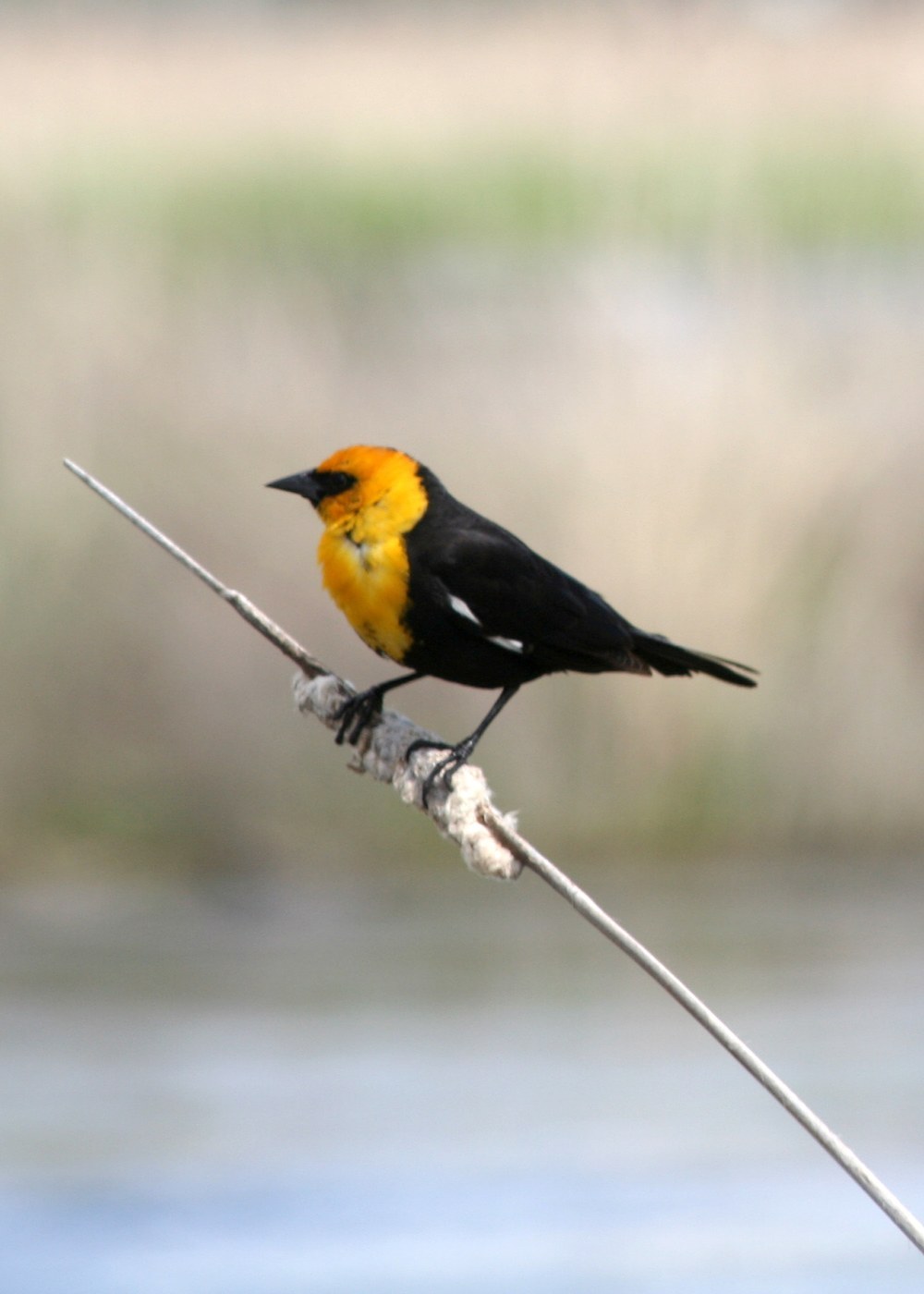
Yellow-headed Blackbird
Glossy black body plumage with a bright yellow head and breast

Yellow-eyed Junco
Contour and flight feathers

Yellow-fronted Canary
Small, smooth body plumage

Yellow-breasted Greenfinch
Compact, smooth body plumage