
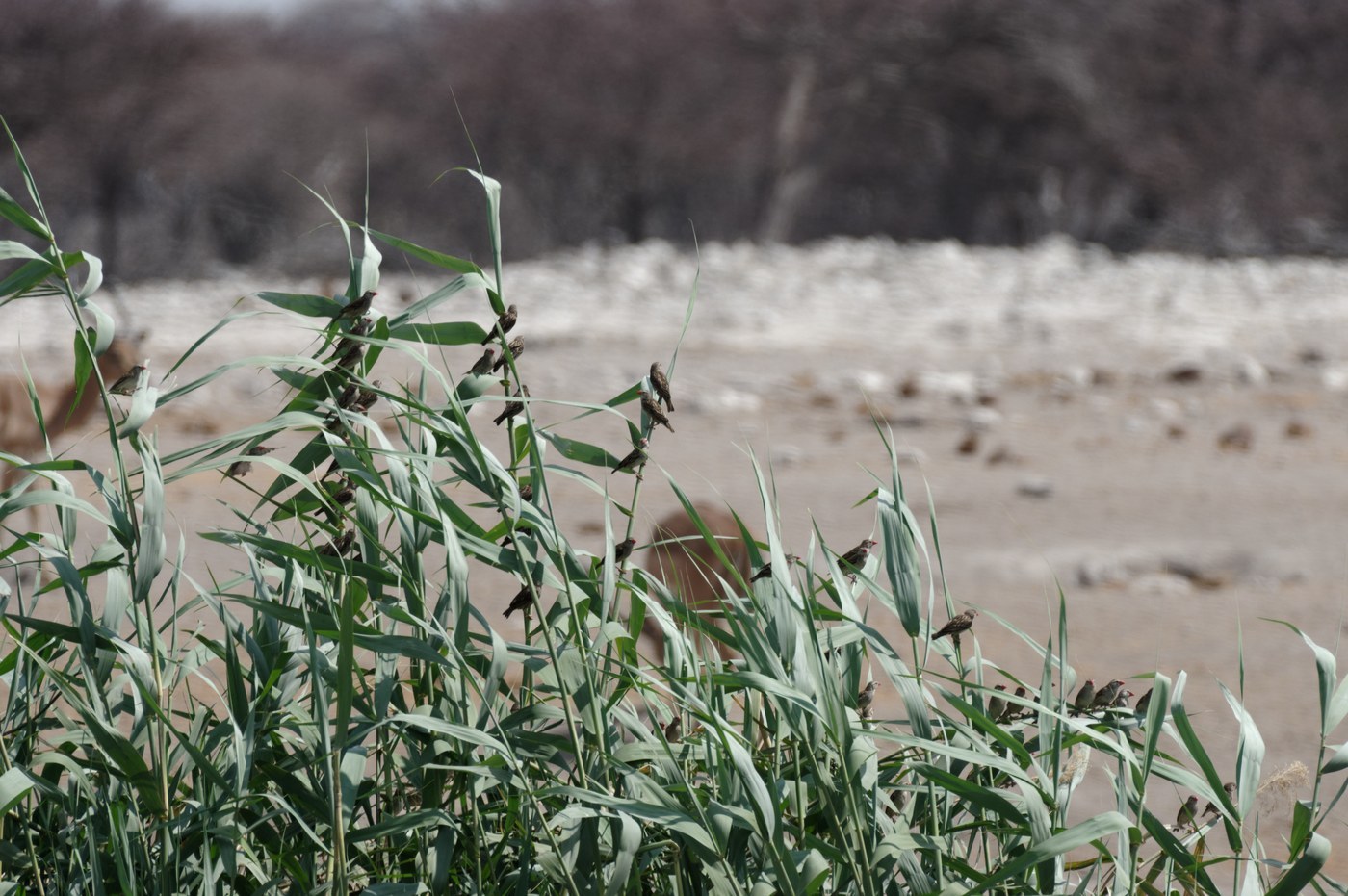
Red-billed Quelea
Quelea quelea
A small African weaver famous for forming the largest flocks of any wild bird, with breeding males sporting a bold black or white facial mask and a bright red bill.
- Feather type
- Small, compact finch-like body plumage
- Colours
- Buff-brown streaked body; black or white breeding face mask; coral-red bill
- Bird size
- Sparrow-sized, ~12 cm
Found a feather like this?
Identify any feather from a photo, free.
Overview
The Red-billed Quelea is considered the most numerous wild bird species on Earth, with flocks that can number in the millions moving nomadically across sub-Saharan Africa in search of ripening grass seed. Despite its abundance, an individual quelea is a small, unassuming sparrow-like bird.
Breeding males develop a striking facial mask, either black or white depending on individual and region, paired with a rosy or coral-red bill, while females and nonbreeding birds remain streaky and camouflaged.
Identifying the Feather
- Breeding male: Black or white facial mask bordered by a pinkish or buff wash on the head and breast
- Bill turns coral-red to reddish-orange in breeding condition, a key identification feature
- Body feathers are buff-brown with dark streaking on the back and flanks, giving a sparrow-like appearance
- Wings and tail are short, brownish, and unmarked, built for sustained flocking flight rather than display
- Nonbreeding birds of both sexes lose the mask and resemble female weavers, distinguished mainly by the stout conical bill and gregarious flocking habit
Plumage & Molt
Males molt into breeding plumage with a black or white face mask and flushed bill color, while females retain a more uniform streaky brown plumage year-round. Outside the breeding season, males molt back into an eclipse plumage similar to females, making sexes hard to tell apart. Juveniles resemble nonbreeding adults with softer, less crisp streaking.
Habitat & Range
Red-billed Queleas inhabit open savanna, grassland, and cultivated land throughout sub-Saharan Africa, tracking seeding grasses and grain crops. The species is highly nomadic, with flocks shifting location seasonally in response to rainfall and food availability, and it roosts and breeds colonially in reedbeds and thorny trees.
Behavior & Field Notes
Queleas feed almost entirely on grass and cereal seeds, foraging in dense, swirling flocks that can blanket a field in moments. Breeding is highly synchronized and colonial, with thousands of pairs nesting in nearby trees or reeds within days of each other. Calls are a constant chattering and buzzing produced by large flocks; individual vocalizations are unremarkable but the collective sound of a colony is distinctive.
Frequently asked questions
What does a Red-billed Quelea feather look like?
Body feathers are buff-brown with dark streaking, similar to a sparrow, while breeding males show a black or white facial mask and a coral-red bill rather than distinctive feather markings.
How can I tell a breeding male Red-billed Quelea?
Look for a bold black or white face mask and a bright pinkish-red bill; nonbreeding birds and females lack the mask and have a duller bill.
Why are Red-billed Queleas so numerous?
They breed and forage in enormous nomadic flocks that track seeding grasses across sub-Saharan Africa, giving the species one of the largest total populations of any wild bird.
Where do Red-billed Queleas live?
They inhabit savanna, grassland, and farmland across sub-Saharan Africa, moving nomadically with rainfall and seed availability.
Red-billed Quelea guides
In-depth guides for identifying and understanding Red-billed Quelea.
Other feathers you may enjoy

Yellow-breasted Bunting
Contour and flight feathers, chestnut-and-yellow breeding pattern
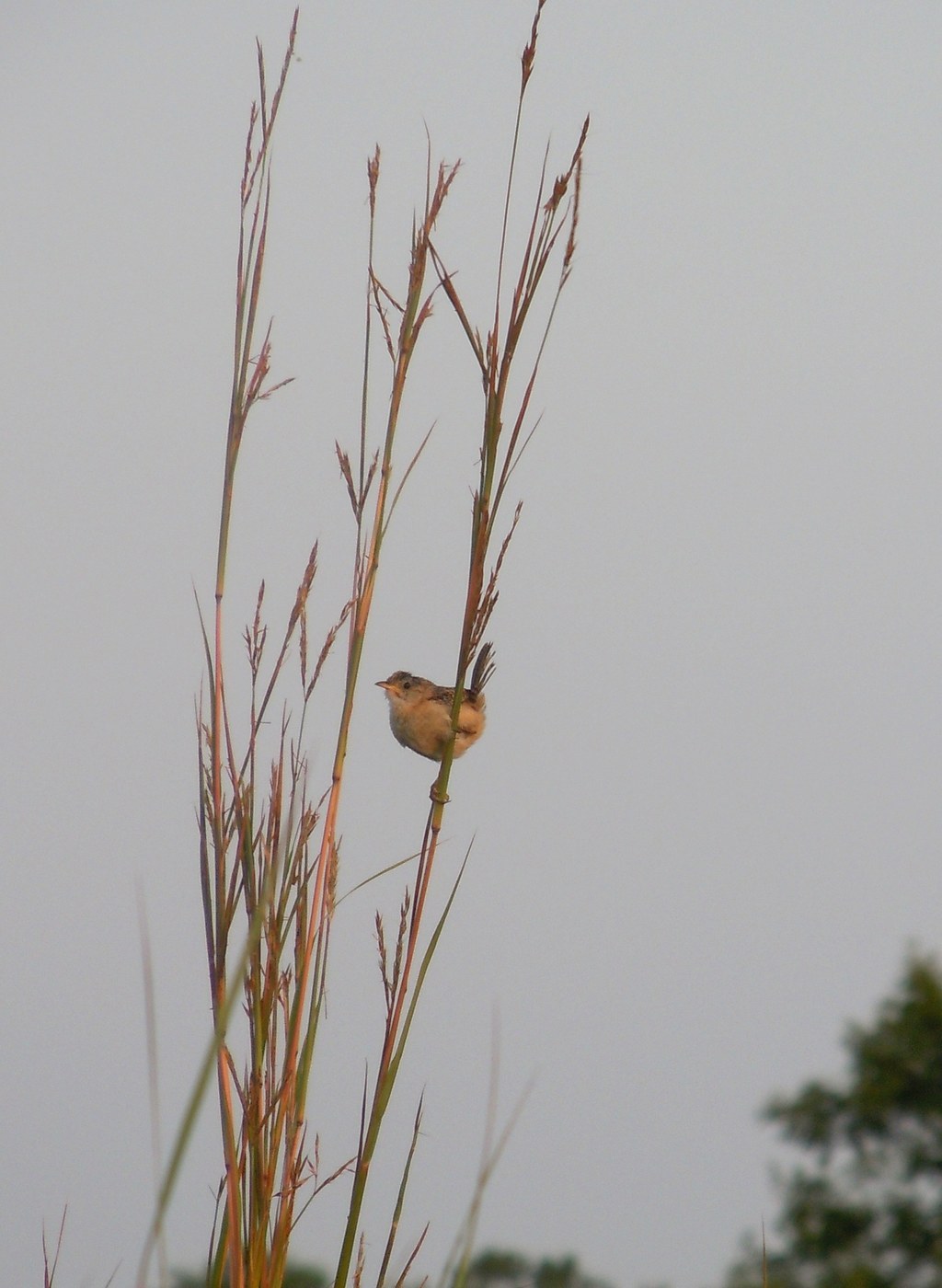
Sedge Wren
Tiny streaked crown and back feathers

Yellow-winged Cacique
Glossy black body feathers, yellow wing patch, shaggy crest

Yellow Warbler
Small contour and flight feathers
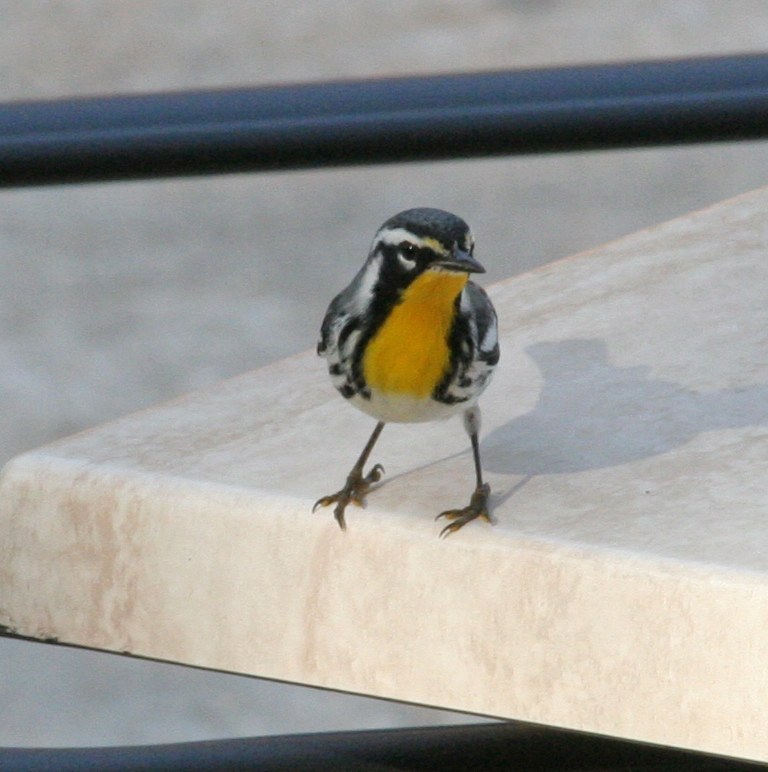
Yellow-throated Warbler
Small contour and flight feathers
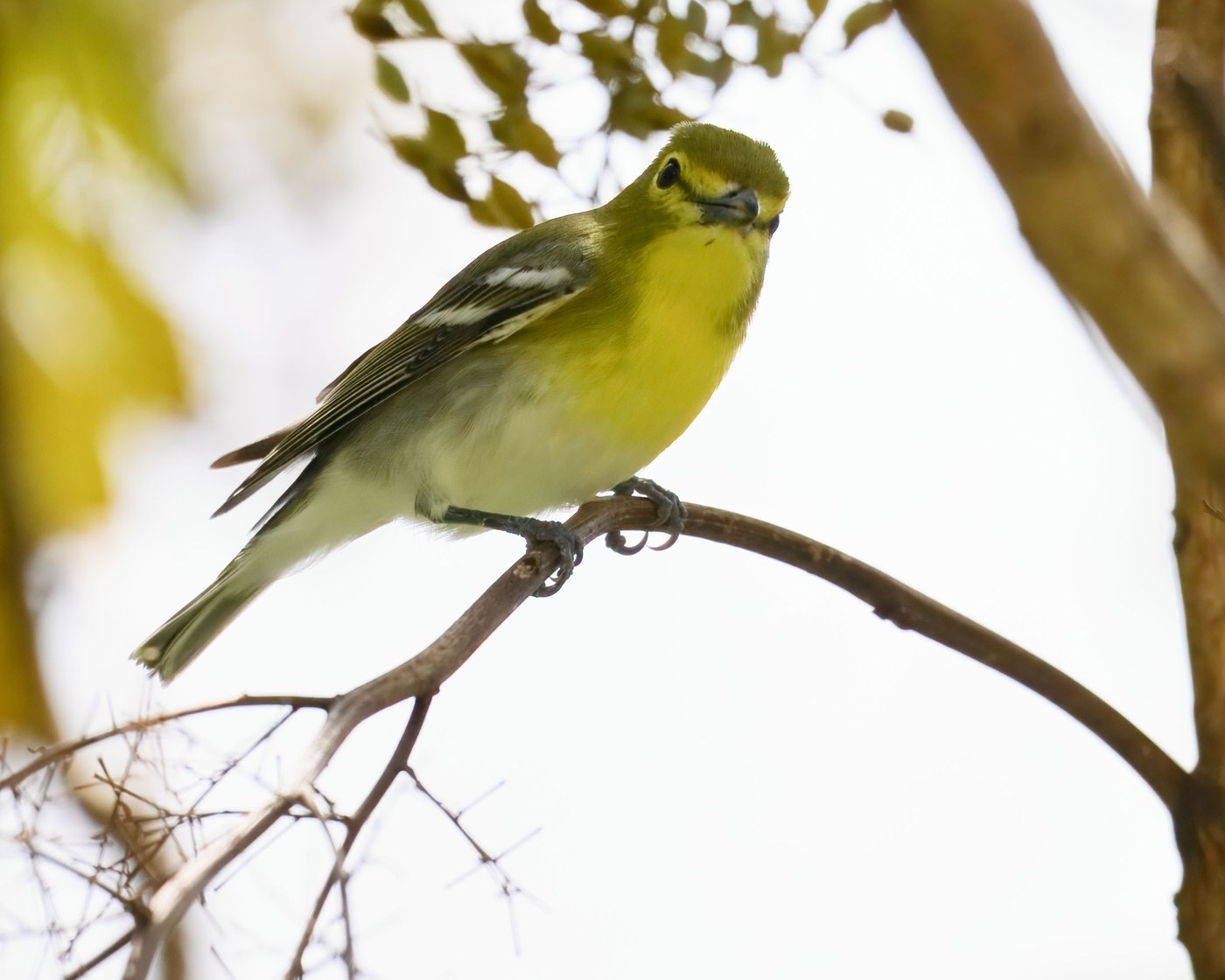
Yellow-throated Vireo
Bright yellow throat and spectacle feathers; olive-green back feathers; two white wing-bar feathers

Yellow-rumped Warbler
Small contour and flight feathers
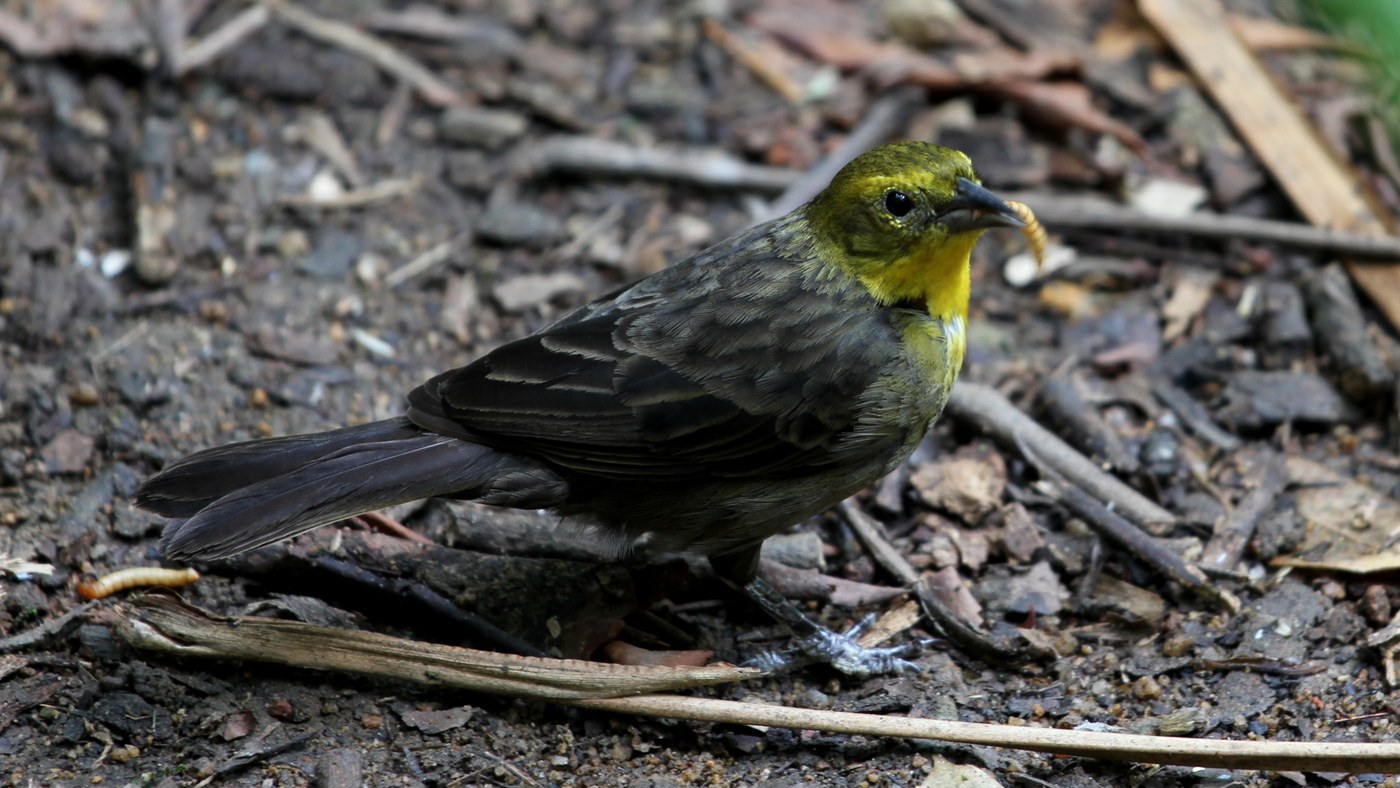
Yellow-hooded Blackbird
Contrasting hood and body feathers
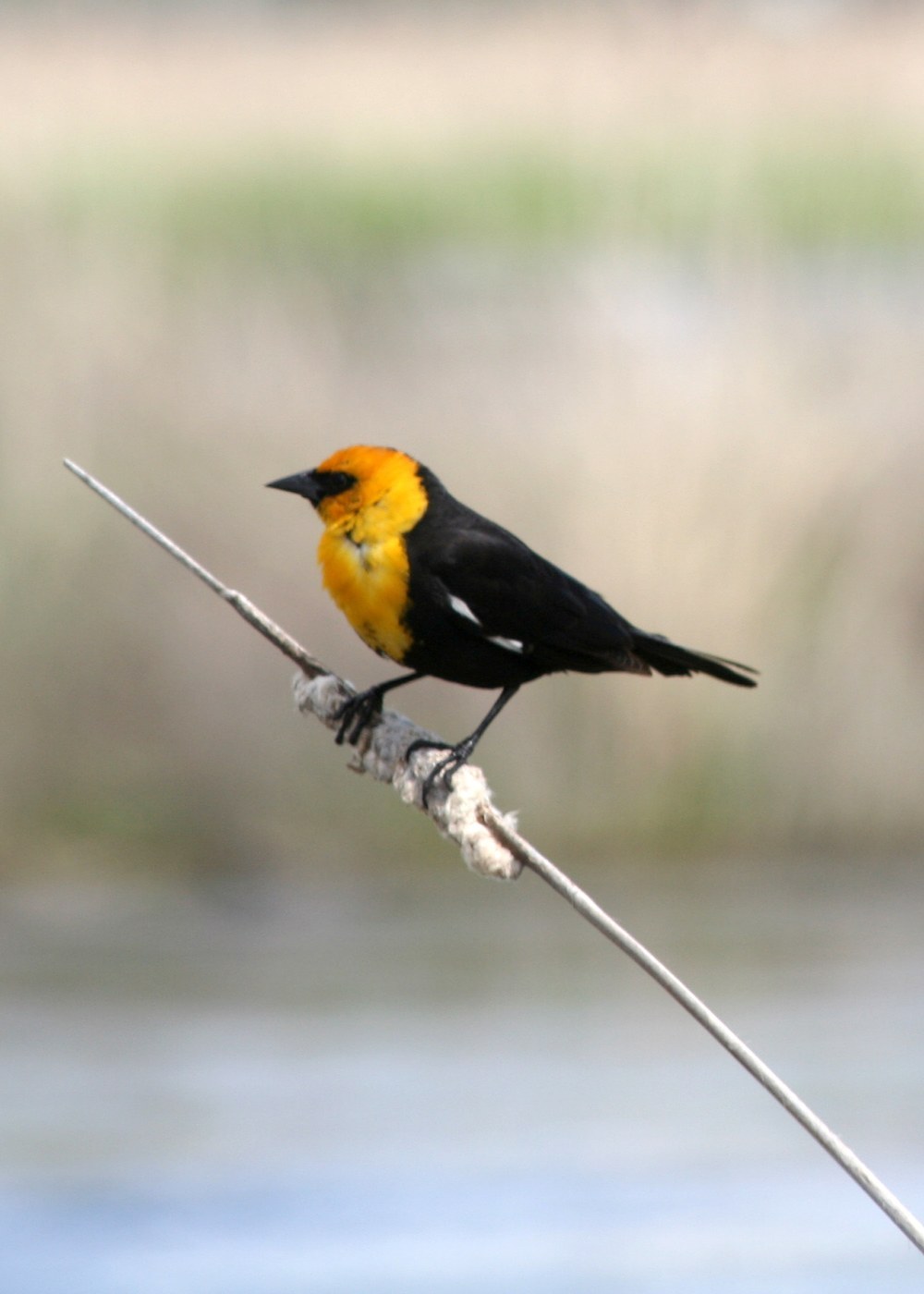
Yellow-headed Blackbird
Glossy black body plumage with a bright yellow head and breast

Yellow-eyed Junco
Contour and flight feathers

Yellow-fronted Canary
Small, smooth body plumage

Yellow-breasted Greenfinch
Compact, smooth body plumage