

Red Bird-of-paradise
Paradisaea rubra
The Red Bird-of-paradise is distinguished by the male's vivid crimson flank plumes and unique curled, ribbon-like black tail wires used in display. It is found only on a small number of islands in the Raja Ampat region of Indonesia.
- Feather type
- Elongated ornamental flank plumes, ribbon-like tail wires
- Colours
- Maroon body, yellow crown, iridescent green throat, and crimson-red flank plumes
- Bird size
- Crow-sized body, ~33 cm plus plumes and tail wires
Found a feather like this?
Identify any feather from a photo, free.
Overview
Overview
The Red Bird-of-paradise is restricted to a very small range within the Raja Ampat islands of Indonesia, making it one of the more range-limited members of the family. Males combine crimson flank plumes with unusual curled tail wires, producing one of the most visually striking displays among birds-of-paradise.
- Extremely limited geographic range compared to most relatives
- Male plumage combines crimson plumes with unique curled tail wires
- Displays performed on horizontal branches within forest canopy
Identifying the Feather
Feather Identification
Adult males show a maroon body, yellow crown, and iridescent green throat similar to other Paradisaea species, but the flank plumes are a rich crimson red rather than yellow or orange. Two long, curled, ribbon-like black tail wires extend well beyond the rest of the tail.
- Crown: yellow
- Throat: iridescent green
- Body: maroon
- Flank plumes: crimson red, densely plumose
- Tail wires: two elongated, curled black filaments, unique among the flank-plumed birds-of-paradise
Crimson (rather than yellow, orange, or white) flank plumes combined with curled black tail wires make this species readily distinguishable from other Paradisaea relatives.
Plumage & Molt
Plumage Notes
Males require several years to develop full adult plumage, including the curled tail wires, and resemble females during this period. Females are plain brown, lacking ornamental plumes, crown color, or tail wires.
- Adult males: crimson-plumed with curled tail wires
- Females and immature males: plain brown, unadorned plumage
- Tail wires and flank plumes develop gradually over several years
Habitat & Range
Habitat & Range
Restricted to lowland rainforest on Waigeo and Batanta, two islands within the Raja Ampat archipelago of West Papua, Indonesia.
- Non-migratory resident with an unusually small global range
- Entirely dependent on intact island rainforest
- Not found on the New Guinea mainland
Behavior & Field Notes
Behavior & Field Notes
Males display on horizontal branches, spreading their crimson plumes and swinging in coordinated movements to attract females. Diet is largely fruit-based with some small animal prey.
- Voice: loud, repeated calls given around display perches
- Nesting: females build and tend nests alone
- Field notes: the crimson flank plumes and curled black tail wires are unmistakable and unique to this species within its very limited island range
Frequently asked questions
What color are this species' flank plumes?
Crimson red, unlike the yellow, orange, or white plumes of related Paradisaea species.
What are the curled tail wires used for?
They are elongated ornamental feathers displayed during male courtship performances on horizontal branches.
Where is the Red Bird-of-paradise found?
Only on Waigeo and Batanta islands within the Raja Ampat archipelago of West Papua, Indonesia.
What does the female look like?
Plain brown overall, without the crimson plumes, yellow crown, or curled tail wires of the adult male.
Red Bird-of-paradise guides
In-depth guides for identifying and understanding Red Bird-of-paradise.

Other feathers you may enjoy

Yellow-breasted Bunting
Contour and flight feathers, chestnut-and-yellow breeding pattern
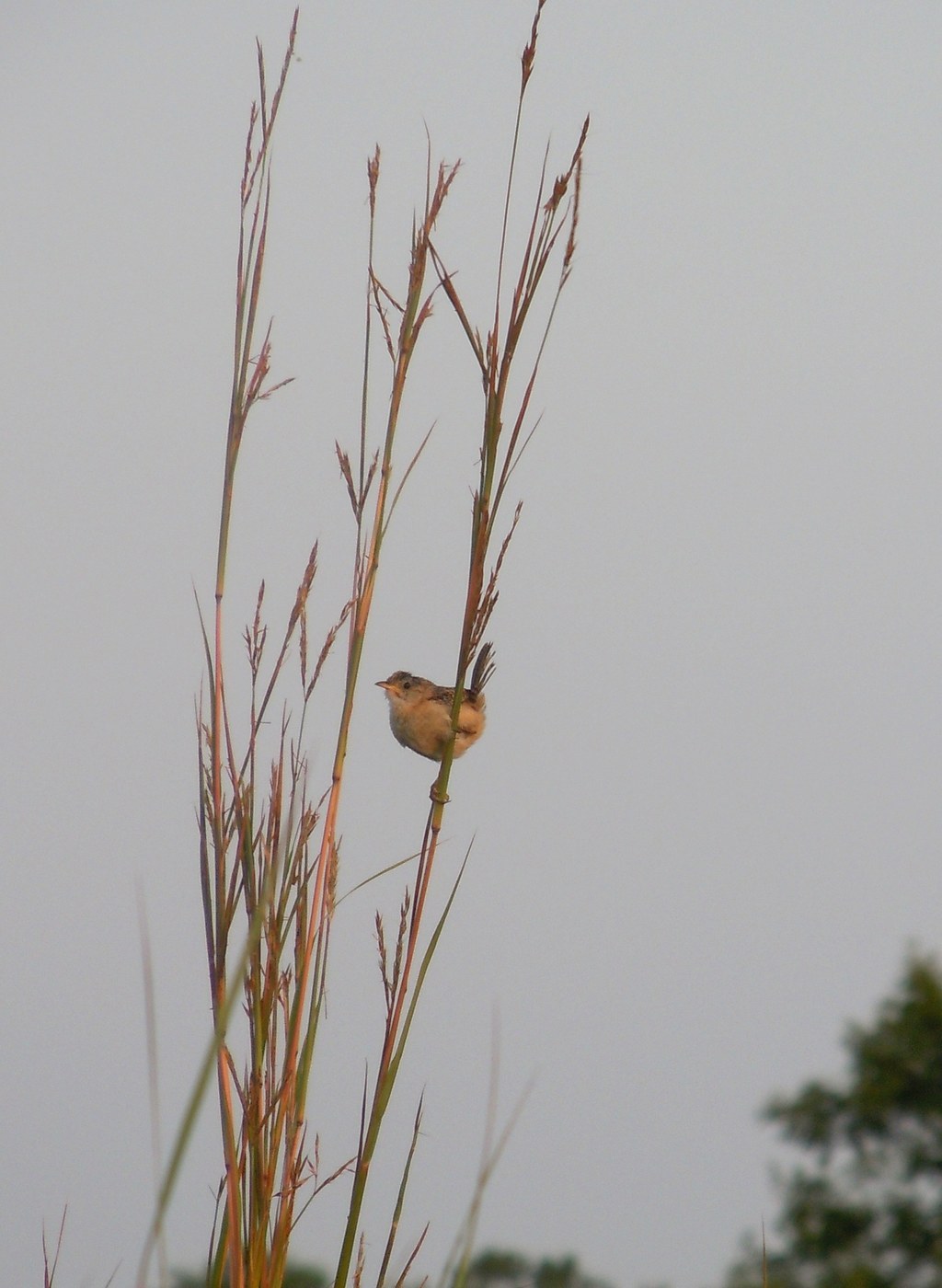
Sedge Wren
Tiny streaked crown and back feathers

Yellow-winged Cacique
Glossy black body feathers, yellow wing patch, shaggy crest

Yellow Warbler
Small contour and flight feathers
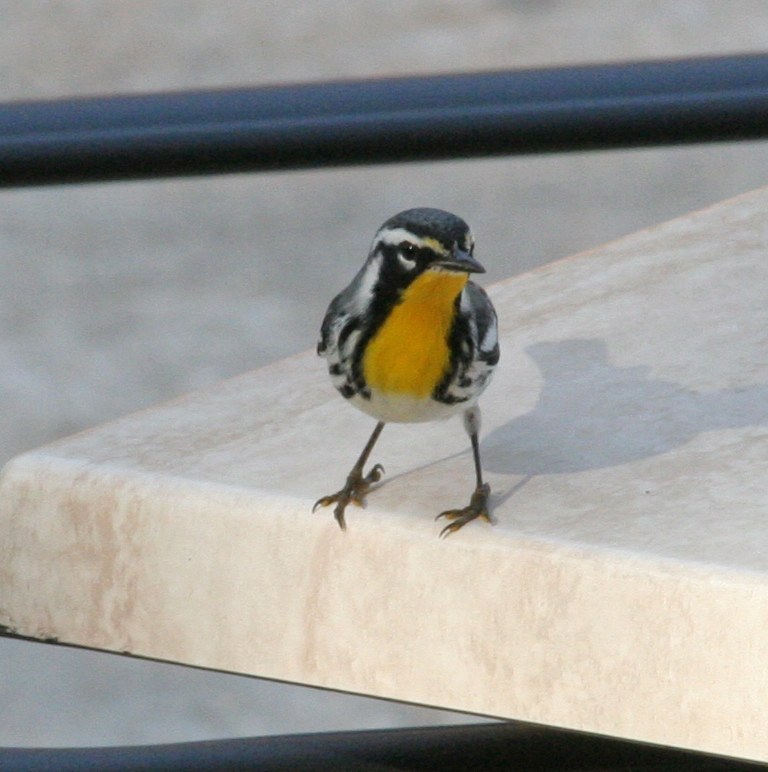
Yellow-throated Warbler
Small contour and flight feathers
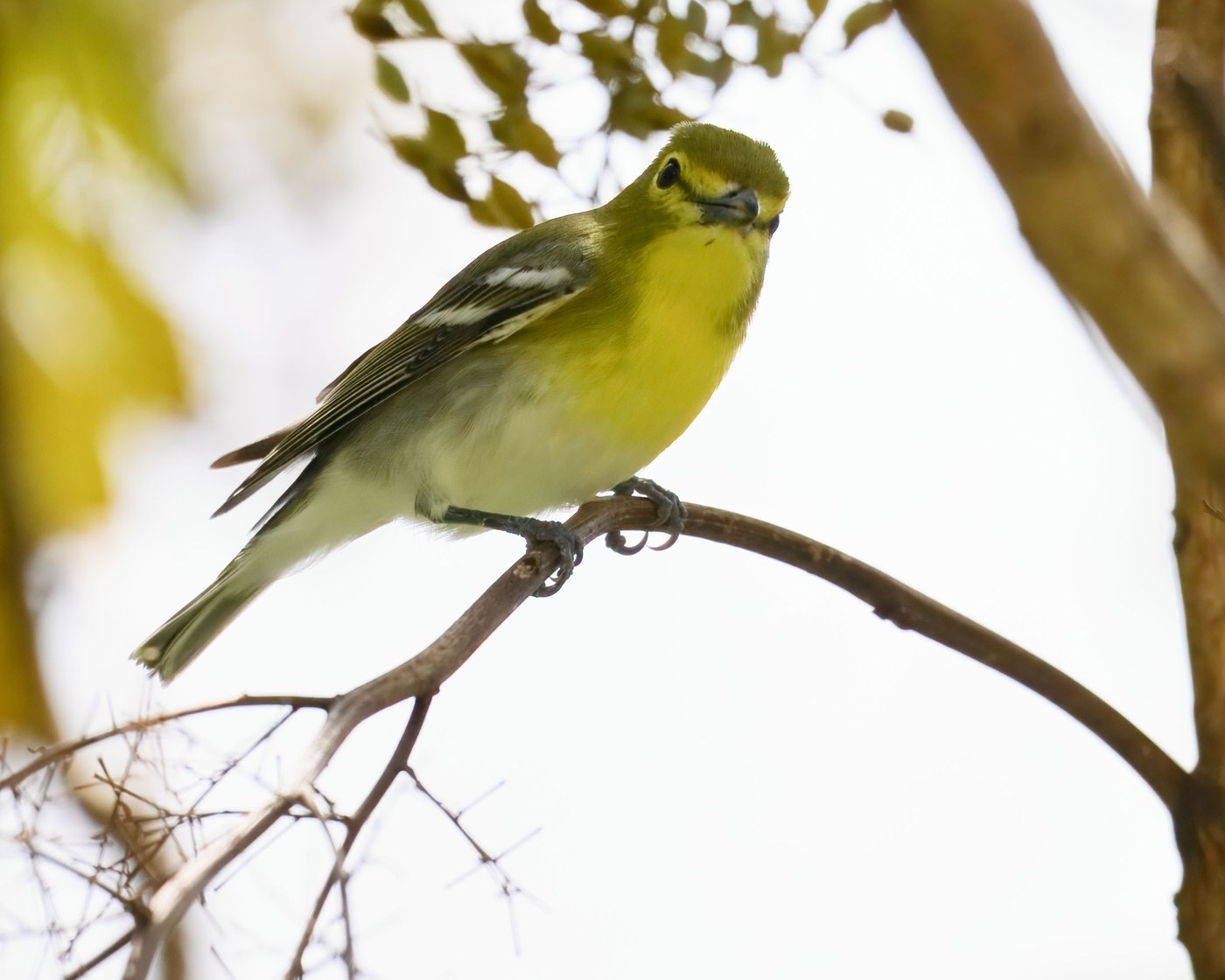
Yellow-throated Vireo
Bright yellow throat and spectacle feathers; olive-green back feathers; two white wing-bar feathers

Yellow-rumped Warbler
Small contour and flight feathers
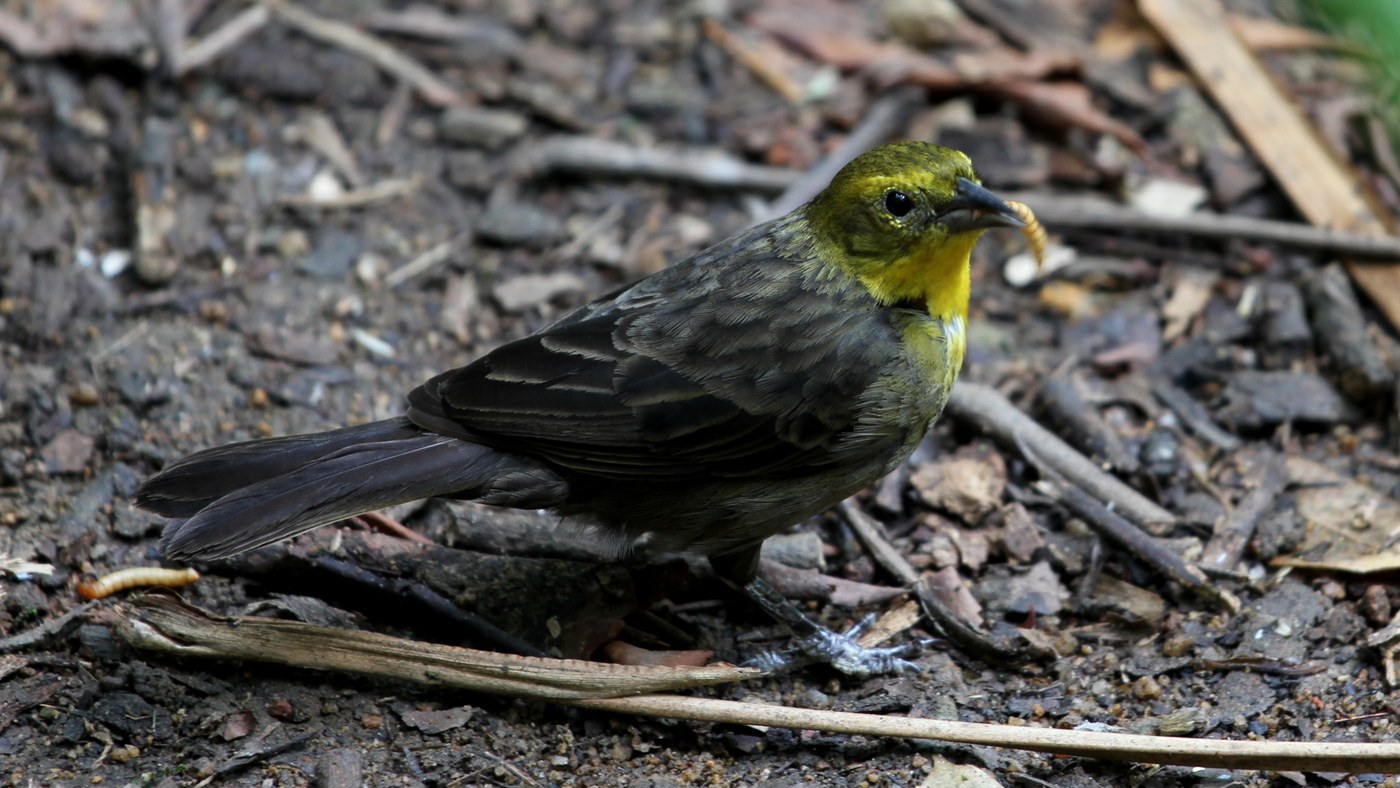
Yellow-hooded Blackbird
Contrasting hood and body feathers
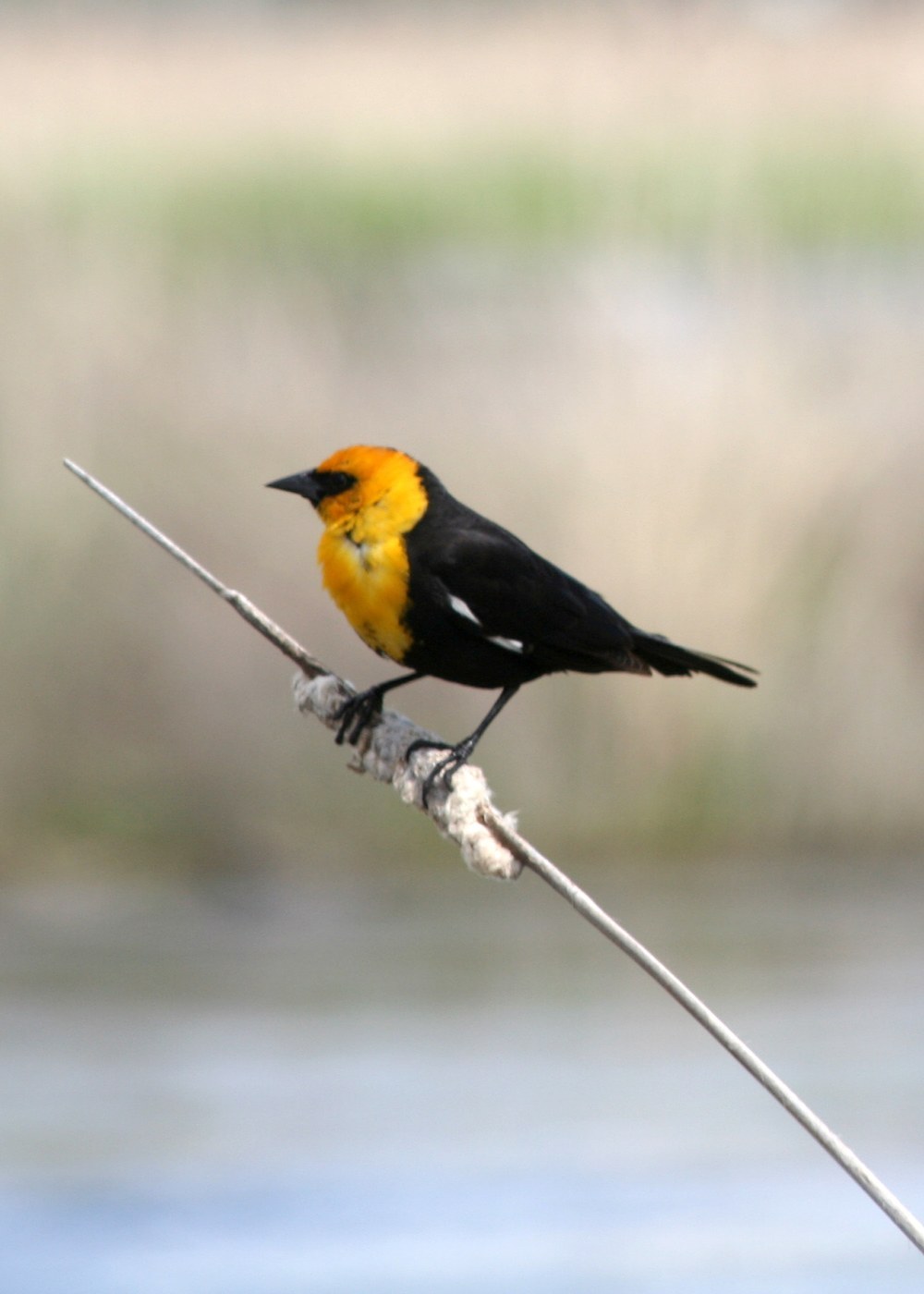
Yellow-headed Blackbird
Glossy black body plumage with a bright yellow head and breast

Yellow-eyed Junco
Contour and flight feathers

Yellow-fronted Canary
Small, smooth body plumage

Yellow-breasted Greenfinch
Compact, smooth body plumage