

Red-breasted Merganser
Mergus serrator
The Red-breasted Merganser is a slim, crested fish-eating duck with a shaggy double crest and a streaked rusty breast that sets it apart from its Common Merganser relative.
- Feather type
- Diving-duck body feathers with a shaggy double crest
- Colours
- Dark green head, white collar, rusty streaked breast, gray vermiculated flanks
- Bird size
- Large, ~51-64 cm
Found a feather like this?
Identify any feather from a photo, free.
Overview
Overview
The Red-breasted Merganser is a slender diving duck closely related to the Common Merganser but generally more coastal in its winter distribution. Breeding males show a dark, glossy green head with a shaggy, double-pointed crest, a white collar, and a streaked rusty-orange breast band, along with finely vermiculated gray flanks. Females resemble female Common Mergansers but show a more gradual blending between the reddish-brown head and grayish body, along with a similarly shaggy but less crisp crest.
Identifying the Feather
Feather Identification
- Crest shape: A shaggy, double-pointed crest of feathers extends from the back of the head in both sexes, more disheveled-looking than the smoother crest of the Common Merganser.
- Breast pattern: Males show a streaked rusty-orange breast band, distinct from the plain white breast of the male Common Merganser.
- Flank pattern: Finely vermiculated gray flanks add texture to the male's body feathering, unlike the cleaner white flanks of the Common Merganser.
- Head-neck blending: In females, the boundary between the brownish head and gray body is more gradual and less sharply defined than in female Common Merganser.
- Neck ring: A white collar separates the dark head from the breast in breeding males, a useful additional field mark.
Plumage & Molt
Plumage Notes
Breeding males show a dark green head with a shaggy crest, white neck collar, streaked rusty breast, and finely vermiculated gray flanks. Females have a reddish-brown head blending gradually into a gray body, with a shaggy but less defined crest than the male. Eclipse males resemble females but may retain some darker back feathering. The species undergoes a complete post-breeding molt with a flightless period. Juveniles resemble females, gradually developing full adult male patterning.
Habitat & Range
Habitat & Range
Red-breasted Mergansers breed across northern forested and tundra-edge regions of North America and Eurasia, nesting on the ground near lakes, rivers, and coastal wetlands. In winter, the species shifts to a strongly coastal distribution, favoring bays, estuaries, and nearshore marine waters more consistently than the more freshwater-associated Common Merganser. The species is migratory, moving between northern breeding areas and temperate coastal wintering grounds.
Behavior & Field Notes
Behavior & Field Notes
Red-breasted Mergansers dive to catch fish, often pursuing prey cooperatively in small groups along coastlines and estuaries. Nests are built on the ground, typically well hidden in vegetation near water, differing from the tree-cavity nesting of the Common Merganser. The species is fast and agile in flight, often traveling in small, loose groups low over open water. Calls are generally quiet, with soft croaking or grunting notes exchanged mainly during courtship and social interactions.
Frequently asked questions
What feather feature best separates Red-breasted from Common Merganser?
The Red-breasted Merganser shows a shaggy double crest, streaked rusty breast band, and vermiculated gray flanks, while the Common Merganser has a smoother crest and cleaner white underside.
Does the Red-breasted Merganser nest in tree cavities like the Common Merganser?
No, it typically nests on the ground near water, unlike the cavity-nesting Common Merganser.
Where is the Red-breasted Merganser most often found in winter?
Along coastal bays, estuaries, and nearshore marine waters, more so than the more freshwater-oriented Common Merganser.
What does the male's crest look like?
A shaggy, somewhat disheveled double-pointed tuft of feathers extending from the back of the head, distinct from the smoother crest of related species.
Red-breasted Merganser guides
In-depth guides for identifying and understanding Red-breasted Merganser.

Other feathers you may enjoy

Mallard
Wing (speculum), body, and tail feathers

Spectacled Eider
Large sea-duck body feathers with distinctive eye-ring patches

Canada Goose
Body and flight feathers
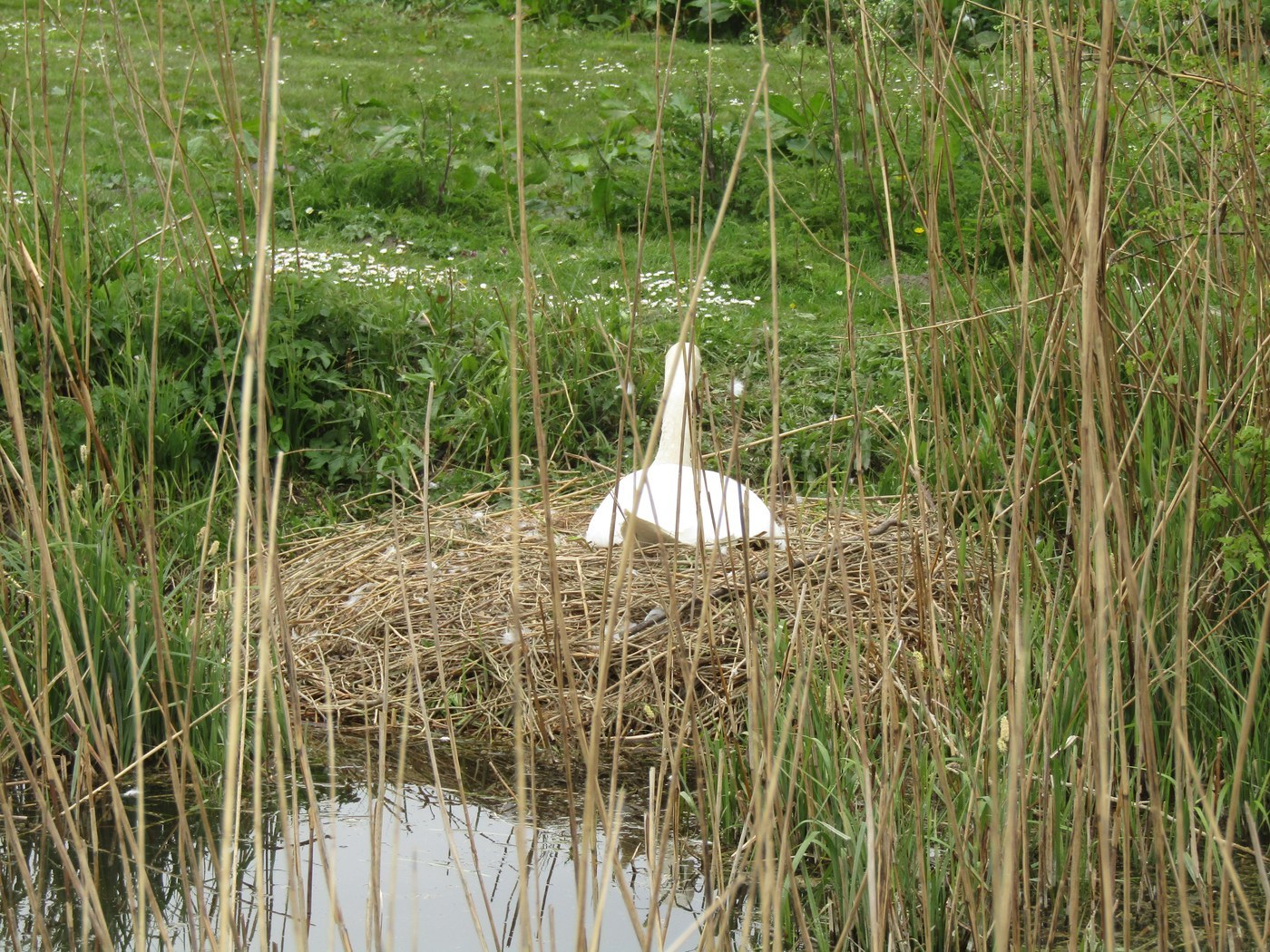
Mute Swan
Body (contour) and flight feathers

Wood Duck
Iridescent crest feathers; ornate scapular and flank feathers; white teardrop facial feathers (female)
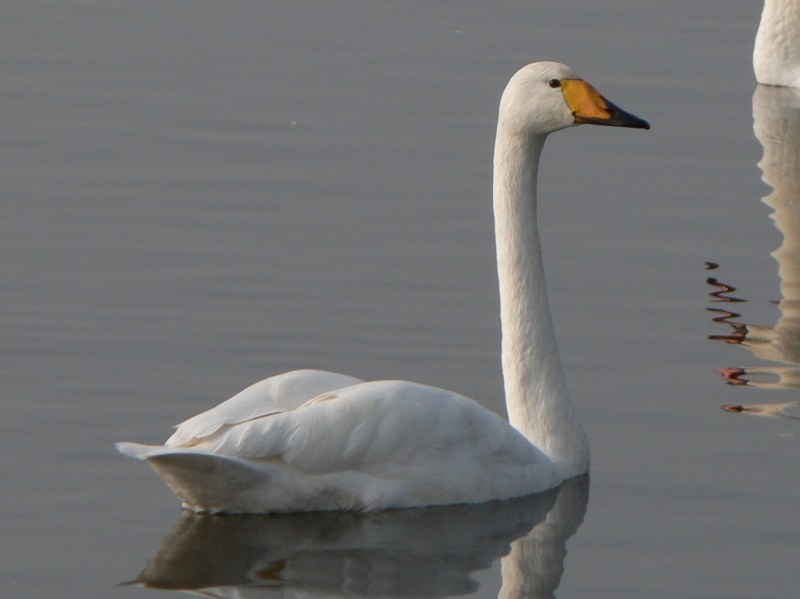
Whooper Swan
Contour and flight feathers

White-winged Scoter
Large sea-duck body feathers with a white wing patch

Ruddy Duck
Stiff tail feathers and compact body plumage

Ross's Goose
Contour and flight feathers

White-cheeked Pintail
Contour and elongated tail feathers

Torrent Duck
Dense, sleek contour feathers; stiff, pointed tail feathers used for bracing against rocks

Tundra Swan
Contour and flight feathers