

Red-breasted Sapsucker
Sphyrapicus ruber
A Pacific coast sapsucker whose entire head and breast are washed red, lacking the striped face pattern of its inland relatives.
- Feather type
- Solid red head and breast feathers over a barred black back
- Colours
- Red head and breast, black-and-white barred back
- Bird size
- Robin-sized, ~21 cm
Found a feather like this?
Identify any feather from a photo, free.
Overview
The Red-breasted Sapsucker replaces the Red-naped and Yellow-bellied Sapsuckers along the Pacific coast and adjacent mountains, and is easily told apart by its nearly solid red head and upper breast. Where the other Sphyrapicus sapsuckers show crisp black-and-white facial stripes, this species has largely lost that pattern under an overall red wash.
It otherwise shares the family's black, white-barred back and habit of drilling sap wells in bark, and occupies conifer and mixed forest from lowland coastal areas up into mountain elevations.
Identifying the Feather
- Head and breast: nearly solid red in adults, obscuring the black-and-white facial stripes seen in relatives
- Back: black with white barring and a white wing patch, typical of the sapsucker group
- Underparts: pale yellowish below the red breast
- Vs. Red-naped Sapsucker: Red-breasted shows far less black-and-white facial contrast, with red extending broadly over the head and chest rather than being confined to forehead, throat, and nape
Plumage & Molt
Both sexes show extensive red on the head and breast, with less sexual dimorphism than other sapsuckers, though females can show slightly less extensive red. Juveniles are mottled brown, acquiring the red wash gradually through their first year. It hybridizes with Red-naped Sapsucker in some contact zones.
Habitat & Range
Found along the Pacific coast and adjacent mountain ranges from southeastern Alaska south through California, in coniferous and mixed forest. Northern populations are migratory, moving south for winter, while some southern populations are more sedentary.
Behavior & Field Notes
Drills rows of sap wells in conifer and deciduous bark, feeding on sap, insects drawn to it, and some fruit. Nests are excavated in dead or dying trees, often conifers. Its call is a nasal, mewing note similar to other sapsuckers, and it drums in the same irregular, stuttering pattern typical of the genus.
Frequently asked questions
What is the easiest way to identify a Red-breasted Sapsucker?
Look for a nearly solid red head and breast without the crisp black-and-white facial stripes shown by other sapsucker species.
Where does the Red-breasted Sapsucker live?
It occupies coastal and montane conifer and mixed forest along the Pacific coast from southeastern Alaska south through California.
Does it hybridize with other sapsuckers?
Yes, it is known to hybridize with Red-naped Sapsucker in areas where their ranges come into contact.
Is the Red-breasted Sapsucker migratory?
Northern populations migrate south for winter, while some southern populations remain resident year-round.
Red-breasted Sapsucker guides
In-depth guides for identifying and understanding Red-breasted Sapsucker.

Other feathers you may enjoy

Ivory-billed Woodpecker
Very large flight feathers with a solid white trailing patch

Great Slaty Woodpecker
Massive, uniformly colored contour feathers

Yellow-tufted Woodpecker
Black body feathers with bright yellow forehead tufts

Magellanic Woodpecker
Very large, glossy contour feathers with a recurved crest

Yellow-bellied Sapsucker
Black-and-white patterned back and facial-stripe feathers
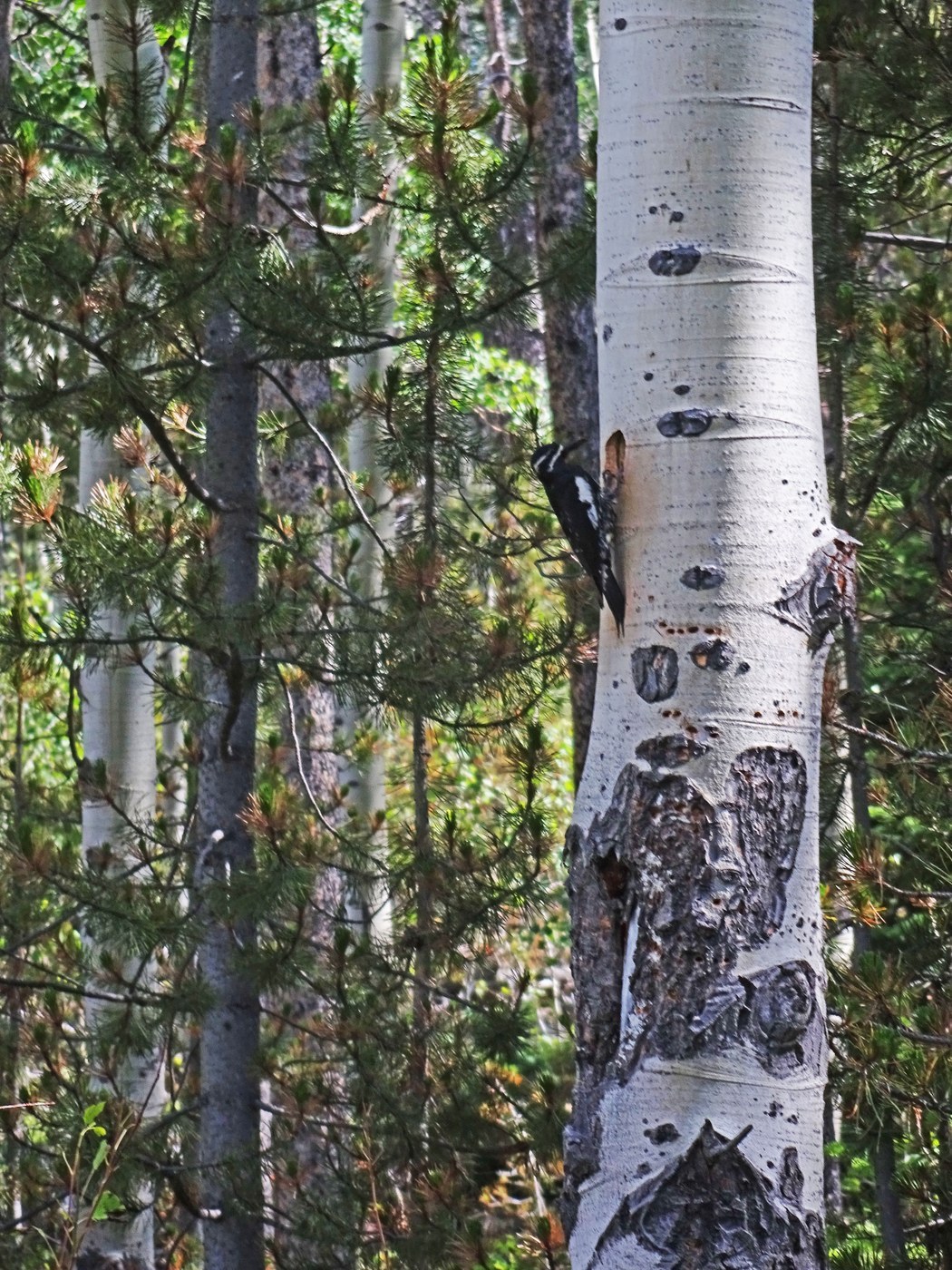
Williamson's Sapsucker
Strongly sexually dimorphic body feathers, glossy black or finely barred brown

Yellow-crowned Woodpecker
Contour and flight feathers

White Woodpecker
Mostly white body feathers with contrasting black wings and back

Red-throated Wryneck
Soft, cryptically mottled contour feathers

White-bellied Woodpecker
Large, glossy black contour and flight feathers

White-backed Woodpecker
Barred back feathers rather than a solid white patch
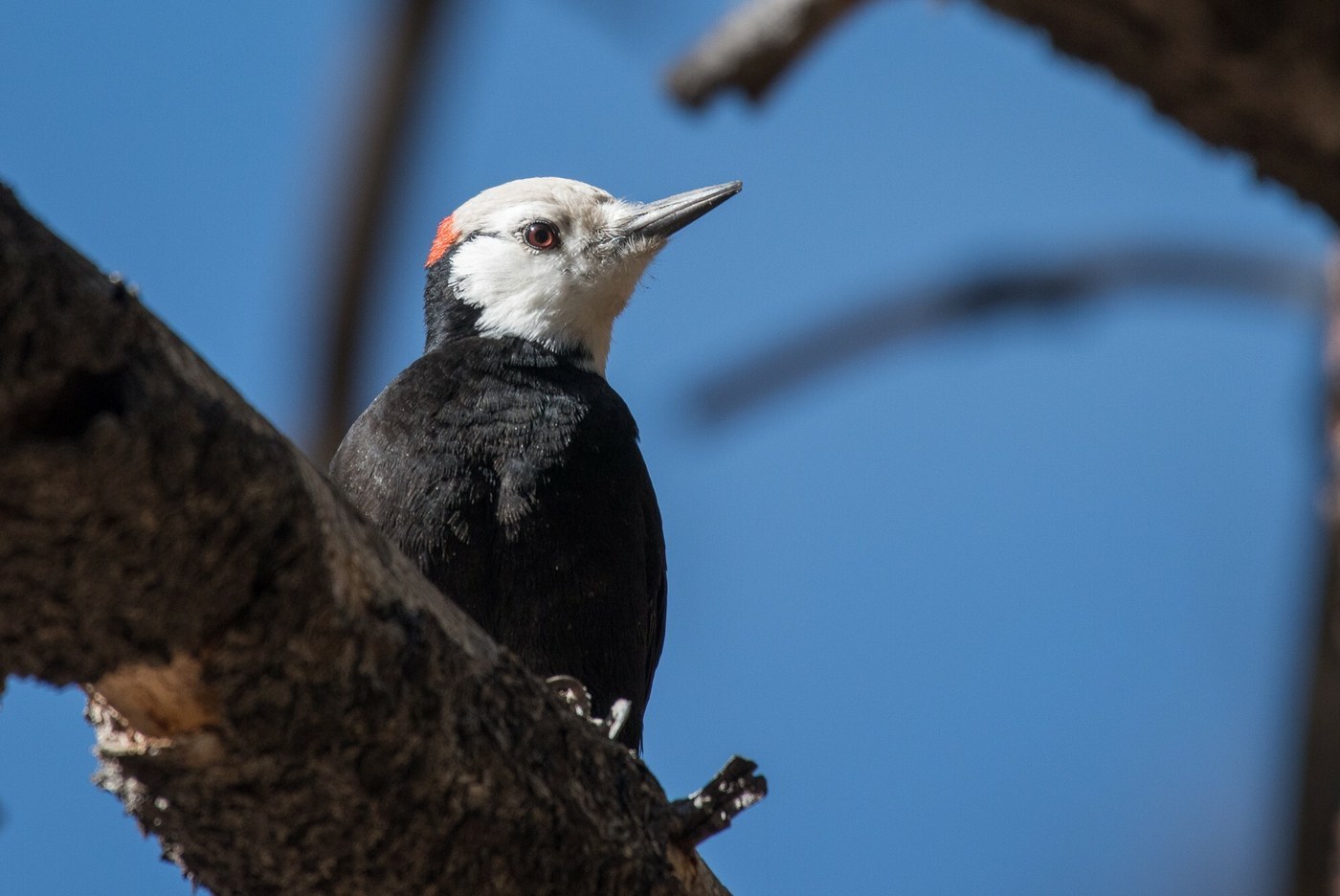
White-headed Woodpecker
Solid black body feathers with an entirely white head