

Red-footed Booby
Sula sula
The smallest and most variably plumaged booby, occurring in white, brown, and intermediate color morphs, all sharing distinctive red feet.
- Feather type
- Sturdy flight feathers, highly variable body plumage
- Colours
- White, brown, or a mix depending on color morph
- Bird size
- Medium, ~66-77 cm
Found a feather like this?
Identify any feather from a photo, free.
Overview
Overview
The Red-footed Booby is notable for being highly polymorphic, occurring in several distinct color morphs within the same populations, ranging from an all-white body with black flight feathers to a uniformly brown body with a contrasting white tail. This variability means feathers from this species can look quite different depending on which morph an individual bird belongs to.
Despite the name referencing its bright red feet, feather identification instead relies on body color pattern and the black flight feathers shared across morphs.
Identifying the Feather
Red-footed Booby feathers vary considerably by color morph, more so than in most other booby species.
- White morph: White body feathers with black primaries and secondaries, similar in general layout to Masked Booby but on a smaller-bodied bird.
- Brown morph: Uniformly brown body feathers, generally lacking sharp contrast, though the tail is white in the brown morph.
- White-tailed brown morph: A brown body combined with a white tail, an intermediate pattern between the two extremes.
- Compared to Masked and Brown Booby: The white morph resembles Masked Booby but is a noticeably smaller-bodied bird; the brown morph resembles Brown Booby but shows a white tail rather than the sharp brown chest-to-white-belly demarcation of Brown Booby.
Plumage & Molt
Plumage is highly variable, with white morph adults showing white body plumage and black flight feathers, brown morph adults showing overall brown body plumage with a white tail, and intermediate morphs blending features of both. Sexes look generally similar across all morphs. Juveniles are typically dull brownish overall regardless of the morph they will eventually become, and gradually acquire adult coloring and morph-specific patterns with maturity.
Habitat & Range
Red-footed Boobies breed colonially on tropical islands across the Atlantic, Pacific, and Indian Oceans, often nesting in trees or shrubs unlike most other booby species that nest on open ground. They are highly pelagic outside the breeding season, ranging far over open tropical waters and rarely coming close to continental coastlines.
Behavior & Field Notes
This booby feeds by plunge-diving as well as catching flying fish in mid-air, often foraging far from the breeding colony over open ocean. It is unusual among boobies for regularly nesting in trees and shrubs rather than directly on the ground, building a stick platform nest. A single egg is typically laid per season. Calls include soft quacking and grunting notes given at breeding colonies, generally quieter than some other booby species.
Frequently asked questions
Why do Red-footed Booby feathers look so different from bird to bird?
The species has multiple color morphs, including white, brown, and intermediate white-tailed brown forms, all occurring within the same populations.
How can I identify a white-morph Red-footed Booby feather?
Look for white body feathers combined with black flight feathers, though the bird is notably smaller-bodied than the similarly patterned Masked Booby.
What distinguishes a brown-morph Red-footed Booby feather from a Brown Booby feather?
Brown-morph Red-footed Booby has a white tail and lacks the sharp chest-to-belly demarcation line seen in Brown Booby.
Where would a Red-footed Booby feather likely be found?
Near tropical island breeding colonies, often in areas with trees or shrubs used for nesting, across the Atlantic, Pacific, and Indian Oceans.
Red-footed Booby guides
In-depth guides for identifying and understanding Red-footed Booby.

Other feathers you may enjoy

Western Gull
Body, flight, and tail feathers
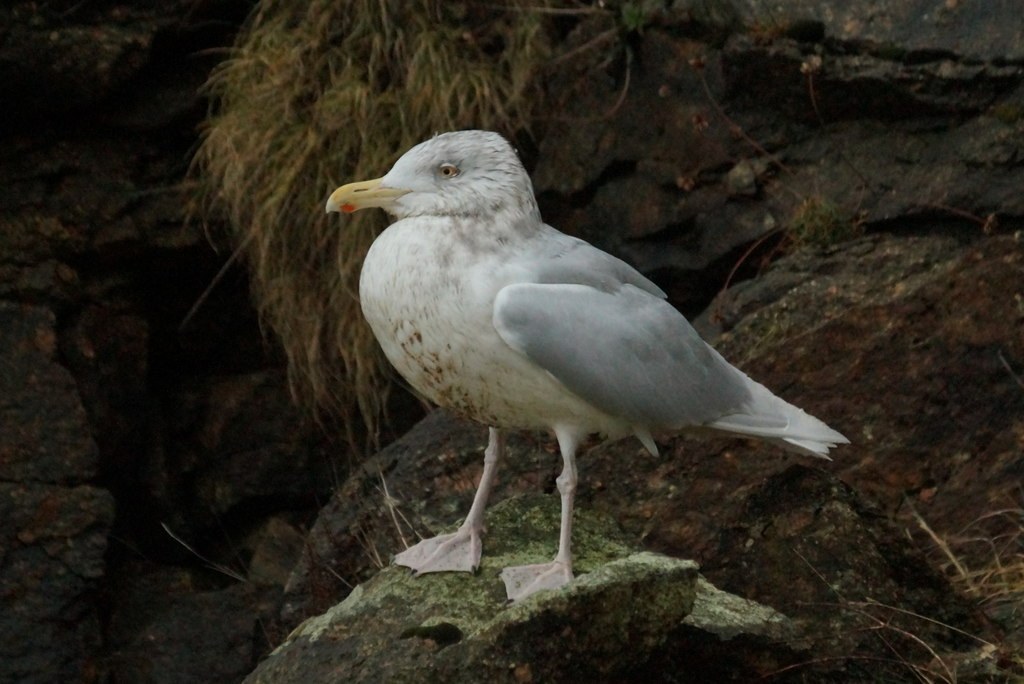
Glaucous Gull
Body, flight, and tail feathers

American Herring Gull
Body, flight, and tail feathers

Great Black-backed Gull
Body, flight, and tail feathers

Common Gull
Body, flight, and tail feathers
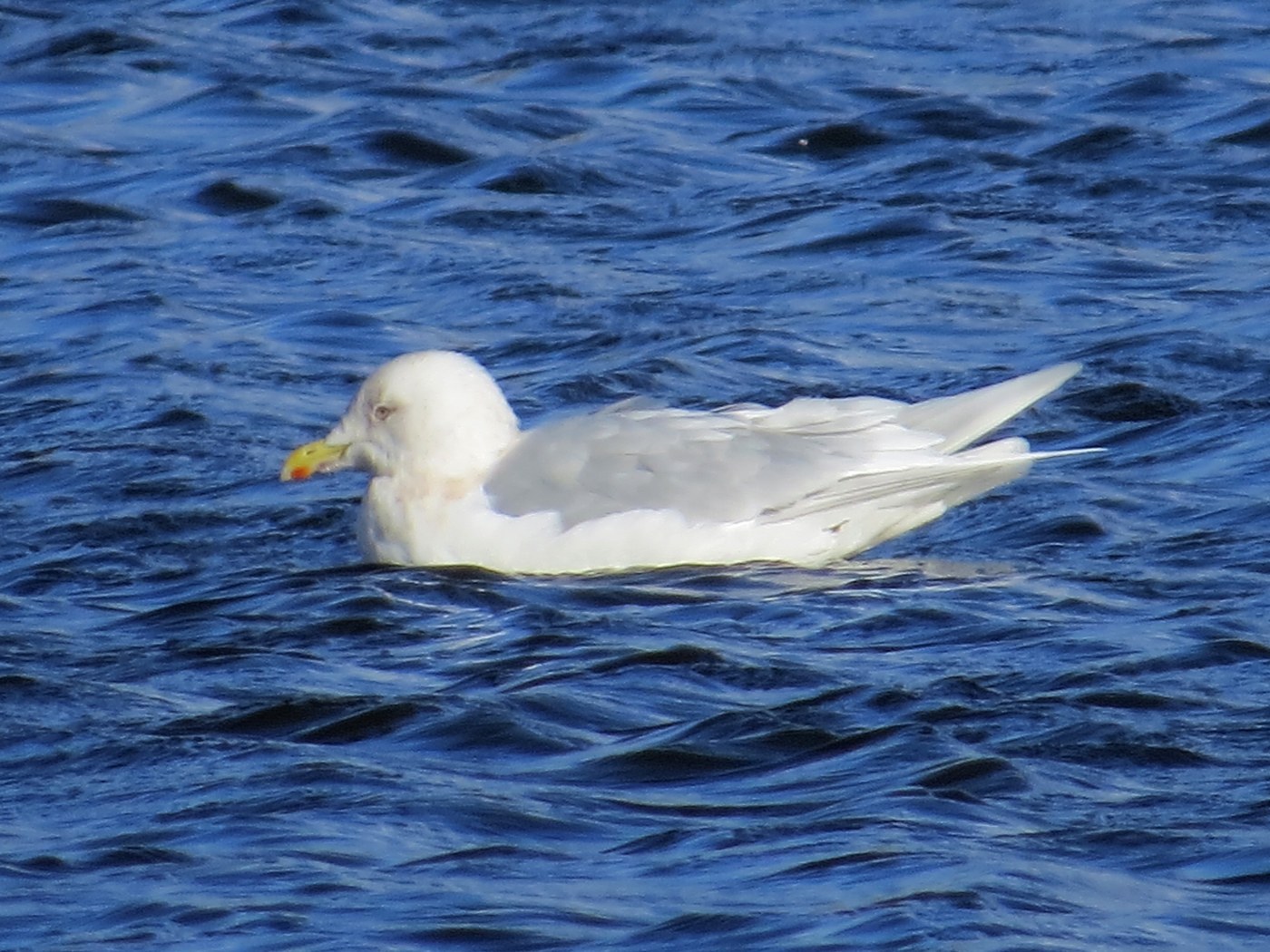
Iceland Gull
Body, flight, and tail feathers

Ring-billed Gull
Body, flight, and tail feathers

Glaucous-winged Gull
Body, flight, and tail feathers

Herring Gull
Body, flight, and tail feathers

Lesser Black-backed Gull
Body, flight, and tail feathers

California Gull
Body, flight, and tail feathers
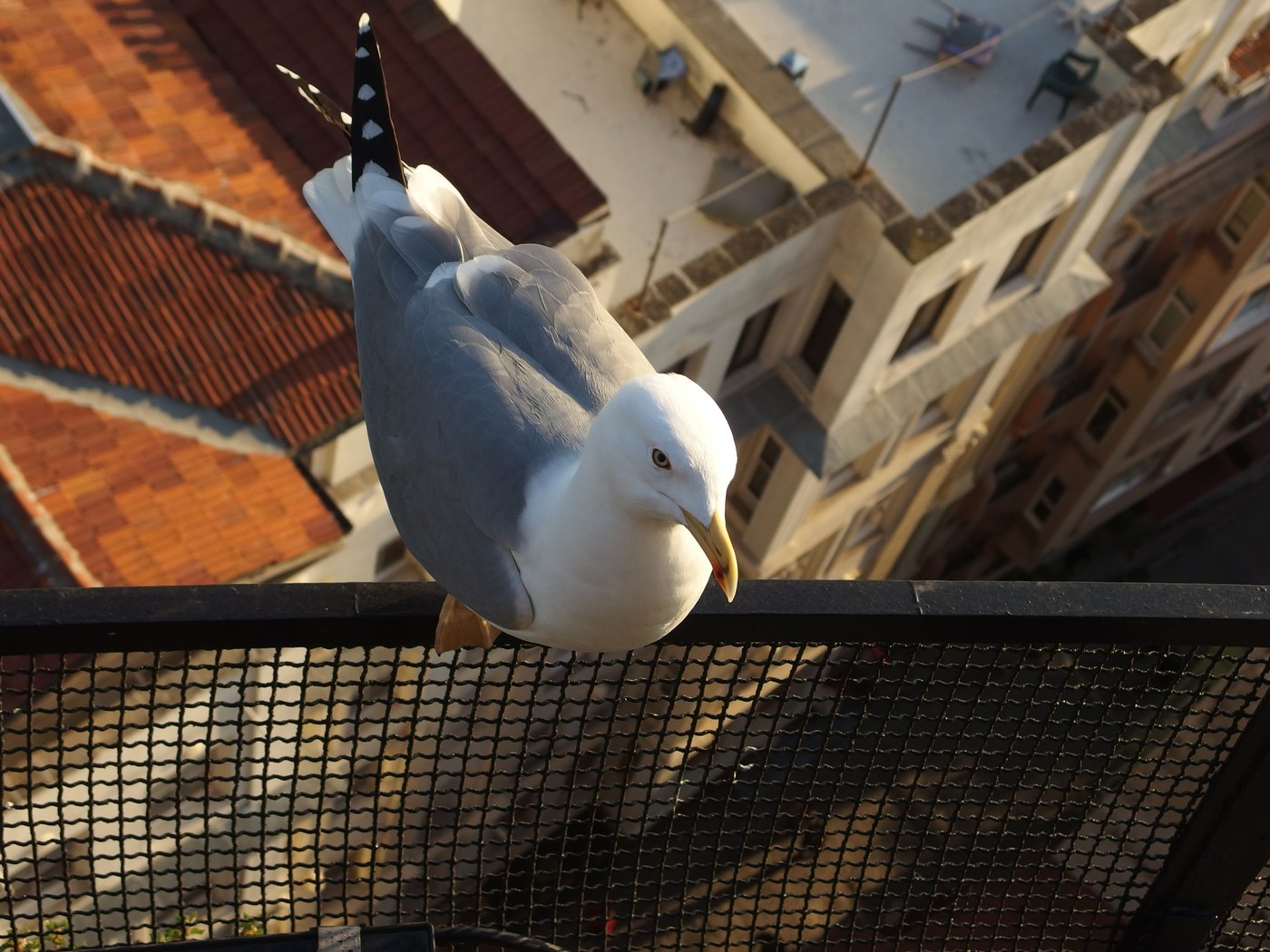
Yellow-legged Gull
Body, wing covert, and flight feathers