

Red-naped Sapsucker
Sphyrapicus nuchalis
A western counterpart to the Yellow-bellied Sapsucker, distinguished by a red patch on the nape in addition to the red forehead.
- Feather type
- Black-and-white patterned back feathers with a red nape patch
- Colours
- Black-and-white barred back, red forehead and nape, red throat
- Bird size
- Robin-sized, ~21 cm
Found a feather like this?
Identify any feather from a photo, free.
Overview
The Red-naped Sapsucker occupies montane forests of the interior western United States and southwestern Canada, filling a niche similar to the Yellow-bellied Sapsucker of the east. The two species look alike overall but differ in a key detail: this species shows red extending onto the nape.
It shares the sapsucker habit of drilling sap wells in aspen, willow, and conifer bark, and is often found where these tree types mix at moderate to high elevation.
Identifying the Feather
- Nape: shows a red patch connecting to the red crown, the key mark separating it from Yellow-bellied Sapsucker
- Face: black-and-white striped, similar to other Sphyrapicus sapsuckers
- Throat: red in males; often shows some red or red-flecked white in females
- Back: black with white barring and a long white wing patch
- Vs. Red-breasted Sapsucker: Red-naped retains more black-and-white facial striping, unlike the nearly solid red head and breast of Red-breasted Sapsucker
Plumage & Molt
Males show a fully red throat and a red nape patch; females often show a partly red or white throat with a smaller nape patch. Juveniles are mottled brownish, gaining adult pattern after their first molt. This species can hybridize with both Yellow-bellied and Red-breasted Sapsuckers where their ranges meet, producing intermediate plumage.
Habitat & Range
Breeds in aspen groves, mixed conifer-deciduous forest, and montane woodland across the interior western United States and southwestern Canada, migrating to the southwestern U.S. and Mexico for winter. It favors elevations with mature aspen for nesting.
Behavior & Field Notes
Drills characteristic rows of sap wells in aspen and other trees, feeding on sap and insects attracted to it, along with fruit. Nests are excavated in live aspen trunks, often those already softened by heart rot. Its call is a nasal mewing similar to other sapsuckers, and its drumming has an irregular, stuttering cadence.
Frequently asked questions
How do I distinguish Red-naped from Yellow-bellied Sapsucker feathers?
The key difference is the red nape patch on Red-naped Sapsucker, which Yellow-bellied Sapsucker lacks; overall barring and face pattern are otherwise similar.
Does the Red-naped Sapsucker hybridize with other sapsuckers?
Yes, it is known to hybridize with both Yellow-bellied and Red-breasted Sapsuckers where their ranges overlap, producing birds with mixed plumage traits.
What trees does it prefer for nesting?
It favors aspen groves, often selecting live trunks softened by internal decay for easier excavation.
Is this species migratory?
Yes, it breeds at higher elevations in the interior West and migrates to the southwestern United States and Mexico for winter.
Red-naped Sapsucker guides
In-depth guides for identifying and understanding Red-naped Sapsucker.

Other feathers you may enjoy

Ivory-billed Woodpecker
Very large flight feathers with a solid white trailing patch

Great Slaty Woodpecker
Massive, uniformly colored contour feathers

Yellow-tufted Woodpecker
Black body feathers with bright yellow forehead tufts

Magellanic Woodpecker
Very large, glossy contour feathers with a recurved crest

Yellow-bellied Sapsucker
Black-and-white patterned back and facial-stripe feathers
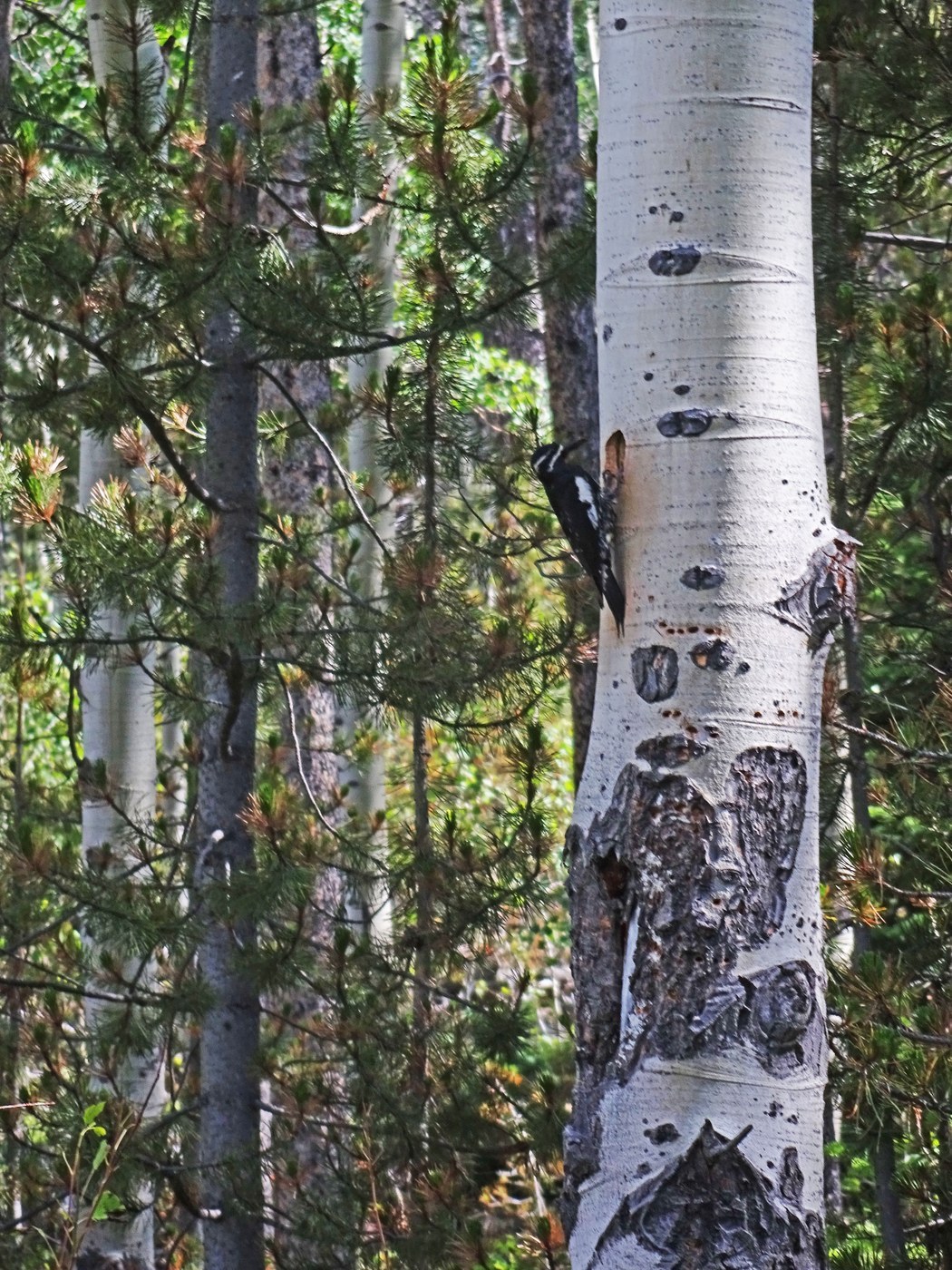
Williamson's Sapsucker
Strongly sexually dimorphic body feathers, glossy black or finely barred brown

Yellow-crowned Woodpecker
Contour and flight feathers

White Woodpecker
Mostly white body feathers with contrasting black wings and back

Red-throated Wryneck
Soft, cryptically mottled contour feathers

White-bellied Woodpecker
Large, glossy black contour and flight feathers

White-backed Woodpecker
Barred back feathers rather than a solid white patch
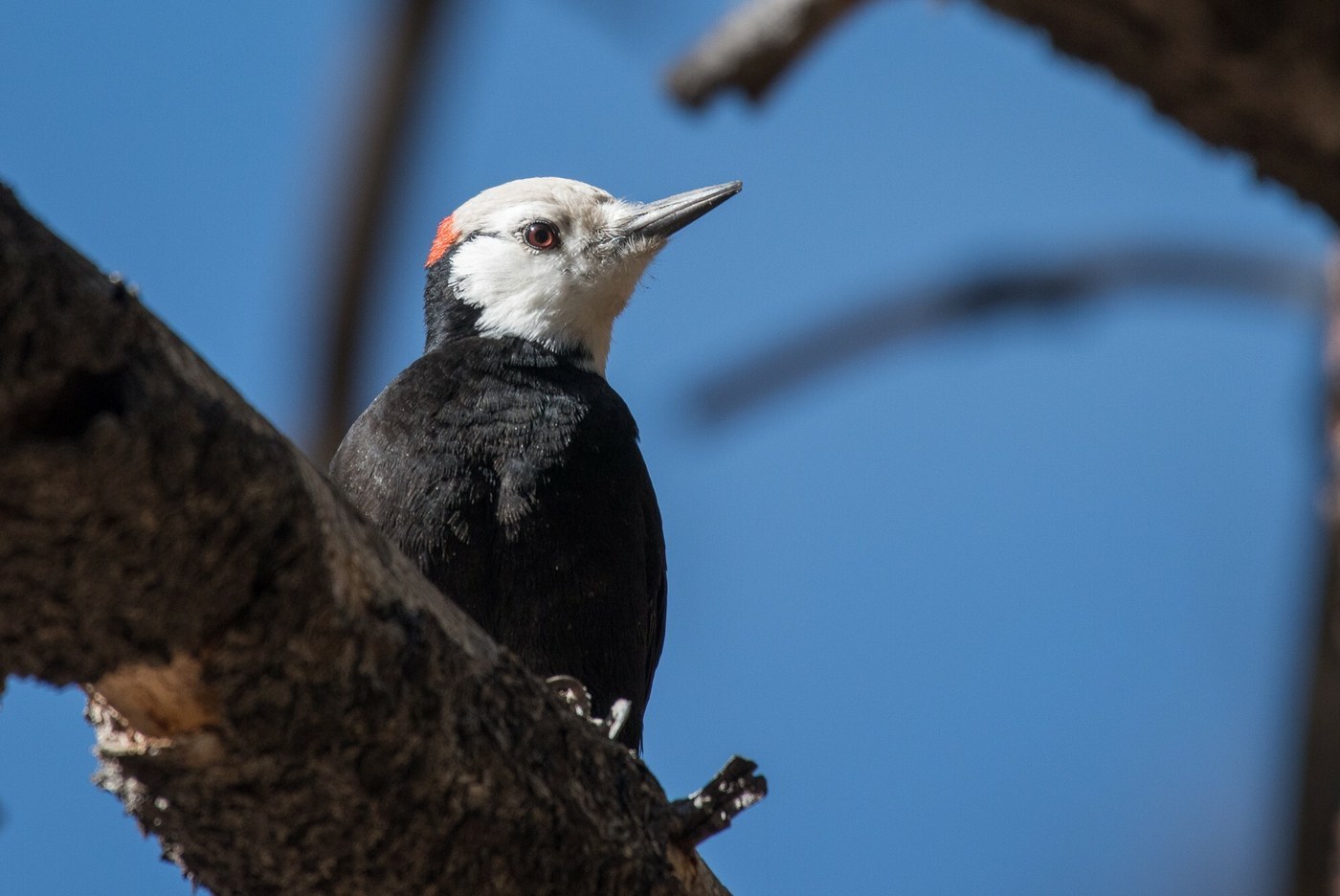
White-headed Woodpecker
Solid black body feathers with an entirely white head