

Red-throated Wryneck
Jynx ruficollis
The African counterpart to the Eurasian Wryneck, distinguished by its warm rufous throat patch set against the same cryptic, bark-like plumage.
- Feather type
- Soft, cryptically mottled contour feathers
- Colours
- Bark-like grey-brown with a rufous throat patch
- Bird size
- Small, ~19 cm
Found a feather like this?
Identify any feather from a photo, free.
Overview
The Red-throated Wryneck occupies woodland, savanna, forest edge, and montane habitat across sub-Saharan Africa. Like its Eurasian relative, it lacks the stiff bill and tail feathers of true woodpeckers and instead relies on cryptic, bark-like plumage, but it is readily distinguished by the addition of a warm rufous to orange-buff throat and upper breast patch.
Unlike the migratory Eurasian Wryneck, this species is largely resident within its African range, with only limited local movements tied to elevation.
Identifying the Feather
Key features:
- Overall plumage is cryptic grey-brown with fine vermiculations, closely resembling the Eurasian Wryneck
- A distinct rufous-buff to orange throat and upper breast patch is present, absent in the Eurasian Wryneck
- Underparts show more pronounced dark barring than in the Eurasian Wryneck
- Tail feathers are soft and rounded rather than stiffened, as in all wrynecks
Compared to similar species: the rufous throat patch is the clearest feature separating this species from the plain-throated Eurasian Wryneck; both share the same soft, non-stiffened tail feathers that distinguish wrynecks from true woodpeckers.
Plumage & Molt
Sexes are similar in plumage, both showing the characteristic rufous throat patch along with cryptic, bark-like body coloration. Juveniles are duller, with a less well-defined throat patch. A single complete molt occurs annually.
Habitat & Range
This species occurs across sub-Saharan Africa in woodland, savanna, forest edge, and montane habitats. It is largely resident, though some populations show local altitudinal movement outside the breeding season.
Behavior & Field Notes
Red-throated Wrynecks feed mainly on ants taken from the ground and bark surfaces, and like other wrynecks do not excavate wood or drum. They perform the same slow, twisting neck display as a threat response when disturbed. They nest in existing cavities rather than excavating their own, and their calls are soft, repeated notes.
Frequently asked questions
How do I tell a Red-throated Wryneck feather from a Eurasian Wryneck feather?
A rufous or orange-buff throat/breast feather is diagnostic for the Red-throated Wryneck, since the Eurasian Wryneck lacks this warm throat coloring and instead shows plain cryptic grey-brown throughout.
Does this species drum like true woodpeckers?
No, like the Eurasian Wryneck, it does not excavate wood or drum, relying instead on ground and bark gleaning for ants.
Where is this species found?
It occurs across sub-Saharan Africa in woodland, savanna, forest edge, and montane habitats, and is largely resident rather than migratory.
What is the tail feather shape like in this species?
Tail feathers are soft and rounded rather than stiff and pointed, consistent with all wrynecks and distinct from true woodpeckers.
Red-throated Wryneck guides
In-depth guides for identifying and understanding Red-throated Wryneck.

Other feathers you may enjoy

Ivory-billed Woodpecker
Very large flight feathers with a solid white trailing patch

Great Slaty Woodpecker
Massive, uniformly colored contour feathers

Yellow-tufted Woodpecker
Black body feathers with bright yellow forehead tufts

Magellanic Woodpecker
Very large, glossy contour feathers with a recurved crest

Yellow-bellied Sapsucker
Black-and-white patterned back and facial-stripe feathers
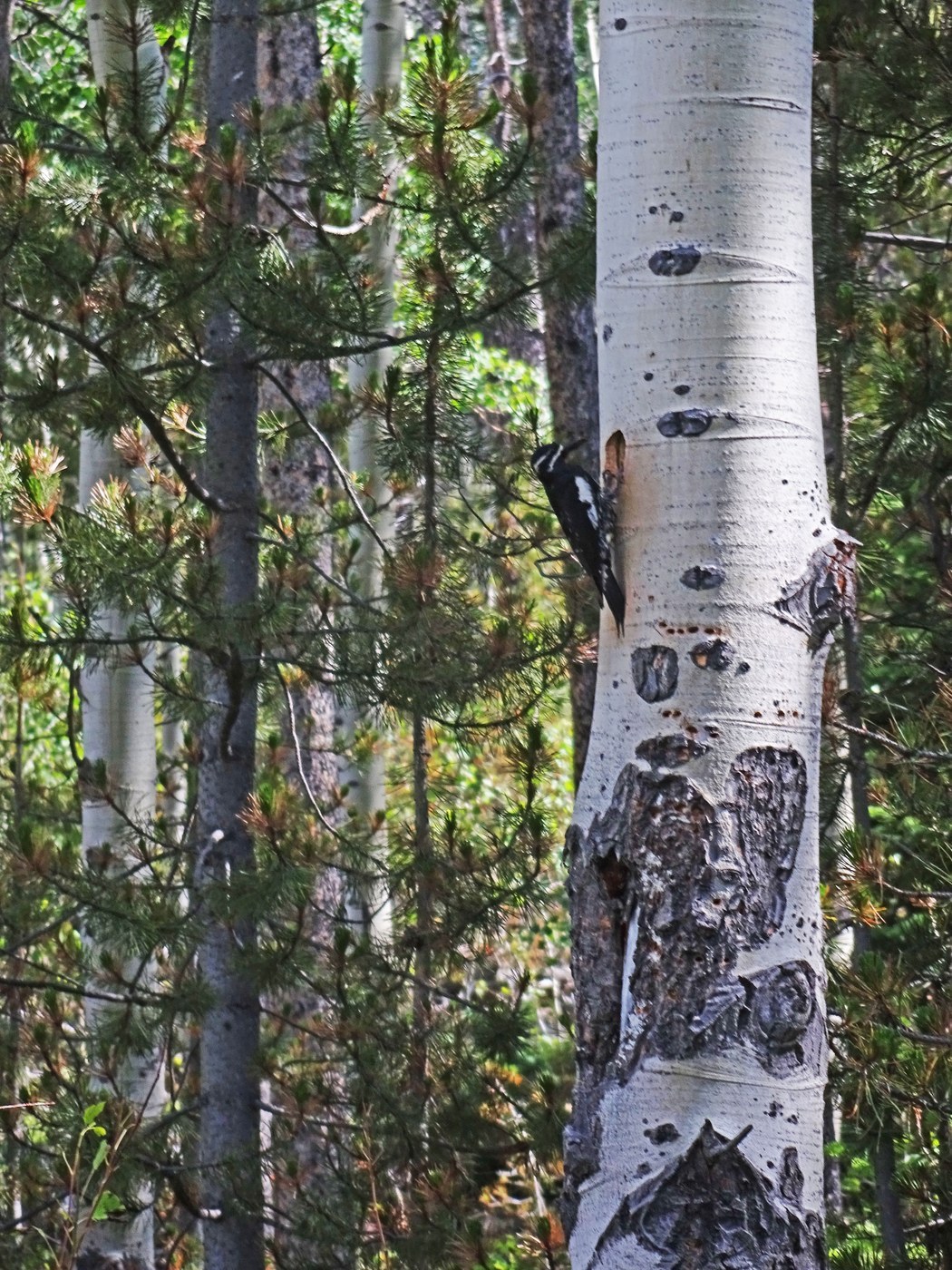
Williamson's Sapsucker
Strongly sexually dimorphic body feathers, glossy black or finely barred brown

Yellow-crowned Woodpecker
Contour and flight feathers

White Woodpecker
Mostly white body feathers with contrasting black wings and back

White-bellied Woodpecker
Large, glossy black contour and flight feathers

White-backed Woodpecker
Barred back feathers rather than a solid white patch
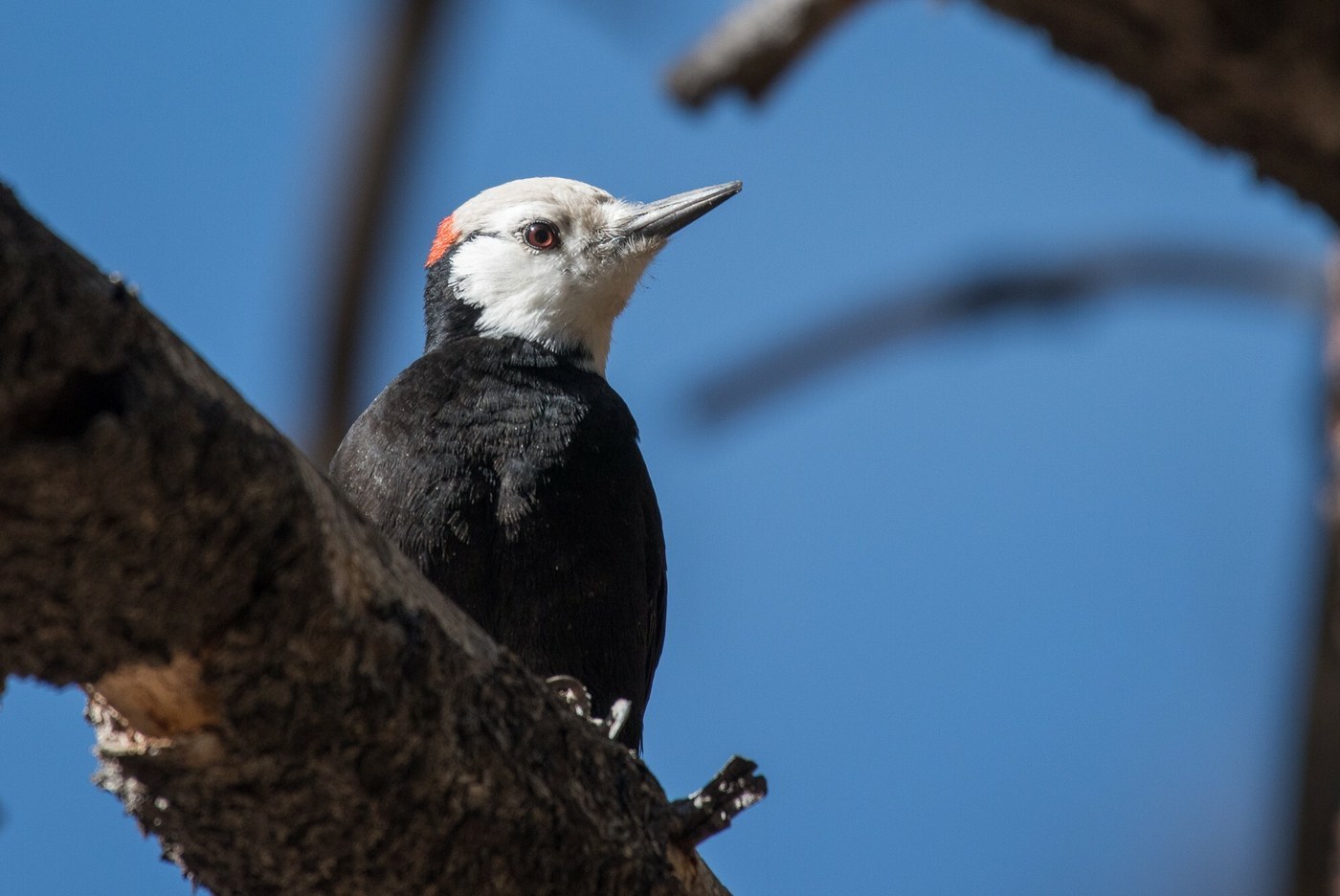
White-headed Woodpecker
Solid black body feathers with an entirely white head

Syrian Woodpecker
Great Spotted-type contour feathers with an incomplete neck bar